Why a Birman Rarely Meows
The quiet vocal temperament of the Birman cat explains why this breed rarely meows and instead uses a soft trill to greet owners.

The quiet vocal temperament of the Birman cat explains why this breed rarely meows and instead uses a soft trill to greet owners.
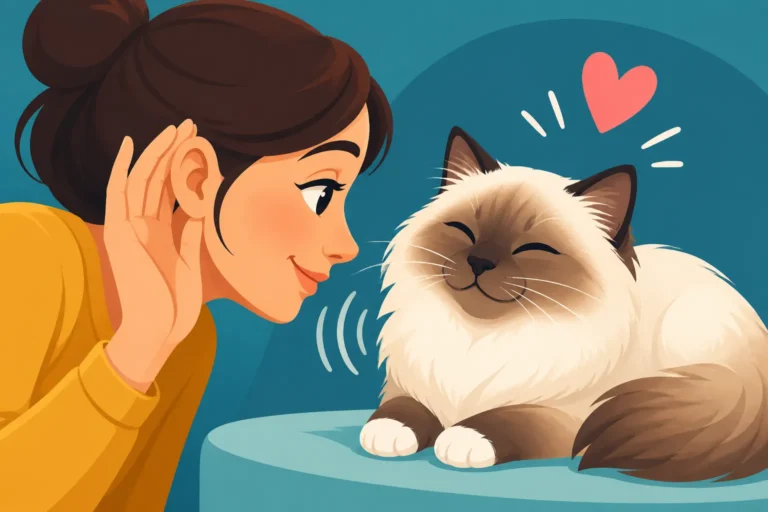
Birman cat purrs and quiet vocalizations explained, showing how this gentle breed communicates deep happiness without noise.
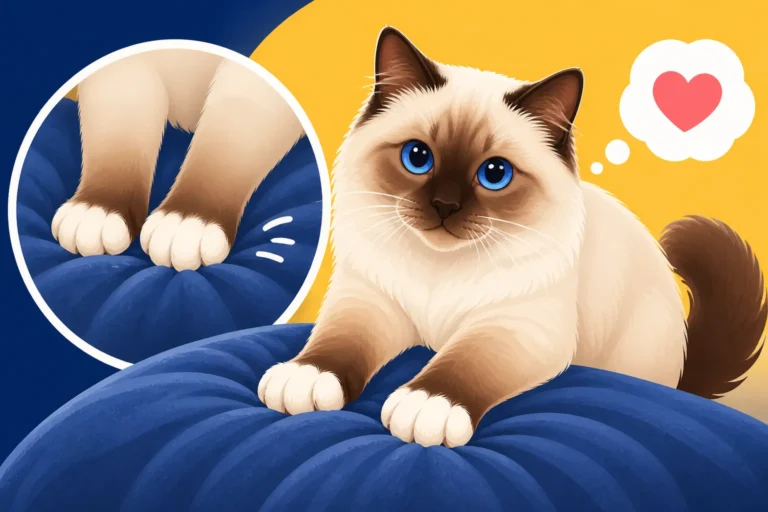
Birman kneading behavior stems from kittenhood nursing reflexes, serving as a self-soothing mechanism that expresses deep contentment and affection.
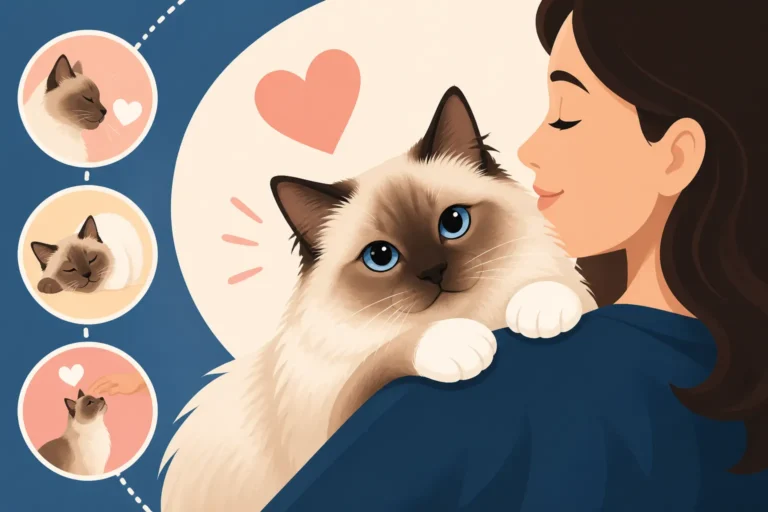
Birman cat affection signals, such as quiet following and gentle trills, reveal subtle devotion without constant demands.
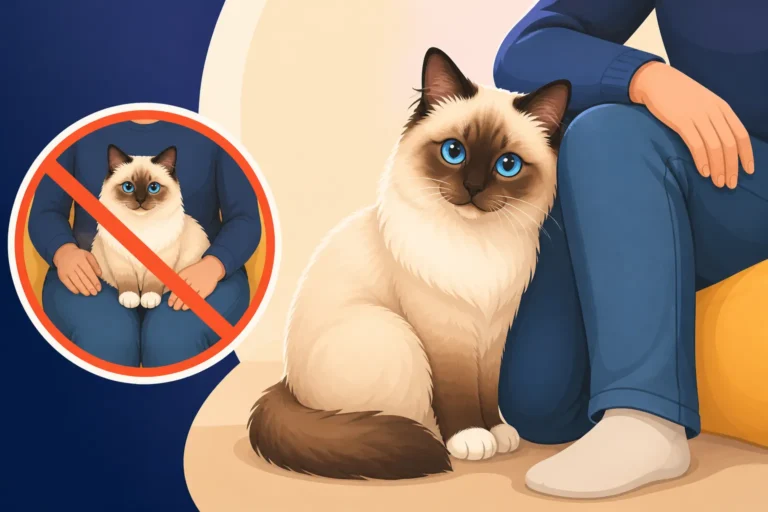
Birman cat affection involves sitting beside your leg instead of your lap, prioritizing gentle proximity and personal space.
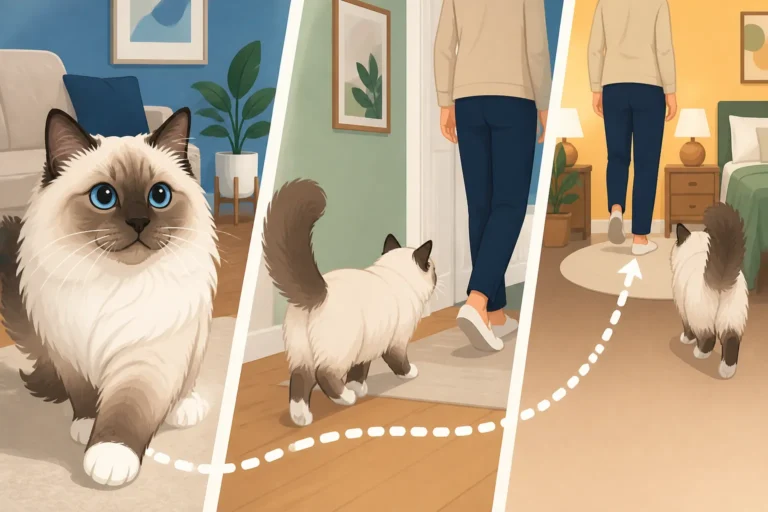
Birman cat behavior involving following owners room to room reflects social needs, affectionate breed traits, and a desire for quiet companionship.

Birman cats wait outside closed bathroom doors due to their need for quiet companionship and deep affection for their human family.
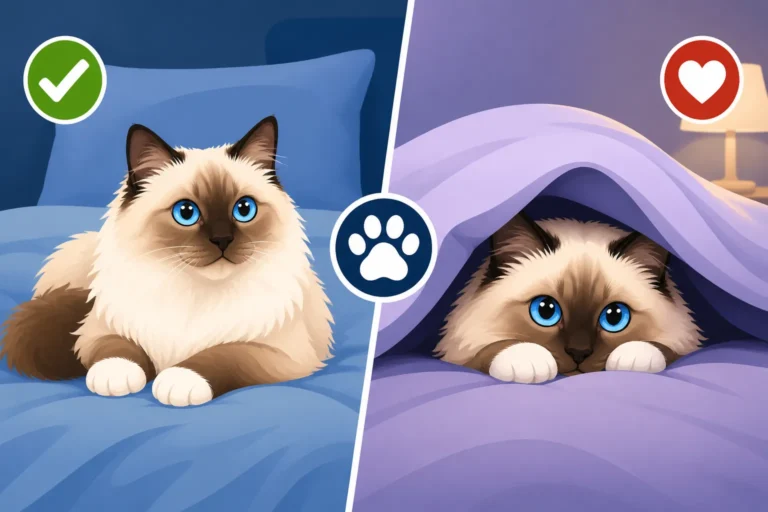
Birman sleeping habits explain why some cats burrow under bed covers for warmth and how their single coat affects this behavior.
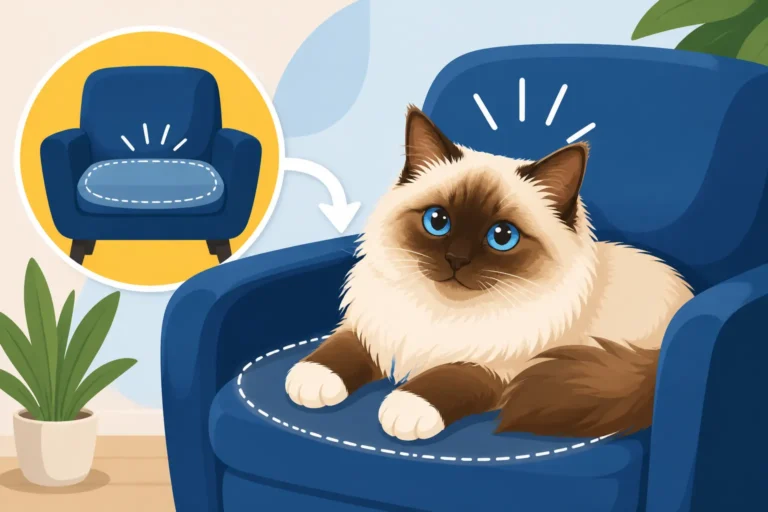
Birman sleeping habits reveal why this people-oriented cat chooses your warm chair for emotional security and connection.

Birman cats balance social presence and restorative rest by staying nearby and following owners without demanding attention.