What a Birman Costs a Year Once the Echo Is Counted
Annual Birman cat ownership expenses include food, litter, routine veterinary care, and crucial annual echocardiogram health screenings.

Annual Birman cat ownership expenses include food, litter, routine veterinary care, and crucial annual echocardiogram health screenings.

Older Birman kittens cost less because show potential faded or buyers cancelled after twelve weeks of intensive breeder care.

A retired Birman queen rehoming fee depends on age, health history, genetic testing, and breeder investment in adult breeding cats.

A comparison of adult body sizes and monthly food expenses explains why Birman cats cost less to keep over a lifetime than Maine Coons.

Birman cat grooming tool costs, single coat maintenance needs, and white paw cleaning supplies are explained for pet owners.

Birman dental health requires specific budgeting because crowded jaws cause plaque buildup and severe gum disease over time.

Yearly echocardiograms for Birman cats detect hypertrophic cardiomyopathy early, enabling proactive management and extending your companion’s life.
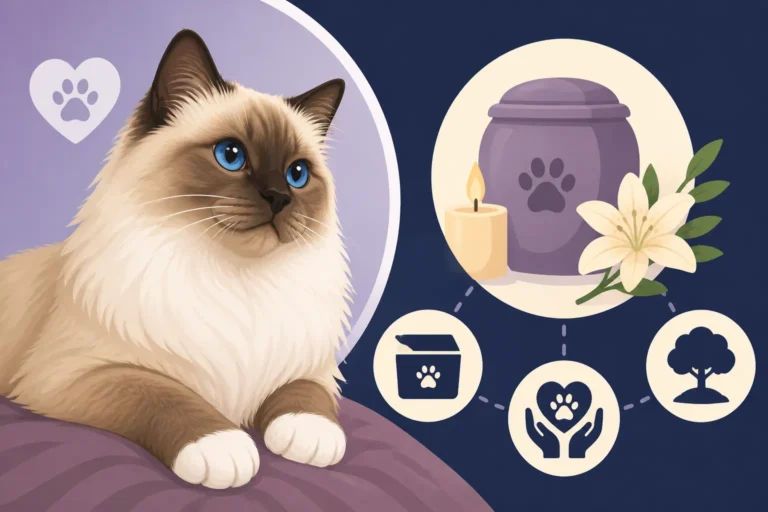
Birman cat aftercare options, including home euthanasia fees, private burial rules, and communal or private cremation services.
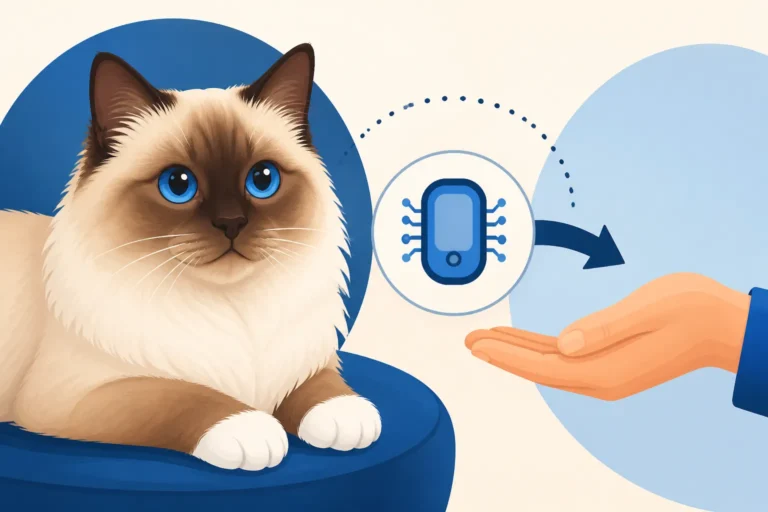
Birman microchip registration details must be transferred to your name to prevent separation delays and legal compliance issues.

Birman kitten microchipping schedules explain when breeders implant the permanent identification between eight and twelve weeks of age.