Why a Gloveless Birman Kitten Cannot Be Registered
Birman kitten registration rules require distinct white paw markings and precise breeding standards for cat associations.
The price tag is the smallest number.
Purchase and adoption costs, insurance, routine vet care, food and grooming budgets, and the emergencies that change the total.
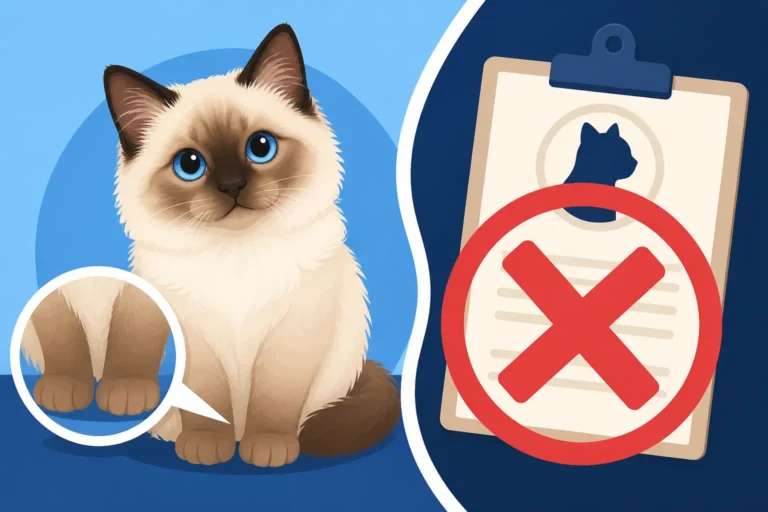
Birman kitten registration rules require distinct white paw markings and precise breeding standards for cat associations.

Birman cat genetics explain why every true breed member carries two copies of the gloving gene for white paws.
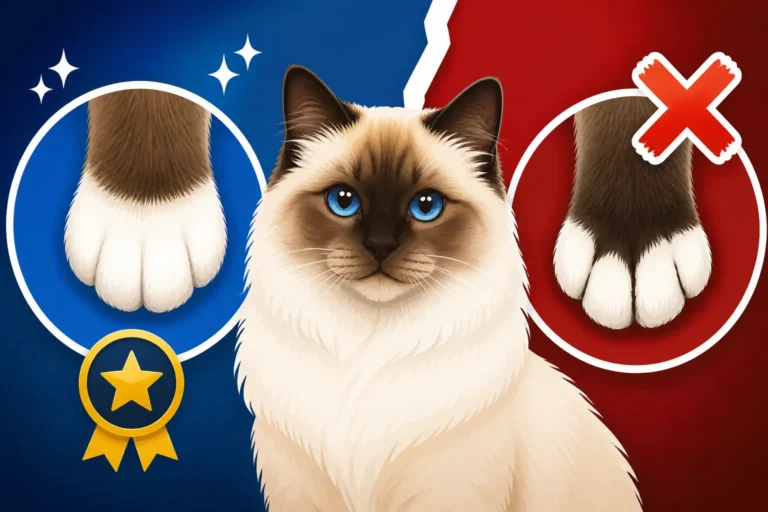
Uneven Birman cat gloves and mismatched white paw markings cause point deductions during competitive cat show judging evaluations.
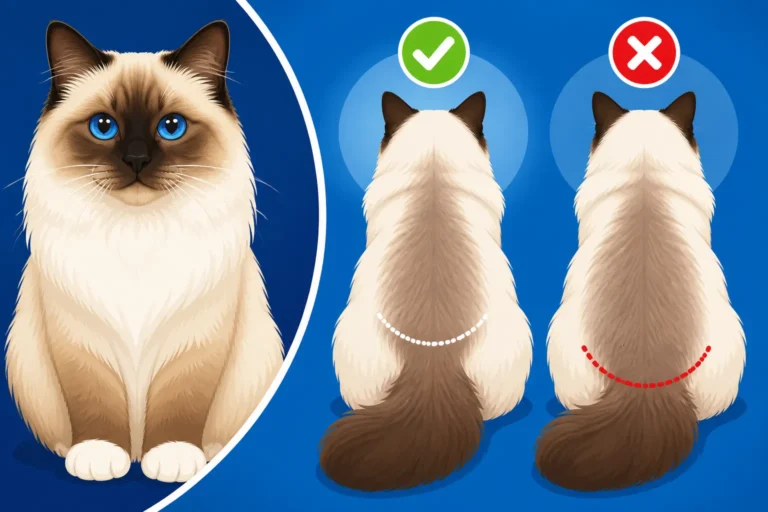
Birman cat breed standards require the white lace on the hind paws to run up the rear leg and terminate precisely at the hock.
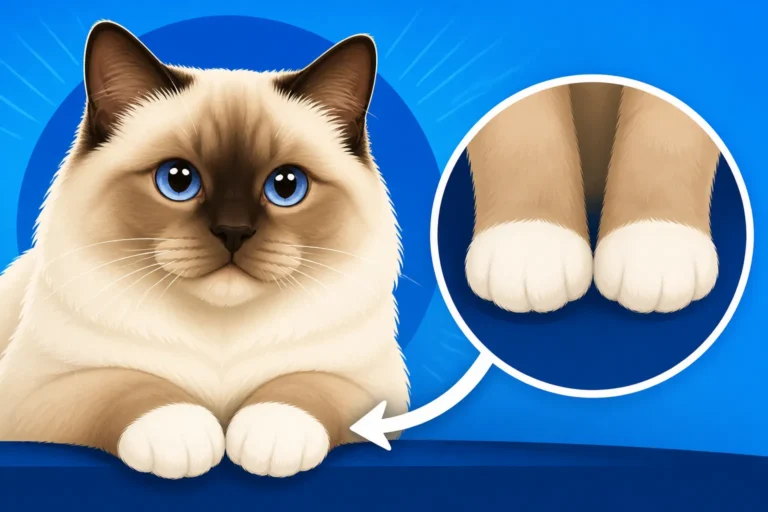
The ideal front gloves of a Birman cat, with pure white covering the toes and rising evenly to a straight line parallel to the toes, matched on both paws.

Price differences between Birman littermates, driven mainly by the symmetry of white gloves and laces, with even slight imperfections changing a kitten’s value.

Birman cat white gloves and back laces symmetry is rare because of unpredictable feline genetics and strict judging standards.

Birman cat white paw markings and complex genetics determine why kittens with four matching gloves cost the highest price.

Show-quality Birman cats cost more due to rare markings, complex genetics, and health testing for Feline Hypotrichosis and Polycystic Kidney Disease.

Birman cat gauntlet markings and their genetic impact on breeder pricing explain why mismatched white paw fur changes a kitten cost.