How Long a Birman Lives After Its Heart Is Diagnosed
Receiving a diagnosis of Hypertrophic Cardiomyopathy (HCM) for your beloved Birman can be absolutely devastating, plunging you into a whirlwind of fear and uncertainty. It's natural to immediately wonder what this means for their future, how much time you have left, and what their quality of life will be like. This comprehensive guide is here to walk you through understanding HCM in Birmans, what to expect after a diagnosis, and how you can best support your cherished companion through this challenging time.
Understanding Hypertrophic Cardiomyopathy in Birmans
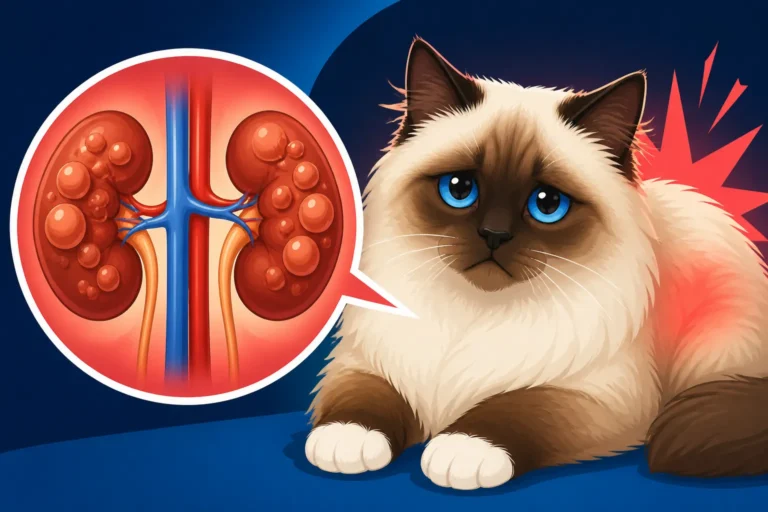
When your vet first says "HCM," it often sounds like a foreign language, filled with scary medical jargon. But at its heart, HCM is the most common heart disease in cats, and unfortunately, Birmans are one of the breeds with a known predisposition. It’s essentially a condition where the muscular walls of your cat's heart, particularly the left ventricle, become abnormally thick. This thickening makes it much harder for the heart to pump blood effectively, reducing its overall capacity and potentially leading to serious complications like congestive heart failure, blood clots, or even sudden cardiac death.
One of the most frustrating aspects of HCM in Birmans, and indeed in many cats, is how stealthy it can be. Cats are masters at hiding illness, and a Birman’s naturally placid and tolerant temperament can make this even more challenging. You might not notice any outward signs until the disease is quite advanced, or even worse, until a sudden crisis occurs. This is why regular veterinary check-ups and being keenly observant of subtle changes in behavior are so incredibly important.
The diagnosis of HCM almost always relies on an echocardiogram (an ultrasound of the heart). Unlike some genetic conditions, there's currently no DNA test available to definitively screen for HCM in Birmans, which means visual assessment of the heart's structure is paramount. During an echo, a veterinary cardiologist will measure the thickness of the heart walls, assess the size of the heart chambers, and observe how well the heart muscle is functioning. This imaging provides crucial information on the severity of the disease and helps stage it. The importance of this diagnostic tool cannot be overstated; it's the gold standard. As we've discussed before, "HCM in a Birman Has No DNA Test, Only an Echo" is a tough reality, but it emphasizes the necessity of this specific screening.
Factors Influencing Lifespan After Diagnosis
The question every Birman owner asks after an HCM diagnosis is, "How long do I have with them?" The truth is, there's no single, easy answer. The lifespan of a Birman after an HCM diagnosis can vary wildly, from a few weeks to several years, depending on a multitude of factors unique to each cat. It’s incredibly difficult, and often heartbreaking, for owners to navigate this uncertainty, but understanding these influencing factors can help you set realistic expectations and make informed decisions.
Firstly, the severity of the disease at the time of diagnosis plays a huge role. If HCM is caught early, when the thickening is minimal and before significant secondary issues like fluid accumulation (congestive heart failure) or blood clots have developed, the prognosis is generally more favorable. Cats diagnosed at a later stage, especially with advanced symptoms, unfortunately face a shorter life expectancy.
The age of your Birman at diagnosis also matters. Younger cats diagnosed with severe forms of HCM may progress more rapidly. However, older Birmans, even with milder forms, might have other age-related health issues that complicate treatment. It's a delicate balance. The "The Twelve to Sixteen Years a Birman Usually Gets" often refers to healthy Birmans, so an HCM diagnosis significantly impacts that potential.
Treatment adherence and response to medication are critical. Once diagnosed, your veterinarian, likely in consultation with a cardiologist, will prescribe medications designed to manage the condition. These might include beta-blockers to slow the heart rate, ACE inhibitors to reduce blood pressure, diuretics to manage fluid build-up, or anti-coagulants to prevent blood clots. It's absolutely crucial to administer these medications exactly as prescribed and to never skip doses without veterinary guidance. Cats can be notoriously difficult with pills, but consistent medication is often the key to extending their quality of life. We explore this further in "Which Drugs a Birman Goes On After an HCM Diagnosis".
Regular monitoring through follow-up echocardiograms and veterinary check-ups allows your vet to track the progression of the disease and adjust medication as needed. These regular assessments are vital because HCM can change over time, and what works today might need tweaking tomorrow. For breeding Birmans, the need for regular scans is understood, but for a pet Birman, continued monitoring post-diagnosis is just as important.
Finally, the presence of secondary complications, such as congestive heart failure (fluid in or around the lungs) or arterial thromboembolism (blood clots), drastically worsens the prognosis. Blood clots, in particular, are a devastating and acute complication, as detailed in "How a Birman's Thickened Heart Throws a Clot to Its Legs," and can lead to sudden paralysis of the hind legs.
| Factor | Impact on Lifespan (Post-Diagnosis) | Importance for Management |
|---|---|---|
| Severity at Diagnosis | Mild: Potentially years; Severe: Months to a year or less | Early detection through regular screening is vital. |
| Age at Diagnosis | Younger (severe form): Can progress rapidly; Older: May have co-morbidities. | Tailored treatment plans considering overall health. |
| Treatment Adherence | Consistent medication can significantly prolong life. | Strict adherence to prescription, regular vet check-ups. |
| Response to Medication | Positive response leads to better prognosis. | Regular re-evaluations to adjust dosages or medications. |
| Complications | Congestive heart failure or blood clots severely shorten lifespan. | Proactive medication to prevent, immediate vet attention for symptoms. |
| Owner Support | Stress reduction, careful observation, consistent care. | Creating a calm environment, attentive daily care. |
Managing Your Birman with HCM
Living with a Birman diagnosed with HCM means embracing a new routine focused on managing their health and maximizing their comfort. It's a partnership between you, your Birman, and your veterinary team. While the diagnosis is serious, proactive management can genuinely make a difference in their remaining time.
The cornerstone of HCM management is medication. Your vet will likely prescribe a cocktail of drugs tailored to your Birman's specific condition. Diuretics, like Furosemide, are often used to reduce fluid build-up associated with congestive heart failure. Beta-blockers (e.g., Atenolol) help to slow the heart rate and reduce the heart's workload, while ACE inhibitors (e.g., Benazepril) can help relax blood vessels and lower blood pressure. For Birmans at risk of blood clots, an anti-coagulant like Clopidogrel might be prescribed. It’s important to understand what each medication does and to administer it precisely as instructed. If you're struggling with pilling your cat, talk to your vet about compounding pharmacies that can create liquid forms or flavored treats to make it easier. We know "How HCM Shows Up in a Birman," but managing those symptoms is key.
Lifestyle adjustments are also crucial. While you don't need to wrap your Birman in cotton wool, some changes can significantly benefit their heart health.
- Diet: A low-sodium diet might be recommended, especially if your Birman is experiencing congestive heart failure. Commercial prescription diets are available, or your vet might guide you on preparing homemade meals. Ensure they always have access to fresh water to support kidney function, particularly if they are on diuretics.
- Exercise: While a Birman might naturally be less active than some other breeds, strenuous activity should be avoided. Gentle play sessions are fine, but anything that causes heavy panting or excessive exertion should be limited. Observe your cat's energy levels and let them set the pace. An old Birman may already be slowing down, and for a cat with HCM, this slowdown is even more pronounced. "What an Old Birman Slows Down From First" often includes reduced activity, which can actually be beneficial for an HCM cat.
- Stress Reduction: Cats are highly sensitive to stress, and a calm environment is paramount. Minimize sudden changes in routine, loud noises, or new pets if possible. Pheromone diffusers, quiet resting spots, and consistent interaction can help keep your Birman relaxed. As "Why a Birman Hides Illness Behind a Placid Temperament" highlights, a quiet demeanor can hide deeper distress, so paying attention to subtle behavioral changes is crucial.
Knowing how to recognize worsening symptoms is arguably one of the most critical aspects of care. You are your Birman's primary advocate. Be vigilant for signs such as:
- Increased respiratory rate or effort (e.g., open-mouth breathing, labored breathing, persistent coughing).
- Lethargy, weakness, or increased sleeping.
- Reduced appetite or weight loss.
- Reluctance to move, jump, or play.
- Sudden paralysis or weakness in the hind legs (a sign of a blood clot, which is an emergency).
- Any changes in gum color (pale or bluish gums).
These are signs that the disease is progressing or that a complication is developing, and they warrant immediate veterinary attention. These could be "The Last Signs Before a Birman's Thickened Heart Fails."
Supportive care is also essential. Keep them warm and comfortable. If they're struggling to eat, your vet might suggest appetite stimulants or different food textures. Providing easily accessible litter boxes and water bowls can also make a big difference, especially if mobility is affected. This might involve wider, shallower bowls to accommodate their whiskers and make drinking easier.
Quality of Life and End-of-Life Decisions
This is perhaps the hardest part of the journey for any Birman owner. As much as we want to fight for every single day, there comes a point where we must consider our cat's quality of life above all else. This conversation is never easy, but it’s a necessary one to have with your veterinary team.
Assessing quality of life involves observing several key areas:
- Appetite and hydration: Is your Birman still eating and drinking adequately?
- Pain management: Are they comfortable, or do they show signs of chronic pain or discomfort?
- Hygiene: Are they still able to groom themselves?
- Happiness/Engagement: Do they still show interest in their environment, interact with you, and have moments of joy? A "Why a Quiet Birman Is Easy to Misread" applies here, but look for complete withdrawal rather than just quiet contentment.
- Mobility: Can they still move around relatively easily?
There are several "quality of life scales" available online and through your vet that can help you objectively evaluate your Birman's daily experience. It can be incredibly helpful to keep a journal of their good days versus bad days.
When to consider euthanasia is a deeply personal and agonizing decision. It’s about preventing prolonged suffering. Your vet can guide you, offering an objective perspective on their physical condition and prognosis. They can explain when treatments are no longer effective, or when the burden of the disease outweighs any comfort provided by medication. This decision is an act of love, ensuring your beloved Birman leaves this world with dignity and peace, rather than enduring unnecessary pain. Many owners struggle with guilt, but remember you are making the best choice for them, even if it breaks your heart.
Coping with an HCM diagnosis and eventually, loss, is incredibly tough. Allow yourself to grieve. Seek support from friends, family, or online communities who understand the bond you share with your Birman. Organizations like the American Veterinary Medical Association (AVMA) or local humane societies often provide pet bereavement resources. The love and companionship your Birman brings into your life are immeasurable, and their memory will always be a part of you. Brands like Healthy Paws, which provide pet insurance, can help alleviate the financial strain of managing chronic conditions, allowing owners to focus more on care and less on cost, but even with the best medical care, some outcomes are unavoidable.
Disclaimer
Please note that this article is intended for informational purposes only and does not constitute professional veterinary advice. Always consult with a qualified veterinarian or veterinary cardiologist for any health concerns or before making any decisions about your Birman's health and treatment plan. Individual outcomes for cats with HCM can vary significantly.