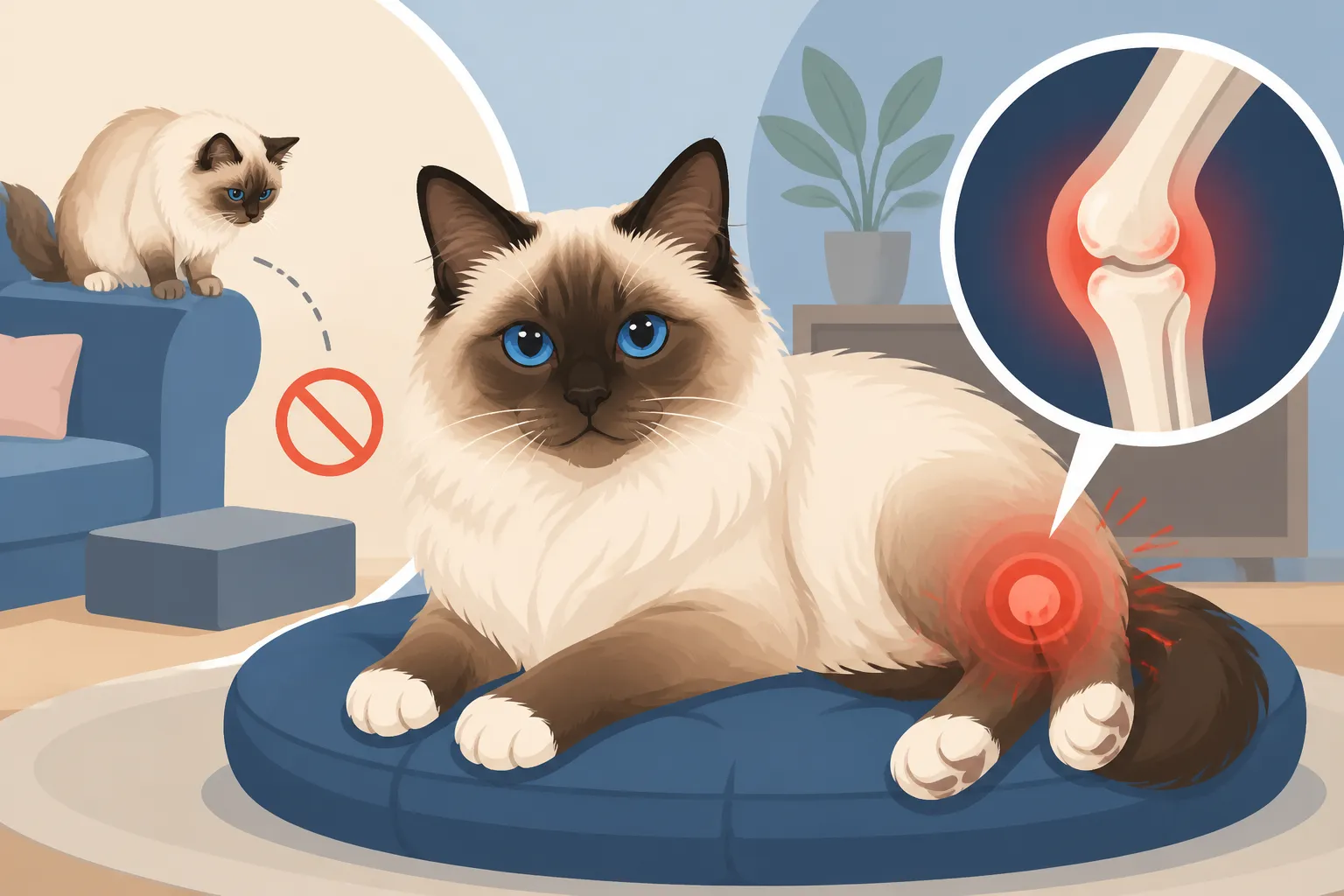
How Arthritis Shows in a Birman That Never Jumped Much
It's heartbreaking to see our beloved Birman companions slow down as they age, especially when you think they've always been so gentle and not one for high-flying acrobatics. Many Birman owners are caught off guard when their placid, seemingly low-impact cat starts showing signs of arthritis, often believing that because their kitty rarely scaled the bookshelves, their joints would be spared. The truth is, arthritis doesn't just strike the most athletic cats; it's a common, progressive condition that can affect any feline, even our sweet, sedentary Birmans. This guide will help you understand how arthritis quietly creeps up on your Birman, how to spot those subtle hints, and what you can do to keep them comfortable and happy into their golden years.
Understanding Arthritis in the Birman's Unique Context
When we think of arthritis, we often picture a dog struggling to get up after a run or a super-active cat limping after a big jump. But Birmans, with their serene dispositions and tendency to prefer the sofa to the ceiling, can still develop this painful condition. It’s a common misconception that less active cats are immune, and it can leave owners feeling bewildered when their gentle giant starts showing symptoms.
Why a Less Agile Birman Still Gets Arthritis
Even if your Birman has always been more of a "ground-level" cat, preferring to lounge rather than leap, their joints are still subject to the same processes of aging and wear and tear as any other animal. Arthritis, or osteoarthritis, is essentially the breakdown of cartilage within the joints. This cartilage acts as a cushion, allowing bones to glide smoothly over each other. Over time, for various reasons including genetics, past injuries, or simply the cumulative effect of daily movements, this cartilage can degrade.
Think about it: every time your Birman steps into and out of their litter box, jumps onto a low armchair, or even stretches out for a nap, their joints are in motion. These small, repetitive movements, accumulated over a decade or more, can lead to significant degradation. While they might not be putting extreme stress on their joints with dramatic jumps, the continuous, gentle flexion and extension are enough to cause microscopic damage that slowly adds up. Their relatively sturdy, long frame, while beautiful, also means that specific joints, like hips and knees, carry weight and experience forces that can lead to deterioration over many years.
Subtle Signs You Might Miss
Birmans are famously stoic. They're the kind of cat that will hide pain until it's quite advanced, a trait that can be both admirable and incredibly frustrating for their devoted owners. This means you need to become a detective, looking for the most subtle changes in their behavior and routine. A slight hesitation before they jump onto the bed, a slower descent from the sofa, or taking a moment longer to settle into a comfortable position – these are all tiny clues. It's easy to dismiss these as "just getting old," but they can be early indicators of joint discomfort.
Because a Birman typically has a placid temperament, they excel at masking discomfort. Instead of crying out or limping dramatically, they might simply change their habits to avoid pain. They might stop using their favorite high perch, even if it’s only a few feet off the ground, not because they’ve suddenly lost interest, but because the jump has become uncomfortable. You might notice they're grooming less diligently, especially in hard-to-reach areas around their lower back or hind legs, simply because it hurts to twist and stretch. It's this quiet withdrawal, this shift in their predictable, gentle routine, that often signals something deeper is going on. It’s crucial to remember that Why a Quiet Birman Is Easy to Misread – their quiet nature is often mistaken for contentment, even when they’re suffering in silence.
Common Manifestations of Arthritis in a Birman
When arthritis takes hold, it starts to impact your Birman's daily life in noticeable ways, even if they're trying their best to conceal it. These changes can be physical, behavioral, and even affect their pristine appearance.
Changes in Movement and Mobility
One of the first things you might pick up on, once you're actively looking, are changes in how your Birman moves. You might see a subtle stiffness, especially after they've been asleep for a while. That graceful, flowing gait they once had might become a bit more stilted, with shorter, choppier steps. You might notice them favouring a particular limb, or shifting their weight unevenly. Getting up from a lying position might take more effort, and they might stand a bit hunched or stiffly before walking off.
They may also become less enthusiastic about their once-loved stretches. Where they used to elegantly arch their back or extend their front paws in a big morning stretch, they might now do it less frequently or with visible restraint. This isn't laziness; it's a protective mechanism to avoid pain. If they used to greet you at the door with a little trill and a weave through your legs, they might now approach more slowly, or wait for you to come to them. Observing What an Old Birman Slows Down From First can give you early clues about their joint health.
Grooming and Litter Box Habits
Arthritis can make basic self-care incredibly painful for a Birman. Their long, silky coats are usually meticulously maintained, but joint pain can make reaching certain areas impossible. You might start to notice mats forming on their lower back, around their tail base, or on their hind legs – places they used to keep pristine. This isn't neglect on their part, but a clear sign that twisting and turning to groom those spots is causing them significant discomfort. An unkempt appearance, especially for a breed known for its beautiful coat, is a red flag.
Litter box habits can also change dramatically. If your Birman's litter box has high sides, the act of stepping over them can become agonizing for stiff hips or knees. You might find them struggling to get in or out, or even choosing to relieve themselves just outside the box to avoid the pain. Squatting to urinate or defecate can also be painful, leading to awkward postures or accidents. This isn't a behavioral issue; it's a physical limitation. Switching to a litter box with lower sides or a ramp can make a huge difference, making a painful necessity a little easier for them. The beautiful white gloves that are a hallmark of the breed might also start looking dingier if they're having trouble getting in and out of the box cleanly.
Behavioral and Temperamental Shifts
One of the most heart-wrenching aspects of arthritis in a Birman is the shift in their usually affectionate and gentle personality. A cat that was once eager for cuddles might become more withdrawn or irritable, lashing out if touched in a sensitive area. This isn't them being "grumpy"; it’s a direct consequence of chronic pain. They might retreat to quiet, secluded spots more often, avoiding interaction simply because they don't want to risk being touched in a way that hurts.
You might notice they sleep more, or their sleep patterns change. They might become less playful, showing little interest in toys they once loved, or participating less in family activities. A Birman that used to follow you from room to room might now stay put, watching you from a distance. If your cat, who typically enjoys a gentle scratch, suddenly flinches or pulls away when you reach for their back or hips, pay close attention. This is often a silent cry for help. Remember, Why a Placid Birman Hides Pain makes it critical for us to observe these subtle shifts and act on them.
Diagnosing and Managing Arthritis in Your Birman
Once you suspect arthritis, the next step is a trip to your trusted veterinarian. Early diagnosis and intervention can make a significant difference in your Birman's quality of life.
Getting a Proper Veterinary Diagnosis
When you bring your Birman in, your vet will start with a thorough physical examination. They’ll observe your cat’s gait, posture, and how they move around the examination room. They’ll gently palpate your Birman's joints, feeling for any swelling, crepitus (a crackling sound or sensation), or pain responses. It's incredibly important to share all the subtle changes you've observed at home, no matter how insignificant they might seem. Your detailed observations are often the most valuable diagnostic tool, especially with a cat that is prone to hiding discomfort.
While a clinical examination can often point strongly towards arthritis, your vet might recommend X-rays to confirm the diagnosis and assess the severity of joint changes. X-rays can show signs of joint degeneration, bone spurs, and narrowing of joint spaces. Blood tests might also be performed to rule out other conditions and ensure your Birman is healthy enough for any prescribed medications. Don't be surprised if the diagnosis is largely based on clinical signs, as early arthritis might not show dramatic changes on an X-ray, but your vet can still pick up on the pain during manipulation.
Treatment Options and Lifestyle Adjustments
Managing arthritis in Birmans typically involves a multi-modal approach, combining medication with lifestyle adjustments to improve comfort and slow progression. Pain management is paramount, and your vet might prescribe non-steroidal anti-inflammatory drugs (NSAIDs) specifically formulated for cats. These can dramatically reduce pain and inflammation, allowing your Birman to move more freely. Joint supplements containing ingredients like glucosamine, chondroitin, and omega-3 fatty acids can also be beneficial in supporting cartilage health, though always discuss these with your vet before introducing them.
Environmental modifications at home are crucial. Providing ramps or steps to help your Birman reach their favorite resting spots – like the sofa or bed – eliminates painful jumps. Switching to a low-sided litter box can prevent accidents and make toileting less stressful. Elevated food and water bowls can also reduce strain on their neck and front joints. Ensuring they have soft, orthopedic beds in warm, draft-free areas will encourage comfortable rest. Maintaining a healthy weight is also incredibly important, as excess pounds put additional strain on already compromised joints. Regular, gentle exercise can help keep joints mobile, but it's about encouraging movement, not forcing it. Remember that How Often a Birman With Clear Papers Still Needs a Vet is still relevant for managing age-related conditions like arthritis.
Long-Term Care and Proactive Measures
Living with a Birman with arthritis means a commitment to ongoing care. It's about adapting their environment, supporting their body, and staying vigilant for changes.
Creating a Comfortable Environment
Making your home an "arthritis-friendly" haven for your Birman is key to their comfort. Think about where your Birman spends most of their time. Do they love to nap by the window, or on your favorite armchair? Make those spots easily accessible with pet ramps or low steps. Carpet runners or non-slip mats on hard flooring can provide better traction, reducing the risk of slips that can exacerbate joint pain. Look for orthopedic beds designed to support joints, offering superior cushioning and warmth. Many Birmans appreciate a heated bed, especially in cooler months, as warmth can soothe aching joints.
Consider their basic needs as well. Ensure their food and water bowls are at a comfortable height – not too low, forcing them to bend excessively, nor too high, making them stretch uncomfortably. If you have multiple floors, consider having extra litter boxes on each level to minimize painful stair climbing. Little adjustments, like ensuring their favorite sunny spots are easy to reach without jumping, can significantly improve their daily quality of life and make a huge difference in their overall well-being.
Nutrition and Supplements
Nutrition plays a vital role in managing arthritis and supporting overall joint health. A balanced diet that helps maintain an ideal body weight is perhaps the most important factor, as reducing strain on joints directly alleviates pain. Your vet might recommend a prescription diet formulated for joint support, which often contains higher levels of omega-3 fatty acids, glucosamine, and chondroitin.
Even if not on a prescription diet, supplementing with omega-3 fatty acids, particularly EPA and DHA found in fish oil, can have anti-inflammatory benefits. These can help reduce joint pain and improve mobility. However, always consult your veterinarian before adding any supplements to your Birman’s diet, as dosages need to be correct and some supplements can interact with medications or existing health conditions. Your vet can recommend reputable brands and appropriate amounts.
The Importance of Regular Veterinary Care
Arthritis is a progressive condition, meaning it will likely worsen over time, even with the best management. This is why regular veterinary check-ups are non-negotiable for a Birman with arthritis. These visits allow your vet to monitor the progression of the disease, assess the effectiveness of current treatments, and make adjustments as needed. They can also keep an eye out for any new symptoms or secondary issues that might arise.
These check-ups might include physical examinations, gait analysis, and discussions about any changes you've observed at home. Your vet might suggest periodic blood tests to ensure that medications are not negatively impacting your Birman’s liver or kidneys, especially since Why Birman Kidney Disease Is Watched From Middle Age given the breed's history. Being proactive with these appointments ensures that your Birman is always receiving the most appropriate and effective care. Having a comprehensive pet insurance plan, such as one from Healthy Paws, can be incredibly beneficial here. It can help cover the costs of ongoing medications, vet visits, and potentially more advanced treatments, allowing you to prioritize your Birman's comfort without undue financial stress. Healthy Paws, for example, is known for its comprehensive coverage that can ease the burden of long-term chronic conditions, letting you focus on providing the best possible care for your beloved companion.
It's truly about partnership with your vet and a deep understanding of your Birman's needs. They give us so much love and companionship, and providing them with comfort in their later years is one of the most important things we can do.
| Symptom Category | Subtle Signs (Early Arthritis) | Overt Signs (Advanced Arthritis) |
|---|---|---|
| Mobility | Slight hesitation before jumping onto low furniture | Refusal to jump, difficulty getting up, obvious lameness |
| Takes longer to settle into a comfortable position | Stiff, hunched posture, tremors when standing | |
| Less eager to stretch or engage in playful chasing | Drastically reduced activity, reluctance to move, seeking solitude | |
| Grooming Habits | Patches of matted fur on lower back or hind legs | Severely matted or unkempt coat, especially rear half |
| Occasional difficulty reaching tail base while grooming | Complete inability to self-groom certain areas, leading to sores | |
| Litter Box Use | Slight hesitation entering/exiting a high-sided litter box | Urinating/defecating outside the box, awkward squatting postures |
| More careful or slower movements around the litter box | Avoiding the litter box altogether due to pain | |
| Behavioral Changes | Mild decrease in playful interaction, more frequent napping | Hiding, irritability when touched, aggression in painful areas |
| Less enthusiasm for greeting at the door | Withdrawn, avoids contact, persistent vocalization (rare for Birmans) | |
| Reluctance to be picked up or handled in certain ways | Flinching, growling, or biting when petted on the back or hips |
Disclaimer
This article is for general informational purposes only and does not constitute professional advice. Laws, prices and regulations vary by location and change over time. Consult a qualified professional for guidance on your specific situation.