What a Birman With Slightly Uneven Gloves Sells For
It’s a tale as old as time for many hopeful Birman owners: you’ve fallen head over heels for their gentle nature, their sapphire eyes, and that unmistakable silky coat with the pristine white "gloves." But then you start looking at kittens, and suddenly you’re hearing terms like "mismarked" or "pet quality" because a glove isn’t quite perfect, and you wonder what this means for the price tag. This guide is here to demystify what a Birman with slightly uneven gloves sells for, helping you understand the nuances of markings and how they impact a kitten's cost and its suitability as a beloved family member.
Understanding Birman Glove Markings: The Standard of Perfection
When you look at a Birman, those white "gloves" on their front paws and "laces" on their back paws are one of their most distinguishing features. They are as much a part of the breed's identity as their striking blue eyes and color-pointed coat. Breeders dedicate years, sometimes decades, to producing kittens that meet the exacting standards set by cat registries. It's a challenging endeavor, and understanding what constitutes ideal markings helps explain why variations impact price.
The Ideal Birman Foot: A Breeder's Dream
Imagine the perfect Birman glove: on the front paws, the white should end in a perfectly straight line, like a neatly pressed cuff, extending from the tip of the toes to the joint, symmetrical on both feet. On the hind paws, the white extends up the back of the leg, forming a "lace" or "gauntlet," ideally ending in an inverted V-shape that reaches about half to two-thirds up the hock joint. Again, symmetry between the two back paws is paramount. This ideal is incredibly difficult to achieve consistently in breeding. It requires a precise genetic expression that many generations of careful pairing might still struggle to deliver. A breeder striving for show quality cats will be constantly evaluating kittens against these very specific criteria, sometimes having to make tough choices about which kittens might enter the show ring versus those destined for cherished pet homes.
The Genetic Dance of White: Why Perfection is Elusive
The white markings, those iconic gloves and laces, are governed by a complex set of genes, specifically the KIT gloving variant. While every Birman carries two copies of the gloving gene, the expression of these white areas can be influenced by other modifier genes. This means that even if two perfectly marked Birmans are bred, their litter can still produce kittens with varying degrees of white marking. It’s a bit like rolling a genetic dice; you have the potential for perfection, but nature often has its own plans. This inherent unpredictability is why breeders spend so much time studying pedigrees and observing multiple litters. It's a constant quest for that elusive perfect set of gloves, making each success a true triumph and each deviation a learning experience. You can learn more about why Birman gloves vary despite the fixed gene.
The Spectrum of Imperfection: What "Slightly Uneven" Means
"Slightly uneven" might sound vague, but in the world of Birman breeding, it refers to specific deviations from the breed standard that, while not disqualifying a cat from being a wonderful pet, would prevent it from excelling in the show ring. These imperfections are part of the charm and uniqueness of each Birman, highlighting the natural variation within the breed.
Defining "Slightly Uneven" in the Birman Standard
When breeders talk about "slightly uneven" gloves, they're referring to subtle differences in the white markings. For instance, one front glove might be a bit higher than the other, or the line might not be perfectly straight, perhaps dipping slightly in the middle or appearing a little ragged. On the back paws, the "laces" might extend higher on one leg than the other, or the inverted V might be asymmetrical or even missing on one side. These aren't usually glaring faults, but rather minor asymmetries or irregularities that discerning judges would notice. These minor flaws can lead a kitten to be designated as pet quality, which is exactly what a family looking for a loving companion, rather than a show champion, would want.
Common Glove Imperfections and Their Impact
Beyond simple unevenness, other common glove imperfections include "runners" – a streak of white running up a leg beyond the defined glove line – or a "gauntlet" that's too high or too low. Sometimes, the white might not be pure white, showing a faint hint of color, or the "lace" on the back paw might not form the desired inverted V-shape. Each of these subtle variations, while minor in the grand scheme of a cat's health and temperament, can significantly impact its show potential and, consequently, its price. However, for a pet owner, these variations simply add character. A Birman with slightly uneven gloves is no less beautiful or affectionate; they just don't fit the rigid aesthetic criteria for competitive showing. For many, these unique markings make their Birman even more special.
When is "Slightly Uneven" Still Acceptable?
It’s important to understand that "slightly uneven" isn’t necessarily a mark of poor breeding, but rather a reflection of the challenging genetics involved. Many Birmans with minor glove imperfections are still bred from excellent, health-tested lines. In fact, most Birman kittens born, even from top show parents, will have some degree of marking variation. The "acceptability" really depends on the owner's goals. For a family simply seeking a loving companion, a Birman with slightly uneven gloves is perfectly acceptable. These cats often come at a more accessible price point than their show-perfect siblings, making the breed available to more homes. A reputable breeder will always be transparent about these markings and will clearly communicate which kittens are show-potential versus those destined for pet homes. This transparency is key to finding the right fit for your family.
Pricing Tiers: Uneven Gloves and Pet vs. Show Quality
The price of a Birman kitten can fluctuate wildly, and one of the biggest determinants is the quality of its markings, particularly the gloves. It's not just about aesthetics; it's about adhering to a very specific breed standard that demands precision. This is why a Birman with slightly uneven gloves will fall into a different pricing category than one with pristine markings.
The Pet Price vs. Show Price Divide
When you start looking at Birman kittens, you'll quickly notice a distinction between "pet price" and "show price." A Birman deemed "show quality" will have markings that closely, if not perfectly, adhere to the breed standard. These kittens are often reserved for experienced breeders or exhibitors and command the highest prices. They represent years of careful genetic planning and significant investment from the breeder.
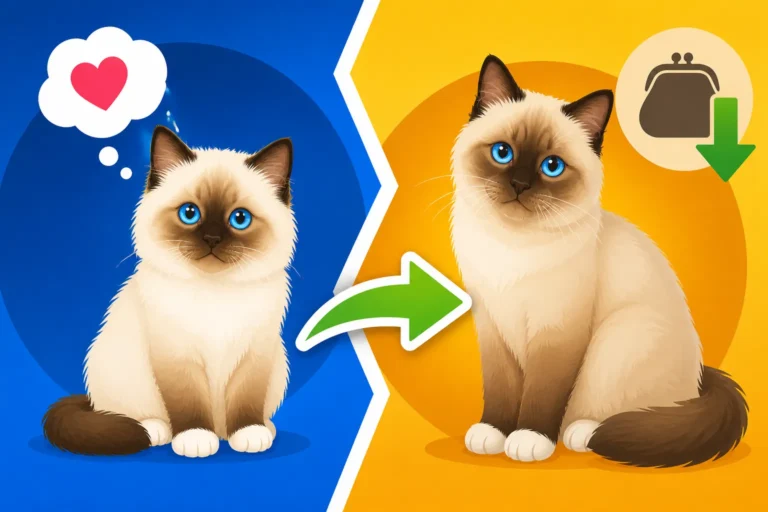
A "pet quality" Birman, on the other hand, is a kitten that may have minor faults in its markings, such as slightly uneven gloves, a small "runner" of white, or less-than-perfect lace length. These kittens are still purebred Birmans, often from the same litters as their show-quality siblings, and possess the same wonderful temperament and health potential. However, because they won't win ribbons in the show ring, their price is significantly lower. This makes them a fantastic option for families who want the beauty and personality of a Birman without the premium associated with show ring perfection. It's a fantastic way for families to welcome a Birman into their home, proving that a loving heart doesn't need perfect gloves. Many breeders will outright state that why a mismarked Birman is a pet price cat.
How Breeders Assign Value to Uneven Gloves
Breeders meticulously evaluate each kitten in a litter, often starting within the first few weeks of life and continuing until they are ready to go to their new homes around 12-16 weeks. They examine the symmetry of the front gloves, the height and shape of the back laces, and the overall clarity of the white markings. A kitten with one front glove a millimeter higher than the other, or a lace that doesn't quite form a perfect inverted V, will immediately be earmarked for a pet home.
The degree of unevenness plays a role, too. A very minor imperfection might mean a kitten is priced at the higher end of the pet-quality range, while more noticeable unevenness might place it at the lower end. Keep in mind that a breeder invests the same amount of time, care, and health testing into every kitten, regardless of its markings. The price difference primarily reflects the cat's adherence to a demanding aesthetic standard, not necessarily its intrinsic value as a companion. You can read more about how a breeder judges a Birman kitten's gloves.
Negotiating for a Birman with Minor Imperfections
While breeders generally have a set price range for their pet-quality kittens, there might be some room for discussion, especially for a kitten with more pronounced cosmetic flaws. However, it’s crucial to approach this respectfully. A responsible breeder has put immense effort into their lines, including extensive health testing and careful rearing. Their prices reflect this dedication. Instead of trying to haggle, focus on understanding what the price includes. This might cover initial vaccinations, microchipping, deworming, a health guarantee, and even a starter supply of food.
A better approach might be to express your genuine interest in the kitten and ask if there are any options for a slightly reduced fee, especially if you are prepared to wait for a kitten with specific, minor imperfections. Sometimes, a breeder might be more flexible if they know the kitten is going to a truly loving and committed home. Remember, the relationship with your breeder is important, and a respectful conversation is always the best route. If you are serious, expect to put down a deposit, as why a Birman deposit is paid before the gloves are final.
Beyond the Initial Price: Long-Term Costs for a Birman with "Pet Quality" Gloves
Bringing a Birman into your life is a long-term commitment, and the initial purchase price is just the beginning. While a "pet quality" Birman might be more affordable upfront, the ongoing costs of care, regardless of glove perfection, are substantial. It’s vital to budget for these expenses to ensure your Birman lives a long, healthy, and happy life.
Ongoing Care Costs: Food, Grooming, and Vet Bills
Every Birman, whether its gloves are perfect or slightly uneven, needs high-quality food, regular grooming, and consistent veterinary care. Premium cat food, especially those formulated for longhaired breeds or with specific health considerations, can be a significant monthly expense. Consider brands like Chewy for a wide selection of quality foods that can be delivered right to your door, making it easier to keep your pantry stocked.
While Birmans have a single, silky coat that mats less than some other longhairs, they still require regular combing a few times a week to prevent tangles and keep their fur in top condition. This means investing in the right tools, like a good quality comb. You might be interested in knowing what a comb for a Birman's silky coat costs.
Routine vet visits for vaccinations, annual check-ups, and preventative care are essential. As Birmans age, they may require more frequent check-ups, blood tests, or dental cleanings. These costs add up, making it clear that what keeping a Birman costs every year is much more than just the purchase price.
The "Pet Quality" Birman's Value to a Family
It's easy to get caught up in the details of breed standards and perfect markings, but for a family, the true value of a Birman lies in its companionship, not its show ring potential. A Birman with slightly uneven gloves is still a Birman through and through: affectionate, gentle, playful, and incredibly beautiful. These cats offer unconditional love, a comforting presence, and endless moments of joy. They integrate seamlessly into family life, often forming deep bonds with their humans and even other pets.
The slight cosmetic imperfections are purely aesthetic and have absolutely no bearing on the cat's health, temperament, or ability to be a cherished family member. In many ways, choosing a pet-quality Birman allows you to enjoy all the wonderful traits of the breed without the added cost premium of show-ring perfection. You're investing in a lifetime of purrs, head-nuzzles, and quiet companionship, which is truly priceless.
Considering Insurance and Wellness Plans
Given the potential for unexpected health issues, particularly in purebred cats, investing in pet insurance or a wellness plan is a smart financial decision for any Birman owner. While Birmans are generally healthy, they can be predisposed to certain genetic conditions, such as Hypertrophic Cardiomyopathy (HCM) or Polycystic Kidney Disease (PKD), though reputable breeders actively screen for these.
Providers like Healthy Paws offer various plans that can help cover the costs of accidents, illnesses, and even some routine care, depending on the policy. Having insurance can provide immense peace of mind, knowing that you won't have to make difficult financial decisions if your beloved Birman faces a serious health challenge. It's crucial to understand what the policy covers; for example, whether a Birman guarantee covers HCM is a very important question to ask. Comparing plans and understanding what they include before a need arises is a responsible step in Birman ownership.
Finding Your Birman: Reputable Breeders and Responsible Ownership
When you’re ready to welcome a Birman into your home, whether it has perfect gloves or slightly uneven ones, finding a reputable breeder is paramount. Their dedication to health, temperament, and ethical practices far outweighs any concern about a kitten's cosmetic markings.
What to Look for in a Breeder (beyond gloves)
A responsible Birman breeder prioritizes the health and well-being of their cats above all else. When you’re looking for a kitten, ask about their health testing protocols. They should be able to provide clear documentation of genetic tests for conditions like FOXN1 (Birman Hypotrichosis) and PKD1 (Polycystic Kidney Disease) for both parent cats. They should also provide proof of regular cardiac ultrasounds (echocardiograms) to screen for HCM in their breeding cats, as HCM in a Birman has no DNA test, only an echo.
Beyond health, observe the environment the kittens are raised in. Are they handled frequently and socialized? Do they appear clean, energetic, and friendly? A good breeder will also ask you many questions, ensuring that their kittens are going to suitable homes. They should also provide a comprehensive contract, a health guarantee, and a clear understanding of what a Birman kitten has had done by thirteen weeks, including vaccinations and microchipping. Beware of breeders who seem more interested in making a quick sale than ensuring a good match. A cheap Birman is usually untested, which can lead to heartbreaking and costly health issues down the line.
Why a Mismarked Birman is Sold on a Neuter Contract
Virtually all Birman kittens sold at a "pet price," especially those with slightly uneven gloves or other minor cosmetic faults, will come with a spay/neuter contract. This means you agree to have your kitten surgically altered by a certain age, often before six to eight months old, and provide proof to the breeder. This practice is standard among responsible breeders and serves several important purposes.
Firstly, it protects the breed standard. Breeders work hard to produce cats that embody the ideal Birman traits, and allowing pet-quality cats to be bred indiscriminately could dilute those efforts. Secondly, it helps prevent accidental or irresponsible breeding, reducing the number of unwanted kittens. Thirdly, it is generally healthier for the cat, preventing certain cancers and behavioral issues. A breeder's primary goal for a pet-quality kitten is that it lives a long, happy life as a beloved family member, not that it contributes to the breeding pool. This is a non-negotiable aspect of purchasing a pet-quality Birman.
The Joy of a Birman, Regardless of Its Gloves
Ultimately, the slight unevenness of a Birman's gloves is a tiny detail when compared to the immense joy and companionship these cats bring. Their striking appearance, coupled with their affectionate and gentle personalities, makes them truly special pets. Whether your Birman has perfectly symmetrical white feet or a unique little splash of white that makes them one-of-a-kind, they will offer the same devotion, quiet purrs, and playful antics.
Many Birman owners find that their cat’s unique markings become part of their individual charm, a story to tell about how their beautiful companion found its way into their lives. The emotional return on investment from a Birman, regardless of its show potential, is immeasurable. Embracing a Birman with minor imperfections means embracing a wonderful cat for all that it is, and that's the most rewarding aspect of responsible pet ownership. For ongoing care needs, especially dietary considerations, choose food that caters to your Birman's specific requirements as they grow and age.
Understanding Birman Pricing: A Summary Table
To help illustrate the different factors that influence a Birman's price, here's a quick overview of how various elements typically affect the cost:
| Factor | Impact on Price (General Shape) | Notes |
|---|---|---|
| Glove Markings | ||
| – Perfect/Show Quality | Highest Price | Symmetrical, clean white gloves and laces meeting breed standard. Reserved for breeding/showing. |
| – Slightly Uneven | Moderate Price (Pet Quality) | Minor asymmetries, slight variations in lace height or shape. Suitable for pet homes, typically with neuter contract. This is what a Birman with slightly uneven gloves sells for. |
| – Mismarked/Heavy Faults | Lower Price (Pet Quality) | More noticeable imperfections like "runners," significant asymmetry, or incorrect lace formation. Still wonderful pets. |
| Breeder Reputation | ||
| – Reputable/Health-Tested | Higher Price | Invests in health testing (HCM, PKD, FOXN1), vet care, socialization, quality food. Provides guarantees. |
| – Untested/Backyard | Significantly Lower, but Risky | May skip health tests, proper vet care, or socialization, leading to potential future health/behavioral issues. Avoid these. |
| Color Point | ||
| – Common (Seal, Blue) | Standard | Most frequently available colors. |
| – Rare (Lilac, Cream, Red, Tortie) | Slightly Higher | Less common colors can sometimes fetch a slightly higher price due to rarity. |
| Breeding Rights | Added Premium (Only for Show Quality) | Significant additional cost, only granted for show-quality cats to approved breeders. |
| Age | ||
| – Kitten (12-16 weeks) | Standard Kitten Price | Most common age for kittens to go to new homes. |
| – Retired Adult/Older Kitten | Often Lower | Retired breeding cats or older kittens still seeking homes may be available at a reduced fee. |
This table illustrates that while glove markings are a primary factor, the overall health and ethical practices of the breeder are even more crucial in determining the true value and long-term well-being of your Birman.
Disclaimer
This article is for general informational purposes only and does not constitute professional advice. Laws, prices and regulations vary by location and change over time. Consult a qualified professional for guidance on your specific situation.