What an Affected Birman Kitten Looks Like at Birth
An affected Birman kitten is born hairless with smooth, oily skin and struggles to maintain body temperature in the nest.
Know what to watch for.
Breed-specific conditions, screening and DNA tests, what surgery actually costs, and the daily habits that stretch a healthy lifespan.
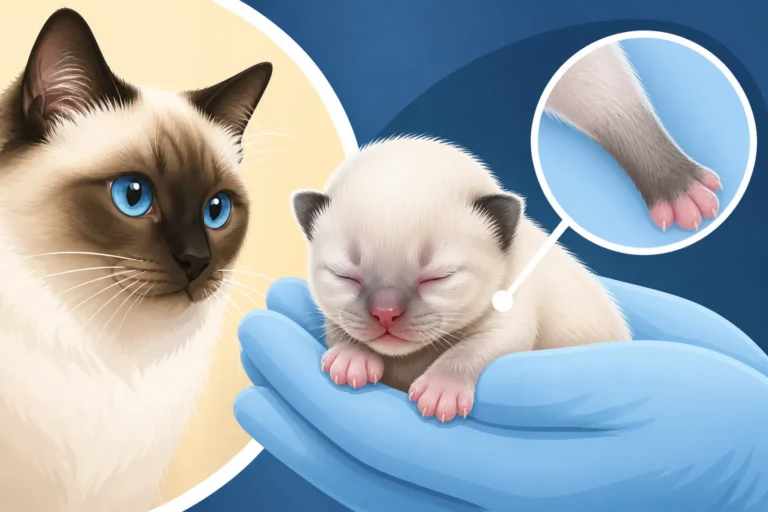
An affected Birman kitten is born hairless with smooth, oily skin and struggles to maintain body temperature in the nest.
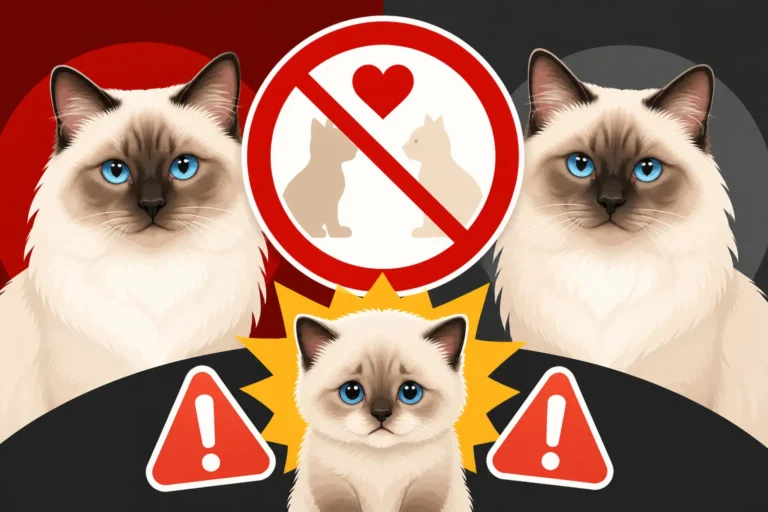
Mating two Birman carriers together passes mutated recessive genes to kittens, risking serious inherited diseases like FOXN1 and PKD1.
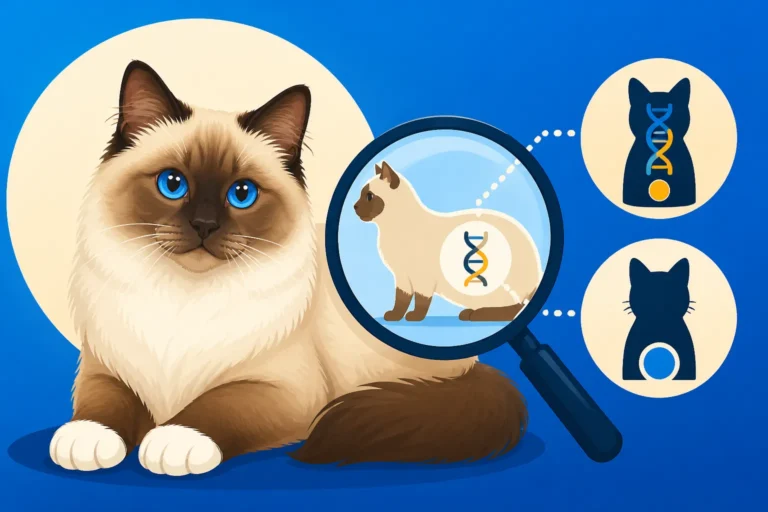
Identification methods for Birman cat carriers explain recessive conditions, FOXN1 gene mutations, and thymic aplasia risks.

Birman hypotrichosis is a severe inherited condition causing baldness and dangerous body temperature struggles in affected kittens.
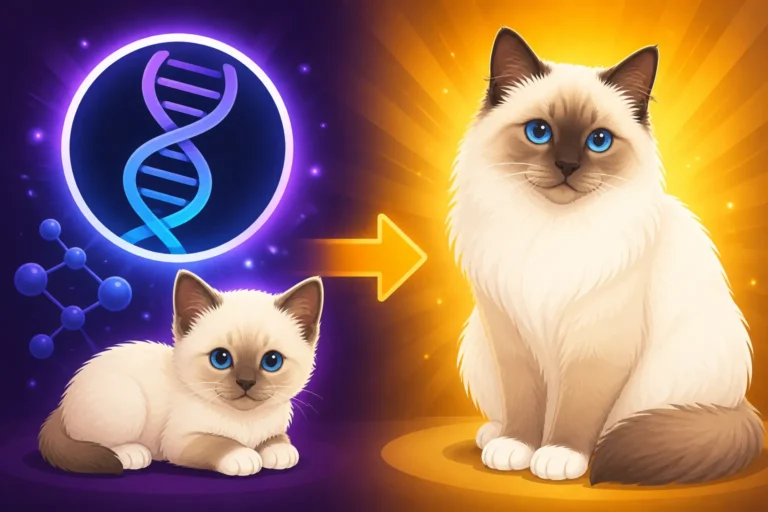
The FOXN1 gene mutation causes Birman hypotrichosis, disrupting the thymus gland and destroying T-cells in affected kittens.
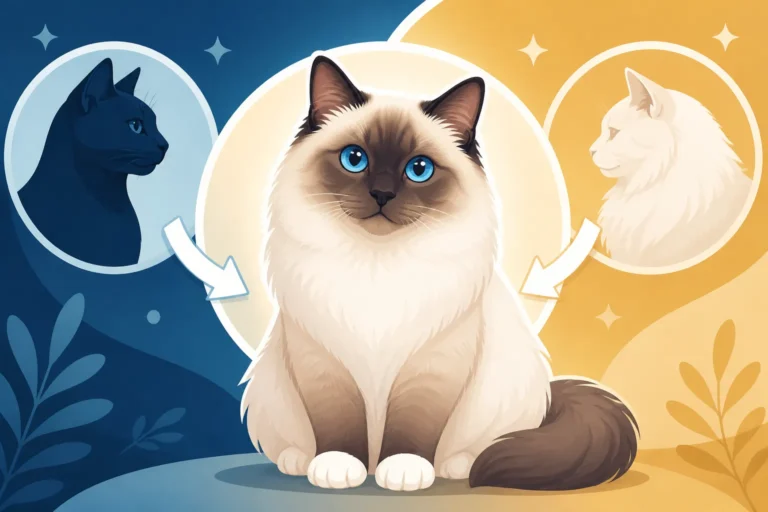
Post-war outcrossing saved the Birman cat breed from extinction, introducing new bloodlines and genetic diversity to ensure survival.
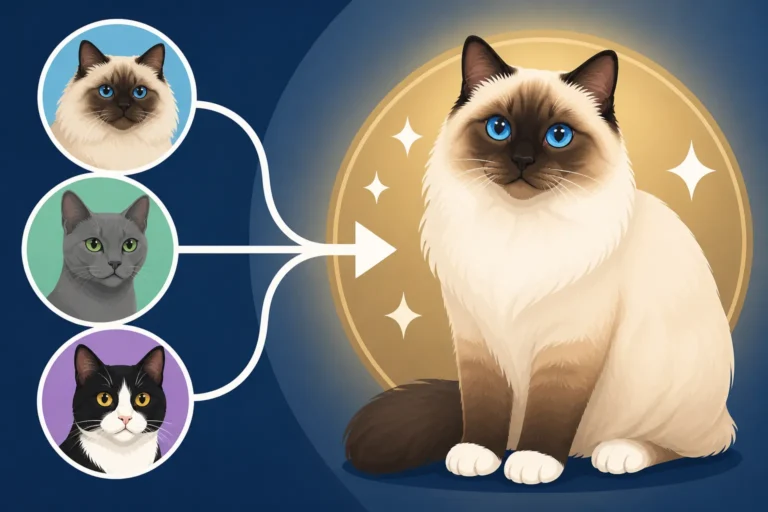
World War II outcrossing saved the Birman cat from extinction when populations dropped to only two remaining individuals.
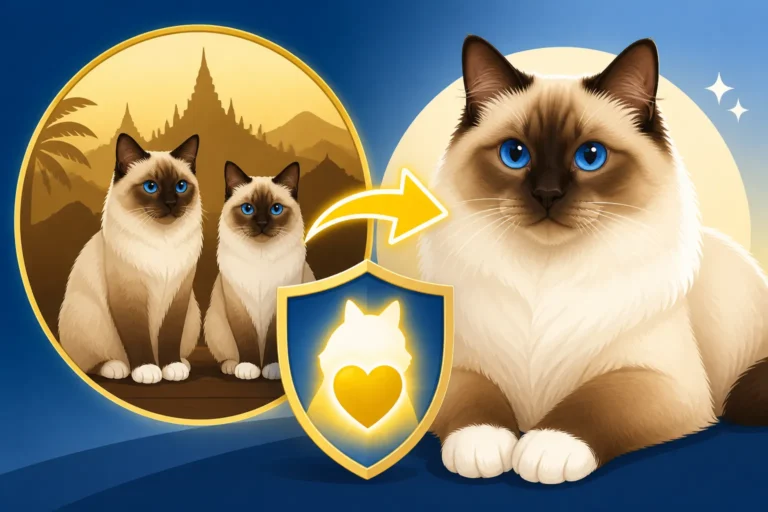
World War II reduced the Birman cat population to two survivors, shaping the genetic health and survival of the breed today.
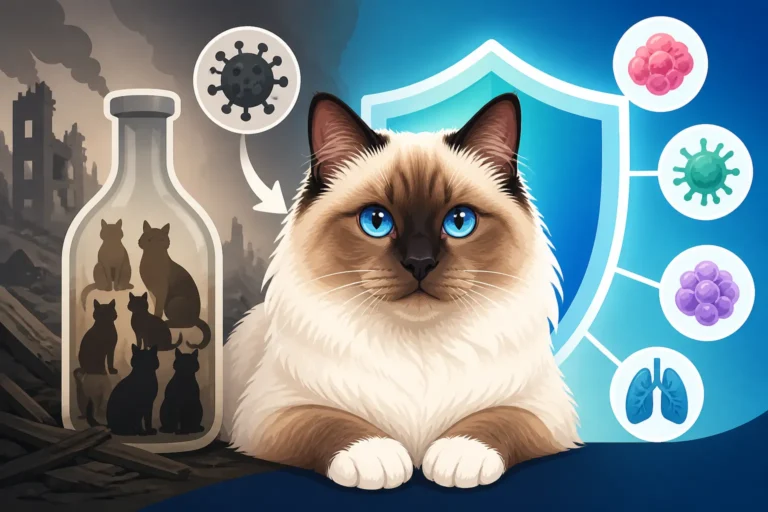
World War II genetic bottlenecks and outcrossing with other longhaired breeds shaped modern Birman cat health issues and survival.
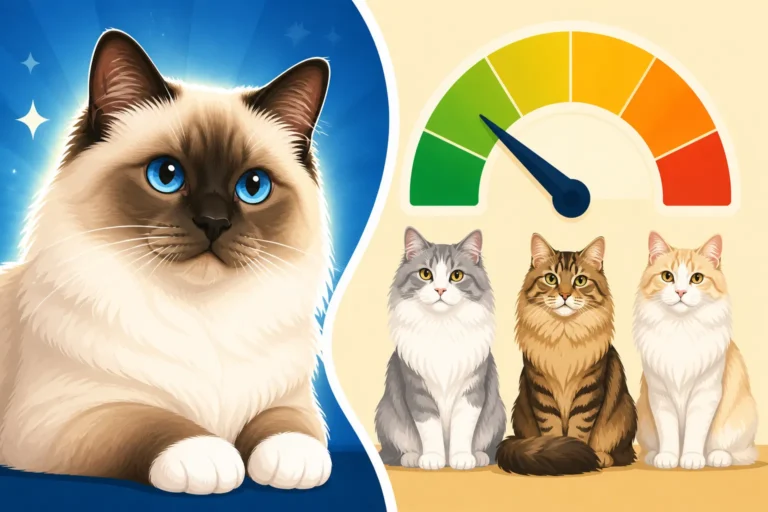
The typical Birman cat lifespan of twelve to sixteen years compared against popular longhaired breeds like the Ragdoll.