Which Breeds Were Crossed In to Save the Birman
Imagine the heartbreaking reality of a beloved cat breed, known for its striking beauty and gentle nature, teetering on the brink of extinction. That's precisely the crisis the Birman cat faced after the tumultuous years of World War II. Its very survival hinged on the difficult, yet crucial, decision to introduce new bloodlines, a process that forever changed its genetic landscape and secured its future. This guide will delve into the specific breeds that played a heroic role in saving the Birman, exploring the 'why' and 'how' of this monumental effort.
The Birman's Near Extinction After World War II
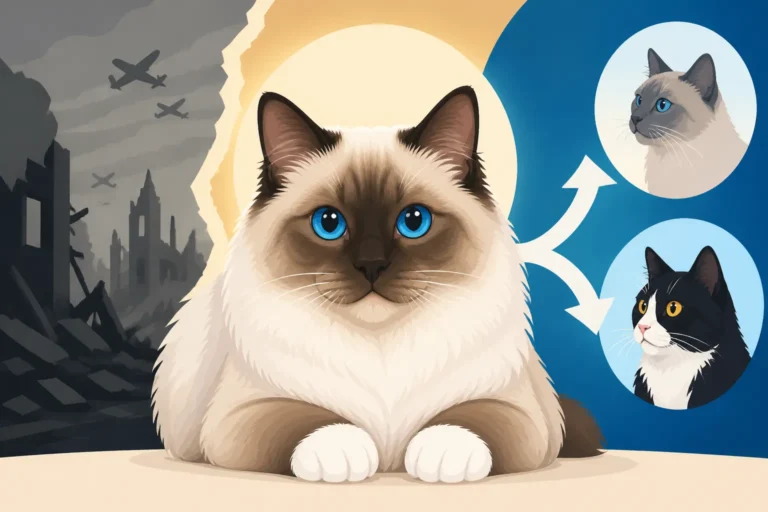
The mid-20th century was a brutal period for many European cat breeds, and the Birman was no exception. The devastation of World War II wasn't just about human loss; it decimated animal populations, disrupted breeding programs, and cut off international transport, leaving many breeds critically endangered. For the Birman, a breed admired for its stunning blue eyes, color points, and characteristic white "gloves," the war brought it perilously close to disappearing forever.
The Devastating Impact of Wartime on Cat Breeds
During the war, luxuries like maintaining pedigreed cat breeding programs became impossible for most. Food shortages meant pet owners struggled to feed themselves, let alone their animals. Many breeders were forced to let their lines die out, sell their cats, or even euthanize them due to economic hardship and lack of resources. Catteries were destroyed, record-keeping ceased, and the coordinated efforts that keep a breed healthy and thriving simply dissolved under the immense pressure of global conflict. It was a dark time when the focus was entirely on human survival, pushing the fate of entire animal lineages to the wayside. The intricate networks of breeders across Europe, which had been carefully established before the war to manage and improve the Birman breed, were completely shattered.
The Scarcity: Down to Just Two Remaining Birmans
The rumors are true, and the history is a stark reminder of how fragile a breed's existence can be. By the end of World War II, the Birman population in Europe, the primary hub for the breed's development outside of its mythical origins, had been reduced to an alarming minimum. It's widely reported that only two registered Birmans remained to carry on the entire breed's genetics: a male named Orloff de Kaabaa and a female named Xenia de Kaabaa. Can you even imagine the pressure on those two cats, and more importantly, on the dedicated breeders who recognized the enormity of the task ahead? This drastic reduction to such a small founder base meant that the genetic diversity was incredibly narrow, a situation that posed significant health risks and threatened to solidify genetic weaknesses for generations to come. The question wasn't just about finding mates; it was about finding suitable mates to ensure a viable future. You can read more about Which Two Cats Every Birman Descends From.
The Imperative for Outcrossing: Why Other Breeds Were Needed
With only two cats left, the idea of exclusively breeding them would have led to severe inbreeding depression, manifesting in weak immune systems, reduced fertility, and a host of other genetic problems. It was a hard choice, one that breeders probably agonized over, but it was absolutely essential. To save the Birman, new blood had to be introduced from other breeds.
Expanding a Severely Restricted Gene Pool
A gene pool as shallow as two individuals is a genetic disaster waiting to happen. Continued breeding within such a tiny pool would inevitably lead to an increase in undesirable recessive traits becoming fixed in the population, and a drastic decrease in overall genetic health. Think about it: if Orloff and Xenia carried any hidden genetic predispositions to illness, these would become rampant in their offspring. The goal of outcrossing was to introduce new, healthy genetic material, widening that pool and bringing in much-needed vigor. This wasn't about changing the Birman's core identity, but about injecting enough genetic diversity to allow future generations to thrive without succumbing to the consequences of extreme inbreeding. It was a strategic move to ensure the breed’s long-term health and resilience, a critical step to avoid What a Narrow Founder Base Left in the Birman.
Re-establishing Breed Characteristics and Vigor
Beyond just genetic health, there was the practical concern of maintaining and re-establishing the Birman's distinctive physical traits. With so few individuals, certain characteristics might have been diluted or even lost. Outcrossing allowed breeders to select for specific traits from other breeds that closely resembled the desired Birman standard, or at least provided a foundation upon which those traits could be rebuilt. This included everything from coat length and texture to head shape and, crucially, the color point pattern and the unique white 'gloves'. The aim was to ensure that the cats resulting from these crosses could eventually be bred back to the original Birman "type," recreating the majestic appearance that had been so admired before the war. The vigor brought in by fresh blood also meant stronger, healthier kittens with better survival rates, a vital consideration when every new birth was precious. This decision highlights Why Post War Outcrossing Was Unavoidable for the Birman.
The Key Breeds That Contributed to the Birman's Revival
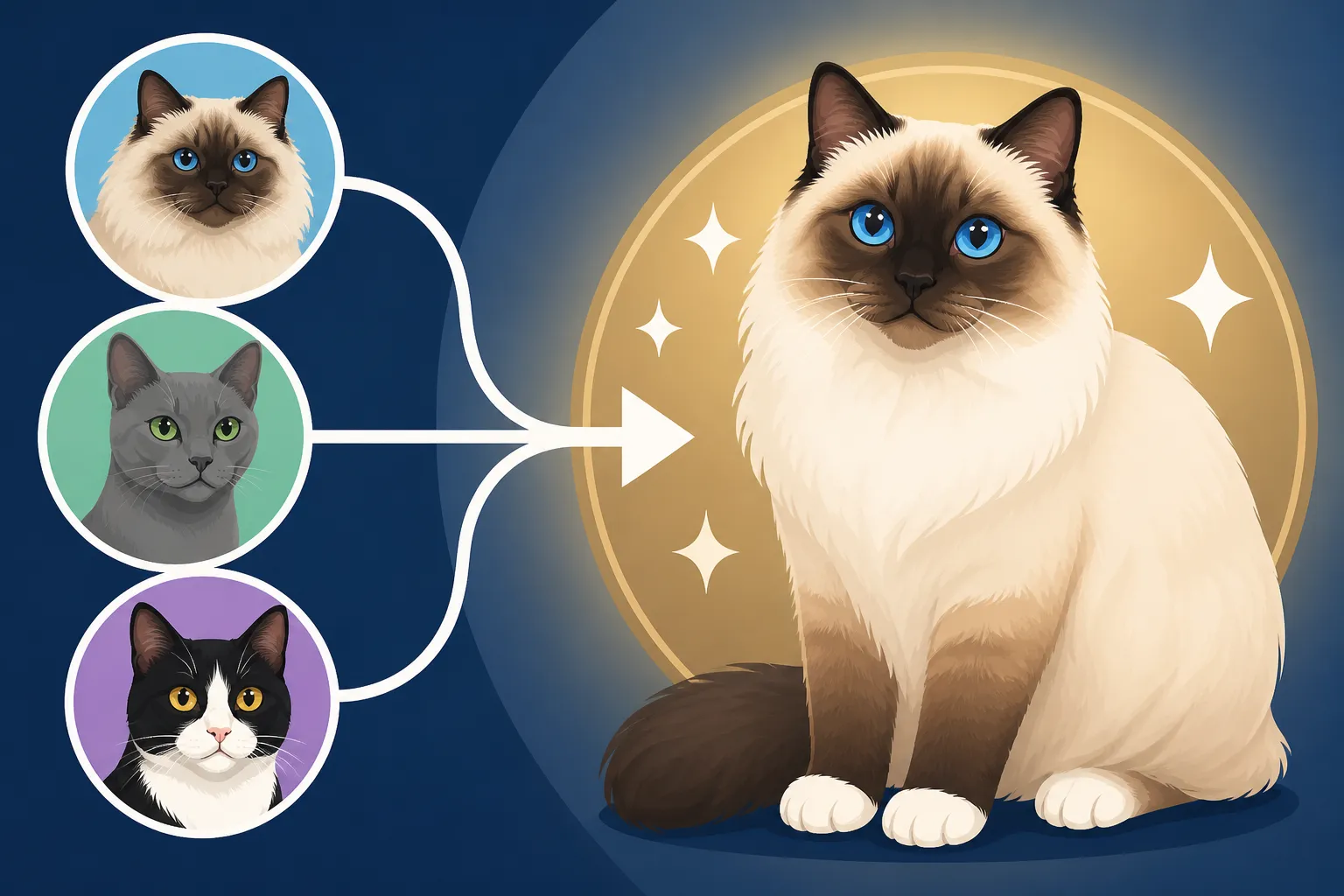
So, which breeds stepped up to the plate to help save the Birman? The choices were deliberate, made to introduce compatible traits while minimizing the introduction of undesirable ones. The two primary breeds used were the Persian and the Siamese, though other longhaired cats may have played minor roles.
The Role of the Persian Cat
The Persian cat was a natural choice for several reasons, primarily its long, luxurious coat. Birmans are known for their semi-long, silky fur, and the Persian offered a robust genetic source for this characteristic. While a Birman's coat doesn't have the dense undercoat of a Persian, the gene for long hair was crucial. Persian cats also share a similar placid, gentle temperament, which breeders were keen to preserve in the Birman.
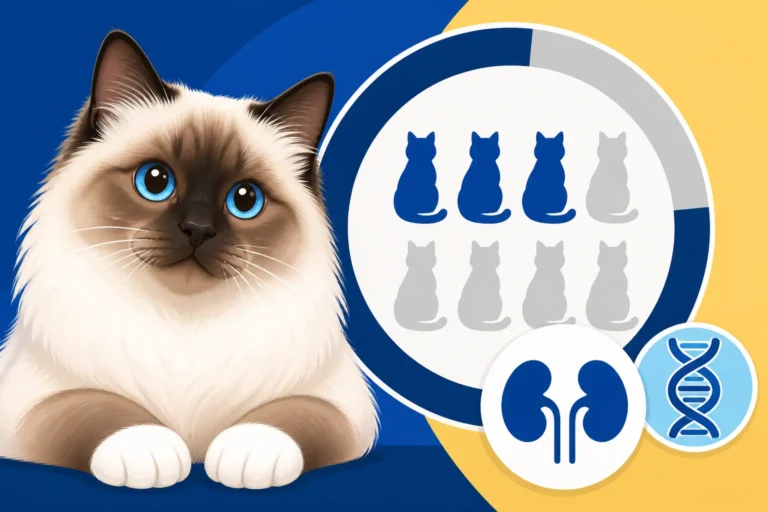
However, the Persian brought with it some traits that breeders had to carefully work out of the Birman line. Persians are known for their brachycephalic (flat-faced) skull structure, which is not part of the Birman standard. Breeders had to meticulously select offspring that maintained the Birman's more traditional, Roman-nosed profile. The Persian also carried the gene for Polycystic Kidney Disease (PKD1), which subsequently became a concern for Birman breeders. Thanks to modern DNA testing, this is now a manageable issue, and many breeders ensure their cats are clear, but it's a direct legacy of the outcrossing. Despite these challenges, the Persian's contribution was invaluable in restoring the Birman's majestic appearance and its calm demeanor. This infusion of new genetics explains What Persian Blood Brought Into the Birman.
The Influence of the Siamese Cat
The Siamese cat, with its striking color point genetics, also played a crucial role. Birmans are a color-pointed breed, meaning their extremities (face, ears, paws, tail) are darker than their body. The Siamese is the quintessential pointed breed, and introducing its genes ensured the perpetuation of this distinctive pattern. The Siamese also brought a leaner, more elegant body type, which helped to balance some of the cobby influence from the Persian, contributing to the Birman's long, rectangular frame.
However, the Siamese also introduced traits that required careful breeding to temper. The most notable is the characteristic Siamese vocalization – their loud, often insistent meow. The Birman is known for its soft, trilling voice, and breeders worked diligently to select for cats with quieter temperaments. Siamese cats also have a more athletic and energetic personality, which needed to be harmonized with the Birman's calm and laid-back nature. The intense blue eye color of the Siamese was, of course, a welcome addition, reinforcing one of the Birman's most captivating features. The combination of these two breeds effectively positioned The Birman Sits Between the Siamese and the Persian, bridging their looks and temperaments.
Other Potential Contributors and Their Subtle Marks
While the Persian and Siamese are the most documented and widely acknowledged contributors to the Birman's post-war revival, it's possible that other longhaired breeds, or even unregistered domestic longhairs with suitable traits, were utilized, especially in the very early, desperate stages. Record-keeping was difficult during and immediately after the war, and some crosses might not have been formally recorded or widely publicized.
For instance, some believe that breeds like the Turkish Angora or various European longhairs could have been used to further broaden the genetic base, particularly to enhance coat quality or introduce additional vigor. These contributions, if they occurred, would likely have been minor and quickly bred out over subsequent generations to ensure a return to the strict Birman standard. Their impact would have been subtle, perhaps in reinforcing certain desired physical attributes or contributing to the overall hardiness of the early litters. The crucial takeaway is that the goal was always to return to the unique Birman type, using these other breeds as temporary, life-saving bridges rather than permanent changes to the breed's identity.
Navigating the Challenges and Benefits of Outcrossing
Outcrossing is a delicate balancing act. While it was essential for the Birman's survival, it presented breeders with a complex set of challenges. They had to carefully select which traits to preserve, which to dilute, and how to gradually breed back to the established Birman standard.
Reintroducing Desirable Traits While Mitigating Risks
The biggest challenge was selecting for the desired Birman traits—like the silky, non-matting coat, the distinctive white gloves, and the gentle temperament—while simultaneously working to eliminate undesirable characteristics brought in by the outcross breeds. For example, the Persian's flat face needed to be corrected towards the Birman's Roman nose, and the Siamese's loud voice needed to be softened. This wasn't a quick fix; it required generations of careful, selective breeding. Breeders had to be incredibly knowledgeable about feline genetics and have a very clear vision of the ideal Birman.
Moreover, outcrossing always runs the risk of introducing new health issues or masking existing ones. While some genetic issues might have been diluted, others could have been inadvertently brought in. This is why ongoing health screening and rigorous breeding practices are so vital. Reputable breeders today still conduct comprehensive health tests, including DNA panels for known genetic conditions, and regular vet check-ups. Cat insurance providers like Healthy Paws offer plans that can help manage the costs associated with inherited conditions that might surface, giving peace of mind to owners navigating a breed with such a complex genetic history.
The Gradual Process of Breeding Back to Type
Re-establishing the Birman "type" was a painstaking, multi-generational effort. The initial crosses would have produced cats that looked quite different from the pre-war Birmans, often displaying a mix of traits from the parent breeds. These first-generation crosses were then bred back to the few remaining pure Birmans (Orloff and Xenia, or their immediate offspring). This process, known as "backcrossing," continued for several generations, steadily increasing the percentage of Birman genes while carefully selecting individuals that most closely matched the breed standard.
Each generation involved rigorous assessment of kittens for conformation, coat quality, eye color, and the development of the characteristic white gloves and laces. Breeders documented everything, sharing knowledge and working together across catteries to ensure consistency. It was a true labor of love and dedication, demonstrating an unwavering commitment to the breed's future. It wasn't until the mid-1960s that the Birman was once again widely recognized by major cat registries like the CFA in the United States, a testament to the success of this monumental rebuilding effort.
The Enduring Legacy of Outcrossing on Modern Birmans
The outcrossing program undoubtedly saved the Birman breed, and its effects are still observable in the breed today. It wasn't just about survival; it was about laying the groundwork for a healthier, more robust future.
Genetic Diversity and Health Benefits
The primary benefit of the post-war outcrossing was a much-needed injection of genetic diversity. This broader genetic base helped to mitigate some of the risks of extreme inbreeding, potentially reducing the prevalence of certain genetic defects and strengthening the overall immune system of the breed. While some diseases, like PKD (which came from the Persian lineage), did enter the Birman gene pool, the overall vitality of the breed was significantly improved. Modern breeders continue to champion genetic testing and responsible breeding practices, ensuring that this hard-won diversity is maintained. For instance, testing for FOXN1 (Birman Hypotrichosis) and HCM (Hypertrophic Cardiomyopathy) is standard practice, allowing breeders to make informed decisions and prevent the spread of genetic illnesses. Keeping up with these screenings is crucial, and having a reliable pet insurance policy from a company like Healthy Paws can be a tremendous help with ongoing veterinary costs.
Here's a simplified look at the contributions:
| Feature/Trait | Pre-War Birman Ideal | Persian Contribution | Siamese Contribution | Result in Modern Birman |
|---|---|---|---|---|
| Coat Length/Texture | Semi-long, silky | Long hair genes, density | Shorter hair genes | Semi-long, silky, no dense undercoat |
| Color Points | Darker extremities | Color point gene (via Himalayan) | Strong color point expression | Distinctive mask, ears, legs, tail |
| White Gloves/Laces | Unique Birman marking | No direct contribution | No direct contribution | Preserved unique Birman characteristic |
| Head Shape | Roman nose | Tendency towards brachycephalic | Tendency towards wedge | Balanced, medium-length muzzle, gentle Roman nose |
| Body Type | Long, rectangular | Cobby, heavy bone | Lean, svelte | Sturdy, muscular, long rectangular frame |
| Temperament | Gentle, placid | Calm, quiet | Vocal, active | Gentle, placid, companionable, quiet trill |
| Eye Color | Deep blue | Blue eyes (via color point) | Intense blue eyes | Striking, deep sapphire blue eyes |
| Genetic Health Risks | Unknown/Limited | PKD1 (Polycystic Kidney Disease) | Blood Type B (risk of NI) | Monitored for PKD1, HCM, FOXN1, and blood typing |
This table illustrates the careful selection process over generations to achieve the modern Birman.
Maintaining the Iconic Birman Look and Temperament
Today's Birman cats embody the successful culmination of those post-war breeding efforts. They possess the quintessential Birman characteristics that endeared them to enthusiasts before the war: the captivating blue eyes, the contrasting color points, the unique white gloves on their paws, and that wonderfully silky coat. Crucially, they also retain the gentle, affectionate, and relatively quiet temperament that makes them such beloved companions. You might notice they're still not as vocal as a Siamese, preferring a soft trill to a loud meow.
Breed standards are meticulously maintained by organizations like The International Cat Association (TICA) and the Cat Fanciers' Association (CFA) to ensure that Birmans continue to adhere to the ideal "type." This includes careful attention to the specific patterns of their white gloves and laces, which are a hallmark of the breed and often a point of pride for breeders. While the journey was fraught with challenges, the decision to outcross ultimately preserved this magnificent breed, allowing us to enjoy the beautiful and devoted Birmans we know today. It's a living testament to resilience and dedicated stewardship, and it serves as a powerful reminder of how far we've come in understanding feline genetics and health, a journey that responsible pet owners continue with comprehensive care plans and even a good pet insurance policy from a provider like Healthy Paws.
Disclaimer
This article provides general information and is not a substitute for professional veterinary advice. Always consult with a qualified veterinarian for any health concerns or before making any decisions about your pet's health or treatment.