What FOXN1 Does to a Birman Kitten
Discovering that a beautiful Birman kitten, meant to bring joy and companionship into your home, is suffering from a devastating genetic condition like FOXN1 is a heartbreaking reality no cat owner or breeder ever wants to face. This comprehensive guide aims to shed light on what FOXN1, also known as Birman Hypotrichosis, entails, from its genetic roots to its severe impact on a kitten's health, helping you understand this rare but critical issue.
The Genetic Basis of Birman Hypotrichosis and FOXN1
When we talk about genetic diseases in pedigree cats, it's often a complex topic, but understanding the basics of FOXN1 is crucial for any Birman enthusiast or potential owner. This condition is a stark reminder of the importance of responsible breeding practices and genetic testing. It's a particularly cruel disease because it affects kittens at their most vulnerable stage, often before they even have a chance to truly thrive.
Unpacking the FOXN1 Gene and Its Role
The term FOXN1 refers to the Forkhead Box N1 gene, which plays a critical role in the development of the immune system and skin. Specifically, it's essential for the formation and function of the thymus gland, a small organ located in the chest that's absolutely vital for producing T-cells. These T-cells are the warriors of the immune system, responsible for fighting off infections and diseases. When this gene is defective or missing, as is the case with the FOXN1 deletion in Birmans, the consequences are profound. It's a recessive genetic trait, meaning a kitten must inherit two copies of the defective gene — one from each parent — to be affected. If a kitten only inherits one copy, it becomes a carrier, perfectly healthy itself but capable of passing the gene on. This is a classic example of why genetic transparency from breeders is so paramount. You might have heard it referred to as "Birman Hypotrichosis" or "short life expectancy," which sadly, is an accurate description of the outcome for affected kittens.
How the FOXN1 Deletion Reaches a Birman Litter
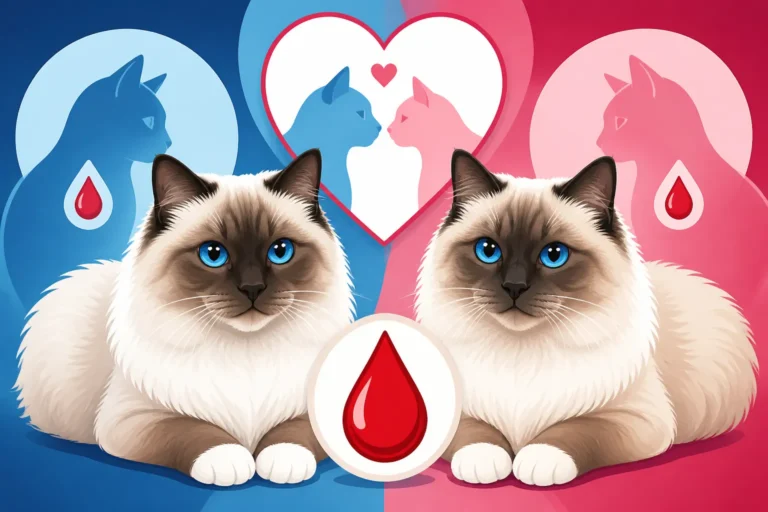
The journey of the FOXN1 deletion into a Birman litter is a story of recessive inheritance. Imagine two healthy Birman parents, each carrying one copy of the faulty FOXN1 gene. They show no signs of illness themselves; they might be active, playful, and appear in perfect health. They are, what we call, carriers. When these two carriers are bred together, there's a 25% chance with each kitten born that it will inherit two copies of the faulty gene, making it "affected." There's also a 50% chance it will be a healthy carrier, just like its parents, and a 25% chance it will inherit two healthy genes, meaning it's completely clear and won't pass the gene on. This genetic roulette is why understanding Why Two Birman Carriers Should Never Be Mated is so fundamental for ethical breeders. Without prior genetic testing, a breeder might unknowingly pair two carriers, leading to the devastating birth of affected kittens. This scenario highlights the silent threat that carrier animals can pose to a breed's health if not properly managed through screening.
Understanding Carrier Status in Birman Cats
Being a carrier for FOXN1 means a Birman cat has one normal copy of the FOXN1 gene and one mutated copy. As mentioned, these cats are clinically healthy; they don't develop the condition themselves. Their immune systems are robust, their coats are full, and they live normal, happy lives. However, they are still a crucial part of the genetic picture. A carrier can pass on the mutated gene to approximately half of its offspring. This is why a simple cheek swab can be so powerful, allowing a breeder to confirm How a Birman Carrier Is Identified. Knowing the carrier status of breeding cats is the cornerstone of preventing affected kittens. Responsible breeders will always test their breeding stock and make informed decisions, ensuring that no two carriers are ever mated. This proactive approach safeguards the health of future generations and prevents the immense suffering associated with FOXN1.
Identifying an Affected Birman Kitten at Birth
One of the most distressing aspects of FOXN1 is that its signs become apparent very early in a kitten's life, often right from birth. This isn't a condition that creeps up over months or years; it's visible, and heartbreakingly, undeniable, almost immediately. Pet owners and even some less experienced breeders might initially mistake some of these symptoms for other issues, but the progression quickly clarifies the dire situation.
What a Hairless Birman Kitten's Skin Looks Like
A Birman kitten affected by FOXN1 is typically born with a very sparse coat or can even be completely hairless, hence the term "hypotrichosis." Unlike a healthy Birman kitten, which starts out with soft, downy fur, an affected kitten's skin might be noticeably visible. Instead of the plush, silky coat typical of the breed, you'd see pink, delicate skin where fur should be. This isn't just about aesthetics; this lack of protective fur leaves them extremely vulnerable to environmental factors like temperature fluctuations and minor abrasions. Their skin often feels abnormally fragile to the touch, and you might see signs of irritation or dryness much more easily than on a fur-covered kitten. It's a stark contrast to their healthy littermates, who begin to develop their characteristic points and grow into their beautiful coats. This is one of the clearest initial indicators of What an Affected Birman Kitten Looks Like at Birth.
Why an Affected Birman Kitten's Skin Looks Greasy
Beyond the lack of hair, the skin of an affected Birman kitten often takes on a distinct greasy or oily appearance. This isn't due to poor hygiene, but rather a result of the genetic defect's broader impact on skin development and function. Without a proper coat to help distribute natural oils and provide protection, the sebaceous glands in the skin can overproduce, leading to a build-up of sebum. This excess oil can make their delicate skin look shiny, feel slick, and sometimes even have a slightly yellowish tint. This greasy film isn't just cosmetic; it creates a perfect breeding ground for bacteria and yeast, making the kitten even more susceptible to skin infections. You might notice their skin feels slightly tacky, and in some cases, a faint odor can accompany this greasiness, adding another layer of challenge to their already compromised state.
How Thin an Affected Birman Kitten's Coat Stays
Even if an affected Birman kitten isn't completely bald at birth, any fur it does have will remain exceptionally thin and fragile. It won't develop the lush, flowing single coat that Birmans are so famous for. Instead, the hair might be downy, patchy, or simply never grow beyond a very fine fuzz. It lacks the density and resilience to offer any real insulation or protection. This means these kittens struggle to regulate their body temperature, making them prone to chills even in a warm nursery. The sparse coat might also break easily or fall out, leading to further bald spots. This persistent thinness isn,t just a cosmetic issue; it's a constant battle against heat loss and a sign of the deeper developmental problems caused by the FOXN1 mutation, leaving them exposed and vulnerable.
The Critical Impact on the Immune System
While the visible lack of fur is a striking symptom of FOXN1, the truly life-threatening aspect of the condition lies hidden beneath the surface: a severely compromised immune system. This internal battle is what ultimately dictates the grim prognosis for these kittens, making them defenseless against even common pathogens. It’s a tragedy that unfolds rapidly and mercilessly.
The Missing Thymus Gland and Immune Deficiency
At the heart of the immune system failure in FOXN1-affected Birman kittens is a condition called thymic aplasia. The FOXN1 gene is absolutely critical for the proper development of the thymus gland, an organ that acts as a "training ground" for T-lymphocytes, or T-cells. These T-cells are a specific type of white blood cell that forms a crucial part of the adaptive immune system, responsible for recognizing and destroying invading pathogens like viruses, bacteria, and even cancer cells. In kittens with FOXN1, the thymus gland is either severely underdeveloped or completely absent. Without a functional thymus, the body cannot produce mature, effective T-cells. This leaves the kitten with a primary immunodeficiency, essentially lacking a fundamental component of its defense mechanism. It's like sending a soldier into battle without any weapons or training – utterly unprepared for the fight. This profound deficiency means their bodies simply cannot mount an adequate immune response to even the most minor environmental threats, setting the stage for devastating infections.
Why a Missing Thymus Leaves a Birman Defenseless
To say a Birman kitten with thymic aplasia is defenseless is not an exaggeration. Think of how often healthy kittens encounter bacteria, viruses, and fungi in their everyday environment – from their mother's milk, to the litter box, to simple dust. A healthy immune system easily fends off these constant assaults. However, for a FOXN1-affected kitten, every exposure becomes a life-threatening event. Their body has no way to identify and neutralize these threats. Common infections that a normal kitten would shake off in a day or two become overwhelming, systemic illnesses. Their little bodies simply don't have the cellular machinery to produce antibodies effectively or initiate a targeted attack. This systemic vulnerability means even things like a minor cut or a common cold can quickly escalate into a fatal infection. This is the tragic core of Why a Missing Thymus Leaves a Birman Defenseless.
Which Infections Kill an Affected Birman Kitten
Given their extreme immunodeficiency, affected Birman kittens succumb to a wide array of infections, often rapidly. Respiratory infections, caused by common viruses or bacteria, can quickly progress to severe pneumonia because their lungs lack the T-cells to fight off the pathogens. Gastrointestinal infections, leading to severe diarrhea and dehydration, are also common and incredibly difficult to manage. Their fragile skin, already exposed due to hypotrichosis, becomes an open invitation for bacterial and fungal skin infections that healthy cats would never contract. Even common, otherwise harmless environmental bacteria can invade their bloodstream, leading to sepsis. These kittens might struggle with persistent eye infections, ear infections, and oral infections. Essentially, any opportunistic pathogen they encounter can become deadly. These aren't exotic or rare diseases; they are the everyday microbes that a normal kitten's robust immune system handles without a second thought, but which are lethal for a kitten compromised by FOXN1. This relentless barrage of illness is why Why a Bald Birman Kitten Catches Every Infection leads to such a poor prognosis.
Prognosis and Ethical Considerations for Affected Kittens
The diagnosis of FOXN1 in a Birman kitten carries with it a gravely serious prognosis. While every effort can be made to support these fragile lives, the underlying immune deficiency is so profound that survival beyond a few short months is exceedingly rare. This reality brings forth difficult, but necessary, ethical discussions for breeders and veterinarians alike.
How Many Months an Affected Birman Kitten Survives
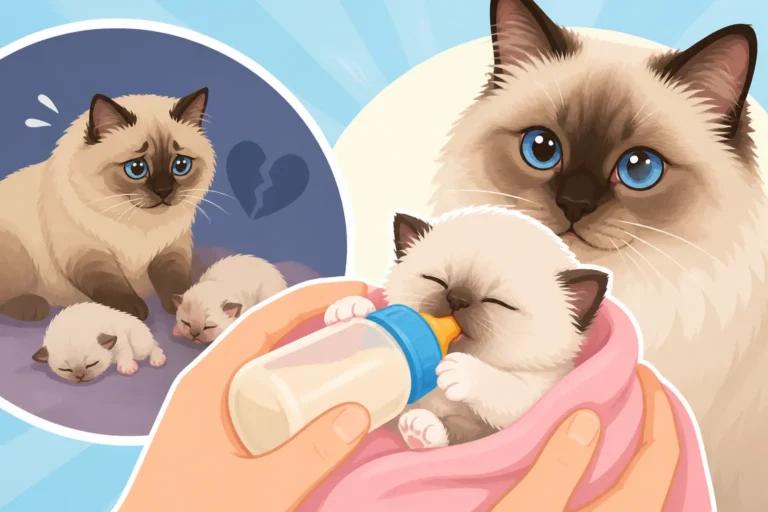
The harsh reality for a Birman kitten diagnosed with FOXN1 is that its lifespan is tragically short. Due to the severe immunodeficiency caused by the missing or underdeveloped thymus, these kittens are unable to fight off infections. While intensive supportive care, including antibiotics, antifungals, and a sterile environment, might extend their lives for a very brief period, it’s rarely a path to sustained health. Most affected kittens typically do not survive past a few weeks or months. They often succumb to overwhelming infections, or the cumulative toll of chronic illness, failure to thrive, and inability to gain weight. There are very few documented cases, if any, of a FOXN1-affected Birman kitten living beyond eight months, and usually, the quality of life during that period is severely compromised. This tragic outcome is why understanding How Many Months an Affected Birman Kitten Survives is so important for breeders.
Why an Affected Birman Kitten Is Usually Put to Sleep
Faced with a kitten suffering from FOXN1, the most humane decision often becomes euthanasia. This is an agonizing choice for any breeder or compassionate caretaker, but it's made recognizing the immense and continuous suffering the kitten endures. The constant battle against infections, the inability to thrive, the pain and discomfort, and the complete lack of a normal quality of life makes continued existence a prolonged agony. Veterinary professionals often advise this difficult path because there is currently no cure for thymic aplasia or the associated immunodeficiency. Despite all medical efforts, the kitten's immune system cannot develop, meaning it will always be vulnerable and in distress. Making the decision to humanely end suffering is an act of profound compassion, ensuring the kitten does not endure a future filled with pain and illness. It's a testament to the difficult ethical considerations that arise when dealing with such severe genetic conditions.
How Rare Birman Hypotrichosis Actually Is
Despite the devastating nature of FOXN1, it is thankfully considered a rare condition within the Birman breed. This rarity is largely due to the diligence and responsible practices of many breeders who actively test their breeding stock for the FOXN1 gene. Organizations like the Cat Fanciers' Association (CFA) or The International Cat Association (TICA) don't have explicit mandatory testing requirements for all genetic conditions, but ethical breeders understand the importance of screening. The low incidence rate is a direct reflection of breeders prioritizing the health and well-being of their cats by identifying carriers and avoiding high-risk matings. While it doesn't diminish the tragedy for those few kittens affected, it does highlight the success of genetic screening programs in minimizing the prevalence of such severe hereditary diseases. This rare occurrence underscores the positive impact that responsible breeding has on the overall health of the Birman gene pool.
Responsible Breeding and Prevention Strategies
The good news amidst the somber reality of FOXN1 is that it is entirely preventable through responsible breeding practices. Knowledge, genetic testing, and ethical decision-making are the cornerstones of ensuring no more Birman kittens suffer from this devastating condition. This proactive approach not only protects individual kittens but also strengthens the health of the entire breed.
The Importance of Genetic Testing for FOXN1
Genetic testing is the single most powerful tool available to breeders to prevent FOXN1. A simple, non-invasive cheek swab can be sent to a specialized veterinary genetic laboratory. This test identifies whether a cat is clear (meaning it has two healthy copies of the gene), a carrier (one healthy, one mutated copy), or affected (two mutated copies, though affected cats rarely live long enough to be tested as adults). Understanding a cat's genetic status allows breeders to make informed mating decisions. For example, if a cat tests as a carrier, it should only be bred with a cat that is known to be clear. This pairing ensures that no affected kittens will be born, though approximately half of the litter would still be carriers. Many reputable labs, such as those that might also handle screenings for other conditions, can run these tests. This critical information ensures that breeders never unknowingly produce a kitten destined for a short, suffering life. Pet insurance providers, like Healthy Paws, often encourage and sometimes even offer coverage for diagnostic testing, which can sometimes extend to these kinds of genetic screenings for breeders, recognizing the value in preventing inherited diseases.
Why Two Birman Carriers Should Never Be Mated
This cannot be stressed enough: two Birman carriers should never be mated. While both cats appear perfectly healthy, their pairing carries a 25% risk with every kitten that it will inherit two copies of the defective FOXN1 gene and be born affected. This is a gamble with a kitten's life, and it's completely avoidable. Responsible breeders use genetic testing to identify carriers and then plan matings carefully. If a breeder has a valuable carrier cat, perhaps one with excellent conformation or temperament, they can still breed it, but only with a cat that has tested clear for FOXN1. This strategy ensures that while some offspring might still be carriers, no kitten will ever be affected. It's a fundamental principle of ethical breeding to eliminate the possibility of producing genetically diseased offspring, prioritizing welfare above all else. This proactive decision is crucial for protecting the breed's future and upholding the commitment to healthy, happy Birman kittens.
The Role of Registries and Breeder Ethics
While major cat registries like the Cat Fanciers' Association (CFA) or The International Cat Association (TICA) provide standards and registration for Birman cats, mandatory genetic testing for FOXN1 isn't universally enforced across all registries or jurisdictions. This places a significant ethical responsibility directly on breeders. Reputable breeders voluntarily embrace genetic testing as a core component of their breeding program. They understand that their commitment extends beyond simply producing beautiful kittens; it encompasses ensuring the health and longevity of the breed.
A table comparing outcomes of different mating pairs:
| Parent 1 FOXN1 Status | Parent 2 FOXN1 Status | Probability of Clear Offspring | Probability of Carrier Offspring | Probability of Affected Offspring | Breeding Recommendation |
|---|---|---|---|---|---|
| Clear | Clear | 100% | 0% | 0% | Recommended |
| Clear | Carrier | 50% | 50% | 0% | Recommended (with testing) |
| Carrier | Carrier | 25% | 50% | 25% | Avoid |
| Clear | Affected | 100% | 0% | 0% | Not applicable (Affected rarely breed) |
| Carrier | Affected | 0% | 50% | 50% | Avoid |
Ethical breeders are transparent about their cats' health testing, providing proof of FOXN1 clearance for their breeding cats. They will readily discuss their breeding practices and may even include genetic health guarantees in their contracts. It's also vital for prospective kitten owners to ask direct questions about genetic testing for both parents. Asking about these health certifications is as important as inquiring about a kitten's socialization or vaccination history. A breeder's willingness to openly share Which Results a Birman Breeder Must Put in Writing and discuss their genetic screening protocols is a strong indicator of their dedication to the breed's health. While insurance plans like those offered by Healthy Paws can help cover unexpected vet bills for pets, preventing these genetic conditions through responsible breeding is the first and best line of defense. This commitment to transparency and health is what preserves the future of the Birman cat, ensuring that families welcome healthy, happy kittens into their homes.
Disclaimer
This article is intended for informational purposes only and does not constitute veterinary advice. Always consult with a qualified veterinarian for any health concerns or before making any decisions about your pet's care.