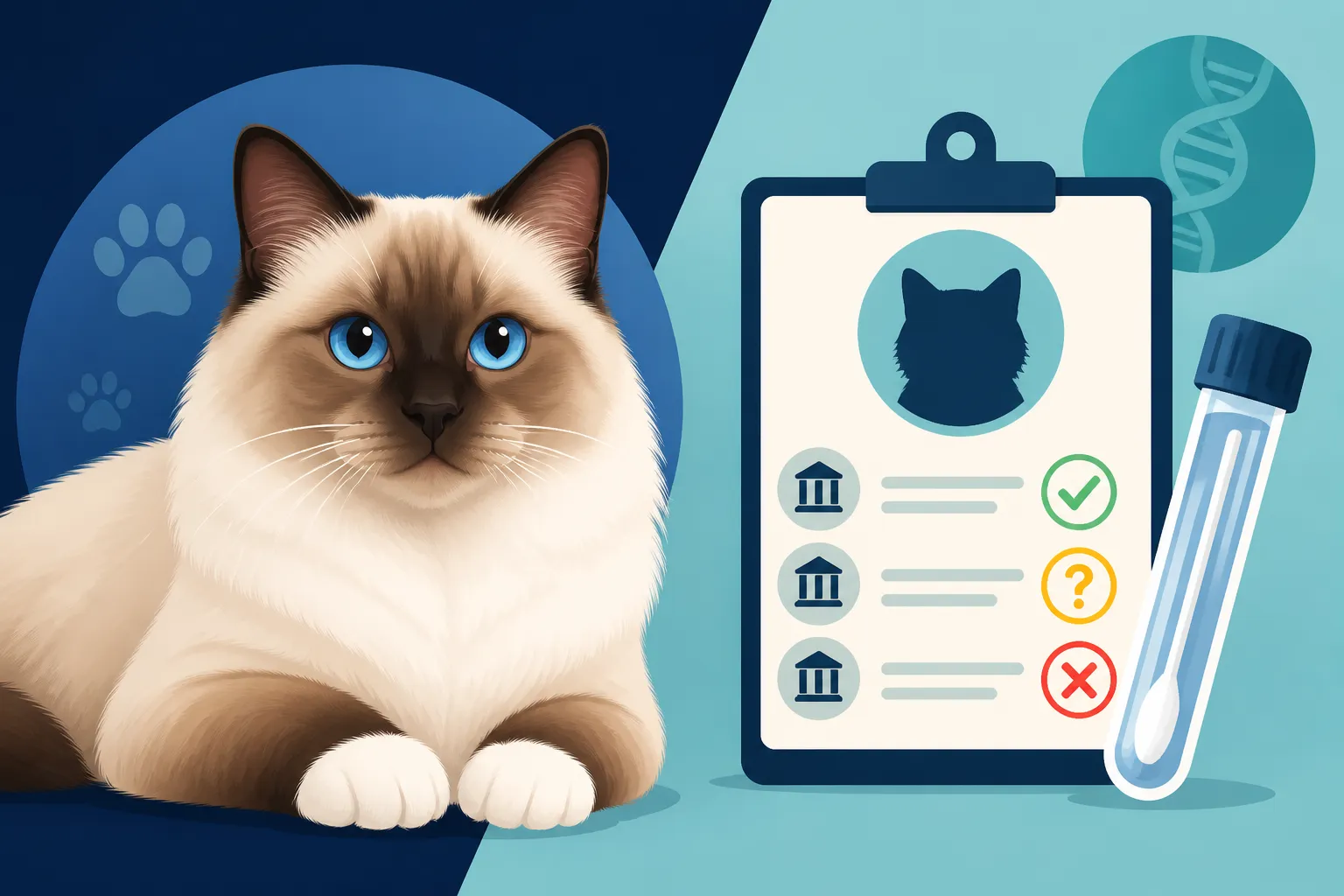
Whether Any Registry Requires the Birman FOXN1 Test
One of the most worrying things as a Birman cat owner or a prospective owner is the uncertainty surrounding inherited health conditions. You want to do everything you can to ensure your beloved feline friend lives a long, healthy life, and understanding genetic tests like the one for FOXN1 can feel like navigating a maze. This guide is here to clarify which, if any, cat registries mandate FOXN1 testing for Birman cats, empowering you with the knowledge to make informed decisions for your furry companion.
Understanding FOXN1 in Birman Cats
The Birman breed, like many purebreds, has a unique genetic makeup that, while contributing to its stunning appearance and placid temperament, also makes it susceptible to certain inherited conditions. One such condition, particularly devastating, is related to the FOXN1 gene.
What is FOXN1 and its Impact on Birman Health?
FOXN1 stands for Forkhead box protein N1, and it plays a critical role in the development of the thymus gland. The thymus is a vital organ in kittens, responsible for the maturation of T-cells, which are a cornerstone of the immune system. When a Birman kitten inherits two copies of the mutated FOXN1 gene (meaning it is homozygous recessive), its thymus gland fails to develop properly. This condition is known as thymic aplasia or Birman hypotrichosis.
Kittens born with thymic aplasia are often easily identifiable because they are born with little to no hair, giving them a distinctive "bald" appearance. But the lack of hair is merely a visible symptom of a far more serious internal problem. Without a functioning thymus, these kittens cannot produce effective T-cells, leaving them with severely compromised immune systems. They are, tragically, defenseless against common infections that a healthy kitten would easily shake off. This is why a Birman kitten born bald will not reach eight months; their fragile immune system simply cannot cope, leading to a very short and often distressing life. This condition truly highlights that FOXN1 is the Birman's own genetic disease, specific and devastating to the breed.
The Genetics Behind FOXN1 and Carrier Status
The FOXN1 mutation in Birmans is inherited in an autosomal recessive manner. This means a kitten must inherit two copies of the defective gene—one from each parent—to be affected by thymic aplasia.
- Clear: A cat with two normal copies of the gene is "clear." It will not develop the disease and cannot pass the defective gene to its offspring.
- Carrier: A cat with one normal copy and one defective copy is a "carrier." Carriers are completely healthy and show no symptoms of the disease themselves because the single healthy gene copy is sufficient for normal thymus development. However, a carrier can pass the defective gene to approximately half of its offspring. Understanding how a Birman carrier is identified is crucial for responsible breeding, typically through a simple DNA test.
- Affected: A cat with two defective copies of the gene is "affected." As discussed, these kittens develop thymic aplasia, are born bald, and usually succumb to infections at a very young age. What FOXN1 does to a Birman kitten is heartbreaking and entirely preventable through selective breeding.
The danger arises when two carriers are bred together. In such a pairing, statistically, 25% of the kittens will be clear, 50% will be carriers, and 25% will be tragically affected. This is why identifying carriers is so vital to preventing this devastating condition from appearing in litters.
Why Testing for FOXN1 is So Crucial for Birman Breeders
For responsible Birman breeders, genetic testing for FOXN1 isn't just a recommendation; it's an ethical imperative. The goal of any reputable breeder is to produce healthy, robust kittens that will live long, happy lives in their new homes. Allowing affected kittens to be born, even accidentally, is devastating for the kittens themselves, their new families, and the breeder.
By routinely testing all breeding stock for the FOXN1 gene, breeders can confidently identify clear cats and carriers. This knowledge allows them to make informed decisions about breeding pairs. For example, a known carrier can still be responsibly bred, but only to a clear cat. This ensures that no affected kittens will be produced, though some offspring may still be carriers. Over time, through careful selection and testing, breeders can work to eliminate the defective gene from their lines entirely, contributing to the overall health and genetic integrity of the Birman breed.
The proactive approach of testing helps safeguard the breed's future, ensuring that the beautiful Birman cats we cherish today continue to thrive for generations to come. It’s an investment in health that pays dividends in peace of mind for both breeders and eventual owners.
Registry Requirements and Recommendations for FOXN1 Testing
The question of whether specific registries require FOXN1 testing for Birmans is a common one, and the answer isn't always a simple yes or no. The landscape of genetic testing requirements varies significantly between different feline registries.
The Landscape of Mandatory vs. Voluntary Genetic Testing
Generally, cat registries aim to preserve and promote the health and integrity of the breeds they oversee. However, their approach to genetic testing can differ. Some registries might have strict mandatory testing protocols for specific diseases known to affect a breed, especially if the disease is widespread or particularly severe. Others might take a more advisory role, recommending certain tests but leaving the final decision and responsibility to the individual breeder.
The difference often comes down to the prevalence and impact of the disease, the availability and reliability of a genetic test, and the registry's overall philosophy regarding intervention in breeding practices. For conditions like FOXN1 in Birmans, which are severe but thankfully often rare due to responsible breeding efforts, registries tend to lean towards strong recommendations rather than outright mandates, trusting breeders to act ethically.
Specific Registries and their Stance on Birman FOXN1 Testing
When we look at major cat registries, their policies on FOXN1 testing for Birmans generally fall into the "recommended" category rather than "mandatory."
- Cat Fanciers' Association (CFA): As one of the largest registries in the United States, CFA strongly encourages genetic testing for known inherited diseases in all breeds. For Birmans, while they emphasize responsible breeding practices, they do not currently mandate FOXN1 testing for registration purposes. They provide educational resources and support breeders who engage in such testing.
- The International Cat Association (TICA): TICA also advocates for responsible breeding and genetic health screening. Similar to CFA, TICA does not have a mandatory requirement for FOXN1 testing to register a Birman cat. However, they highly recommend that breeders screen their cats for all known genetic conditions affecting the breed, including FOXN1, and use these results to inform their breeding decisions.
- Fédération Internationale Féline (FIFe): This international organization, prominent in Europe, also prioritizes genetic health. FIFe does not explicitly require FOXN1 testing for Birmans for registration. However, they expect their affiliated clubs and breeders to adhere to high ethical standards, which includes being aware of and testing for inherited diseases like FOXN1. Many FIFe-affiliated breeders will test voluntarily and often publish their results.
- Governing Council of the Cat Fancy (GCCF) – UK: In the UK, GCCF is another major registry. While they have health schemes and recommendations for various breeds, a mandatory FOXN1 test for all Birmans isn't currently a hard requirement for registration. They rely heavily on breeder education and the ethical practices of their registered catteries to manage genetic diseases.
In summary, as of current information, no major cat registry mandates FOXN1 testing for Birmans as a prerequisite for registration. Instead, they strongly recommend it, placing the onus on breeders to uphold the health standards of the breed through voluntary testing and transparent practices.
The Importance of Breeder Transparency, Even Without Mandatory Registry Rules
Given that registries largely rely on recommendations rather than mandates for FOXN1 testing, breeder transparency becomes paramount. As a prospective kitten owner, you have every right to ask for proof of genetic testing. A responsible breeder will not only perform these tests but will also be eager to share the results with you. This shows their commitment to the health of their cats and the integrity of the breed.
When you're looking for a Birman kitten, it's absolutely essential to inquire about the genetic testing of both parents. Ask to see certificates for FOXN1, and also for other relevant health screenings like HCM (Hypertrophic Cardiomyopathy) and PKD (Polycystic Kidney Disease). A breeder who freely provides documentation, explains what the results mean, and discusses their breeding philosophy is a trustworthy one. This open communication is part of why a Birman breeder publishes echo results and other health clearances.
You might even find that some breeders go above and beyond, participating in voluntary health programs or publicly listing their cats' health clearances on their websites or through databases. This level of transparency is a clear indicator of a dedicated and ethical breeder, committed to eradicating genetic diseases from their lines, even when no registry explicitly requires it. The willingness to provide which results a Birman breeder must put in writing is a strong sign of a good ethical breeder.
Practicalities of FOXN1 Testing for Birman Owners and Breeders
Navigating the world of genetic testing might seem daunting at first, but for FOXN1 in Birmans, the process is straightforward and incredibly impactful.
How the FOXN1 Test is Performed and What the Results Mean
The good news is that testing a Birman for the FOXN1 gene is simple, non-invasive, and highly accurate. The most common method involves a buccal swab, which is essentially a cheek swab. Your veterinarian or breeder will gently collect cells from the inside of your cat's mouth using a sterile brush. This sample is then sent to a specialized veterinary genetic testing laboratory. Which lab runs the Birman FOXN1 test can vary by region, but reputable labs like Orivet, Langford Vets, or UC Davis often process such tests.
Once the lab analyzes the DNA from the swab, you'll receive a report detailing your cat's FOXN1 status:
- N/N (Clear): This means your Birman has two normal copies of the FOXN1 gene. They are not affected and cannot pass the mutated gene to their offspring.
- N/A (Carrier): This indicates your Birman has one normal copy and one mutated copy of the FOXN1 gene. As discussed, they are healthy themselves but can pass the mutated gene to their kittens. Knowing how to read a Birman's carrier result is crucial for making informed breeding choices.
- A/A (Affected): This means your Birman has two mutated copies of the FOXN1 gene and will be affected by thymic aplasia. This result is devastating but, fortunately, very rare due to responsible breeding practices.
A simple cheek swab clears a Birman for FOXN1, making this vital test easily accessible and a routine part of responsible breeding and pet ownership.
Integrating FOXN1 Testing into a Comprehensive Health Strategy
While FOXN1 is a critical concern, it's just one piece of the puzzle in ensuring your Birman's overall health. A truly comprehensive health strategy for Birmans involves a panel of tests and regular veterinary care.
- DNA Tests: Beyond FOXN1, many breeders also test for Polycystic Kidney Disease (PKD1), particularly since Persian lines were used in the Birman's rebuilding after WWII, and PKD is prevalent in Persians. That's why a Birman breeder still tests for PKD.
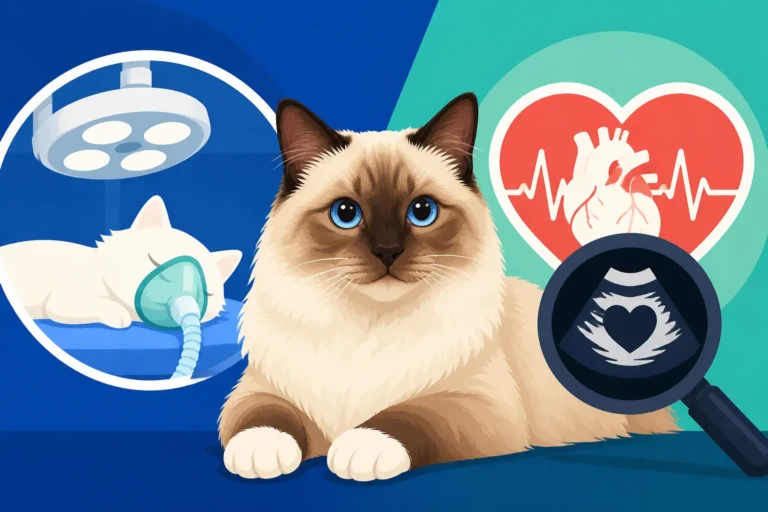
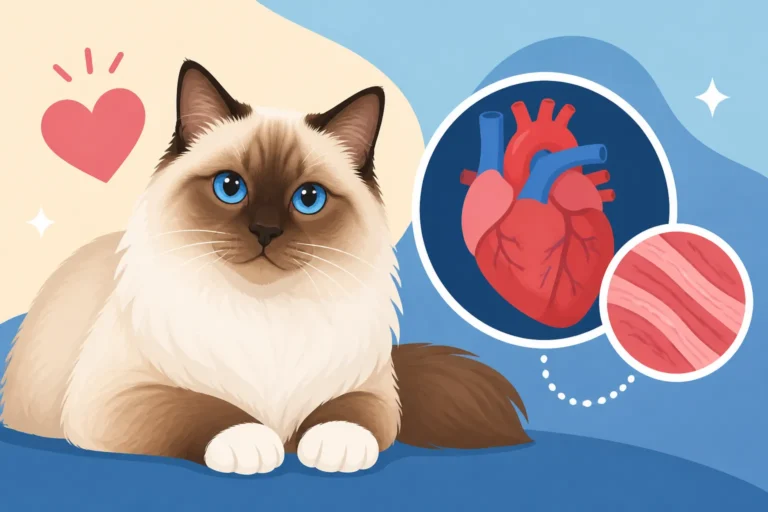
- Cardiac Screening: Hypertrophic Cardiomyopathy (HCM) is another significant concern in many cat breeds, including Birmans. While there isn't a DNA test for HCM in Birmans, regular echocardiograms (heart ultrasounds) are vital for breeding cats to monitor heart health.
- Blood Typing: For breeding queens and studs, knowing their blood type is crucial to prevent Neonatal Isoerythrolysis, a potentially fatal condition for kittens.
By asking for a comprehensive health panel, you can gain a clearer picture of your kitten's genetic predispositions. This proactive approach allows breeders to select healthier lines and gives pet owners peace of mind. Which tests belong on a Birman panel might include these, alongside general wellness exams.
The Long-Term Benefits of Genetic Screening for the Breed
The commitment to genetic screening, even for conditions that are not mandated by registries, has profound long-term benefits for the entire Birman breed. By identifying and carefully managing carrier cats, breeders can gradually reduce the prevalence of debilitating genetic diseases like thymic aplasia. This means fewer heartbroken owners, fewer suffering kittens, and a stronger, healthier gene pool for Birmans worldwide.
Moreover, genetic screening contributes to the breed's reputation. When prospective owners know they can find a Birman kitten from lines tested clear of significant genetic diseases, it enhances trust and confidence in the breed. It also contributes to the longevity of individual cats. For example, knowing a cat's genetic predispositions can sometimes help veterinarians tailor preventative care, or alert owners to conditions that may emerge later in life. Thinking about the future, having a cat from healthy, screened lines can also impact the cost of pet insurance. Providers like Healthy Paws often consider an animal's known health history, and while genetic issues can be excluded if present before policy inception, a healthy background can lead to better coverage options and fewer exclusions.
Ultimately, investing in genetic screening is an investment in the health, well-being, and future of the Sacred Cat of Burma. It ensures that the unique charm and gentle nature of Birmans continue to bring joy to families for many years to come, building on the knowledge we gain from understanding their genetic blueprint.
Here's a quick overview of how some major registries approach FOXN1 testing for Birman cats:
| Registry Name | FOXN1 Testing Requirement for Birman | Notes |
|---|---|---|
| Cat Fanciers' Association (CFA) | Recommended (not mandatory) | Encourages breeders to test and use results in breeding decisions. |
| The International Cat Association (TICA) | Recommended (not mandatory) | Highly recommends screening for known genetic conditions. |
| Fédération Internationale Féline (FIFe) | Recommended (not mandatory) | Expects ethical breeding practices, including awareness and testing. |
| Governing Council of the Cat Fancy (GCCF) | Recommended (not mandatory) | Relies on breeder education and ethical conduct for genetic health. |
Disclaimer
The information provided in this article is for general educational purposes only and should not be considered a substitute for professional veterinary advice. Always consult with a qualified veterinarian regarding your Birman cat's health, genetic testing, and breeding decisions. Genetic testing protocols and registry requirements can change, so it's always best to verify the most current information directly with your chosen registry and veterinarian.