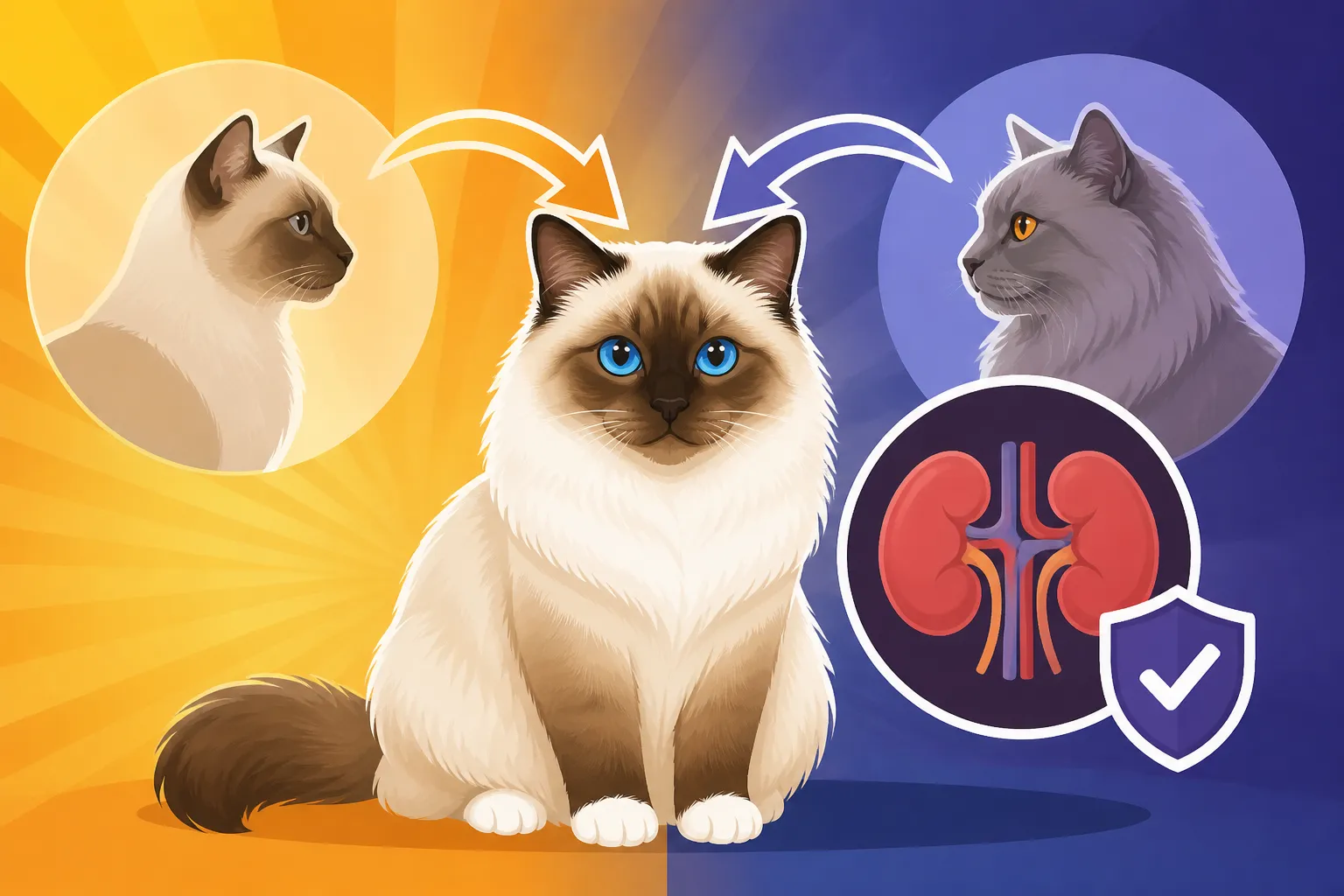
Why the Persian Outcross Left PKD in the Birman
It's incredibly disheartening when you fall in love with a specific cat breed, like our beloved Birmans, only to discover they carry a predisposition to serious health conditions. We dedicate ourselves to finding healthy kittens, doing all our research, but sometimes the past genetic history of a breed, specifically crucial moments like post-war outcrossing, can leave a lasting, unwelcome legacy. This guide will walk you through why Polycystic Kidney Disease (PKD) became a concern for Birmans, tracing it back to the critical Persian outcrosses that saved the breed, but also introduced this challenge.
Understanding Polycystic Kidney Disease in Cats
Polycystic Kidney Disease, or PKD, is a genetic disorder that many cat owners, especially those with certain breeds, dread. It’s a condition characterized by the formation of multiple fluid-filled cysts within the kidneys. These aren't just a few isolated pockets; they can range in size from tiny pinpricks to quite large structures, gradually increasing in number and size over time. As these cysts proliferate, they begin to take over healthy kidney tissue, eventually leading to impaired kidney function and, tragically, kidney failure. It’s a slow, insidious process that often doesn't show outward signs until the disease is quite advanced, which makes it all the more heartbreaking for owners.
Imagine the kidneys, vital organs responsible for filtering waste from the blood and maintaining fluid balance, slowly being crowded out by these non-functional cysts. In the early stages, your Birman might seem completely normal. They’ll be playing, eating, and purring like any happy cat. However, inside, those cysts are quietly growing. As the disease progresses, owners might start noticing subtle changes: increased thirst, more frequent urination, a slight decrease in appetite, or a dullness in their normally vibrant coat. These are often dismissed as signs of aging or minor ailments until a vet visit reveals the grim truth through diagnostic imaging or blood tests. The hereditary nature of PKD means that if a cat inherits the affected gene, they will develop the cysts, though the severity and speed of progression can vary. This isn't something that can be prevented through diet or lifestyle choices alone; it's hardwired into their DNA.
The Birman's Post-War Genetic Bottleneck and Outcrossing Needs
To truly grasp why PKD became part of the Birman story, we need to take a step back in time, specifically to the turbulent years following World War II. The Birman breed, like so many others, faced an existential crisis during the war. Imagine a world where your beloved breed, painstakingly developed and cherished, was almost wiped out. This was the reality for Birmans; the breed came out of the war with two cats left. Can you even fathom the pressure on breeders at that time? There was a desperate need to rebuild the population, to bring the breed back from the brink of extinction. This meant that the gene pool was incredibly narrow, leading to severe inbreeding risks and a lack of genetic diversity that could further jeopardize their future.
In this critical period, desperate measures were absolutely necessary to save the Birman. Breeders had no choice but to engage in what's known as "outcrossing." This meant introducing cats from other breeds into the Birman lines to widen the gene pool and prevent further genetic degradation. It was a calculated risk, a gamble to ensure the breed's survival. Different longhaired breeds were carefully selected for these outcrosses, chosen for their temperament, conformation, and, hopefully, their health. The aim was to infuse new genetic material, restore vigor, and allow the Birman to eventually breed true again. However, this process, while essential for the breed's very existence, also opened the door to the introduction of genetic traits that weren't originally part of the Birman's heritage – both good and bad. It was a lifeline, but one that came with its own set of potential long-term consequences, some of which we are still addressing today. You can read more about Which Breeds Were Crossed In to Save the Birman.
How the Persian Contribution Introduced PKD
Among the breeds chosen for outcrossing during the Birman's post-war reconstruction, the Persian cat played a significant role. Persians were admired for their long, luxurious coats and placid temperaments, qualities that breeders hoped to reinforce or reintroduce into the dwindling Birman population. They were a natural choice for introducing genetic diversity. However, unbeknownst to breeders at the time, or perhaps without the ability to adequately test, the Persian breed carried a significant genetic flaw: the PKD1 gene mutation, which is responsible for Polycystic Kidney Disease.
When these Persian cats were integrated into the Birman breeding programs, the PKD1 gene came along for the ride. It's a dominant gene, meaning a cat only needs to inherit one copy from either parent to develop the disease. While the outcrossing successfully broadened the Birman gene pool and helped save the breed from extinction, what the outcrossing brought into the Birman was this unfortunate genetic predisposition. Over successive generations, as breeders worked to solidify the Birman type and eliminate the more overt Persian characteristics, the PKD gene silently spread through the population. For many years, breeders wouldn't have known about the genetic link, only seeing cats develop kidney issues later in life, attributing it to aging or other factors. It’s a classic example of how genetic history can subtly shape a breed's future health challenges, even when intentions are nothing but good. It highlights the complex interplay of necessity, unintended consequences, and the slow march of scientific discovery in understanding breed-specific health.
Managing PKD Risk in Modern Birman Lines
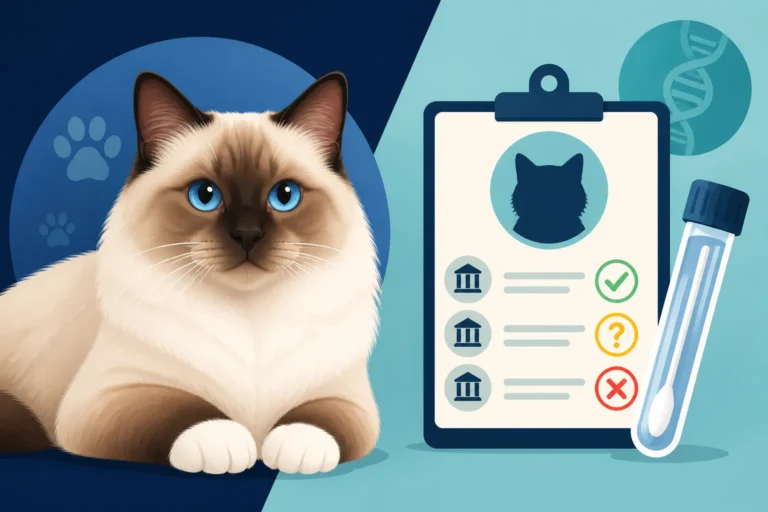
Thankfully, the landscape for managing PKD in Birmans has dramatically improved. Modern genetic testing, specifically the PKD1 test, has become a game-changer for responsible breeders. We can now definitively identify whether a Birman carries the mutated gene, is clear of it, or is affected. This clarity is invaluable. Breeders committed to the health of their lines rigorously test all breeding cats before they are introduced into a program. The goal is to ensure that no cat carrying the PKD1 gene is ever bred, thereby slowly but surely eradicating the disease from the Birman population. This proactive approach helps protect future generations of kittens from inheriting this painful condition. For anyone looking to bring a Birman into their home, it’s absolutely vital to ask to see the PKD test results for both parents. A reputable breeder will have this documentation readily available and be proud to share it, as it demonstrates their commitment to health. You can learn more about Why a Birman Breeder Still Tests for PKD.
For those who already have a Birman, or if you're adopting a rescue where the genetic history might be unknown, there are still ways to monitor for PKD. While genetic testing confirms the presence of the gene, ultrasound scans can identify the actual cysts in the kidneys. These scans can often detect cysts even before clinical signs appear, giving you and your vet a head start on management. If cysts are found, your veterinarian will work with you to develop a management plan aimed at supporting kidney function and slowing the progression of the disease. This might include dietary changes, often to a prescription kidney diet, increased water intake (fountains can be helpful here!), and regular monitoring of blood and urine values. While there's no cure for PKD, early detection and diligent management can significantly improve the quality of life and longevity for a Birman with the condition. Companies like Healthy Paws offer pet insurance plans that can help cover the costs associated with managing chronic conditions like PKD, which can provide immense peace of mind. Keeping up with regular vet check-ups is paramount, especially as your Birman ages, as kidney health is a common concern across many breeds.
The Role of Responsible Breeding and Screening
Responsible breeding is the cornerstone of protecting the Birman breed from genetic diseases like PKD. Today's ethical breeders understand the critical importance of genetic screening, not just for PKD but for other conditions prevalent in the breed. They invest in comprehensive health panels for their breeding cats, using DNA tests to confirm genetic status for PKD1 and other known issues. This isn't just a suggestion; it's an imperative. By only breeding cats that are clear of the PKD1 gene, they prevent the inheritance of this disease entirely. This careful selection ensures that every kitten born has the best possible start to a long and healthy life, free from the burden of polycystic kidneys. A good breeder will be transparent about their testing protocols and will provide copies of test results for both parents, often verified through a reputable laboratory.
Furthermore, responsible breeders are not just concerned with immediate health; they're thinking about the long-term vitality of the breed. They maintain detailed records and collaborate with other breeders to share information, contributing to a broader understanding of genetic health within the Birman community. When looking for a kitten, ask not only about the parents' PKD status but also about the history of PKD in their broader lineage. This deep dive into pedigree helps assess the overall genetic health commitment of a cattery. For example, if you're considering a kitten, a breeder should be able to tell you How the PKD1 Test Clears a Birman and show you the documentation. Pet insurance providers, like Healthy Paws, often encourage and sometimes offer benefits related to responsible breeding practices, recognizing the value of preventative health measures. Their commitment to covering hereditary conditions highlights the importance of choosing a well-bred kitten from thoroughly screened parents. This diligence ensures that the beautiful Birman cat continues to thrive, honoring the efforts of those who saved it from extinction while proactively addressing its genetic vulnerabilities.
Life with a Birman and PKD Management
Living with a Birman diagnosed with PKD requires dedication, but it’s certainly manageable, and these wonderful cats can still live fulfilling lives. The key is early detection and proactive management. If your Birman has tested positive for the PKD1 gene or has been diagnosed with cysts via ultrasound, your veterinarian will be your best partner. Regular veterinary check-ups, often every six to twelve months, become even more critical to monitor kidney function. These visits will typically include blood tests to check kidney values (like BUN and creatinine) and urine tests to assess kidney concentration and protein loss. Over time, these values give a clear picture of how the disease is progressing. You might even discuss Which Blood Values a Birman's Kidney History Makes Important with your vet.
Dietary management is one of the most impactful ways to support a Birman with PKD. Your vet will likely recommend a therapeutic kidney diet, which is typically lower in protein, phosphorus, and sodium, and often supplemented with omega-3 fatty acids. These diets are specifically formulated to reduce the workload on the kidneys and slow the progression of kidney disease. Ensuring adequate hydration is also crucial. Encourage your Birman to drink more water by providing multiple water bowls, a pet fountain, or incorporating more wet food into their diet. Some owners even add a little water to their cat’s wet food. You may notice Why a Birman Drinking More Points at Its Persian Ancestry if they are consistently heading to the water bowl. While there's no cure, these measures, coupled with potential medications to manage symptoms like nausea or high blood pressure, can significantly extend a Birman's comfortable lifespan. Many pet insurance plans, including those from Healthy Paws, can help alleviate the financial stress of ongoing treatments and specialized diets, allowing you to focus on providing the best possible care for your cherished companion.
Disclaimer
This article is for general informational purposes only and does not constitute professional advice. Laws, prices and regulations vary by location and change over time. Consult a qualified professional for guidance on your specific situation.