How a Birman’s Dermoid Is Removed
Discovering anything unusual on your beloved Birman's eye can be incredibly alarming, and a corneal dermoid, while often benign, is no exception. It's a frustrating situation that often leaves owners wondering what exactly this growth is, if it hurts their precious feline, and most importantly, how it can be safely removed to ensure their Birman's comfort and clear vision. This comprehensive guide is here to walk you through everything you need to know about corneal dermoids in Birmans, from diagnosis to recovery, providing peace of mind and practical steps.
Understanding Corneal Dermoids in Birmans
When you first notice something that looks like hair or skin growing on your Birman's eye, it's natural to panic. But understanding what a corneal dermoid is can help demystify the situation and prepare you for the next steps with your veterinarian.
What Exactly Is a Corneal Dermoid?
A corneal dermoid isn't some strange growth that appears out of nowhere; it's a congenital condition, meaning your Birman was born with it. Essentially, it's a piece of skin tissue, complete with hair follicles, sweat glands, and even fat, that has developed in an abnormal location – right on the surface of the cornea (the clear outer layer of the eye) or the conjunctiva (the pink tissue lining the eyelids and covering the white part of the eye). Think of it as a tiny, misplaced patch of skin that didn't quite end up where it was supposed to during development.
For Birman owners, this can be particularly concerning because their beautiful, expressive blue eyes are such a defining feature. The dermoid itself can vary in size, from a tiny speck that might go unnoticed for a while to a larger, more prominent mass that covers a significant portion of the eye. It might look like a small tuft of hair, a fleshy bump, or even a pigmented area on the normally pristine surface of the eye. While it's not typically painful in itself, the hair on the dermoid can constantly rub against the sensitive corneal surface, leading to chronic irritation and discomfort for your cat.
How a Dermoid Develops and Presents
Corneal dermoids are thought to arise from an error in embryonic development, where normal skin cells migrate to the eye during fetal formation instead of staying in their designated skin areas. Since Birmans, like many purebred cats, have a somewhat narrower genetic pool due to historical breeding practices, certain congenital conditions can sometimes be more prevalent within the breed. It's not a direct genetic disease like some others, but rather a developmental anomaly.
You might notice a dermoid when your Birman is still a kitten during its first vet checks, or it might become more apparent as your cat grows and the hair on the dermoid lengthens. Sometimes, owners don't notice it until secondary signs appear, such as excessive tearing, blinking, or rubbing at the eye. The location of the dermoid also plays a huge role in how problematic it becomes; one sitting off to the side might cause less irritation than one directly over the pupil, which could impair vision. It's important to remember that these growths are almost always benign, meaning they are not cancerous, but they absolutely warrant veterinary attention for the comfort and well-being of your feline friend. A good breeder will often spot these early, but sometimes they are subtle and only become apparent as the kitten grows.
Why Immediate Veterinary Attention Is Crucial
Even if your Birman doesn't seem overtly distressed by the dermoid, getting a professional veterinary opinion is paramount. Leaving a corneal dermoid untreated can lead to a host of problems that significantly impact your cat's quality of life. The constant friction from the hair on the dermoid can irritate the cornea, leading to chronic inflammation, redness, and excessive tear production. Imagine having a tiny hair constantly poking your own eye—it would be incredibly annoying and uncomfortable!
Over time, this continuous irritation can escalate, potentially causing corneal ulcers, which are painful open sores on the eye's surface. Ulcers can become infected, leading to more severe pain, cloudiness, and even vision loss if not addressed promptly. In some cases, a large dermoid, especially one located centrally, can physically obstruct your Birman's vision, making it harder for them to navigate their environment, play, or even enjoy their food. Your vet is the best person to assess the severity, discuss the risks, and recommend the most appropriate course of action, which usually involves surgical removal. Remember, your Birman is a stoic breed that can often hide discomfort, so even subtle signs of irritation should be taken seriously, echoing the sentiment of why a Birman hides illness behind a placid temperament.
The Diagnostic Process and Pre-Surgical Considerations
Once you suspect a corneal dermoid, your vet will embark on a thorough diagnostic journey to confirm the condition and ensure your Birman is healthy enough for surgery.
Initial Veterinary Examination
The first step is a comprehensive eye exam performed by your veterinarian. They will visually inspect the growth, noting its size, location, and whether it's causing any obvious irritation to the surrounding eye structures. They might use an ophthalmoscope to get a magnified view and assess the depth of the dermoid. Your vet will also perform a fluorescein stain test, a common diagnostic tool that uses an orange dye to check for any corneal ulcers or abrasions that might have developed due to the dermoid's irritation. If the dye sticks to the eye, it indicates a defect in the corneal surface.
Additionally, a Schirmer tear test might be conducted to measure tear production, ensuring there isn't an underlying issue of dry eye complicating the situation. This initial examination helps the vet differentiate a dermoid from other eye conditions, such as cysts, tumors, or even foreign bodies that might be irritating the eye. It's a crucial step to form a precise diagnosis and plan the best treatment. During this visit, your vet will also perform a general physical exam, listening to your Birman's heart and lungs and checking overall health, which is always important, especially when considering any procedure requiring anesthesia.
Pre-Anesthetic Workup
Any time a cat needs anesthesia, a thorough pre-anesthetic workup is essential, and Birmans are no exception. This isn't just a formality; it's a critical safety measure. Your vet will recommend blood tests, including a complete blood count (CBC) and a biochemistry panel. These tests help assess your Birman's organ function, ensuring their kidneys and liver are healthy enough to process anesthetic drugs and recover effectively. Given that Birmans can sometimes have predispositions, it’s always wise to ensure their systems are in top shape. For instance, why a Birman's kidneys are checked before any anesthetic is crucial for their safety.
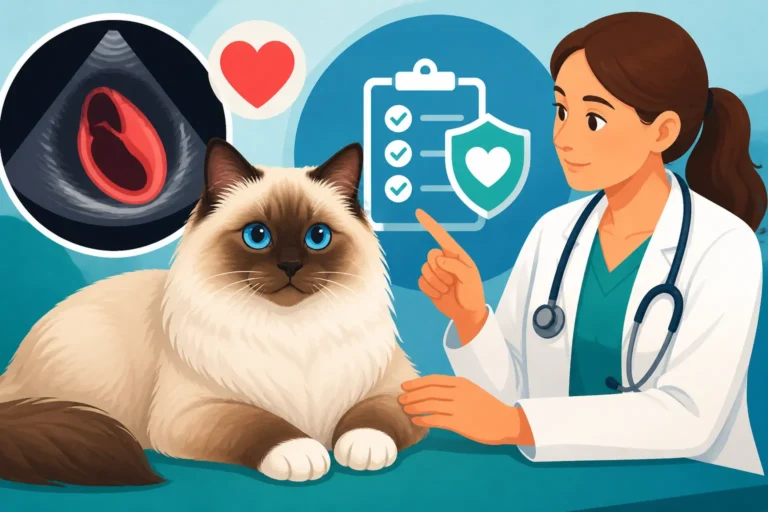
In addition to blood work, a pre-anesthetic physical exam will be performed to check for any murmurs or other cardiac abnormalities. While uncommon for routine dermoid removal, some Birmans may benefit from a pre-surgical cardiac screen, especially if there's any concern. This could include an echocardiogram, as explained in whether a Birman needs a heart scan before anesthetic, to thoroughly assess heart health before any sedatives or anesthesia are administered. This comprehensive approach helps minimize the risks associated with general anesthesia, ensuring the safest possible procedure for your beloved cat.
Financial Aspects and Insurance Coverage
Let's be real, veterinary care, especially surgery, can be a significant financial undertaking, and a corneal dermoid removal is no different. The cost can vary widely depending on your geographic location, the veterinary clinic, the complexity of the dermoid, and the pre-anesthetic workup required. Generally, you can expect costs to include the initial consultation, diagnostic tests, the surgical procedure itself, anesthesia, post-operative medications, and follow-up visits. It’s always a good idea to ask your vet for a detailed estimate upfront so there are no surprises.
Many Birman owners find that pet insurance can be a lifesaver in these situations. Companies like Healthy Paws offer comprehensive pet insurance plans that can cover a significant portion of unexpected veterinary bills, including surgical procedures like dermoid removal. If you have a pet insurance policy, make sure to review your coverage details and contact your provider beforehand to understand what is covered and what your out-of-pocket expenses might be. Even if you don't have insurance, discussing payment plans or other financial options with your vet clinic is always an option. Planning for these costs is part of being a responsible pet parent, ensuring your Birman gets the care they need without undue financial stress.
Surgical Removal of a Birman's Corneal Dermoid
Once all assessments are done, and your Birman is deemed fit, the discussion will turn to the surgical removal of the dermoid – the definitive treatment.
The Surgical Procedure Explained
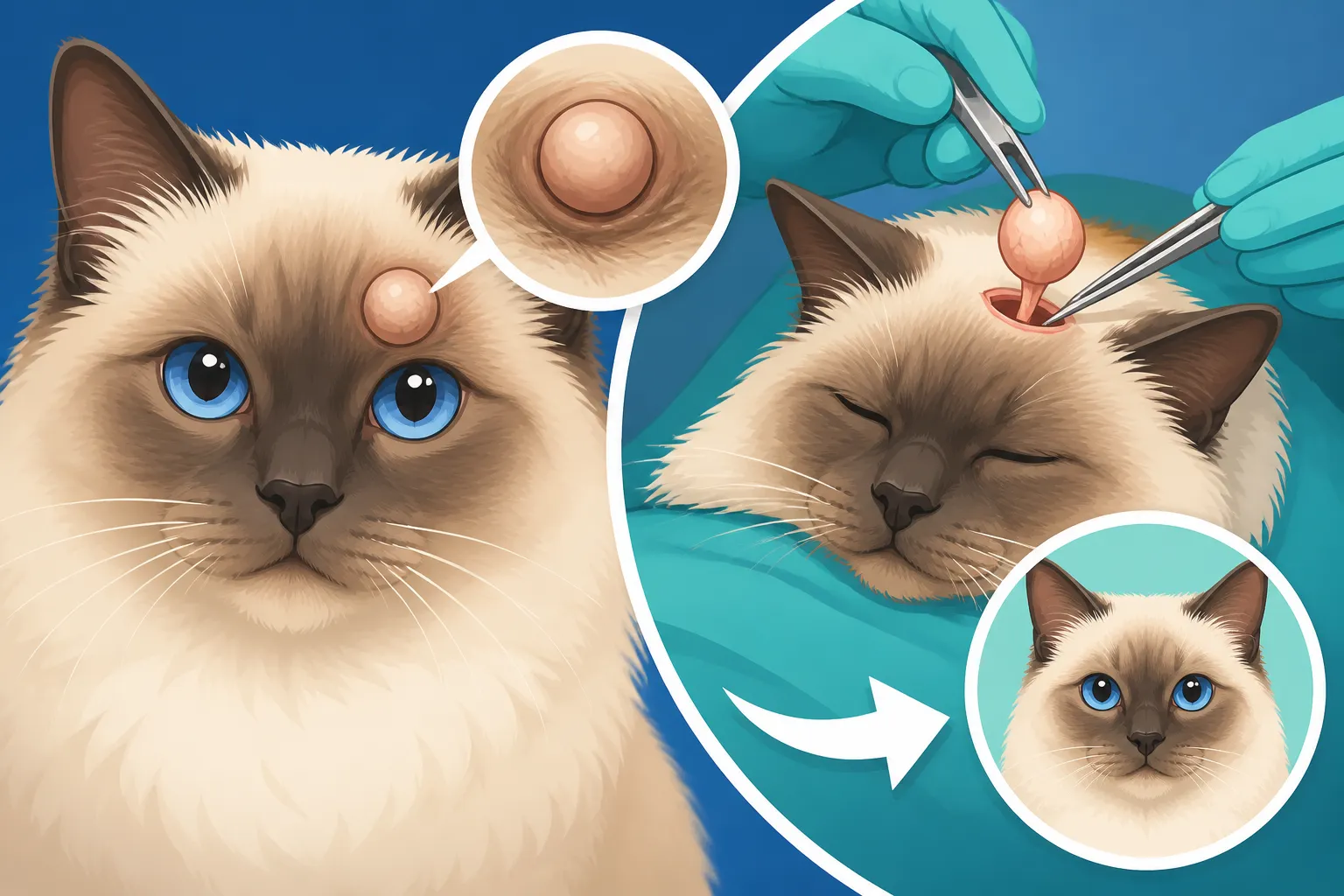
Removing a corneal dermoid is a delicate procedure that requires precision and a skilled veterinary ophthalmologist or general practitioner with surgical experience. Your Birman will be placed under general anesthesia to ensure they are completely still and pain-free throughout the operation. The surgical area around the eye will be carefully cleaned and prepped. Using specialized microsurgical instruments, the vet will meticulously excise the dermoid tissue from the surface of the cornea or conjunctiva. The goal is to remove the abnormal tissue entirely while preserving as much healthy eye tissue as possible.
Sometimes, especially if the dermoid is very superficial, the surgeon might use a technique called superficial keratectomy, which involves carefully shaving off the abnormal tissue layer by layer. If the dermoid is deeper or more extensive, tiny sutures, often finer than human hair, may be used to close the incision. These sutures are usually absorbable, meaning they dissolve on their own, or so small they don't require removal. The entire process is performed under magnification to ensure the utmost accuracy and minimize trauma to the delicate eye. Rest assured, your Birman will be closely monitored by the veterinary team throughout the surgery.
Post-Operative Care and Recovery
The journey doesn't end when your Birman wakes up from anesthesia; post-operative care is just as crucial for a successful recovery. Your vet will send your Birman home with specific instructions and medications. These typically include eye drops or ointments to prevent infection, reduce inflammation, and aid healing. It's vital to administer these medications exactly as prescribed, even if your Birman isn't thrilled about it. Using gentle handling, as you might for regular grooming, can make the process easier.
One of the most important pieces of equipment you'll receive is an Elizabethan collar, often affectionately called a "cone of shame." While your Birman might protest, this collar is non-negotiable. It prevents your cat from rubbing, scratching, or pawing at their surgical eye, which could reopen the incision, introduce infection, or hinder healing. Most Birmans adjust to the cone within a day or two. Recovery usually involves keeping your Birman calm, limiting strenuous activity, and providing a clean, quiet environment. You'll likely have a follow-up appointment within a week or two to check the healing progress and ensure everything is on track. The entire recovery period can take anywhere from two to four weeks, depending on the individual cat and the complexity of the surgery.
Potential Complications and Follow-up
While corneal dermoid removal is generally very successful, like any surgical procedure, there are potential complications to be aware of. These can include post-operative infection, which is why eye drops are so important, or a recurrence of the dermoid tissue, though this is rare if the initial excision was thorough. In some cases, there might be a small scar or a subtle change in corneal clarity, especially if the dermoid was large or deep, which could slightly affect vision. However, most Birmans recover with excellent vision and no lasting issues.
It's critical to monitor your Birman closely during recovery for any signs of complications, such as increased redness, discharge, swelling, excessive blinking, or signs of pain. If you notice any of these, contact your vet immediately. Regular follow-up appointments are essential to ensure the eye is healing properly and to address any concerns. Your vet will examine the eye, assess the surgical site, and potentially re-test for ulcers. These follow-ups are part of the broader routine of keeping your Birman healthy, much like the yearly checks discussed in how often a Birman with clear papers still needs a vet. This diligent approach helps ensure the long-term health and comfort of your cherished Birman.
Living with a Birman After Dermoid Removal
Once your Birman has fully recovered from surgery, the focus shifts to ensuring their continued eye health and overall well-being.
Long-Term Outlook and Vision
The long-term outlook for Birmans after successful corneal dermoid removal is overwhelmingly positive. In most cases, once the dermoid is gone, the chronic irritation ceases, and the eye heals completely. Your Birman's vision should return to normal, especially if the dermoid wasn't directly over the pupil. Even if there's a tiny residual scar, it's usually peripheral and doesn't impede central vision. You'll likely see a happier, more comfortable cat, free from the constant annoyance that the dermoid caused.
It’s a huge relief for owners to see their Birman thriving without the irritation they endured. They can enjoy their playtime, explore their surroundings, and give you those gentle head-nuzzles without the distraction of an uncomfortable eye. While some Birmans might require a brief period of adaptation if their vision was significantly impaired by a very large dermoid, most bounce back quickly. It’s a testament to their resilient nature and the careful veterinary care they receive.
Preventing Future Eye Issues
While dermoids are congenital and not preventable in the traditional sense, maintaining good general eye health is always important for your Birman. This includes regular visual checks at home; take a moment each day to look at your Birman’s eyes for clarity, absence of discharge, and bright expression. If you notice any redness, squinting, excessive tearing, or cloudiness, it's always worth a quick call to your vet. This proactive approach is particularly vital for a breed like the Birman, which tends to hide discomfort.
Regular veterinary check-ups are also crucial. During these annual visits, your vet will routinely examine your Birman's eyes as part of their overall physical assessment, reinforcing why a Birman's eyes should be checked at every visit. They can spot subtle changes that you might miss and address any potential issues before they become serious. Maintaining good hygiene, keeping their living environment clean, and ensuring they have access to fresh water can all contribute to overall health, including eye health. Good nutrition also plays a role in supporting a strong immune system, which in turn helps prevent infections.
Addressing Owner Concerns and Emotional Support
It's completely understandable for Birman owners to feel a mix of worry, anxiety, and even guilt when their cat needs surgery. You might wonder if you missed something, or if there was anything you could have done differently. Please know that dermoids are developmental anomalies, not a reflection of your care. Your focus on getting your Birman the best treatment is a testament to your love and dedication.
The recovery period can also be stressful, watching your cat in a cone or dealing with medication time. But remember, this is temporary, and it's all for their long-term health and comfort. Lean on your veterinary team for support and advice; they are there to guide you through every step. Connect with other Birman owners in online communities or local clubs – sharing experiences can be incredibly reassuring. Organizations like the Birman Cat Club or breeders often have extensive knowledge and support networks for owners facing health challenges. Knowing that you're not alone and that your Birman will likely go on to live a full, happy life with clear, comfortable eyes can make all the difference.
| Aspect | Before Surgery (Diagnosis & Prep) | During Surgery (Procedure) | After Surgery (Recovery & Long-term) |
|---|---|---|---|
| Primary Goal | Confirm dermoid, assess general health, plan procedure. | Remove dermoid safely, minimize tissue damage. | Promote healing, prevent complications, restore comfort. |
| Key Actions | Vet exam, blood tests, cardiac assessment, cost discussion. | General anesthesia, precise excision, possibly sutures, monitoring. | Administer meds (drops, ointments), E-collar, rest, follow-ups. |
| Typical Duration | Days to weeks (for appointments & results). | 30 minutes to 1 hour, plus anesthesia induction/recovery. | 2-4 weeks for full healing, longer for adaptations. |
| Potential Concerns | Misdiagnosis, anesthetic risks, financial burden. | Bleeding, nerve damage, incomplete removal, anesthetic complications. | Infection, recurrence, scarring, E-collar discomfort, vision changes. |
| Owner Role | Schedule appointments, ask questions, prepare for costs. | Trust vet team, await updates. | Administer meds, monitor, enforce E-collar, attend follow-ups. |
| Insurance Impact | Coverage for diagnostics and pre-op, claim submission. | Coverage for surgical fees, anesthesia, hospital stay. | Coverage for meds, follow-up exams, potential complications. |
Disclaimer
The information provided in this guide is intended for general informational purposes only and does not constitute veterinary medical advice. Always consult with a qualified veterinarian for any health concerns or before making any decisions related to your Birman's medical care.