Why a Birman That Stops Following You Needs a Vet
It's a common, heartbreaking scenario many Birman parents experience: your cherished companion, usually your little shadow, suddenly stops following you from room to room. This isn't just a minor personality shift; it’s a critical red flag that can signal underlying health issues or significant stress. Understanding why your Birman has changed this fundamental behavior is crucial, and often, it means a trip to the vet is in order.
The Birman's Unique Bond and Shadowing Behavior
Birmans are famously affectionate and people-oriented cats, but not in an overly demanding way. They're often described as the "middle ground" cat, possessing neither the boisterous energy of a Siamese nor the extreme placidity of some Persians. Instead, they thrive on companionship and proximity, forming deep bonds with their human families. This often manifests as them following you around the house, a comforting presence that many owners adore.
Why Your Birman Becomes Your Little Shadow
This characteristic "shadowing" behavior isn't just a cute quirk; it’s deeply embedded in the Birman's temperament. They genuinely enjoy being near you, observing your activities, and participating in the household rhythm. They might not always be on your lap, preferring to sit close by, perhaps on the sofa beside you or in the doorway as you move between rooms. This constant, gentle presence is a hallmark of the breed's sociable nature. It’s part of the reason many families are told to get a Birman, as they integrate so well into busy households and get along with both children and dogs. They crave connection and draw comfort from your nearness, making them feel secure and loved.
How Birmans Express Affection and Connection
Unlike some more vocal breeds that might yowl for attention or physical interaction, Birmans express their affection in subtle, undemanding ways. Their quiet trills and soft purrs are often barely audible unless you lean in close. Following you is their non-verbal way of saying, "I want to be where you are." They might rub against your legs briefly, then settle a few feet away, content just to share the same space. If you've ever had a Birman, you know they are the kind of cat who will often wait outside the bathroom door, just to be there when you emerge. This gentle, consistent attentiveness is a huge part of what makes owning a Birman such a rewarding experience, and it's why a change in this behavior is so noticeable and concerning.
The Alarming Shift When Your Birman Stops Following You
When a Birman, known for its devoted shadowing, suddenly ceases this behavior, it's a profound change that should never be ignored. This isn't merely a cat deciding to be more independent; it often signifies that something is amiss. It’s a quiet plea for help from a breed known for its placid temperament, which can unfortunately lead them to hide illness behind a calm exterior.
Recognizing the Behavioral Change
The change might be gradual at first, or it could happen quite suddenly. Instead of meeting you at the door, your Birman might stay in the other room. Instead of following you from the kitchen to the living room, they might remain curled up, seemingly uninterested. They might choose to isolate themselves more, perhaps sleeping in a rarely used guest room or under the bed, which is particularly alarming. This withdrawal is a stark contrast to their usual social nature and can be profoundly unsettling for an owner who cherishes their constant, gentle companionship. It's not just a matter of them being less "friendly"; it's a deviation from their established behavioral patterns that points to distress.
Why This Change Is a Red Flag
A Birman that stops following you is essentially telling you, in the most understated way possible, that something is wrong. Their world, which typically revolves around the comfort of your presence, has shifted. This can stem from a variety of causes, ranging from discomfort and pain to anxiety or even serious illness. Their instinct to hide vulnerability means they won't often cry out or show obvious signs of pain. Instead, behavioral changes like withdrawal and reduced interaction are often the first, and sometimes only, indicators that something needs attention. Ignoring this shift could mean missing an early opportunity to address a burgeoning health problem, which is why a Birman that stops following you needs a vet.
Common Medical Reasons for Behavioral Changes
When your usually-attentive Birman starts to withdraw and no longer shadows your every move, it’s a strong indicator that a physical issue might be at play. Birmans, like all cats, are masters at hiding discomfort, so a behavioral change can be the most telling symptom.
Pain or Discomfort
One of the most frequent reasons a cat might stop engaging in their usual activities, including following you, is pain. This could be anything from arthritis in an older cat to an injury they've sustained.
- Arthritis or Joint Pain: As Birmans age, they can develop arthritis, particularly in their hips or spine. Jumping onto furniture or even walking long distances around the house can become painful. If your Birman skips a step going up the stairs, or seems hesitant to jump, this could be a sign of joint discomfort. The pain makes them less inclined to move, and therefore, less likely to follow you. They might prefer to stay in one comfortable spot rather than navigate the house.
- Dental Disease: A surprisingly common and often overlooked source of pain is dental disease. A Birman's narrow jaw can make them prone to gum issues and tooth resorption. Imagine the discomfort of a constant toothache; it can make a cat irritable, withdrawn, and less interested in interaction. If your Birman flinches when its back teeth are touched, or perhaps drops food, dental pain could be a factor.
- Injury: Even indoor cats can sustain injuries, from a clumsy jump to a small fall. A sprain or muscle strain might not be immediately obvious but can certainly deter them from moving around as much. They might favor a paw, walk stiffly, or simply choose to remain still to avoid aggravating the injury.
Internal Illnesses and Chronic Conditions
More serious internal illnesses can also lead to a noticeable drop in activity and changes in social behavior. These conditions often progress subtly, with changes in behavior being early warning signs.
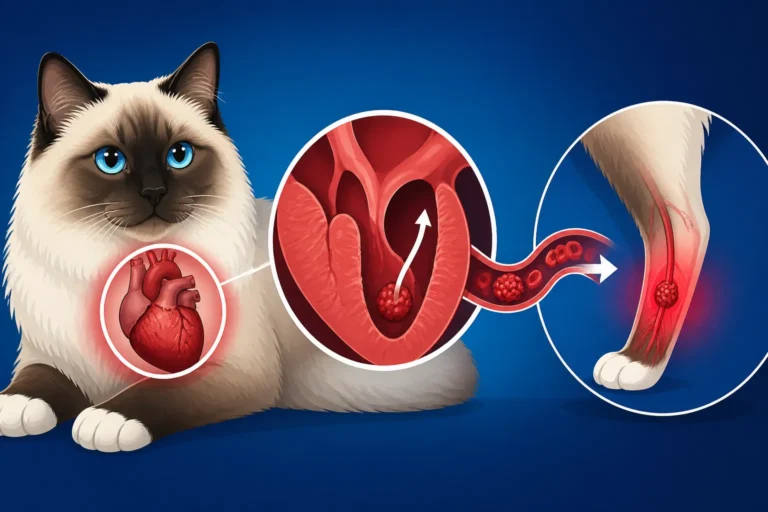
- Heart Disease (HCM): Hypertrophic Cardiomyopathy (HCM) is a significant concern for Birmans. While there's no DNA test, regular echocardiograms are crucial for screening. A cat with developing heart disease might become lethargic, tire easily, and stop following you because the physical exertion is too much. They might stop jumping as high or as often as before. If your Birman's line was never echo scanned, this is a serious risk factor. Early detection of HCM in a Birman through regular screening can significantly impact prognosis. Companies like Healthy Paws can offer great peace of mind, as pet insurance can cover the extensive costs of diagnosing and managing such chronic conditions, allowing you to focus on your cat's health rather than the financial strain.
- Kidney Disease: Kidney issues are another common concern, especially as Birmans age. Early signs can be subtle, including increased thirst, changes in urination, and a general malaise. A cat with kidney disease may feel unwell, nauseous, and simply not have the energy or inclination to follow you. This is why a Birman's kidneys are checked before any anesthetic procedure, and why tracking kidney numbers from middle age is so important.
- Thyroid Issues: Hyperthyroidism, common in older cats, can cause weight loss despite a good appetite, hyperactivity, or conversely, lethargy and withdrawal. If your thin, hungry old Birman needs a thyroid test, it's often because behavioral changes like this are observed.
- Other Undiagnosed Conditions: From infections to cancers, many illnesses can manifest as lethargy, withdrawal, and a disinterest in normal routines. A Birman's natural placid temperament can make it easy to misread these signs, making a vet visit even more critical when behavioral shifts occur.
Environmental and Stress Factors Affecting Birman Behavior
While medical conditions are often the first thing to rule out, sometimes a Birman's change in behavior stems from their environment or emotional state. These factors can be just as impactful on their well-being.
Changes in the Home Environment
Cats are creatures of habit, and Birmans, with their gentle nature, can be particularly sensitive to changes in their surroundings. What might seem minor to us can be a major source of stress for them.
- New Pets or People: Introducing a new dog, another cat, or even a new baby can dramatically alter a Birman's sense of security and routine. Even though Birmans settle next to a dog within a week usually, a sensitive individual might feel displaced or anxious, leading them to withdraw. They might stop following you if they perceive you're spending more time with the newcomer, or if the new presence creates noise or chaos they prefer to avoid. This can sometimes be exacerbated if the Birman is an only cat and suddenly has to share your attention.
- Rearrangement or Moving House: Cats mark their territory with scent, and a familiar home is their safe haven. Moving house with a Birman or even just rearranging furniture can be incredibly stressful. Their scent markers are disrupted, and their comfortable routine is upended. They might hide more, lose their appetite, or stop interacting as readily until they feel secure again in the new setup. It can take weeks for a Birman to truly own a new house.
- Loud Noises or Construction: Birmans are generally tolerant, but prolonged loud noises, such as from building work or even just noisy neighbors, can cause significant stress. A Birman might choose to retreat to the quietest part of the house, regardless of where you are, to escape the discomfort.
Emotional Stress and Anxiety
Birmans thrive on companionship and routine. Disruptions to this can lead to emotional distress, which directly impacts their behavior.
- Loneliness or Lack of Stimulation: Despite their quiet nature, Birmans need company more than stimulation. If you've recently started working longer hours or travelling frequently, your Birman might be feeling lonely or neglected. While they don't demand constant entertainment, prolonged periods alone can lead to anxiety and withdrawal. A camera might show a Birman doing nothing but sleeping while you're out, but a lonely Birman often exhibits a lack of appetite or overgrooming. This is why a Birman does better with a companion than a toy, and why many breeders often sell two kittens together.
- Changes in Your Routine: Cats are incredibly attuned to their owners' routines. A change in your work schedule, your sleeping patterns, or even how much time you're spending at home can unsettle them. If your Birman stops following you, it might be their way of reacting to a perceived shift in your availability or attention, leading to a sense of insecurity.
- Grief or Loss: Cats can grieve the loss of a companion animal or a human family member. If there's been a recent loss in the household, your Birman might withdraw into themselves, stop eating, and certainly cease their usual shadowing behavior as they cope with their sadness.
When to See the Vet and What to Expect
It’s easy to dismiss subtle changes in a cat's behavior, especially a placid Birman, as just "being a cat." But when your Birman stops following you, it's time to take action. Don't wait; early intervention can make a significant difference.
Signs That Warrant an Immediate Vet Visit
While any sustained change in your Birman's shadowing behavior should prompt a call to your vet, certain accompanying symptoms make an immediate visit crucial.
- Refusal to Eat or Drink: If your Birman stops eating or drinking for more than 24 hours, this is an emergency. Rapid weight loss in a Birman can quickly lead to serious issues like fatty liver disease.
- Lethargy and Hiding: If your cat is not only not following you but also appears unusually tired, sluggish, or is actively hiding for extended periods, it's a major red flag. A Birman that hides under the bed needs a vet urgently.
- Changes in Litter Box Habits: Any changes in urination (frequency, straining, inappropriate urination) or defecation (diarrhea, constipation) could indicate urinary tract issues, kidney problems, or digestive distress.
- Vomiting or Diarrhea: Persistent vomiting or diarrhea, especially if accompanied by other behavioral changes, requires prompt veterinary attention to prevent dehydration and identify the underlying cause.
- Visible Pain or Limping: If you notice your Birman is limping, flinching when touched, or showing any overt signs of pain, don't delay.
- Sudden Aggression or Irritability: While rare for Birmans, a sudden shift to aggression or irritability can be a sign of extreme pain or neurological issues.
Even if you have a Birman with clear papers and a history of good health, they still need a vet regularly, and certainly when behavioral changes arise. Healthy Paws is one of many reputable pet insurance providers that can help manage the cost of unexpected vet visits, diagnostic tests, and ongoing treatments, ensuring you can always prioritize your Birman's health without financial worry.
What to Expect at the Vet Appointment
When you take your Birman to the vet, be prepared to provide as much detail as possible about the changes you've observed.
- Detailed History: Your vet will ask a lot of questions about when the change started, what other symptoms you've noticed (even subtle ones), any changes in appetite or litter box habits, and any recent stressors or changes in the home. It’s helpful to observe your cat closely for a day or two before the visit and even jot down notes. For example, knowing how to tell a quiet Birman from an unwell one is crucial; a sick Birman will often stop following you, whereas a quiet one is just contentedly near.
- Physical Examination: The vet will perform a thorough physical exam, checking their temperature, listening to their heart and lungs, palpating their abdomen, examining their teeth, and assessing their mobility. They will feel your Birman's ribs under its silky coat, checking for weight loss or gain.
- Diagnostic Tests: Depending on the physical exam findings, your vet may recommend diagnostic tests. These could include blood work (to check for kidney disease, thyroid issues, infection, etc.), urine analysis, X-rays (to check for arthritis or injuries), or an ultrasound. For Birmans, a heart scan before anesthetic for any procedure is often recommended, and if HCM is suspected, an echo is the only way to screen a Birman. Knowing what testing a Birman for FOXN1 and PKD1 together costs, and which tests belong on a Birman panel, can help you prepare for discussions about comprehensive health screening.
- Treatment Plan: Once a diagnosis is made, your vet will discuss a treatment plan. This could involve medication for pain or illness, dietary changes, environmental adjustments, or in some cases, referral to a specialist. The goal is always to get your beloved Birman back to their healthy, shadow-like self.
Remember, you are your Birman's most important advocate. Trust your instincts. If your Birman that stops following you is ringing alarm bells in your head, listen to them and reach out to your veterinarian.
Disclaimer
This article is intended for informational purposes only and does not constitute veterinary advice. Always consult with a qualified veterinarian for any health concerns or before making any decisions related to your Birman's care.