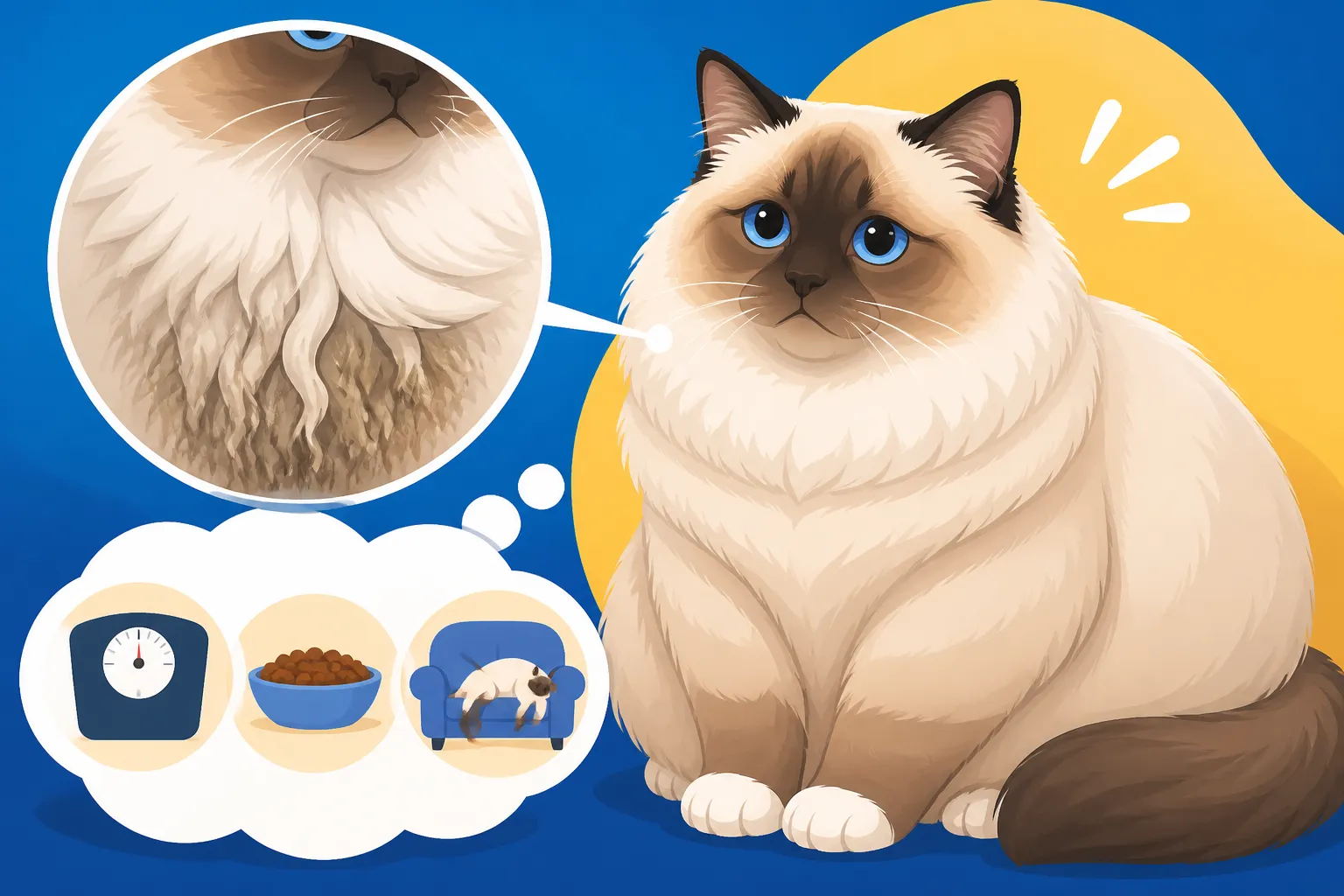
Why an Overweight Birman Leaves Its Ruff Ungroomed
It’s a heart-wrenching sight for any Birman parent: your once magnificent, pristine companion, renowned for its flowing, silken coat and striking ruff, suddenly starts looking a bit disheveled. The glorious mane around their neck, a hallmark of the breed, becomes neglected, matted, and dull. This isn't just about aesthetics; when your beloved Birman leaves its ruff ungroomed, it's often a clear signal that something deeper is amiss, particularly when excess weight is thrown into the mix. This guide dives into the complex reasons why an overweight Birman struggles with self-grooming and offers practical advice to help your feline friend regain its comfort and elegance.
The Physical Struggles of an Overweight Birman
Imagine trying to reach your own back or neck when carrying an extra load. It’s challenging, uncomfortable, and sometimes impossible. The same goes for our beautiful Birmans. Their naturally long, elegant frame is designed for a certain level of flexibility, which becomes severely compromised when they carry too much weight. This isn't just a minor inconvenience for them; it significantly impacts their ability to perform one of the most fundamental feline behaviors: self-grooming.
Restricted Flexibility and Reach
An overweight Birman faces immediate physical barriers to effective self-grooming. Their body, which is typically described as a long rectangular frame, becomes rounder and less agile. The excess fat accumulates not just around their belly, but also around their neck, chest, and hindquarters, making it incredibly difficult to bend and twist as needed.
Think about the dexterity required to meticulously clean every strand of their famous ruff or to reach the base of their tail. When their midsection is bulky, the spine struggles to flex, and their short front legs simply can’t extend far enough around their own body. This often means that areas like the ruff, the britches (the fluffy fur on their upper hind legs), and the base of the tail become inaccessible. These are precisely the areas that need the most attention due to their length and propensity to collect debris or form tangles. While a healthy Birman’s coat runs through your fingers easily, an overweight one’s coat in these hard-to-reach spots can quickly become a matted mess, further exacerbating their inability to groom. If you’ve ever wondered what a Birman’s long rectangular frame should weigh, you’ll know that deviations from that ideal can drastically alter their physical capabilities.
Discomfort and Pain in Movement
Beyond mere physical obstruction, carrying extra weight often leads to discomfort and even pain. Just like in humans, obesity in cats puts significant strain on their joints, especially their hips and spine. While the Birman's sturdy build brings little hip trouble compared to some breeds, the added burden can still lead to inflammatory processes, making movement painful.
Every bend, stretch, or twist required for grooming can become a source of agony for an overweight Birman. Imagine the mild aches or stiffness you might feel after an unusual workout; for an overweight cat, this discomfort is constant. They might avoid grooming simply because the act itself causes them pain. This can create a vicious cycle: the less they move due to discomfort, the more weight they gain, and the more painful grooming becomes. It's a sad reality that can dramatically diminish their quality of life, turning a natural, comforting activity into a dreaded chore. This pain can also contribute to why a Birman hides illness behind a placid temperament, as they are naturally stoic creatures.
Reduced Energy and Motivation
Self-grooming isn't a passive activity; it requires a certain amount of energy and sustained effort. A healthy Birman will spend a significant portion of its day meticulously cleaning itself, a testament to its fastidious nature. However, an overweight Birman often experiences a profound reduction in overall energy levels.
The extra weight acts as a constant drag, making them lethargic and less inclined to engage in any energetic activity, including extensive grooming sessions. Instead of feeling refreshed and active, they might feel perpetually tired. Their metabolism is under strain, and they may be less efficient at burning calories, leading to a cycle of low energy and inactivity. They might prefer to simply rest or sleep rather than invest the considerable energy needed to keep their coat in pristine condition. This can be particularly noticeable as they get older; what an old Birman slows down from first can often be general activity and thoroughness in grooming. This reduced motivation isn't laziness; it's a physiological response to the demands placed on their body by excess weight.
The Ramifications of Neglected Grooming
When a Birman can’t groom itself properly, the consequences extend far beyond just looking a bit scruffy. Their beautiful, silky coat is designed for regular maintenance, and without it, a host of health issues can quickly arise, turning a cosmetic problem into a serious welfare concern.
Matting and Skin Irritation
The Birman's single, silky coat, while famously easy to groom compared to some other longhairs, is still prone to matting if neglected. Areas like the ruff, armpits, britches, and tail plume are particularly vulnerable. When an overweight Birman can't reach these areas, the shedding fur becomes trapped, intertwining with the existing coat to form tight, painful mats.
These mats don't just look bad; they pull on the skin, causing constant discomfort and sometimes open sores. The skin underneath a mat cannot breathe properly, creating a warm, moist environment ripe for bacterial or fungal infections. Parasites, such as fleas, also find matted fur an ideal hiding spot, making detection and treatment much harder. Skin irritation can manifest as redness, flakiness, or even patches of hair loss where the matting is severe. It’s a cascading problem: poor grooming leads to mats, mats lead to skin problems, and the pain from these problems further discourages the cat from attempting to groom. It's crucial to understand why a Birman's single coat never developed a woolly layer, as this unique texture changes how mats form and how they need to be addressed.
Hygiene Challenges
An overweight Birman's inability to twist and turn effectively to clean its rear end can lead to significant hygiene issues. Fecal matter or urine can become trapped in the fur around their hindquarters, particularly in the longer fur of their britches and tail.
This isn't just unpleasant; it creates a breeding ground for bacteria and can lead to painful skin infections, urinary tract issues, or even flystrike in warmer climates if left unchecked. The constant dampness and irritation can cause a condition called "fecal matting" or "urine scald," which is incredibly uncomfortable for the cat. Owners might notice a persistent odor, and the cat itself might become withdrawn or attempt to rub itself against furniture in a desperate attempt to clean these areas. This issue is particularly concerning because it can go unnoticed if an owner isn't actively checking these hard-to-reach spots. For a breed known for its white gloves, maintaining cleanliness, especially around the paws and rear, is a constant battle.
Psychological and Behavioral Impact
Cats are meticulous creatures, and self-grooming is not just about cleanliness; it's a fundamental part of their behavioral repertoire, contributing to their comfort, stress reduction, and sense of well-being. When an overweight Birman is unable to groom itself effectively, it can have a profound psychological impact.
They might become stressed, anxious, or even depressed. A cat that feels dirty or uncomfortable might withdraw from social interaction, becoming less playful and less affectionate. You might observe a change in their typical placid temperament, becoming more irritable or lethargic. While a Birman typically follows you without demanding anything, a sudden change in their usual habits, like no longer greeting you at the door or opting to hide, could be a red flag. It can be hard to tell how to tell a quiet Birman from an unwell one, but a lack of grooming, particularly of their beautiful ruff, is a strong indicator something is wrong. This inability to maintain their own hygiene can lead to a loss of dignity for them, affecting their confidence and overall happiness.
Understanding Birman Weight Gain
Recognizing that your Birman is overweight is the first crucial step. Understanding why they might have gained weight is essential for addressing the problem effectively. It’s rarely one single factor, but rather a combination of diet, lifestyle, and sometimes underlying health conditions.
Dietary Factors and Overfeeding
The most common reason for weight gain in any cat, including Birmans, is an imbalance between caloric intake and expenditure. Simply put: they're eating more calories than they're burning. Birmans are generally not known for being voracious eaters or begging loudly for food; in fact, feeding a Birman that will never beg for it can sometimes lead owners to leave food down for too long.
Owners, out of love, might unknowingly overfeed them, offering large portions, free-feeding dry kibble all day, or providing too many treats. Treats, while a wonderful way to bond, are often calorie-dense and can quickly add up. A Birman will quietly eat everything you leave down, making it easy for them to consume excess calories without you even realizing how much they're truly taking in. This silent consumption, coupled with a generally docile nature, makes them particularly susceptible to gradual weight creep. Additionally, factors like the type of food (high-calorie, low-nutrient fillers) can contribute, as can feeding habits established during kittenhood.
Lifestyle and Activity Levels
Birmans are not the most energetic of breeds. They are known for their gentle, serene nature, often preferring to lounge near their humans rather than engage in vigorous play. This naturally lower activity level means they don't burn as many calories as more active breeds.
An indoor-only lifestyle, while safer for them (especially for keeping those white gloves pristine), further limits their opportunities for exercise. If they don't have enough interactive play, stimulating toys, or opportunities for gentle movement, the calories they consume quickly become stored as fat. Why an indoor Birman reaches sixteen more often is largely due to protection from outdoor hazards, but it also necessitates conscious efforts to ensure they get enough activity. As they age, their activity naturally slows down even further. Without adjustments to their diet, this decline in exercise inevitably leads to weight gain. A quiet Birman may also be less inclined to engage in high-energy play sessions, making it harder for owners to encourage exercise.
Underlying Health Issues
While often dietary or lifestyle-related, sometimes weight gain or resistance to weight loss can signal an underlying medical condition. Certain hormonal imbalances, such as hypothyroidism (though less common in cats than dogs), can slow metabolism and lead to weight gain. Similarly, conditions that cause pain, like arthritis, can reduce a cat’s willingness to move, thus contributing to weight gain.
It's also worth noting that some medications can cause weight gain as a side effect. Therefore, if your Birman is gaining weight despite reasonable dietary control and exercise, or if you notice other symptoms alongside the weight gain (such as changes in appetite, thirst, or energy levels), a visit to the veterinarian is crucial. A vet can rule out any medical reasons for the weight gain and develop a safe, effective weight loss plan tailored to your cat's specific needs. This is where pet insurance, like a plan from Healthy Paws, can be incredibly valuable, covering the diagnostic tests and ongoing care needed to identify and manage such conditions. Regular check-ups allow your vet to monitor your Birman’s weight and overall health, ensuring early detection of any issues.
Strategies for Weight Management and Grooming Support
Helping your overweight Birman isn't just about getting them to look good again; it's about improving their overall health, comfort, and longevity. This requires a multi-pronged approach focusing on both weight reduction and assisted grooming.
Gradual Weight Loss Plan Under Vet Guidance
The most critical step in helping an overweight Birman is to implement a safe and effective weight loss plan. This should always be done under the supervision of your veterinarian. Rapid weight loss in cats can lead to serious health complications, such as hepatic lipidosis (fatty liver disease), which can be life-threatening. Why rapid weight loss gives a Birman fatty liver is a serious concern, so a slow, controlled approach is essential.
Your vet will help you determine your Birman's ideal weight, calculate a target daily calorie intake, and recommend an appropriate diet. This often involves transitioning to a prescription weight-management food that is lower in calories but still provides all essential nutrients, or simply carefully portioning their current high-quality food. You'll need to strictly measure their meals; gone are the days of free-feeding. A good starting point for owners is to understand how much a Birman should get in a measured meal, and then adjust based on veterinary advice. Consider replacing high-calorie treats with low-calorie alternatives or even using small portions of their daily kibble as rewards. Incorporating more wet food can also be beneficial, as it often has a lower caloric density and contributes to hydration; remember which wet food suits a Birman's kidney history if this is a concern. Regular weigh-ins at home and follow-up visits with your vet will be necessary to track progress and make adjustments.
Assisted Grooming Techniques
While your Birman is on its weight loss journey, you'll need to step in and provide regular grooming assistance. This not only keeps their coat healthy but also reinforces your bond. Combing a Birman three times a week is generally recommended, but an overweight cat might need even more frequent attention in certain areas.
Invest in the right tools: a good quality metal comb with both wide and fine teeth is ideal. Avoid slicker brushes, which can damage their silky guard hairs. Focus on the areas they can’t reach: the ruff, armpits, britches, and under the tail. Gently work through any tangles or mats. If you encounter a mat that won't easily comb out, never pull it. You might need to carefully trim it out with blunt-nosed scissors, or better yet, seek professional help from a groomer or vet. Learning which comb gets through a Birman's ruff without pulling is key to making this a pleasant experience for both of you. You might also need to keep a close eye on their white gloves, as neglected paws can quickly become stained or matted, requiring extra care.
Increasing Activity and Environmental Enrichment
To support weight loss and improve overall well-being, encourage your Birman to move more. This doesn't mean forcing them into strenuous exercise, but rather incorporating gentle, engaging activities into their daily routine.
Interactive toys, like wand toys, laser pointers (used responsibly), or puzzle feeders, can stimulate both their mind and body. Short, frequent play sessions are often more effective than one long, exhausting one. Climbing opportunities, such as cat trees or shelves, can also encourage movement, though an overweight Birman might initially struggle with higher jumps. Placing food bowls on different levels can encourage gentle stair climbing. Consider introducing them to a cat harness and leash for supervised outdoor strolls in a safe, enclosed space, if they are receptive. Even simply moving their food bowl to a different location each day can prompt more movement. Remember what a Birman weighs at one with two years still to grow, and how important activity is throughout their development. The goal is to make activity fun and rewarding, not a punishment for being overweight.
Regular Veterinary Check-ups
Ongoing veterinary care is paramount for an overweight Birman. Beyond initial consultations for weight loss, regular check-ups allow your vet to monitor their progress, assess their overall health, and catch any potential complications early.
These visits are also an opportunity to discuss any behavioral changes, grooming challenges, or new symptoms you might have observed. Your vet can provide guidance on diet adjustments, recommend specific exercises, and check for any secondary health issues that might arise from their weight or neglect of grooming. An annual exam should include a thorough physical check, including assessment of joint health, skin condition, and dental health, as dental disease progresses in a Birman if left unchecked. This proactive approach, supported by comprehensive pet insurance like Healthy Paws, ensures that your Birman receives the best possible care throughout their weight loss journey and beyond, allowing them to lead a healthier, happier life.
Disclaimer
Please remember that the information provided in this article is for educational purposes only and should not replace professional veterinary advice. Always consult with a qualified veterinarian regarding your Birman's specific health concerns, diet, and treatment plans.