Why a Thin, Hungry Old Birman Needs a Thyroid Test
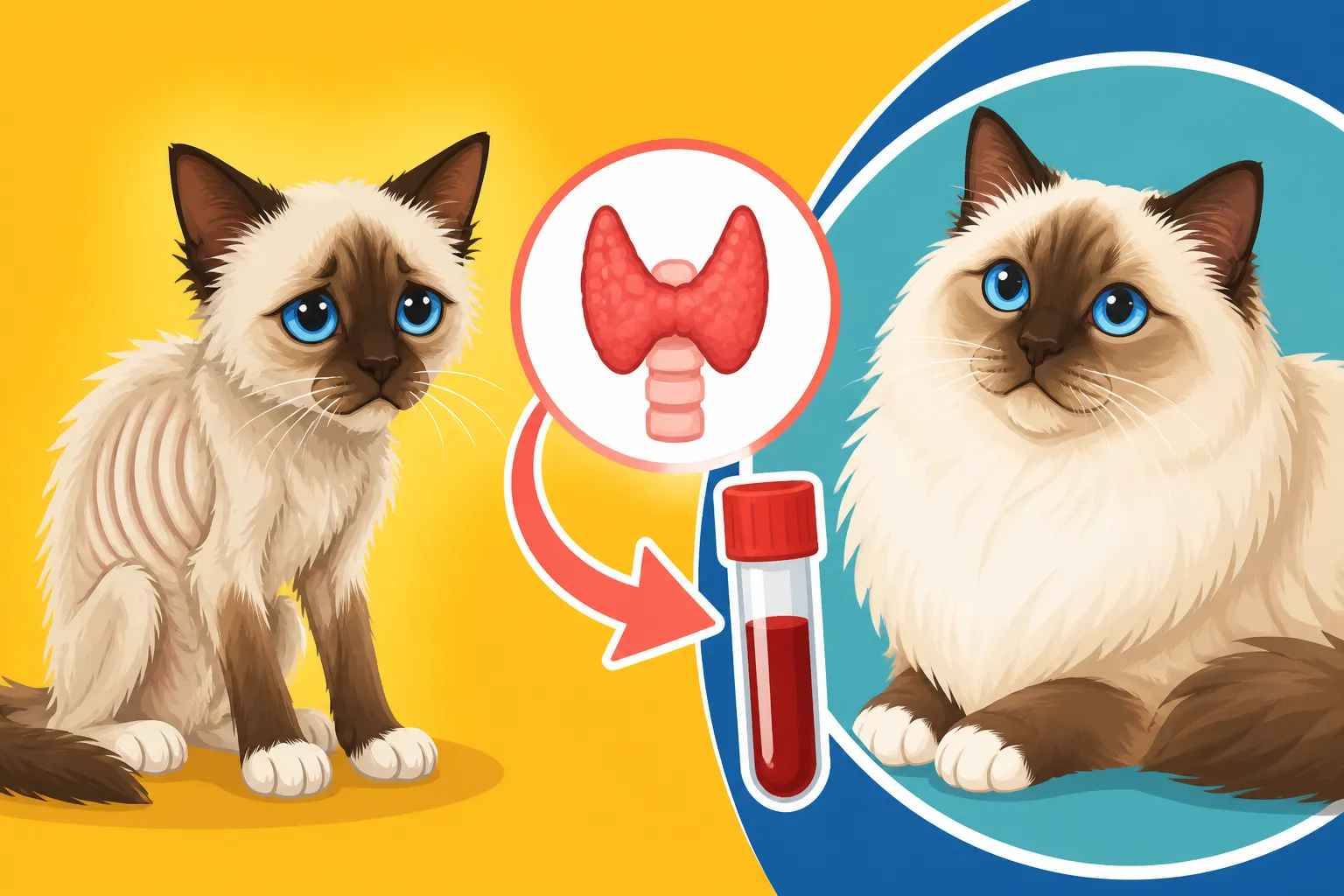
It’s a heart-wrenching sight: your beloved senior Birman, once so sturdy and placid, is starting to look a little bony, yet they’re always at their bowl, begging for more food. This perplexing combination of insatiable hunger and unexplained weight loss is a classic red flag, and it's a clear signal that it's time to talk to your vet about a thyroid test. This guide will walk you through why this specific symptom cluster is so worrying and what steps you need to take to help your treasured companion.
Why Weight Loss in an Old Birman is a Major Concern
When our Birmans start to get on in years, we naturally expect some changes. Maybe they slow down a bit, preferring a long nap in a sunbeam to chasing a toy, or perhaps their glorious points start to deepen to an almost black shade, a beautiful sign of their advancing age. However, one thing that should never be dismissed as "just old age" is unexplained weight loss, especially when accompanied by an increased appetite. Many owners mistakenly believe that a perpetually hungry cat is a healthy cat, but for a senior Birman, it's often the opposite.
Think about it: your cat is consuming more calories, yet their body is seemingly burning through them faster than they can put them on, leaving them looking thinner. This isn't just about aesthetics; it's a sign that their internal systems are working overtime, perhaps even in overdrive, which puts immense strain on their organs. A healthy senior cat might lose a little muscle mass, but significant weight loss without a corresponding decrease in food intake points to a metabolic imbalance. Ignoring this could mean missing a treatable condition that, left unchecked, can severely impact your Birman's quality of life and shorten their precious golden years. Early intervention is always the best path to ensure your Birman enjoys The Twelve to Sixteen Years a Birman Usually Gets.
Understanding Hyperthyroidism in Senior Birmans
Hyperthyroidism is a really common endocrine disorder in older cats, including our lovely Birmans. It's caused by an overactive thyroid gland, usually due to a benign tumor (adenoma) that produces an excess of thyroid hormones. These hormones are like the body's internal thermostat, regulating metabolism, heart rate, and body temperature. When there's too much of them, everything speeds up. It's like having your car's engine stuck in high gear all the time.
This metabolic overdrive is precisely why you see that confusing combination of ravenous hunger and weight loss. Your Birman's body is burning through calories at an accelerated rate, leading to an increased appetite as their system tries to compensate. Despite eating more, they can't keep up with the demands, and thus, they lose weight. Beyond these classic signs, hyperthyroidism can manifest in other ways that might be easy to attribute to old age, like increased thirst and urination, restlessness, or even a change in coat quality. You might notice your Birman is more vocal than usual, or perhaps they've started being sick more often, or having diarrhea. Because our Birmans are generally such placid creatures, even subtle changes in their routine or demeanor can be significant. This is why Why a Quiet Birman Is Easy to Misread applies not just to hiding pain, but also to metabolic shifts.
The Thyroid Test: What to Expect at the Vet
So, you've noticed the signs – your old Birman is thin but hungry, perhaps a bit more energetic or restless than usual. It's time for a vet visit. Don't delay; the sooner this condition is diagnosed, the better the prognosis and the easier it is to manage. Your vet will start with a thorough physical examination. They'll check your Birman's overall body condition, listen to their heart, and very importantly, they'll gently palpate their neck to feel for an enlarged thyroid gland. Sometimes, these enlarged glands, often called "goiters," can be felt on one or both sides of the windpipe.
The definitive diagnosis, however, comes from a blood test. Specifically, your vet will look at the levels of total thyroxine (T4) in your Birman's blood. This simple test measures the amount of thyroid hormone circulating in their system. If the T4 levels are elevated above the normal range, it strongly indicates hyperthyroidism. Sometimes, especially in the very early stages of the disease or if your Birman has other concurrent illnesses, the T4 level might be borderline. In such cases, your vet might recommend additional tests, such as a free T4 test or a T3 suppression test, to get a clearer picture. It’s a straightforward process, but crucial for ruling out or confirming the condition. Remember that regular vet check-ups are essential, particularly as your Birman gets older. These routine visits can catch issues like this early, before they become more advanced.
Managing Hyperthyroidism: Treatment Options and Long-Term Care
Once hyperthyroidism is diagnosed, the good news is that it’s a very manageable condition, with several treatment options available. The goal is to return your Birman's thyroid hormone levels to normal, alleviating the symptoms and protecting their other organs from damage. Each treatment has its pros and cons, and your vet will help you decide which is best for your individual cat, considering their age, overall health, and any other medical conditions they might have, such as potential kidney issues, which are also common in older Birmans.
Medication
The most common initial treatment is oral medication, usually methimazole. This drug works by reducing the production of thyroid hormones. It's typically given once or twice a day, and many Birmans tolerate it very well. The main challenge with medication is consistency – you have to remember to give it regularly, often for the rest of your Birman's life. Regular blood tests will be needed, especially in the initial stages, to monitor their T4 levels and ensure the dosage is correct. These follow-up blood tests are also important for checking kidney function, as treating hyperthyroidism can sometimes unmask underlying kidney disease, which is why Which Blood Values a Birman's Kidney History Makes Important is a critical read. The cost of long-term medication can add up, and this is where a reliable pet insurance plan, such as one from Healthy Paws, can be incredibly beneficial in offsetting these ongoing expenses.
Radioactive Iodine Therapy (I-131)
For many cats, radioactive iodine (I-131) therapy is considered the "gold standard" treatment, offering a potential cure with a single injection. The radioactive iodine is selectively absorbed by the overactive thyroid tissue, destroying it while sparing the surrounding healthy tissue. It's a very effective treatment, but it does require your Birman to stay at a specialized facility for several days while they're radioactive. This can be tough on both you and your cat, but the long-term benefits are significant. This option generally has a higher upfront cost, but eliminates the need for daily medication. Again, exploring options with a pet insurance provider like Healthy Paws before embarking on such a treatment can provide much-needed financial support.
Prescription Diet
Another option, for some cats, is a special prescription diet that is restricted in iodine. Since iodine is a necessary component for the production of thyroid hormones, limiting its intake can help reduce the overproduction. This approach works best if your Birman is the only cat in the house, or if all cats in the household can be strictly fed this diet, as even small amounts of regular food can negate its effects. It’s a convenient option for some, but requires strict adherence and ongoing monitoring. This can sometimes be a less invasive initial step, and observing how your cat responds can guide further decisions.
Surgery
Surgical removal of the affected thyroid gland(s) is another option, though it's less common than medication or radioactive iodine therapy. It can be curative, but it carries the risks associated with anesthesia and surgery, especially in older cats. It's often reserved for cases where other treatments aren't suitable or effective.
Regardless of the chosen treatment, lifelong monitoring will be essential. Regular vet check-ups and blood tests will ensure that your Birman's thyroid levels remain stable and that no other health issues arise. This proactive approach helps to maintain their overall health and well-being, allowing your beautiful Birman to live out their golden years comfortably and happily.
The Broader Impact of Untreated Hyperthyroidism
It's vital to understand that ignoring the signs of hyperthyroidism can lead to serious health complications for your Birman. The constant metabolic overdrive places immense stress on various organ systems. One of the most common and dangerous consequences is its effect on the heart. Hyperthyroidism often leads to a condition called hypertrophic cardiomyopathy (HCM), where the heart muscle thickens. This thickening makes the heart work much harder and less efficiently, eventually leading to heart failure. You might notice your Birman becoming lethargic, breathing rapidly, or even collapsing – signs that their heart is struggling. This is a severe complication, and it highlights why early diagnosis and treatment are so critical, especially considering How HCM Shows Up in a Birman.
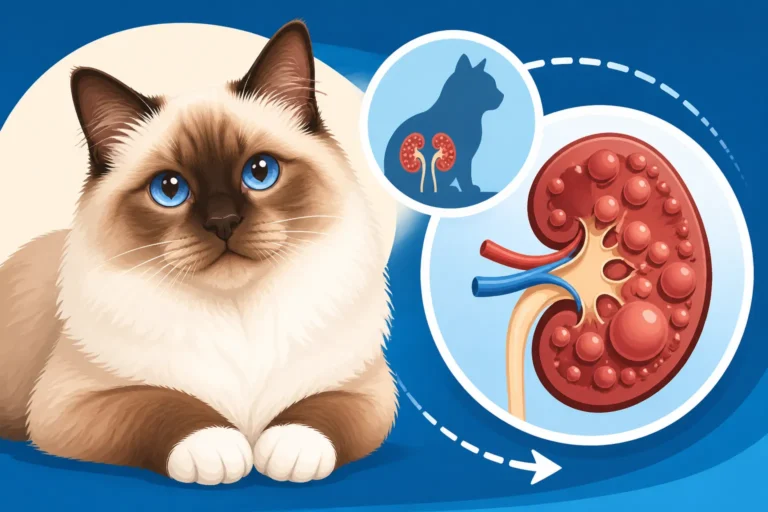
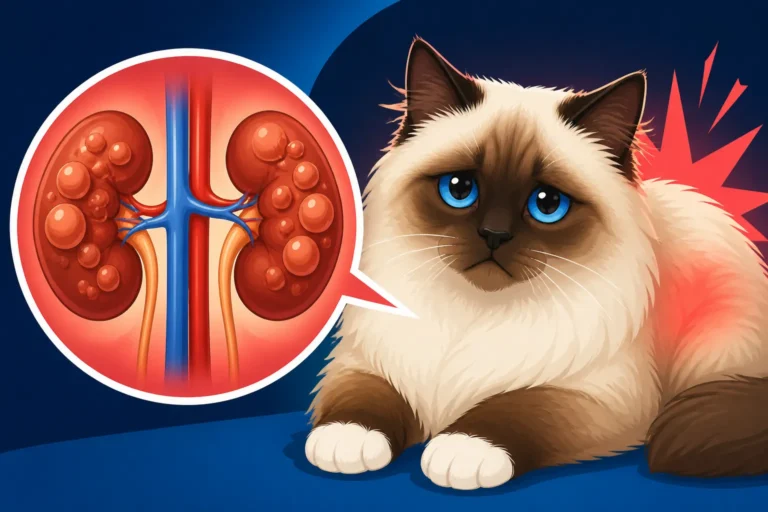
Beyond the heart, uncontrolled hyperthyroidism can also impact the kidneys. While treating hyperthyroidism can sometimes reveal pre-existing kidney disease, the disease itself can exacerbate kidney problems. The increased blood flow and metabolic activity put additional strain on these vital organs, potentially accelerating kidney decline. This delicate balance between thyroid and kidney health means your vet will carefully monitor both during treatment. Dental health can also be indirectly affected by chronic illness, potentially worsening How Dental Disease Progresses in a Birman, adding another layer of concern.
Moreover, the persistent weight loss can lead to muscle wasting and weakness, making your Birman less able to jump or even groom themselves properly. Their beautiful silky coat, usually so pristine, might become dull, greasy, and matted. Their immune system can also be compromised, making them more susceptible to other infections. Essentially, untreated hyperthyroidism is a systemic disease that slowly but surely wears down your cat's body, impacting nearly every aspect of their health and comfort. Early diagnosis and consistent treatment are truly a gift you can give your senior Birman, allowing them to thrive rather than just survive.
When to Seek Veterinary Attention Immediately
While the classic signs of a thin, hungry Birman point strongly to hyperthyroidism, there are other symptoms that warrant immediate veterinary attention, as they could indicate more severe, acute complications of the disease, or a different pressing health issue altogether. Never wait if you observe these in your senior Birman.
Acute Changes in Behavior or Mobility
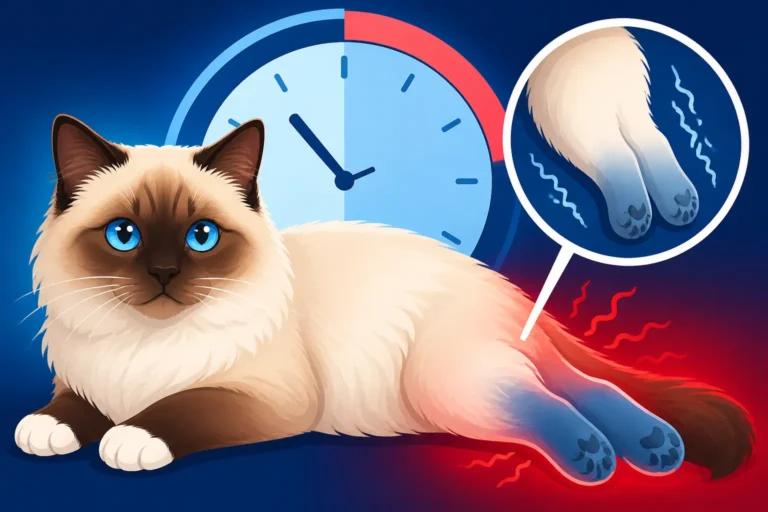
If your Birman suddenly becomes very lethargic, unusually weak, or completely loses their appetite, despite having been excessively hungry before, this is a serious sign. This could indicate a crisis, severe electrolyte imbalance, or even an unmasked kidney failure if hyperthyroidism has been untreated. Similarly, if your Birman has difficulty walking, hind leg weakness, or shows signs of pain, it could be related to heart complications causing blood clots, a truly dire emergency. Why a Birman's Back Legs Go Cold and Useless in an Hour is a description of such a scenario.
Severe Vomiting or Diarrhea
While occasional vomiting or loose stools can be a symptom of hyperthyroidism, severe, persistent vomiting and diarrhea can lead to rapid dehydration and electrolyte imbalances. This can be life-threatening, particularly in an older cat. It’s crucial your vet investigates this immediately to prevent your Birman from crashing. They’ll likely check for other issues alongside, as digestive upset can have numerous causes.
Respiratory Distress
Any sign of difficulty breathing, such as rapid, shallow breaths, open-mouth breathing, or coughing, is a dire emergency. As mentioned, hyperthyroidism can lead to heart disease. These respiratory signs could indicate congestive heart failure, where fluid builds up in or around the lungs. This requires urgent veterinary care to stabilize your Birman and provide oxygen support. Waiting can lead to irreversible damage or worse.
| Symptom Category | General Aging Signs | Hyperthyroidism Specific Signs | Emergency Signs to Watch For |
|---|---|---|---|
| Appetite | Stable or slight decrease | Increased, ravenous hunger | Sudden loss of appetite |
| Weight | Stable or slight muscle loss | Significant, unexplained weight loss | Rapid, severe weight loss |
| Activity Level | Gradual slowing down | Restlessness, increased energy | Extreme lethargy, collapse |
| Thirst/Urination | Stable | Increased thirst and urination | No urination, severe dehydration |
| Grooming/Coat | May show slight decline in ability | Dull, greasy, matted coat | Extreme self-neglect, skin lesions |
| Digestion | Occasional hairballs | Vomiting, diarrhea | Severe, persistent vomiting/diarrhea |
| Behavior | More sleeping, less active | Increased vocalization, nervousness | Sudden aggression, disorientation |
| Mobility | Gradual stiffness, less jumping | Restlessness, sometimes pacing | Hind leg paralysis, difficulty walking |
| Breathing | Normal | Sometimes rapid heart rate | Labored breathing, open-mouth breathing |
It's natural to feel anxious when your beloved Birman isn't well, but remember that many of these conditions are treatable, especially with early detection. Proactive veterinary care, coupled with a watchful eye at home, is the best way to ensure your senior Birman enjoys their retirement years with comfort and dignity. Having a conversation with your vet about regular senior health panels and what to look out for, especially for conditions common in the breed like hyperthyroidism or How Kidney Failure Arrives in a Birman Past Fourteen, can provide invaluable peace of mind. And for managing the potentially significant costs of these treatments, thinking about pet insurance, like the comprehensive plans offered by Healthy Paws, can lighten the financial burden considerably.
Disclaimer
This article is for general informational purposes only and does not constitute professional advice. Laws, prices and regulations vary by location and change over time. Consult a qualified professional for guidance on your specific situation.