Why a Birman Walks Away Instead of Swiping
As a Birman parent, you've probably noticed something rather remarkable about your feline companion: they rarely, if ever, resort to a quick swipe with a paw when they're annoyed or uncomfortable. While many cat owners are all too familiar with a lightning-fast swat as a sign of displeasure, Birmans tend to handle conflict in a much more understated, and often confusing, way. This guide is here to shed light on why your Birman prefers a quiet retreat to a confrontation and how understanding this unique trait can make your bond even stronger.
The Foundation of a Gentle Soul: Birman Temperament Unpacked
It’s no accident that Birmans are often lauded for their serene and placid nature. This breed’s temperament is one of its most defining characteristics, deeply ingrained through generations of careful breeding. Unlike some other breeds that might be known for their sass or their tendency to assert dominance with a well-placed paw, the Birman truly embodies a calm and collected spirit.
A History of Docile Breeding
From their storied origins, Birmans have been cherished for their gentle disposition. Breeders have consistently selected for traits that foster a tranquil and affectionate companion, leading to the Birman we know today – a cat that thrives on companionship and harmony rather than drama. This isn't to say they lack personality; quite the contrary, they have rich inner lives and a quiet presence that can fill a room. They simply express themselves differently. This is why you’ll often hear that Why every standard calls the Birman a gentle breed, a reputation they certainly live up to. They are a cat that seeks to be near you without being demanding, preferring to observe and participate gently in your daily life. Why a Birman Follows You Without Demanding Anything. This inherent docility means they are predisposed to avoid aggression, even when presented with situations that might trigger a less patient feline.
Imagine a busy household with children, other pets, or frequent visitors. A cat with a lower tolerance for disruption might become overwhelmed quickly, resorting to defensive swipes or hissing to communicate its boundaries. A Birman, however, is much more likely to absorb the chaos, process it internally, and then quietly remove itself from the situation. They understand, on some innate level, that an escape route is often the best route to maintaining their inner peace, and yours. Their mild-mannered approach makes them wonderful family pets, as they are not inclined to lash out.
The Quiet Language of Discomfort
While Birmans may not swipe, they certainly have ways of communicating their discomfort or dissatisfaction. Learning to read these subtle cues is paramount for any Birman owner. Their expressions of displeasure are often a soft, almost imperceptible scale of withdrawal and quiet signalling rather than overt aggression.
A Birman might first stiffen its body slightly, its ears might swivel back just a fraction, or its tail might give a gentle twitch. If the unwanted interaction continues, you might notice them slowly shifting their weight, preparing to disengage. Their gaze might soften and drift away, a clear signal they're no longer interested in engaging. They might then simply stand up and walk a few steps away, perhaps sitting down a little further from you, or even find a new spot in another room. It’s a polite, almost apologetic departure, rather than an angry stomp. Sometimes, a very soft, almost inaudible trill, which is their typical form of communication, might accompany a subtle head turn away from you, indicating a mild displeasure. The Small Trill a Birman Uses Instead of a Meow.
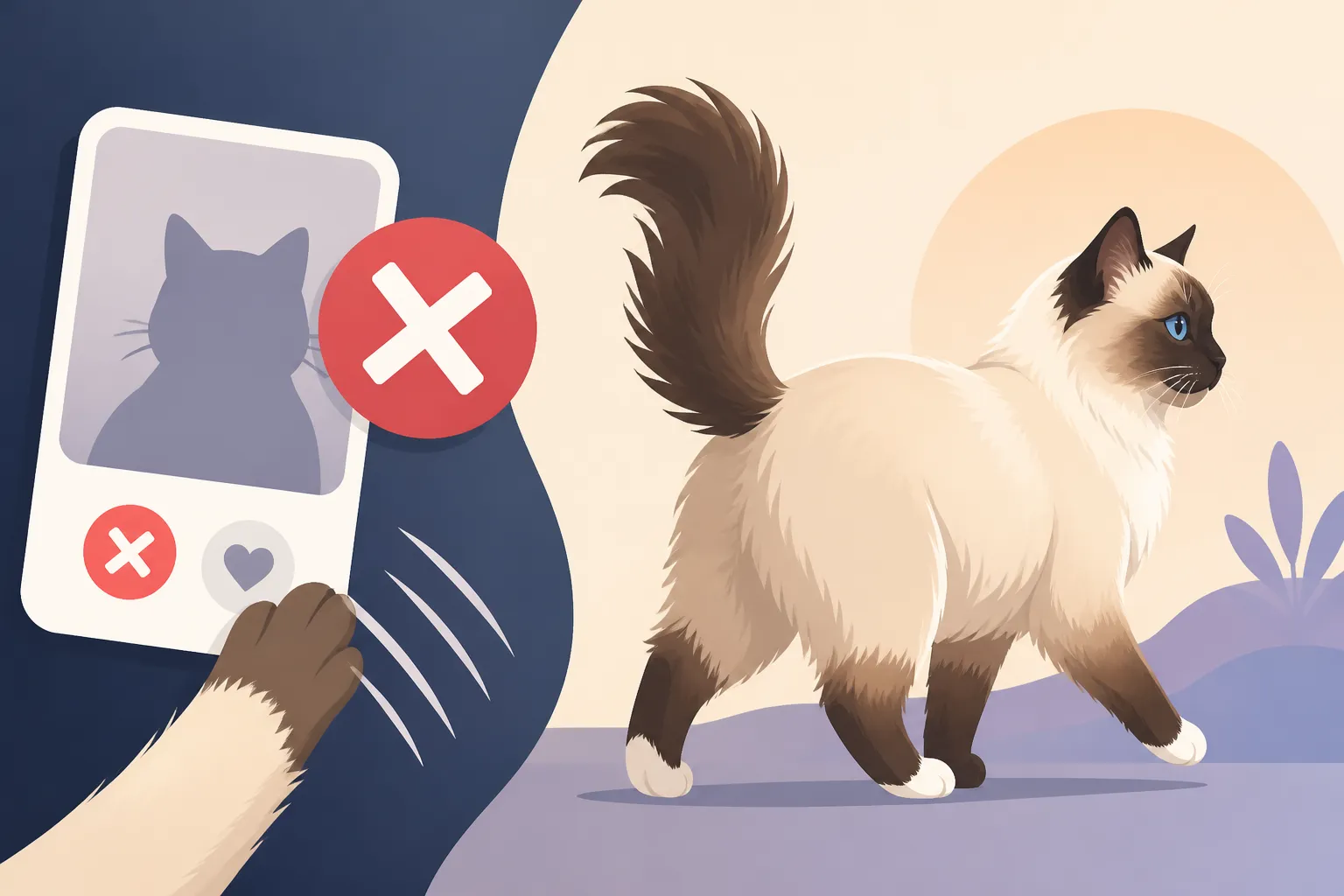
For instance, if you're petting your Birman in a spot they don't particularly enjoy – perhaps their belly, which many cats guard fiercely – a typical cat might give a warning nip or a quick swipe. Your Birman, on the other hand, will likely just gently lean away, maybe give a slow blink, and then gracefully shift its position until it's out of reach, or simply stand up and move to a more comfortable perch. It’s a masterclass in non-verbal communication, asking you to respect their space without ever raising a paw in anger.
Choosing Retreat Over Confrontation: Why Birmans Walk Away
The act of walking away is a deliberate and ingrained behavior for the Birman. It speaks volumes about their personality and their approach to living harmoniously within their environment. For them, a peaceful retreat isn't a sign of weakness; it's a display of their preferred method of conflict resolution.
De-escalation as a Default
Birmans are natural de-escalators. Their instinct when faced with an uncomfortable or potentially threatening situation is to diffuse it by removing themselves. This is deeply tied to their placid temperament and their low aggression threshold. They don't typically have a high drive to dominate or assert physical control over their environment or their companions. Instead, they value tranquility above all else.
Consider a scenario where a playful puppy (or an overly enthusiastic child) is getting a bit too boisterous around your Birman. Many cats might hiss, growl, or swipe to put the younger, more energetic creature in its place. Not your Birman. It will likely watch with wide, serene eyes for a moment, perhaps give a slow tail flick, and then, with remarkable composure, simply get up and stroll away to a quieter corner. This is Why a Birman Settles Next to a Dog Within a Week or Why a Birman Tolerates Toddlers are common observations – they manage potential irritants through graceful withdrawal rather than confrontational displays. They truly embody the phrase "peace at all costs."
This avoidance strategy also means that Birmans are generally less prone to territorial disputes with other cats, particularly if they’ve been introduced properly. Rather than fighting for a prime sun spot, a Birman would likely find another comfortable place, even if it's not quite as ideal. This makes them excellent candidates for multi-cat households, provided all residents share a similar gentle disposition. If you're looking for ways to foster this peace, consider pheromone diffusers, readily available on Amazon, which can help maintain a calm atmosphere for all your feline friends.
When Escape Isn't an Option
Of course, not every situation allows for a graceful exit. There might be times when your Birman feels genuinely trapped or cornered, or when a sudden pain causes an involuntary reaction. In these rare instances, their usual composure might break, but even then, a full-blown attack is uncommon.
If a Birman is truly cornered, its primary response will still be to try and squeeze past, to find any available escape route. They might vocalize a soft, low growl or a distressed cry, but these are often pleas for space rather than aggressive threats. A swipe might occur as a last resort, usually with claws sheathed or only partially extended, more as a warning "back off" than an attempt to inflict injury. This is a crucial distinction and reinforces How Rarely a Birman Puts a Claw Into Anyone.
For example, during a vet visit, if a procedure is painful or frightening, a Birman might flinch, try to pull away, or even emit a startled yelp. However, they are far less likely to scratch or bite the vet or technician than many other breeds. Their default setting for conflict resolution remains avoidance and withdrawal, even under duress. This makes them a favorite among veterinary staff for their generally cooperative nature. It's truly a testament to their deep-seated gentleness.
Life with a Non-Swiping Cat: Benefits and Responsibilities
Understanding your Birman's tendency to walk away instead of swipe has significant implications for how you live with and care for them. It highlights both the immense benefits of their placid temperament and the unique responsibilities you have as their human companion.
Harmony in Multi-Pet and Family Homes
The Birman's inclination to retreat makes them exceptional companions for families with children and other pets. They are remarkably patient and tolerant, often absorbing the boisterous energy of a household without becoming agitated. This doesn't mean they're doormats; it means they have excellent self-preservation instincts that prioritize peace.
When introducing a Birman to children, their gentle nature means teaching kids how to interact respectfully becomes even more important. Teach children to recognize the subtle cues – the leaning away, the soft gaze, the quiet shift in position – that signal your Birman needs a break. Explain that when the cat walks away, it's not being rude, but rather indicating it needs a moment of peace. Respecting this boundary ensures that your Birman always feels safe and understood, reinforcing their trust in the family. Teaching a Child to Support a Birman's Long Back is a great start, as it teaches respectful physical handling.
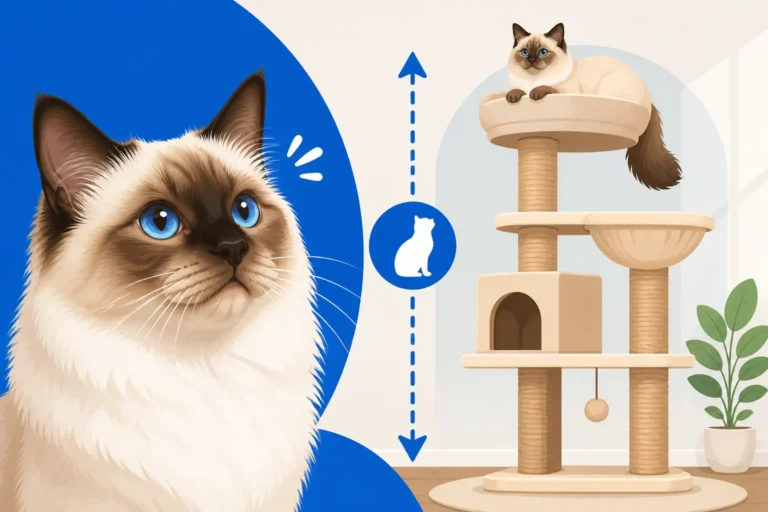
In homes with multiple pets, especially dogs, a Birman's non-confrontational style is a huge asset. They won’t challenge a dog for toys or prime sleeping spots. Instead, they’ll simply find an alternative, often perching nearby but just out of reach, observing calmly. This contributes greatly to household harmony, as fewer skirmishes means a more relaxed environment for everyone. If you have an active household, providing high perches or quiet spaces where your Birman can retreat without feeling entirely isolated, such as a cat tree from Amazon, can be very beneficial. This allows them to "walk away" to a vertical escape route.
Respecting Boundaries During Care and Play
While Birmans are generally easy to handle for grooming and vet visits, their preference for retreat means you must always be mindful of their boundaries. They won't usually lash out, but prolonged unwanted handling can cause stress.
For grooming, which is an important part of caring for their beautiful silky coat, a Birman will typically tolerate regular combing quite well. However, if you hit a tangle or pull too hard, they're more likely to gently pull their head away or try to step down from your lap than to scratch you. How to Get a Birman Used to Grooming from a young age is crucial for making these sessions pleasant. If you feel resistance, it’s a signal to pause, readjust, and perhaps offer a gentle word or a treat before continuing. Their quiet acceptance is not an invitation to push their limits; it’s an act of trust that you must honor. A soft-bristled brush, also easily found on Amazon, can make grooming a soothing experience, reducing any potential discomfort.
During playtime, Birmans are known for their gentle play style. They enjoy interactive games but rarely play rough. They are more likely to chase a wand toy with elegant pounces than engage in wrestling matches. If they become overstimulated or tired, they'll simply stop playing and walk away, signaling the end of the game. It’s important to respect this, as forcing interaction when they want to disengage can diminish their enjoyment and trust. How a Birman's Play Changes at Seven illustrates that they remain playful but often with a calmer, more measured approach as they mature.
Managing Stress and Discomfort
Because Birmans are so adept at hiding their discomfort by retreating, it can sometimes be challenging to tell when they are truly stressed or unwell. A Birman that is stressed might simply become more withdrawn, spending more time in quiet corners, or eating less. These subtle changes in routine are often their silent plea for help.
If your Birman suddenly stops seeking your company, even in its usual quiet way, or starts hiding for extended periods, it’s a significant red flag. This isn't just them walking away from a mild annoyance; it could indicate they are feeling unwell or deeply stressed. A usually placid cat that starts avoiding all interaction could be signaling pain or illness, and a vet visit would be prudent. What a Withdrawn Birman Is Telling You and Why a Birman That Stops Following You Needs a Vet are excellent resources for recognizing these critical shifts.
Providing a consistent, predictable environment is key to a Birman's well-being. Sudden loud noises, unexpected guests, or changes to their routine can cause stress. While they may not lash out, chronic stress can lead to other issues like overgrooming or a decreased appetite. Creating safe, quiet spaces and maintaining a steady routine helps reinforce their sense of security, allowing them to remain the calm, gentle companions we adore. Sometimes, simple measures like ensuring their litter box (perhaps an extra-long one for their rectangular frame) is always clean and in a quiet, accessible spot, can make a huge difference to their overall comfort.
| Scenario | Common Cat Reaction | Birman Reaction (Typical) |
|---|---|---|
| Unwanted Petting | Hiss, swat, bite warning | Lean away, shift position, stand and walk away |
| Loud Noise / Startle | Jump, hide, hiss, defensive posture | Flich, wide eyes, seek cover, quiet retreat |
| Overly Playful Companion | Swipe, growl, pin down | Observe calmly, then calmly walk away to a higher perch |
| Vet Visit / Unpleasant Care | Struggle, scratch, bite | Try to pull away, vocalize mild distress, tolerate briefly |
| Crowded Space | Agitated, seek exit, hiss at perceived threat | Find a quieter spot, sit slightly apart, observe from distance |
In conclusion, your Birman's preference for walking away over swiping is a beautiful expression of their deeply gentle and harmonious nature. It’s a trait that makes them wonderfully adaptable companions for many types of households, but it also places a responsibility on us, as their humans, to learn and respect their subtle language of discomfort. By paying attention to their cues and providing a safe, understanding environment, you'll ensure your Birman feels truly at home and cherished, able to express its serene self without ever needing to raise a paw in anger.
Disclaimer
This article is for general informational purposes only and does not constitute professional advice. Laws, prices and regulations vary by location and change over time. Consult a qualified professional for guidance on your specific situation.