How a Birman Behaves on Catnip
It’s a curious thing, isn't it? We hear all about cats and catnip, the wild antics, the crazy zoomies, but then you look at your wonderfully calm and collected Birman, and you can't help but wonder: will my gentle companion suddenly transform into a feline whirlwind? It’s a common question, and one we’re going to explore today, diving into what you can genuinely expect when you introduce catnip to your beloved Birman.
Understanding the Magic of Catnip and Your Birman
Catnip, or Nepeta cataria, is a plant that holds a special allure for many cats, but it's not a universal experience, and even among responders, the reaction can vary wildly. For us humans, it might just look like a harmless herb, but for a cat, it contains a unique essential oil called nepetalactone. This compound is the true star of the show, mimicking certain feline pheromones and interacting with receptors in a cat's nose, which then triggers a response in the brain.
The Science Behind the Feline Frenzy (or Lack Thereof)
When a cat encounters nepetalactone, whether by smelling or ingesting it, the substance binds to protein receptors in their nasal tissues. This sensory input then sends signals to the cat's olfactory bulb, which processes smells, and from there, it travels to areas of the brain that regulate emotion and behavior, specifically the amygdala and hippocampus. For susceptible cats, this can lead to a temporary alteration in their normal behavior. Think of it as a brief, harmless euphoria or a burst of playful energy.
However, it's crucial to understand that not all cats are affected by catnip. The sensitivity to nepetalactone is actually an inherited trait, passed down genetically. Roughly 70-80% of cats worldwide respond to catnip. This means that about one in five cats, including Birmans, might look at a catnip-filled toy with utter indifference. Their genetic lottery simply didn't grant them the "catnip gene." If your Birman is one of these non-responders, don't worry! It doesn't mean they're broken or unhappy; it just means they find their joy elsewhere.
Why a Birman's Reaction Might Be a Bit More Muted
Our beautiful Birmans are known for their incredibly placid and sweet dispositions. They are the epitome of calm elegance, often described as gentle giants who prefer to observe rather than dominate. This inherent temperament can sometimes influence how they react to catnip. While a more high-strung breed might zoom around like a rocket or become intensely vocal, a Birman often displays a softer, more refined version of the catnip "high."
You might find your Birman engaging in behaviors like rubbing their face and body against the catnip, purring deeply – so deeply you might have to lean in to hear it, as they rarely raise their voice – or rolling around with a blissful expression. Some might bat at a catnip toy with a little more gusto than usual, or perhaps get a case of the "zoomies" for a few minutes, though these are often less frantic and more of a graceful glide compared to other breeds. Afterward, they usually settle into a very relaxed, almost sleepy state. It's rare for a Birman to become aggressive or overly agitated from catnip, thanks to their generally mild-mannered nature. This means it can be a wonderful tool for enrichment, especially for a cat that How a Birman Behaves When Ignored.
The Stages of a Birman's Catnip Experience
Observing your Birman on catnip can be quite entertaining, and understanding the typical phases can help you appreciate their unique experience. It’s usually a short-lived affair, with the most intense effects lasting only about 10-15 minutes, followed by a period of calm before they become unresponsive to catnip for an hour or two.
The Initial Sniff and Rub Phase
When you first present catnip to your Birman, their reaction often starts with an intense interest in the scent. You’ll see them sniff, perhaps with wide, curious eyes, before moving to the classic "rub and roll." This involves them rubbing their cheeks, chin, and sometimes their entire body against the source of the catnip. This isn't just about getting the scent on themselves; it's thought to be a way of "activating" the nepetalactone, as crushing the leaves (even subtly by rubbing) releases more of the potent oil.
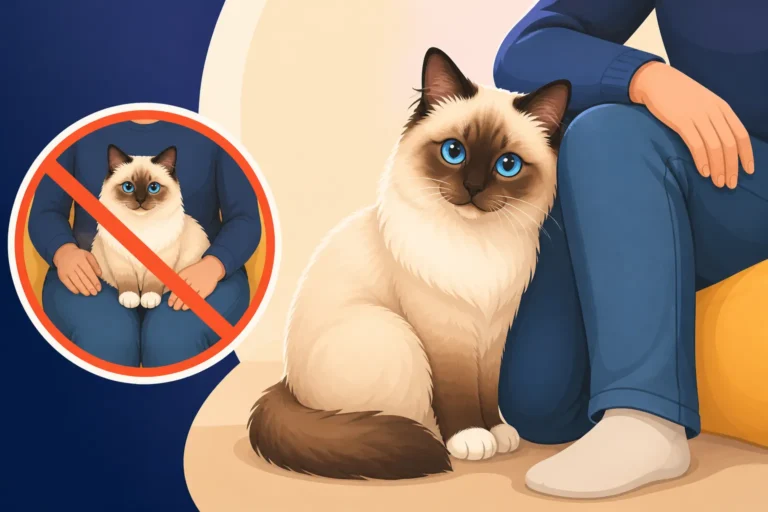
During this phase, many Birmans will also start purring, a low rumble that signifies contentment. They might look utterly blissful, eyes half-closed in a dreamy state. It’s a clear sign they are enjoying the sensory input. It’s during this time that you might notice them displaying more overt affection, perhaps even rubbing against your legs with more enthusiasm than their usual gentle presence, though they are usually happy to The Birman Sits Against Your Leg, Not on Your Lap regardless.
Playful Energy and the Post-Catnip Chill
Following the initial sniffing and rubbing, many Birmans will enter a more active, playful phase. This is where you might see them bat at a catnip-filled toy with renewed vigor, chase an imaginary mouse, or even engage in a short burst of playful running around. Given their generally Why a Birman Plays Gently, these antics are usually endearing rather than destructive. They might even try to "hunt" the catnip toy, pouncing on it with soft paws and a focused gaze.
After this burst of activity, which, as mentioned, is usually quite mild for a Birman, they typically transition into a very relaxed, almost tranquil state. They might find a cozy spot to curl up, perhaps on their favorite blanket or even on your lap, and drift off for a nap. This post-catnip chill is perfectly normal and shows that the stimulating effects have worn off, leaving them feeling serene. It’s like a gentle reset for their senses, making catnip a wonderful occasional treat for enrichment.
Individual Variations: Not All Birmans Are the Same
While the general Birman temperament lends itself to a milder catnip experience, remember that every cat is an individual. You might have a Birman who barely reacts, showing a polite sniff and then walking away, or one who gets a little more rambunctious, leaping to How Much Height a Birman Bothers to Jump For (though this is less common). The key is to observe your Birman's specific reaction.
Some Birmans might be more inclined to chew or eat the catnip, especially fresh leaves or dried forms. Ingesting catnip can sometimes lead to a different, often more sedative, response, though some cats might still get a playful kick out of it. It's generally harmless, and if your Birman enjoys a good chew, there are plenty of catnip-infused chew toys available on Amazon that can satisfy this urge safely.
How to Offer Catnip Safely and Effectively
Introducing catnip to your Birman should be a fun and positive experience for both of you. While it's generally very safe, there are a few tips to ensure your cat gets the most enjoyment out of it.
Choosing the Right Type of Catnip
Catnip comes in several forms, and what works best for one Birman might not be ideal for another.
- Dried Catnip: This is the most common form. It consists of dried leaves and flowers of the catnip plant. You can sprinkle it directly onto a favorite toy, a scratch post, or a designated "catnip mat." Many catnip toys come pre-filled with dried catnip, and you can find refillable options easily on Amazon.
- Fresh Catnip: If you have a green thumb, growing your own catnip plant is a fantastic option. Fresh catnip is often more potent, and many cats love to rub against the live plant or nibble on its leaves. Just ensure any plants you bring into the house are safe for pets.
- Catnip Spray: This is an extract of nepetalactone suspended in a liquid. It's great for refreshing old toys, enticing your Birman to use a new bed, or making a carrier less daunting for travel. Always check the ingredients to ensure it's pure catnip extract and safe for ingestion if your Birman licks it.
- Catnip Toys: These are readily available and come in various shapes, sizes, and textures. From small mice to plush fish, there's a catnip toy for every play style. For a Birman that Which Toys Suit a Birman That Plays Quietly, softer, plush toys might be more appealing for batting and rubbing. Look for toys that can be refilled, allowing you to refresh the potency.
Best Practices for Introducing Catnip
When you first introduce catnip, do so in a calm environment where your Birman feels safe and comfortable.
- Start Small: Begin with a tiny pinch of dried catnip or a small spritz of spray. You want to gauge their reaction without overwhelming them.
- Observe Closely: Watch your Birman's behavior. Are they interested? Are they rubbing, rolling, or playing? Note any unusual reactions, though these are rare for our gentle Birmans. It’s also a good idea to ensure they don't ingest excessive amounts, though it's typically harmless.
- Frequency: Catnip is best used as an occasional treat, perhaps once or twice a week. Frequent exposure can diminish its effects, as cats can become temporarily "immune" to it after a strong reaction. Spacing out the sessions keeps it special and effective.
- Designated Area: If you're sprinkling dried catnip, consider doing it in an area that's easy to clean up. Catnip bits can get everywhere, especially if your Birman is doing a vigorous roll! A dedicated mat or a sturdy How Tall a Birman's Cat Tree Should Be (even if they prefer not to climb to the top) can be a good place.
- Not for Everyone: If your Birman doesn't react, don't force it. There are plenty of other forms of enrichment, like puzzle feeders, wand toys, or simply spending quality time with you. A Birman does well with company and connection, often preferring it over intense stimulation.
| Birman Catnip Reaction | Typical Behavior | What it Means for Your Birman |
|---|---|---|
| Enthusiastic Responder | Rubbing, rolling, purring, mild zoomies, batting toys, sometimes drooling, eventually relaxing. | Your Birman has the "catnip gene" and enjoys its effects. It's a fun and harmless enrichment. |
| Mild Responder | Gentle sniffing, some rubbing, perhaps a deeper purr, but no intense play or hyperactivity. | Your Birman is sensitive to catnip but expresses it in a very subtle, calm way, true to their nature. |
| Non-Responder | Ignores the catnip, sniffs politely and walks away, no change in behavior. | Your Birman lacks the genetic sensitivity to nepetalactone. This is completely normal and healthy. |
| Rare Negative Reaction | (Very rare in Birmans) Hissing, aggression, excessive vocalization, nervousness. | Discontinue use immediately. This is highly uncommon for the placid Birman, but if seen, it suggests discomfort. |
When to Exercise Caution
While catnip is overwhelmingly safe, there are a few situations where you might want to be mindful.
- Overuse: As mentioned, too much catnip too often can lead to a reduced response. It’s better to use it sparingly to keep it effective and exciting for your Birman.
- Digestive Upset: If your Birman eats a very large quantity of catnip, it could theoretically lead to a mild stomach upset, though this is rare. Most cats self-regulate. If your Birman seems to consume it voraciously, perhaps stick to catnip toys they can't easily ingest.
- Existing Medical Conditions: If your Birman has a pre-existing medical condition, especially a seizure disorder, it's always wise to consult your vet before introducing new substances, even something as benign as catnip. However, for most healthy Birmans, it poses no risk. For a cat as famously placid as the Birman, remember that Why a Placid Birman Hides Pain, so always be observant for any signs of discomfort, whether related to catnip or not.
In conclusion, catnip can be a wonderful, safe, and entertaining addition to your Birman's enrichment routine. Most Birmans will react with gentle curiosity, followed by a period of blissful relaxation, perfectly aligning with their sweet and tranquil personalities. So go ahead, find a fun new catnip toy on Amazon, sprinkle a little dried magic, and enjoy watching your Birman embrace their inner playful spirit!
Disclaimer
This article is for general informational purposes only and does not constitute professional advice. Laws, prices and regulations vary by location and change over time. Consult a qualified professional for guidance on your specific situation.