Why a Birman Would Walk Up to a Stranger Outdoors
It’s a heart-dropping moment for any cat parent: you glance out the window, and there’s your beloved Birman, not in the yard, but heading straight for a stranger walking down the street. Our Birmans are famously gentle and affectionate, which is one of the many reasons we adore them, but this very trait, combined with their striking beauty, can put them in surprisingly vulnerable positions, especially if they manage to slip outside. This guide will delve into the unique aspects of a Birman's personality that lead them to such trusting behavior and explain the serious risks involved when they interact with people they don't know in an unsupervised outdoor setting.
The Birman's Innate Trust and Sociable Nature
One of the most defining characteristics of the Birman cat is its incredibly sweet and trusting disposition. These aren't your aloof, independent felines who tolerate your presence; Birmans genuinely thrive on companionship and interaction. This inherent friendliness extends beyond their immediate family to almost anyone they encounter, which is a big part of their charm but also a significant safety consideration.
Why Your Birman Greets Everyone Like an Old Friend
Birmans are often described as having a "dog-like" personality, not in their activity level, but in their unwavering loyalty and desire to be near their human companions. This means they often follow you from room to room, just wanting to be in the same space. Why a Birman Follows You Without Demanding Anything This extends to new people who enter their home. Unlike some breeds that might hide under the sofa until a visitor leaves, a Birman is more likely to emerge, curious and welcoming, offering a gentle head-butt or a quiet trill. They genuinely seem to believe that every human is a friend waiting to be made.
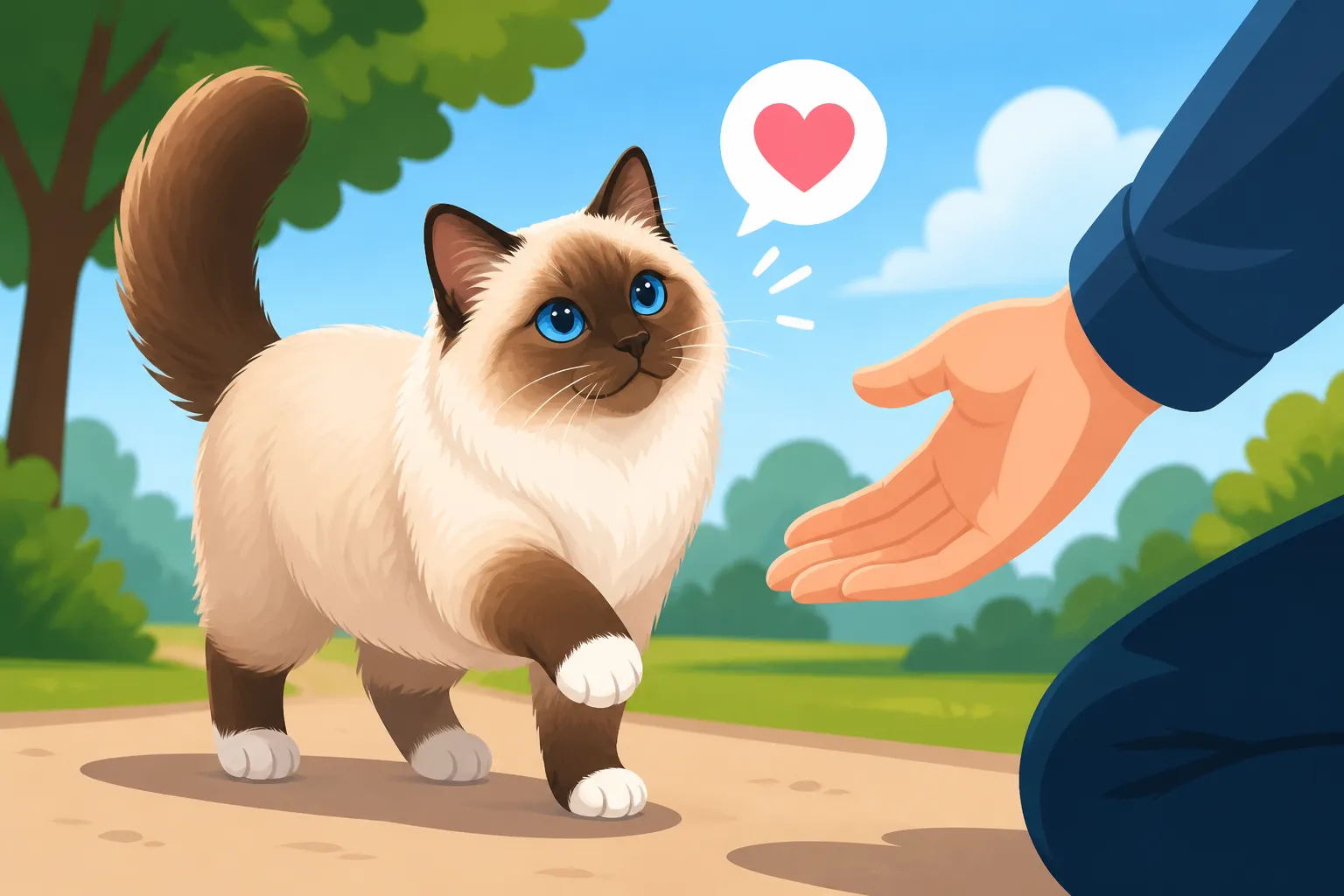
This characteristic, while lovely indoors, can be a real concern if they find themselves outside. Imagine a stranger walking past your home. A typical Birman, with its curious and people-oriented nature, might see this as an opportunity for interaction rather than a threat. They lack the inherent wariness of many other cat breeds. It's not a flaw in their character; it's simply who they are – open, friendly, and assuming the best in people. They don't have a "stranger danger" instinct built into their DNA in the way some more wild-tempered cats might.
Curiosity Over Caution: A Birman's Approach to the Unknown
A Birman's intelligence and inquisitive nature also play a role in their outdoor adventures. They aren't prone to frantic panic in new situations. Instead, they approach the unknown with a calm, investigative curiosity. If they see an open door or an unfamiliar face just beyond their usual boundaries, their first instinct might be to explore and investigate rather than to retreat in fear. They're not necessarily looking for trouble; they're simply investigating their world.
This means that a novel sight, sound, or smell outdoors could easily draw them towards a person they've never met. Perhaps the stranger is carrying a bag that rustles enticingly, or they speak in a soft, inviting tone. A Birman, ever the gentle soul, is much more likely to saunter over for a sniff and a potential head-scratch than to dart away. This curiosity, combined with their trusting nature, creates a perfect storm for them to approach and interact with strangers, regardless of whether those strangers have good intentions. This is a primary reason Why a Birman is the Cat Families Are Told to Get because they integrate so seamlessly with new people, but it also makes them vulnerable.
The Grave Dangers of a Birman Approaching Strangers Outdoors
While a Birman's friendly demeanor is endearing, it becomes a significant liability when they are unsupervised outdoors. The world beyond our homes is full of unpredictable elements, and a trusting cat like a Birman is uniquely unprepared for many of them.
The Heartbreaking Risk of Theft
Unfortunately, a Birman's striking appearance and gentle nature make them prime targets for theft. These cats are beautiful, with their silky, semi-long coats, deep blue eyes, and distinctive white "gloves" on their paws. Their placid temperament means they're not likely to scratch or bolt when picked up by an unfamiliar person. Why a Birman Would Be Stolen Outdoors This makes them incredibly attractive to unscrupulous individuals who might see a valuable, easy-to-handle cat wandering alone.
Imagine a scenario where your Birman, thinking everyone is a friend, calmly walks up to a stranger. That stranger, seeing such a gorgeous and docile animal, might easily pick them up and simply walk away. Your Birman might not protest, assuming it's just a friendly interaction, until it's too late. The emotional distress of losing a beloved pet this way is immeasurable, and the odds of recovery can be tragically low, especially if they are taken far from home. This risk is exponentially higher for a Birman compared to a more skittish or less obviously valuable breed.
Beyond Theft: Traffic, Predators, and Unseen Hazards
Even if theft isn't an issue, the outdoor environment presents a myriad of other dangers that a friendly Birman is poorly equipped to handle. Unlike street-savvy moggies who learn to navigate traffic and avoid danger, Birmans are typically indoor cats. Their placid nature, which we cherish, means they might not react quickly enough to fast-moving vehicles. They aren't built for speed and quick evasive maneuvers in the same way a more agile cat might be.
Beyond traffic, there are other animals. Depending on where you live, predators like coyotes, foxes, or even aggressive dogs can pose a severe threat. While a Birman might hold its own in a playful tussle with a family dog they know, they are not equipped for a serious confrontation with a wild animal or an unfriendly canine. Their trusting nature means they might not even recognize a threat until it's too late to flee effectively. Furthermore, unseen hazards like poisons, harmful plants, or open containers of antifreeze are also grave concerns for an exploring cat. A Birman's curiosity could easily lead them to investigate something toxic.
The Hidden Health Threats of Outdoor Life
It's not just immediate dangers that lurk outside. A Birman allowed to roam freely is exposed to a host of health risks. Fights with other cats can lead to painful abscesses, bite wounds, and the transmission of serious diseases like Feline Immunodeficiency Virus (FIV) or Feline Leukemia Virus (FeLV). Even if your Birman is vaccinated, exposure to unknown, unvaccinated cats is always a gamble.
Parasites are another huge concern. Fleas, ticks, ear mites, and various intestinal worms are all easily picked up from the outdoor environment and can lead to significant discomfort and health issues. While regular preventative treatments help, constant exposure increases the risk. A Birman's long, silky coat, while beautiful, can also pick up burrs, twigs, and all sorts of debris, leading to mats and potential skin irritations that indoor cats rarely face. The cost and stress of treating these outdoor-acquired conditions can be substantial, making prevention truly the best medicine. This is why Why a White Gloved Cat Should Never Be Let Out is such crucial advice.
Keeping Your Birman Safe: Indoors and Supervised Outdoors
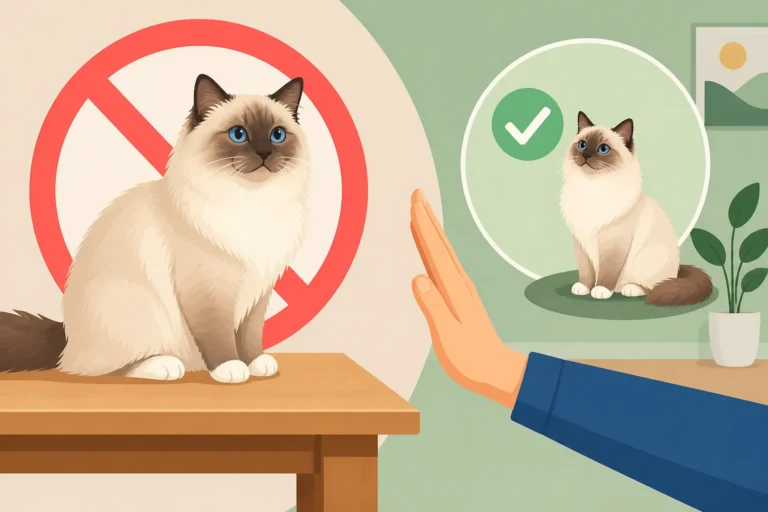
Given their trusting and curious nature, the safest place for a Birman is unquestionably indoors. However, we also want our beloved companions to lead rich, stimulating lives. There are ways to provide safe outdoor enrichment that respects their personality while mitigating the significant risks.
The Uncompromised Safety of an Indoor Lifestyle
For a Birman, an exclusively indoor life is not a deprivation; it’s a safeguard. A well-enriched indoor environment provides everything a Birman needs: warmth, safety from traffic and predators, consistent food and water, and most importantly, plenty of human interaction. Why a Birman Should Not Be Left in an Empty House because they truly crave companionship. Investing in vertical spaces like cat trees, interactive toys, and regular play sessions with wand toys purchased from places like Amazon can keep them physically and mentally stimulated.
An indoor Birman is protected from the dangers of disease transmission, accidental poisoning, and physical altercations. It also prevents them from approaching strangers who might have ill intentions. While some argue that cats "need" to be outside, for a breed as gentle and trusting as the Birman, the risks far outweigh any perceived benefits of unsupervised outdoor access. Their lifespan is also generally longer and healthier when kept indoors, away from the many perils the outside world holds.
Safe Outdoor Experiences: Harnesses and Catios
If you feel your Birman truly yearns for a taste of the outdoors, there are safe, supervised options. Harness and leash training can be a wonderful way to allow your Birman to explore a secure garden or quiet park under your direct supervision. It's important to start this training when they are kittens and to use a comfortable, escape-proof harness. Many excellent options for cat harnesses and leashes can be found on Amazon, with various styles to suit a Birman's long frame and silky coat. This way, you control their interactions and can ensure they don't wander off to greet a stranger or into traffic.
Another fantastic option is a "catio" – a secure outdoor enclosure. These can range from small window boxes to elaborate, fully enclosed runs connected to your home. A catio allows your Birman to enjoy fresh air, sunshine, and the sights and sounds of nature without any risk of escape or encountering strangers. How Much Catio a Birman Needs to Be Content varies, but even a small, well-designed catio can provide immense enjoyment. It's a fantastic compromise that satisfies their curiosity for the outdoors while keeping them perfectly safe.
Essential Preparations for Any Outdoor Venture
Even with the best intentions and supervision, accidents can happen. Preparing for the worst, even when hoping for the best, is a crucial part of responsible Birman ownership, especially if you ever plan for them to spend time outdoors, even supervised.
Identification: Microchips and Collars
For any cat, but especially a friendly, valuable breed like a Birman, proper identification is non-negotiable. A microchip, implanted by your vet, provides permanent ID that cannot be lost. Ensure your contact information associated with the chip is always up-to-date. This is your best chance of reunification if your Birman ever gets lost and is found by a stranger or taken to a shelter.
In addition to a microchip, a breakaway collar with an ID tag is highly recommended, even for indoor cats. The tag should include your phone number and perhaps your cat's name. Breakaway collars are designed to snap open if caught on something, preventing injury, which is important for a cat's safety. While it’s possible for a collar to come off, it provides immediate visual identification to anyone who finds your cat, making it easier for them to contact you directly. You can find durable and safe breakaway collars with customizable tags on Amazon.
Creating a Secure Home Environment
Ultimately, preventing your Birman from getting outside in the first place is the most effective strategy against them approaching strangers outdoors. This means diligently securing all potential escape routes. Check windows for gaps, ensure screens are intact and sturdy, and be mindful of open doors. If you have guests over, politely ask them to be extra careful about keeping doors closed, as Birmans are often quick and quiet.
For homes with frequent in-and-out traffic, consider installing spring-loaded screen doors or even double doors if feasible. This creates an extra barrier that can prevent an accidental dash. Remember that a Birman's placid nature means they might not vocally protest being accidentally shut outside; they're more likely to calmly observe their surroundings and, yes, perhaps walk up to the first friendly face they see. So, vigilance on your part is paramount in keeping your beautiful, trusting Birman safe within the confines of your loving home.
Comparison of Outdoor Access Options for Birmans
| Type of Outdoor Access | Benefits | Risks | Supervision Required | Recommended for Birmans? |
|---|---|---|---|---|
| Unsupervised Roaming | "Freedom" (from cat's perspective) | Theft, traffic accidents, predators, fights, disease, poisoning, getting lost, approaching strangers | None | No, absolutely not. |
| Harness & Leash Walks | Controlled exploration, fresh air, exercise, bonding | Escape from harness (if ill-fitting), potential exposure to unknown dogs/cats, requires owner's full attention | High | Yes, with proper training and equipment. |
| Cat Enclosure (Catio) | Safe outdoor experience, fresh air, sunshine, mental stimulation | Cost of installation, requires secure construction, can be dirty if not cleaned regularly | Low (once secured) | Yes, highly recommended. |
| Supervised Yard Time | Limited outdoor exposure, fresh air | Escape risk, exposure to garden toxins/wildlife, requires constant owner vigilance | High | Only in fully enclosed, supervised, and safe yards. |
Disclaimer
This article is for general informational purposes only and does not constitute professional advice. Laws, prices and regulations vary by location and change over time. Consult a qualified professional for guidance on your specific situation.