Why a Birman Does Badly as an Only Cat
Birman cats struggle emotionally as sole pets because their gentle, social temperament requires constant companionship and interaction.

Birman cats struggle emotionally as sole pets because their gentle, social temperament requires constant companionship and interaction.

Birman cat friendships depend on shared space and calm company rather than coat length, matching their affectionate and easygoing temperament.

Birman breeders often sell two kittens together because these social cats suffer in silence and need constant companionship.
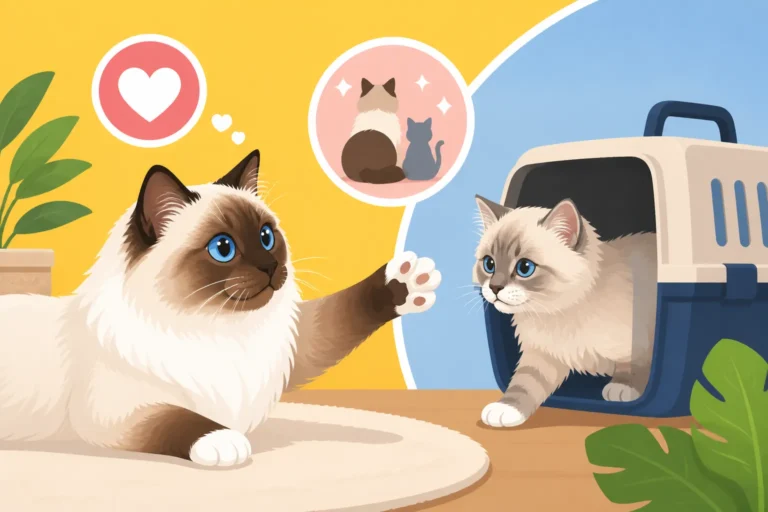
Bringing a second cat to a lonely Birman reduces stress and anxiety while providing the constant companionship this gentle breed needs.

The gentle and adaptable Birman cat coexists peacefully with a calm dog because of quiet communication and low territorial aggression.

Dog temperaments featuring low prey drives and moderate energy levels complement the gentle, serene disposition of a Birman cat.

A Birman cat encountering a dog for the first time relies on calm observation, subtle anxiety signals, and safe retreats.
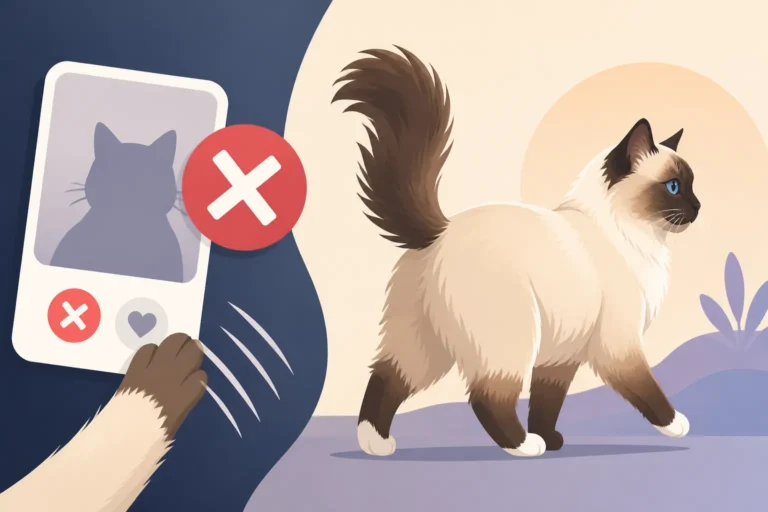
Birman cat temperament explains why this gentle breed avoids aggression, choosing to quietly walk away instead of swiping with paws.

Birman cat claws rarely scratch humans because this sweet-natured breed prefers passive communication and peaceful conflict avoidance.
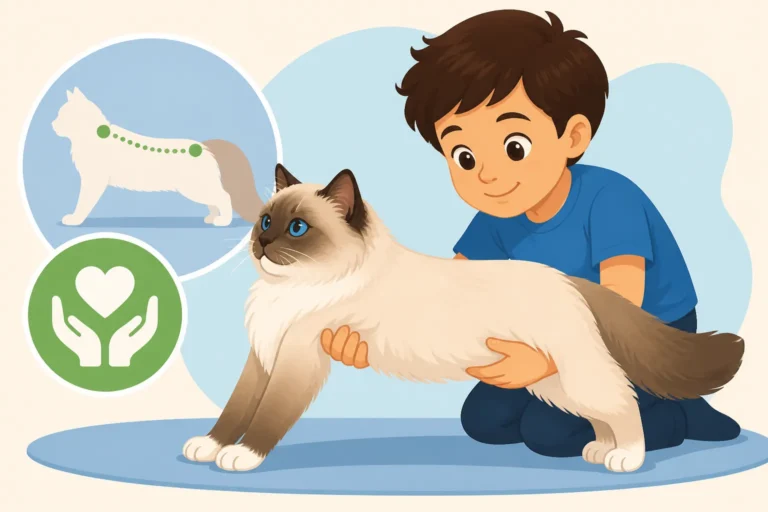
Proper Birman cat handling teaches children to support the long spine evenly, preventing muscle soreness and spinal injury.