Why a Birman Suits a Household With Children
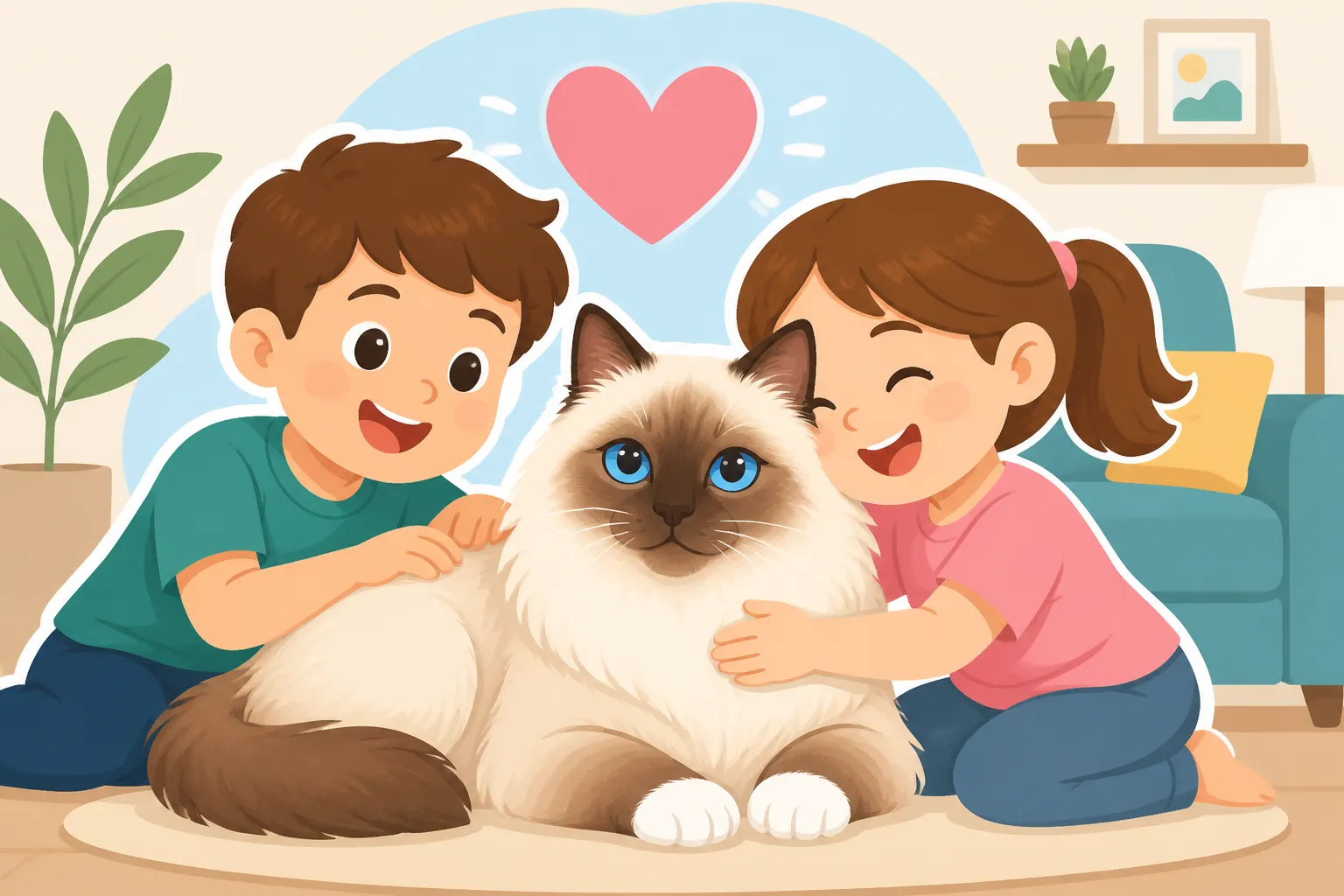
Bringing a new feline friend into a household buzzing with the energy of children can feel like a daunting prospect. Many families worry about finding a cat breed that will not only tolerate the hustle and bustle but genuinely thrive in it, offering companionship without adding stress. This comprehensive guide will explore exactly why the Birman cat, with its unique blend of placid temperament and affectionate nature, is often the ideal choice for homes with kids, detailing their gentle interactions and adaptable demeanor.
The Birman's Temperament: A Natural Fit for Family Life
The core of a Birman's suitability for family life lies deep within its very nature. These cats aren't just pretty faces; they possess a distinct personality that makes them wonderfully compatible with the unpredictable dynamics of a home with children. It's about more than just tolerance; it's about an inherent calmness that allows them to truly integrate.
Gentle and Patient Nature
One of the first things you'll notice about a Birman is their incredible gentleness. Unlike some breeds that might be quick to lash out with a claw if startled or annoyed, Birmans tend to be remarkably patient and forgiving. This isn't to say they are doormats, but rather that their threshold for minor disturbances, accidental jostles, or sudden noises from children is notably high. They're typically not prone to aggression, preferring to simply retreat from a situation they find uncomfortable rather than engaging in a confrontation. This makes them a safer choice for young children who are still learning appropriate pet interactions.
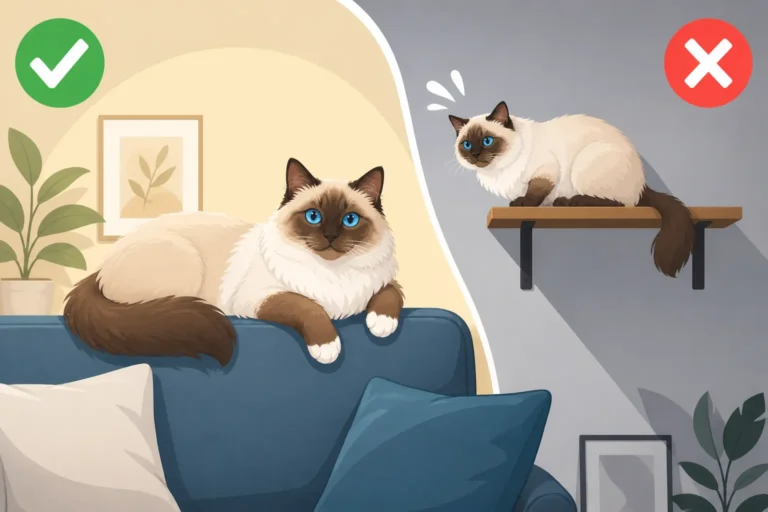
Imagine a busy afternoon: toys are scattered, laughter echoes, and a toddler might stumble a bit too close. A Birman in this scenario is far more likely to simply step out of the way, perhaps finding a quiet perch on a nearby sofa or a cat tree to observe the action from a safe distance, rather than swatting. Their calm demeanor helps foster a sense of security for both the children and the cat, reducing the anxiety that often comes with pet ownership in a lively family home. This intrinsic patience means fewer worries about accidental scratches or bites, allowing children to grow up with a gentle companion.
The "Follow-You-Without-Demanding" Trait
Birmans are famously affectionate, but in a way that truly complements a busy family. They are often described as "people-oriented" cats who love to be near their human companions, yet they rarely demand constant attention in an insistent, vocal way. They'll follow you from room to room, perhaps settling in the doorway as you cook, or curling up on the end of the bed while you read a story to your child. They want to be part of the family action, but on their own terms, and often simply by being present. This makes them perfect for children who might not always know how to respond to an overly pushy pet, or for parents who don't want a cat constantly vying for their limited attention.
This distinctive trait, that ability to simply exist contentedly in your orbit, means a Birman offers constant, subtle companionship. Children might notice their Birman companion just a few feet away, observing their play, which can be incredibly comforting. It fosters a feeling of connection without the pressure of constant interaction. Your child can feel loved and watched over, without having to drop everything to provide direct petting or play. It’s a quiet, reassuring presence that weaves itself seamlessly into the fabric of family life, as noted in their trait, Why a Birman Follows You Without Demanding Anything.
How a Birman Shows Affection Without Making Demands
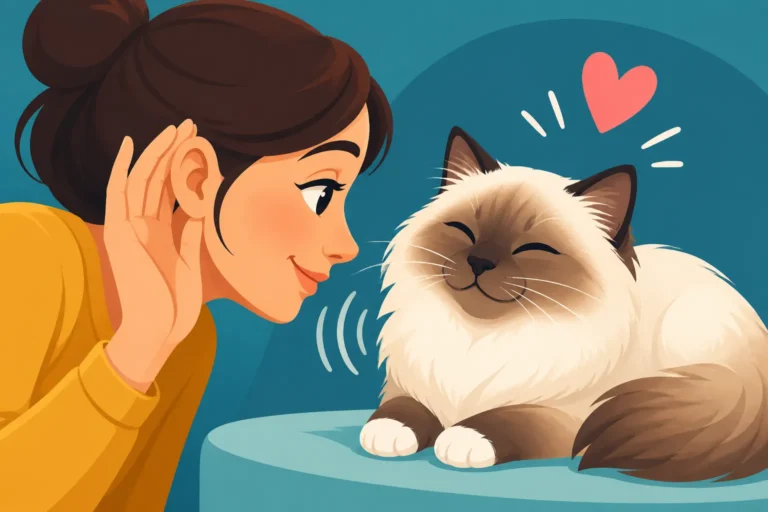
So, if they're not loud and demanding, how do Birmans show they care? Their affection is often expressed through subtle gestures that are easy to appreciate once you understand them. You might find your Birman leaning gently against your leg as you sit, perhaps offering a soft headbutt, or slowly blinking at you from across the room – a classic cat "love blink." When they do vocalize, it's typically a soft, polite trill, a gentle murmur, rather than a piercing meow. The Small Trill a Birman Uses Instead of a Meow is a hallmark of the breed, a quiet sound that signals contentment or a mild request, never an insistent demand.
This subtle communication style prevents them from being overwhelming, especially for younger children who might misinterpret more forceful displays of affection from other breeds. A Birman's quiet purr, often so soft you have to lean in to hear it, is a private moment of shared contentment. They might choose to nap in the same room as a child, on their own separate spot, simply enjoying the proximity. These undemanding expressions of love teach children about respecting boundaries and recognizing different forms of connection, making the Birman a fantastic teacher in gentle pet interaction, as explored in How a Birman Shows Affection Without Making Demands.
Navigating the Noise and Chaos of a Child-Filled Home
Let's face it, a home with children is rarely a silent, perfectly organized sanctuary. There are sudden bursts of laughter, dropped toys, and the general joyful cacophony that comes with growing up. Many potential cat owners worry about how a feline will cope with this reality, but the Birman often handles it with surprising grace.
Tolerance for Play and Activity
One of the biggest concerns for families looking to adopt a cat is whether the animal will be stressed by the high energy levels of children. Birmans generally take the typical commotion of a family home in stride. They aren't prone to startling easily at sudden movements or loud noises, which is a huge advantage. Instead of panicking or hiding for hours, a Birman might simply observe the children's play from a comfortable distance, perhaps from a cat tree or a high shelf, becoming an almost meditative presence in the room. This ability to be present without being overwhelmed is crucial.
They often possess a natural curiosity, so a child playing with a new toy might even attract their attention in a positive way. Imagine your child building a tall block tower that inevitably tumbles down with a crash. While a more nervous cat might bolt, a Birman might simply lift its head, twitch an ear, and then settle back down, perhaps with a soft blink. This resilience to ambient household noise and activity means parents can focus on family life without constantly worrying about their cat's stress levels.
Their Mellow Voice and Undemanding Communication
Another key aspect of the Birman's suitability for children is their incredibly quiet nature. If you've ever lived with a particularly vocal cat, you know how quickly constant meows can become grating, especially when trying to manage an already noisy household. Birmans are the opposite. Their communication is typically soft, consisting of gentle trills and chirps rather than loud, insistent meows or yowls. This means they are unlikely to contribute to the household noise levels or startle sensitive children with sudden, piercing cries.
This quiet demeanor extends to their requests, too. A Birman might rub against your leg or sit patiently by its food bowl when hungry, rather than engaging in a vocal protest. This undemanding communication style is a huge relief for parents who are already juggling multiple requests from their children throughout the day. The absence of constant caterwauling also means a more peaceful environment overall, making the home a calmer space for everyone, including the cat.
Avoiding Conflict: Walking Away Instead of Swiping
Perhaps one of the most reassuring traits for parents is the Birman's typical response to being overstimulated or receiving unwanted attention: they usually walk away. Instead of resorting to scratching or biting when they've had enough, Birmans prefer to simply remove themselves from the situation. This makes them incredibly safe companions for children, especially those who are still learning to read a cat's body language and understand its boundaries. Why a Birman Walks Away Instead of Swiping is a testament to their placid nature and a huge benefit in a family setting.
This instinct to retreat minimizes the risk of accidental injury to children and fosters a more harmonious home. It also teaches children a valuable lesson about respecting personal space and understanding consent, even from an animal. If a child is playing too roughly or getting too close, the Birman will typically offer clear, non-aggressive signals (like flattening its ears slightly or twitching its tail) before calmly moving to a different spot. This self-preservation through retreat makes them one of the safest breeds to have around young, curious hands.
Introducing a Birman Kitten to Children
The initial introduction and the subsequent training period are crucial for establishing a harmonious relationship between a Birman and the children in the household. With a breed as gentle as the Birman, the groundwork laid early on will ensure a lifetime of positive interactions.
Setting the Stage for Positive Interactions
Bringing a new kitten home is exciting, and children are often bursting with enthusiasm. The key is to channel that excitement into gentle, supervised interactions. Before the kitten even arrives, talk to your children about how to behave around a new, small animal. Emphasize quiet voices, slow movements, and the importance of letting the kitten approach them first. When the Birman kitten first comes home, provide it with a quiet, safe "base camp" room where it can decompress and feel secure. This room should have its food, water, litter box, and a cozy bed.
Introduce the children one at a time, or in small, calm groups, ensuring that all interactions are brief and supervised. Encourage gentle petting, perhaps with a soft toy or a wand toy from Amazon so there's a barrier between little hands and tiny claws. Reward calm behavior from both the children and the kitten with praise. Remember, the goal is for the kitten to associate children with positive, calm experiences, not overwhelming ones. This initial period is critical for the Birman to develop trust and comfort in its new, lively environment.
Teaching a Child to Support a Birman's Long Back
Birmans are medium to large cats with a distinctive, somewhat long and rectangular body shape. When picking them up, it's really important to support their entire body, especially their back. This is a crucial lesson to teach children, both for the cat's comfort and to prevent potential injury. A child attempting to pick up a Birman by only its front legs, for instance, could cause discomfort or even harm. It’s a point so important that we specifically cover Teaching a Child to Support a Birman's Long Back in more detail.
Teach children to place one hand under the Birman's chest, just behind its front legs, and the other hand under its hindquarters, lifting gently and supporting the cat's full length. Show them how to hold the cat securely against their body, making the Birman feel safe and stable. Practice this together, always supervising until they are confident and consistent. This not only prevents strain on the Birman's spine but also reinforces a respectful and caring interaction between child and pet, strengthening their bond.
Establishing Routines and Boundaries
Cats, Birmans included, thrive on routine and predictability. Establishing clear routines for feeding, playtime, and quiet times helps both the cat and the children understand what to expect. For example, designated playtimes with the Birman can be a fun activity for children, teaching them responsibility and appropriate interaction. Using interactive toys, such as feather wands or laser pointers, which are readily available on Amazon, can provide engaging play sessions that don't require direct physical contact, making them safer for everyone.
Equally important are boundaries. Teach children that when the Birman walks away, it means it wants space. Show them where the cat's safe places are—like a high cat tree or a cozy bed in a quiet corner—and explain that these spots are "cat-only" zones. Emphasize that the Birman's food bowl and litter box are off-limits to children. Consistent reinforcement of these rules from parents helps the Birman feel secure and respected, and teaches children invaluable lessons about empathy and respecting other living creatures' needs. This foundation of respect will build a truly wonderful and lasting relationship.
Integrating a Birman into the Existing Family Dynamic
A Birman doesn't just adapt to children; they often integrate seamlessly into the broader family dynamic, including existing pets. Their calm and adaptable nature truly shines when navigating multiple personalities and species within the home.
Compatibility with Other Pets, Including Dogs
Families often already have other pets when considering adding a cat. The good news is that Birmans generally have a stellar reputation for getting along well with other animals. Their placid, non-confrontational nature means they are less likely to instigate conflicts and more likely to adapt to the existing social structure of your home. This includes dogs! With proper, slow introductions, many Birmans will comfortably share their space with a canine companion. Why a Birman Settles Next to a Dog Within a Week speaks volumes about their adaptability and easygoing temperament.
They won't usually challenge an existing dog for dominance, and they are typically not easily intimidated. Instead, they often adopt a "live and let live" attitude, finding their own comfortable spots and observing. A Birman might even enjoy a gentle chase with a dog that understands feline boundaries, or snuggle up to a calm canine for a nap. This harmonious coexistence is a huge relief for families who want a multi-pet household without the stress of constant squabbles or social tension.
Managing Energy Levels: A Calmer Playmate
While Birmans certainly enjoy playtime, their energy levels are generally moderate. They aren't typically the type of cat that will bounce off the walls for hours on end, demanding constant, high-intensity play. This makes them a fantastic playmate for children, as their play style is often gentle and interactive rather than overly boisterous. Children can engage them with wand toys, soft balls, or even a simple piece of string, without feeling overwhelmed by a cat that's too fast or too rough.
Their preference for gentle, interactive play means that children can build confidence in playing with a cat. They might enjoy chasing a feather toy or batting at a soft mouse, but they're unlikely to launch themselves into acrobatic displays that could accidentally scratch a child. You can find a wide variety of suitable, child-friendly cat toys on Amazon that encourage this kind of gentle interaction. This calmer play style helps prevent overstimulation for both the cat and the child, fostering a positive and safe environment for shared activities. Which Toys Suit a Birman That Plays Quietly highlights their preference for gentler enrichment.
The Birman as a Comfort and Companion
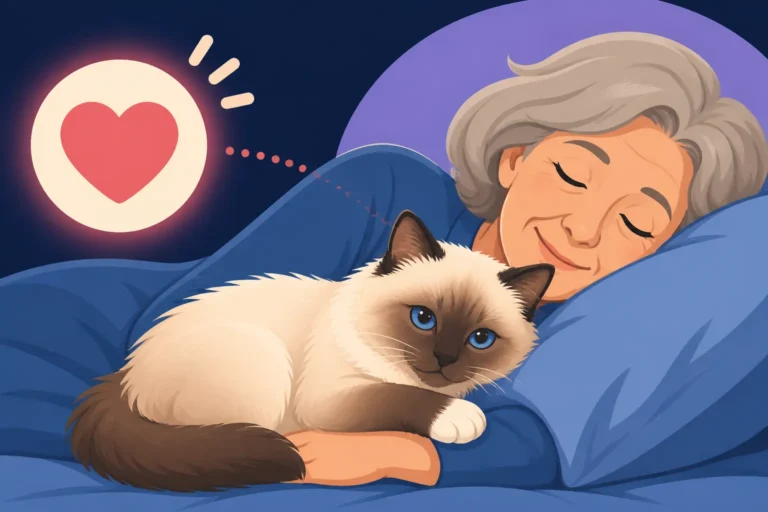
Beyond play, the Birman truly excels as a source of comfort and quiet companionship. For children, a Birman can be a warm, reassuring presence, a quiet confidante during a tough day, or a furry hot water bottle during a quiet reading session. They often seek proximity, choosing to nap on the sofa nearby while a child watches TV, or settling on the bed as a child goes to sleep. This gentle, constant presence can be incredibly beneficial for a child's emotional well-being, offering unconditional affection and a steady, calming influence.
A Birman's calm demeanor means they are a soothing presence, rather than an additional source of noise or drama. They understand the art of simply "being there," offering silent support and a soft purr. Imagine a child curled up with a book, and their Birman companion quietly resting on the arm of the chair, or softly kneading beside them. This picture of peaceful coexistence is exactly what many families hope for when they bring a pet into their home, and it's a role the Birman embraces beautifully. As they love to be near you but not always on you, Why a Birman Sits Against Your Leg, Not on Your Lap describes this comforting presence perfectly.
Long-Term Considerations for Birman and Child Households
Choosing a Birman for a family with children is not just about the kitten phase; it's about a commitment to a long-term family member. Understanding how the Birman adapts as children grow and how to ensure their continued well-being is key to a successful, enduring relationship.
Maintaining a Peaceful Environment as Children Grow
As children grow from toddlers to adolescents, the dynamics of a household inevitably shift. The good news is that the Birman's foundational temperament—its patience, gentleness, and adaptability—tends to remain consistent throughout its life. This means that while the types of interactions might change (less rough-and-tumble play, more quiet companionship), the Birman will likely continue to integrate smoothly. Teenagers might find their Birman to be a quiet, non-judgmental listener during study sessions, or a comforting presence when they need a moment of peace.
It's still important to maintain clear boundaries and respectful interactions, even with older children. Remind them that while the Birman is part of the family, it still needs its quiet spaces and should never be tormented or startled intentionally. Encouraging children to take on age-appropriate responsibilities, such as feeding, grooming, or playing gently, can deepen their bond and teach them continued empathy and care. The Birman's consistent personality ensures it remains a beloved, stable fixture in a constantly evolving family landscape.
Health and Longevity: A Long-Term Family Member
When you welcome a Birman into your family, you're not just getting a pet for a few years; you're gaining a companion for potentially a decade and a half or more. Birmans generally have a good lifespan, often living for The Twelve to Sixteen Years a Birman Usually Gets. This longevity means your children can truly grow up with their Birman, creating deep, lasting memories and bonds. A cat that lives this long becomes an integral part of countless family milestones.
To ensure your Birman enjoys a long and healthy life alongside your children, regular veterinary check-ups are paramount. Discuss a preventive care plan with your vet, including vaccinations, parasite control, and dental care. As Birmans age, they may require more frequent check-ups to monitor for common senior cat conditions. Catching issues early, such as changes in weight or behavior, is crucial. Remember, a healthy cat is a happy cat, and a happy cat is a wonderful family member for many years to come. Do be mindful that Why a Birman Hides Illness Behind a Placid Temperament means you need to be observant of subtle changes.
The Importance of Continuous Education for Both Children and Cat
The journey of living with a Birman and children is one of continuous learning and adaptation. For children, it's about evolving their understanding of responsible pet ownership, empathy, and respect for animal welfare. As they mature, they can learn more about feline body language, nutritional needs, and the importance of a calm home environment. Books and online resources (many available through Amazon) can be great tools for educating children about their Birman's specific needs and characteristics.
For the cat, while Birmans are remarkably adaptable, they too benefit from consistency and clear communication. Continuing to provide predictable routines, safe spaces, and gentle interactions reinforces their sense of security. Regular, gentle grooming sessions, perhaps with a child helping to hold a treat, can be a bonding experience. Ultimately, the Birman's placid temperament makes it highly receptive to positive reinforcement and a willing participant in the family's journey, making it a fantastic companion and a gentle teacher of compassion for your children.
Here's a table comparing some key traits of Birmans versus other cat types often found in family homes:
| Trait / Category | Birman (Sacred Cat of Burma) | Active/Vocal Breeds (e.g., Siamese) | Plush/Demanding Breeds (e.g., Persian) | Domestic Shorthair (Mixed Breed) |
|---|---|---|---|---|
| Temperament | Gentle, patient, placid, affectionate but not clingy | Energetic, very vocal, highly interactive | Reserved, dignified, can be aloof | Varies widely; can be shy or outgoing |
| Interaction with Kids | Excellent; tolerant of noise & gentle handling, walks away from conflict | Can be overstimulating for young kids; might play rougher | Prefers quiet environments; can be stressed by noise | Can be great, but depends heavily on individual |
| Vocalization | Soft trill, chirps, rarely loud meows | Loud, persistent, demanding meows/yowls | Quiet purr, soft meow, generally silent | Moderate; can range from quiet to vocal |
| Patience Level | High; slow to anger, prefers retreat | Moderate; can be quick to react if overstimulated | Low; values personal space, prefers calm | Variable; some are patient, some are not |
| Demand for Attention | Moderate; enjoys proximity, not constant interaction | High; actively seeks and demands interaction | Low; generally independent | Variable; some are needy, some are independent |
| Activity Level | Moderate; enjoys gentle play, observant | High; needs lots of interactive play and stimulation | Low; enjoys napping, less playful | Moderate; playful but can also be lazy |
| Grooming Needs (Child involvement) | Moderate; single coat, less matting, easy to involve kids gently | Low; short coat | High; dense coat, prone to matting | Low to Moderate; depends on coat length |
Disclaimer
This article is for general informational purposes only and does not constitute professional advice. Laws, prices and regulations vary by location and change over time. Consult a qualified professional for guidance on your specific situation.