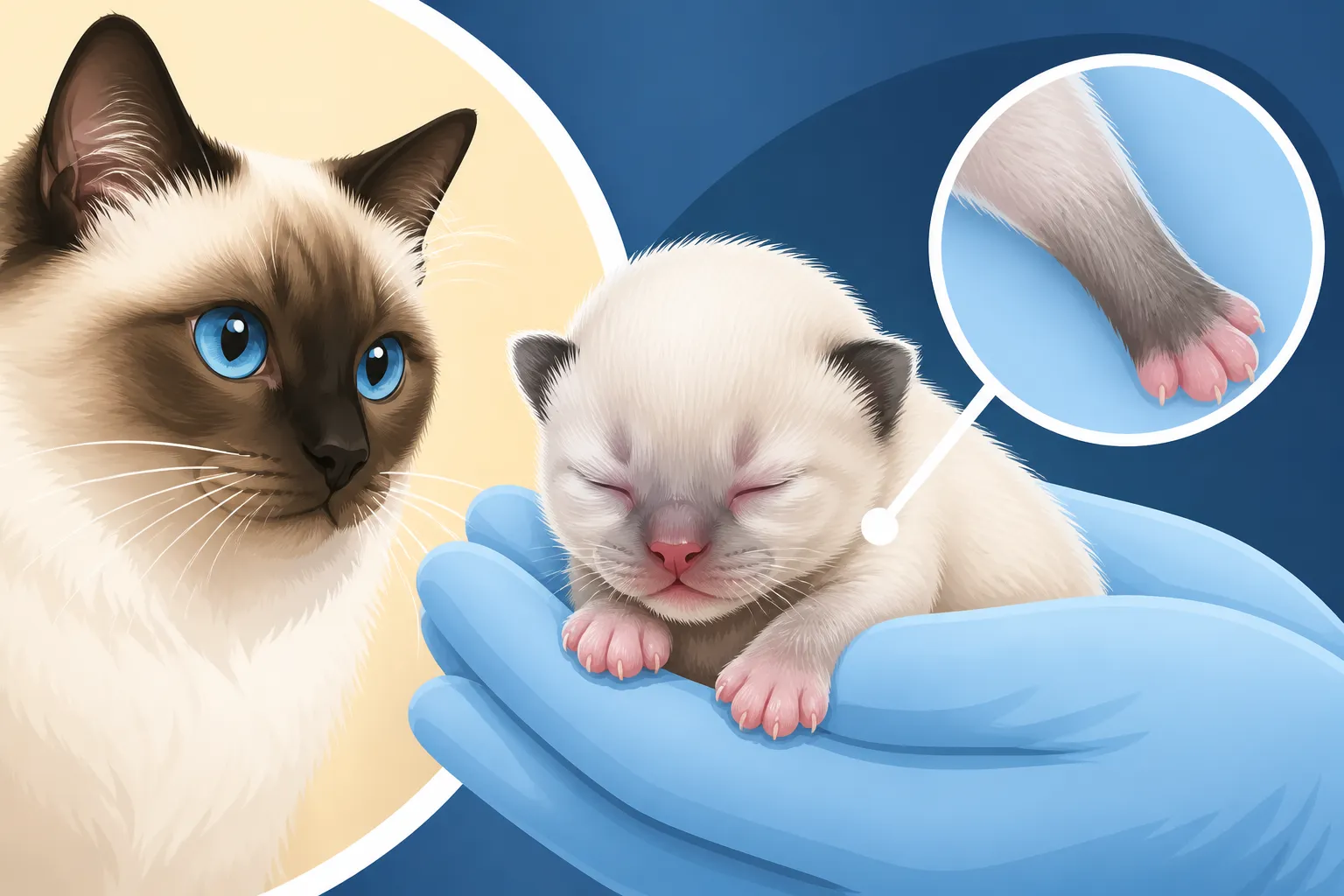
What an Affected Birman Kitten Looks Like at Birth
The moment a new litter of Birman kittens arrives is usually filled with immense joy and anticipation, but sometimes, breeders face a deeply heartbreaking situation when one of those precious babies isn't quite right. Discovering a kitten born without the characteristic silky coat, looking frail and utterly vulnerable, can be a truly shocking and devastating experience. This guide aims to shed light on exactly what an affected Birman kitten looks like at birth, offering a compassionate and detailed explanation of this rare but severe genetic condition.
The Initial Shock of a Hairless Birman Kitten
Imagine the scene: a proud Birman queen has just delivered her tiny, beautiful litter. You're expecting a flurry of white fluff, perhaps a faint hint of color on their points, and those signature white "gloves" on their paws. But then you spot one, starkly different, among its siblings. It's a moment that stops you cold, filling you with a mix of confusion, dread, and profound sadness. This immediate visual contrast is often the first, undeniable sign that something is terribly wrong.
Noticing the Lack of a Newborn Coat
While all Birman kittens are born relatively light, their fur is typically present, soft, and uniformly covering their bodies. An affected kitten, however, will be notably hairless, or at best, have an incredibly sparse, almost invisible downy fuzz. This isn't just about a thin coat; it's a profound absence of what should be there. Instead of that expected baby fluff, you’ll see delicate, exposed skin. This lack of a proper coat makes them look significantly different from their normally furred littermates, who might already be showing the beginnings of their classic Birman points. This initial appearance is so distinctive that it's nearly impossible to miss once you know what to look for, distinguishing them sharply from the healthy, bundled little ones.
The Unexpected Smoothness and Vulnerability
When you gently handle an affected kitten, the sensation is strikingly different. Instead of soft fur, your fingers meet smooth, almost rubbery skin. This smoothness isn't just aesthetically different; it signifies a profound vulnerability. Without the natural insulation of a coat, these kittens struggle immensely to maintain their body temperature. They often feel cold to the touch, even in a warm nesting box, and may shiver or appear lethargic due to constant heat loss. This physical difference immediately highlights their fragility, suggesting an underlying health challenge far beyond what a normal kitten might face. Their tiny bodies seem exposed and unprotected, emphasizing the severity of their condition from their very first breath.
Distinctive Physical Characteristics at Birth
The visual cues of an affected Birman kitten extend beyond just the lack of fur. Their skin, body temperature, and even the expected point coloration exhibit unique and troubling differences that indicate the presence of the FOXN1 Is the Birman's Own Genetic Disease – a condition formally known as Birman Hypotrichosis with Thymic Aplasia. These characteristics paint a clear picture of a kitten struggling from the outset.
Skin Texture and Appearance
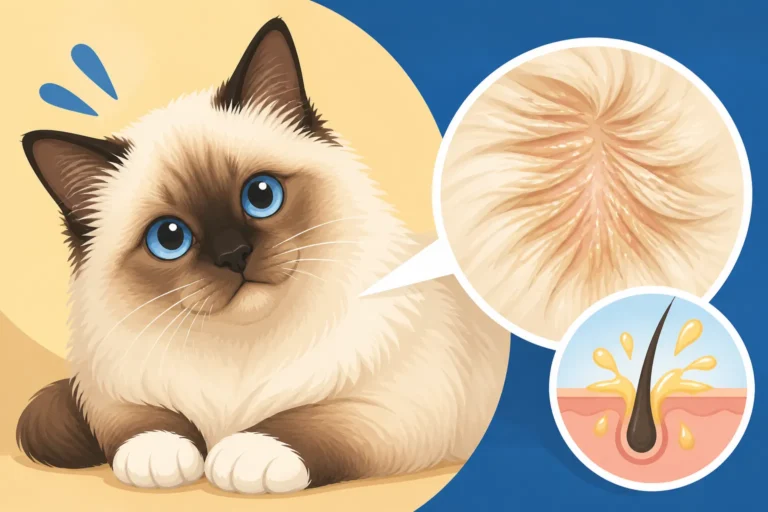
The skin of an affected Birman kitten is perhaps the most defining characteristic. Instead of being covered in soft fur, it appears unusually smooth and often somewhat translucent, revealing the pinkish hue of delicate skin beneath. You might also notice a slightly wrinkled appearance, particularly around the face and joints, as if the skin isn't quite filled out or taut. In some cases, as mentioned in "Why an Affected Birman Kitten's Skin Looks Greasy," the skin can even have a noticeably greasy or oily texture. This isn't due to poor hygiene but rather an inability of the skin to regulate its natural oils properly without a functioning hair follicle system. This altered skin texture is a direct result of the genetic mutation affecting hair development. The skin might also appear redder or more irritated than a normal kitten's, simply because it lacks the protective barrier of fur against friction or environmental factors within the nest.
Body Temperature Regulation Challenges
One of the most immediate and critical issues for a hairless Birman kitten is its inability to regulate body temperature. Fur acts as crucial insulation for newborns, helping them stay warm, especially when they are too young to do so themselves. Without this natural blanket, affected kittens lose heat rapidly to their environment. You'll often find them trying to burrow deeply into their mother's fur or pile close to their siblings, desperate for warmth. Despite these efforts, they can quickly become hypothermic, leading to profound weakness, sluggishness, and a failure to thrive. A normal kitten maintains a stable temperature, but an affected one will struggle, making constant vigilance and external heat sources (like a heating pad under the nesting box) absolutely essential, though often insufficient in the long term. This constant battle against cold saps their already limited energy reserves, making it difficult for them to feed or move effectively.
Absence of Normal Birman Point Color
Birman kittens are born with a genetically determined point coloration, meaning their extremities (ears, tail, paws, and face) will eventually develop a darker hue. However, at birth, these points are very subtle, often just a faint suggestion of color. For an affected kitten, this development is either entirely absent or so delayed and diminished that it's virtually unnoticeable. Because the FOXN1 gene also plays a role in hair follicle development, and point coloration is expressed through hair pigment, the lack of proper fur means the defining Birman pattern cannot manifest. This absence of even the earliest signs of points further distinguishes them from their healthy siblings, who, though light, will show nascent signs of their eventual seal, blue, chocolate, or lilac points. This makes their appearance even more striking: a uniformly pale or pink kitten lacking the delicate color gradients expected even in the youngest Birman.
Understanding the Underlying Genetic Condition: FOXN1 Deletion
The unique appearance of these affected kittens is not just a cosmetic anomaly; it's a visible symptom of a profound genetic issue. The condition, formally known as Birman Hypotrichosis with Thymic Aplasia, stems from a specific deletion in the FOXN1 gene. This gene is critically important for the development of both hair and the thymus gland. Understanding this genetic root is key to comprehending why these kittens face such overwhelming health challenges.
The Recessive Inheritance Pattern
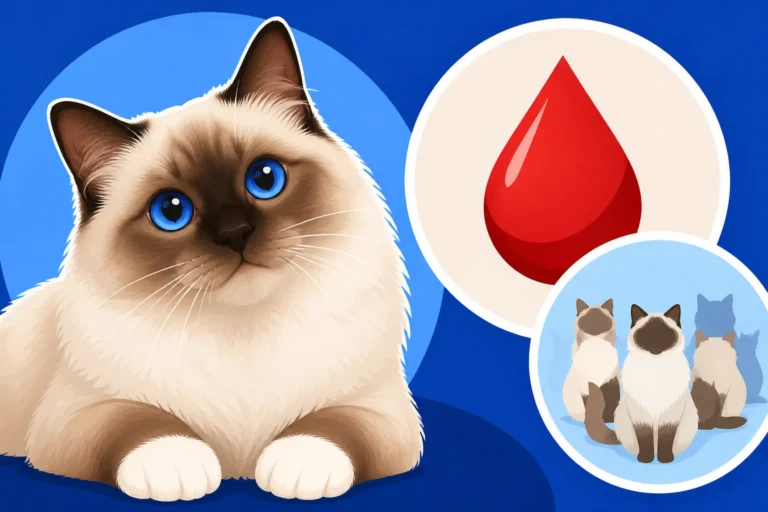
The FOXN1 deletion follows an autosomal recessive inheritance pattern. This means that a kitten must inherit two copies of the mutated gene — one from its mother and one from its father — to be affected by the condition. If a kitten inherits only one copy of the mutated gene and one normal copy, it becomes a carrier. Carriers are perfectly healthy and show no symptoms of the disease themselves, which is why it can silently pass through generations if breeders aren't vigilant with genetic testing. When two carriers are mated, there's a 25% chance with each kitten that it will inherit two copies of the faulty gene and be affected, a 50% chance it will be a carrier like its parents, and a 25% chance it will be completely clear. This explains why an affected kitten can suddenly appear in a litter from two seemingly healthy Birman parents. This information is crucial for breeders to prevent future occurrences, which is why it's so important to know Why Two Birman Carriers Should Never Be Mated.
Why the Thymus Gland is Missing or Underdeveloped
Beyond the hairlessness, the most devastating consequence of the FOXN1 deletion is its impact on the thymus gland. The FOXN1 gene is vital for the proper development and function of this small but mighty organ, which is located in the chest cavity. The thymus plays a central role in the immune system, specifically in the maturation of T-lymphocytes (T-cells), which are critical for fighting off infections. In affected Birman kittens, the thymus gland is either severely underdeveloped (hypoplastic) or completely absent (aplasia). As discussed in Why a Missing Thymus Leaves a Birman Defenseless, without a functioning thymus, these kittens cannot produce effective T-cells, leaving them with a severely compromised immune system. They are, quite literally, defenseless against even the most common pathogens that a healthy kitten would easily overcome. This profound immunodeficiency is the primary reason for their extremely short life expectancy and makes them incredibly fragile.
The Profound Health Implications for Affected Kittens
The genetic defect in affected Birman kittens goes far beyond surface appearance; it cripples their ability to survive and thrive. The combination of hairlessness and a compromised immune system creates a cascade of health issues that are almost impossible to overcome. These kittens are born into a world for which their bodies are tragically unprepared.
Extreme Susceptibility to Infections
Without a functioning thymus, an affected Birman kitten cannot mount an effective immune response against bacteria, viruses, or fungi. This means that common environmental pathogens, which a healthy kitten's immune system would swiftly neutralize, become deadly threats. Even the most sterile environment cannot fully protect them. They are prone to developing severe respiratory infections, often leading to pneumonia, and recurrent digestive issues, such as diarrhea and vomiting, which can quickly lead to dehydration and malnutrition. Skin infections are also common due to their exposed and fragile skin, further exacerbating their vulnerability. Every sniffle, every minor cut, or every exposure to a germ that a normal kitten might shrug off becomes a life-threatening emergency. This constant barrage of infections is precisely Which Infections Kill an Affected Birman Kitten. Despite the best intentions and meticulous care, their compromised immunity often proves insurmountable.
Respiratory and Digestive Fragility
The lack of a robust immune system means that the respiratory and digestive tracts, two major entry points for pathogens, are particularly vulnerable. Affected kittens often suffer from chronic upper respiratory infections, which can quickly descend into severe pneumonia, making breathing difficult and exhausting. Their lungs simply cannot fight off the invaders. Similarly, their digestive systems are extremely delicate. They may struggle to absorb nutrients, experience persistent diarrhea, and fail to gain weight. This gastrointestinal fragility is often compounded by secondary bacterial or viral infections that exploit their weakened state. The combination of struggling to breathe and struggling to feed properly leaves them desperately weak and unable to grow. Every feeding becomes a monumental effort, and their small bodies simply cannot sustain themselves against such overwhelming odds. Even with round-the-clock supportive care, the physiological strain on these tiny, fragile kittens is immense.
The Heartbreaking Reality of Prognosis and Care
For owners and breeders, discovering an affected Birman kitten is a journey filled with sorrow and difficult choices. Despite the best efforts, the prognosis for these kittens is universally grim, highlighting the ethical considerations that inevitably arise.
Short Life Expectancy and Ethical Decisions
It is a painful truth that an affected Birman kitten, born with the FOXN1 deletion causing hypotrichosis and thymic aplasia, has an extremely short life expectancy. As explained in Why Birman Hypotrichosis Is Called Short Life Expectancy, most affected kittens do not survive past a few weeks or months, often succumbing to overwhelming infections despite intensive supportive care. The longest they might survive is typically no more than seven or eight months, as outlined in How Many Months an Affected Birman Kitten Survives. This is not a condition that improves with age; their immune system deficit is permanent. This reality forces responsible breeders and compassionate owners to confront difficult ethical decisions. Prolonging life in the face of constant suffering, recurring infections, and a complete inability to thrive raises questions about the kitten's quality of life. These are conversations that are incredibly hard to have, but necessary, focusing on preventing prolonged pain and distress for the kitten.
The Role of Supportive Care vs. Quality of Life
When an affected kitten is identified, immediate and intensive supportive care is typically initiated. This can include maintaining a precise ambient temperature to compensate for their lack of fur, frequent feedings, meticulous hygiene to prevent skin infections, and potentially antibiotics or antiviral medications to combat the inevitable infections. However, this care is often merely palliative. It can alleviate some symptoms, but it cannot cure the underlying genetic defect or develop a functioning immune system. The question then becomes: is this supportive care truly improving the kitten's quality of life, or merely extending a period of discomfort and vulnerability? It's a heavy burden for those caring for these kittens. Organizations like Healthy Paws can provide peace of mind for other health issues that might arise in a cattery, but for a condition as severe and rapidly fatal as this, the financial and emotional toll on a breeder is immense, regardless of insurance. Deciding when to make the ultimate, compassionate choice to prevent further suffering is one of the hardest parts of dealing with this tragic condition.
Here's a quick comparison of what you might see:
| Trait | Normal Birman Kitten at Birth | Affected Birman Kitten at Birth (FOXN1) |
|---|---|---|
| Coat Appearance | Soft, uniform white/light fur | Hairless or extremely sparse, fine downy fuzz |
| Skin Texture | Covered by soft fur, healthy looking | Smooth, sometimes translucent, possibly greasy |
| Body Temperature | Maintains warmth well with mother/siblings | Struggles with hypothermia, feels cold |
| Point Color | Faint but discernible (e.g., ear tips) | Absent or barely visible |
| Vulnerability | Robust immune system development | Severely compromised immune system, defenseless |
| Overall Energy | Active, nurses vigorously | Lethargic, struggles to nurse |
Preventing Birman Hypotrichosis in Future Litters
While the discovery of an affected kitten is devastating, the good news is that this condition is entirely preventable through responsible breeding practices. Understanding the genetics and utilizing available tools can ensure no future Birman litter experiences such a tragedy.
Genetic Testing for Breeding Birmans
Because Birman Hypotrichosis with Thymic Aplasia is an inherited genetic disease, the most powerful tool in a breeder's arsenal is genetic testing. A simple DNA test, often done via a cheek swab, can definitively identify if a Birman is a carrier of the FOXN1 deletion. This test is readily available from specialized veterinary laboratories. Every breeding Birman, both queens and studs, should be tested before being considered for a breeding program. Knowing How a Birman Carrier Is Identified allows breeders to make informed decisions. If a cat tests "clear," it means it does not carry the gene and cannot pass it on. If it tests "carrier," it means it carries one copy of the gene but is healthy itself. If two carriers are unknowingly bred together, there's a 25% chance of producing an affected kitten in each litter. Avoiding such pairings is paramount.
Responsible Breeding Practices
The cornerstone of preventing genetic diseases like Birman Hypotrichosis lies in responsible breeding. This means more than just testing; it involves a holistic approach to genetic health. Breeders should:
- Test all breeding stock: Ensure every Birman intended for breeding has a clear FOXN1 status. This is not negotiable.
- Carefully plan matings: Never breed two carriers together. A carrier can be bred to a clear cat, in which case all kittens will either be clear or carriers, but none will be affected. Any carrier offspring from such a mating should then also be tested before being bred themselves.
- Transparency: Share genetic test results with prospective kitten buyers. This builds trust and assures buyers they are acquiring a healthy kitten from a responsible line. Knowing Which Results a Birman Breeder Must Put in Writing is essential.
- Consult with experts: Seek advice from veterinary geneticists or experienced Birman mentors when questions arise about specific breeding lines or test results.
- Maintain detailed records: Keep accurate records of all genetic tests, pedigrees, and health outcomes for each litter.
By adhering to these rigorous practices, Birman breeders can systematically eliminate the risk of producing affected kittens and safeguard the health and future of this beloved breed. This proactive approach ensures that the joy of a new litter is never overshadowed by the heartbreak of such a severe genetic condition.
Disclaimer
This article is intended for informational purposes only and does not constitute veterinary advice. Always consult with a qualified veterinarian for any health concerns regarding your Birman cat or kitten.