What a Hairless Birman Kitten’s Skin Looks Like
It's truly heartbreaking to welcome a new litter of Birman kittens, brimming with the promise of silky coats and bright blue eyes, only to discover one with a glaring difference: the shocking absence of fur. This isn't just a cosmetic issue; it's a profound indicator of a severe underlying genetic condition. This guide aims to shed light on what a hairless Birman kitten's skin looks like, what that appearance signifies, and the difficult realities faced by these fragile little ones and their caregivers.
The Initial Shock of a Hairless Birman Kitten
Bringing new life into the world is always a mix of excitement and anxiety, especially for dedicated Birman breeders. You envision those tiny, almost-white bundles of fluff, each with its future points just beginning to hint at their color. But then, a kitten is born entirely different, a sight that immediately signals something is gravely wrong.
The Unexpected Absence of Fur
When a Birman kitten is born, it typically arrives with a fine, almost pure white downy coat, sometimes with very faint hints of its eventual point color. You expect softness, the gentle feel of budding fur that will eventually blossom into the breed's signature luxurious, silky mane. So, to find a kitten that is utterly bald, without even that delicate fuzz, is profoundly unsettling. It’s a visual shock that no breeder ever wants to experience. This isn't just about a "mismarked" coat or a slight variation; it’s a stark, undeniable absence that immediately sets the kitten apart. While a Birman kitten is born almost white, it quickly starts to develop its characteristic fur, making the lack of it even more noticeable and alarming.
The difference is so pronounced that it's impossible to miss. Instead of the plush, soft feel you anticipate, your fingers meet bare, vulnerable skin. This isn't the expected development, and it immediately raises red flags, prompting an urgent assessment of the kitten's health. The normal progression of a Birman's coat is a point of pride and beauty for the breed, making this deviation all the more distressing for those who understand what it means.
Beyond Just Being Bald: Skin Texture and Appearance
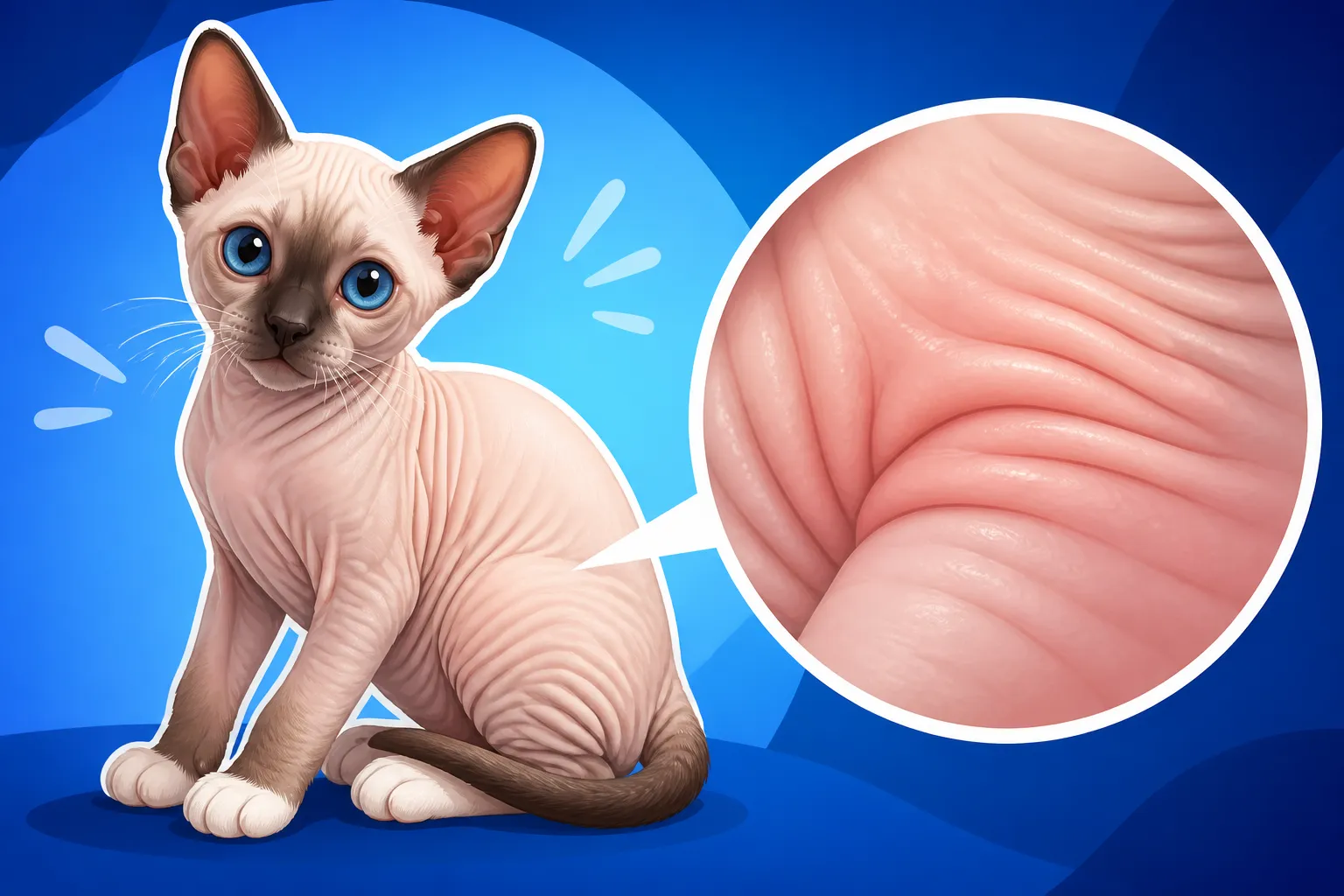
When you look beyond the initial shock of hairlessness, the skin itself tells a story. This isn't the smooth, resilient skin of a healthy, fur-covered kitten. Instead, the skin of a hairless Birman kitten often appears thin, almost translucent in places. You might even be able to see faint veins beneath the surface, a testament to its fragility. It lacks the natural protective barrier that fur provides, making it susceptible to every minor scrape or environmental irritant.
Unlike the specialized skin of a Sphynx cat, which is bred to be hairless and has adapted skin characteristics, the hairless Birman's skin is simply missing its protective layer. This leaves it vulnerable to dryness, flaking, or even excessive oiliness, as the sebaceous glands may overproduce without the hair shafts to distribute their oils. It's a skin that is not designed for exposure, and its appearance alone indicates a compromised state, far from the robust health you'd hope for in a newborn.
Understanding the Underlying Condition: Birman Hypotrichosis (FOXN1)
The hairlessness in Birman kittens is not merely a superficial trait; it's a symptom of a much more serious, genetic condition known as Birman Hypotrichosis, caused by a mutation in the FOXN1 gene. This is where the true gravity of the situation lies.
The Genetic Basis of Hairlessness
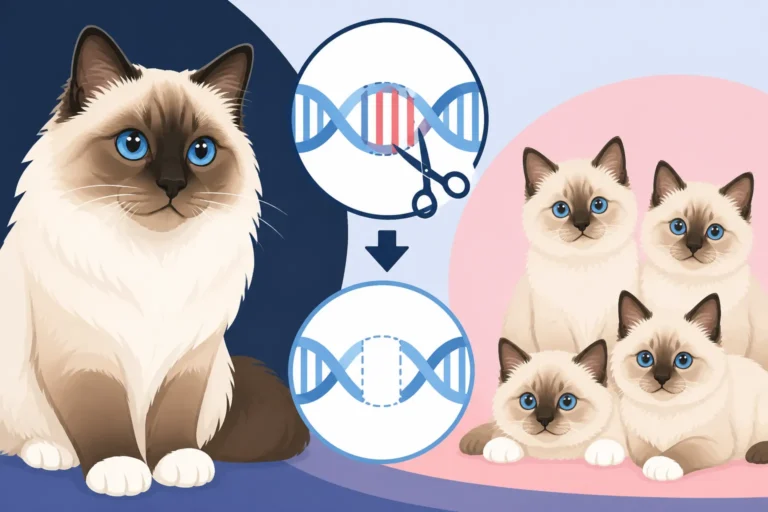
Birman Hypotrichosis is an autosomal recessive genetic disorder. This means a kitten must inherit two copies of the mutated FOXN1 gene—one from each parent—to be affected. If a kitten inherits only one copy, it will be a carrier, appearing perfectly healthy but capable of passing the gene on. This is why careful genetic testing of breeding cats is so critical. Breeders diligently test their Birmans to identify carriers and prevent tragic matings. We have detailed information on how a Birman carrier is identified to help breeders make informed decisions.
The FOXN1 gene plays a crucial role not only in hair development but also in the proper formation of the thymus gland. This dual impact is what makes the condition so devastating. It’s not just about aesthetics; it’s about a fundamental failure in the kitten's development. Understanding what FOXN1 does to a Birman kitten reveals a much deeper and more complex health challenge than simple hair loss. Responsible breeding practices require an understanding of these genetics to protect the future health of the breed.
Why a Missing Thymus Leaves a Birman Defenseless
The most critical and life-threatening aspect of the FOXN1 mutation in Birman kittens is its impact on the thymus gland. The thymus is a small but vital organ located in the chest, responsible for the development and maturation of T-lymphocytes, or T-cells. These T-cells are the backbone of a kitten's cellular immune system, tasked with identifying and destroying infected cells and coordinating the immune response.
When a Birman kitten has two copies of the mutated FOXN1 gene, it often results in thymic aplasia or hypoplasia – meaning the thymus is either entirely absent or severely underdeveloped. Without a functional thymus, the kitten cannot produce mature T-cells, leaving it severely immunodeficient. This makes the kitten completely defenseless against even common bacteria, viruses, and fungi that healthy kittens easily shrug off. This profound vulnerability is why Birman hypotrichosis is called short life expectancy; their little bodies simply cannot fight off the infections that are inevitable in any environment. They are truly at the mercy of their surroundings, highlighting why a missing thymus leaves a Birman defenseless in the face of infection.
Visual Characteristics of Affected Skin
Beyond the initial baldness, the skin of a Birman kitten suffering from FOXN1 hypotrichosis presents a set of specific, distressing characteristics that are crucial for breeders and veterinarians to recognize.
The Greasy, Abnormal Texture
One of the tell-tale signs, often noticed shortly after birth or within the first few days, is the unusual texture of the kitten’s skin. Instead of feeling soft or somewhat dry, the skin of an affected Birman kitten frequently has a greasy, slick, or oily feel to it. It’s not just shiny; it’s palpable. This phenomenon, which causes an affected Birman kitten's skin to look greasy, is often attributed to the dysfunctional hair follicles and sebaceous glands. In healthy cats, hair shafts help to wick away and distribute the natural skin oils (sebum). Without hair, these oils can accumulate on the surface, giving the skin that characteristic slick, unkempt appearance.
This greasy film creates an ideal breeding ground for bacteria and yeast, further complicating the kitten’s already precarious health. It also makes the kitten difficult to keep clean and comfortable, as normal bathing routines can strip the delicate skin, yet leaving the oil can lead to secondary problems. It’s a constant battle for the few days or weeks these kittens might survive, demonstrating just how compromised their entire integumentary system is.
Secondary Skin Issues and Infections
The hairless and often greasy skin of these kittens is a breeding ground for problems. Without the physical barrier of fur and with a compromised immune system due to the missing or underdeveloped thymus, their skin quickly succumbs to secondary issues. It's common to see redness, irritation, and inflammation. Small pustules or bumps might appear, indicating bacterial infections taking hold. Fungal infections, like ringworm, can also quickly colonize the vulnerable skin.
Imagine the constant struggle for a tiny kitten whose primary defense against the outside world is almost nonexistent. Even the slightest scratch or irritation can turn into a serious infection because their body simply doesn't have the tools to fight it off. This is precisely why a bald Birman kitten catches every infection; their immune system is fundamentally broken. Keeping them warm, meticulously clean, and sterile is an overwhelming task, and despite best efforts, these infections often prove to be too much for their fragile systems.
Here's a quick overview of the differences:
| Feature | Healthy Birman Kitten Skin/Coat | FOXN1 Affected Birman Kitten Skin/Coat |
|---|---|---|
| Coat Presence | Fine, soft, downy white fur, points developing | Completely hairless or sparse, abnormal hair |
| Skin Texture | Smooth, supple, typically dry | Often thin, fragile, sometimes translucent, commonly greasy or oily |
| Immune System | Fully functional, developing T-cells from a healthy thymus gland | Severely compromised (thymic aplasia/hypoplasia), lacking T-cells |
| Vulnerability | Robust, can fight off common pathogens | Highly susceptible to all infections |
| Secondary Issues | Rare, usually related to external trauma | Redness, irritation, bacterial/fungal infections, pustules common |
| Prognosis | Excellent with proper care | Grim, very short life expectancy |
The Prognosis and Care for Hairless Birman Kittens
The discovery of a hairless Birman kitten brings with it not only shock and sadness but also the grim reality of a devastating prognosis and the need to make incredibly difficult decisions.
Short Life Expectancy and Difficult Choices
The tragic truth for kittens born with Birman Hypotrichosis due to the FOXN1 mutation is that their life expectancy is incredibly short. Most do not survive beyond a few months, and many succumb to infections within weeks or even days of birth. Their severely compromised immune system simply cannot cope with the onslaught of pathogens present in any environment, no matter how clean or protected. This is why we say how many months an affected Birman kitten survives, and the answer is usually not many. It's a heartbreaking reality that no amount of dedicated care can overcome the fundamental defect in their immune system.
For breeders and owners, this leads to an agonizing decision. While there's an understandable desire to try and save these little lives, the suffering caused by recurrent, intractable infections and the severe immunodeficiency often means that euthanasia is the most humane option. It's a choice made out of compassion to prevent prolonged pain and a life of constant struggle. It is the reason why an affected Birman kitten is usually put to sleep, to spare them a painful and futile existence. This is a profound frustration and heartache that breeders face, knowing that despite their best efforts, genetics can deal such a cruel blow.
Managing Care and Support
For the brief time a hairless Birman kitten might be alive, intense, compassionate supportive care is paramount, though it cannot cure the underlying condition. Keeping the kitten warm is crucial, as their lack of fur makes them highly susceptible to hypothermia. A warm, draft-free environment with supplemental heat sources like incubators or heated pads is essential. Scrupulous hygiene is also critical for their fragile skin, requiring gentle cleaning and the application of veterinarian-approved, hypoallergenic emollients to protect the exposed surface.
Preventing infection is an uphill battle. The environment must be as sterile as possible, and contact with other animals should be minimized to reduce pathogen exposure. Any sign of infection, from skin lesions to respiratory distress, requires immediate veterinary attention, though treatments often provide only temporary relief. While the outcome for a FOXN1 affected kitten is tragically predetermined, responsible owners often consider pet insurance like Healthy Paws to cover unexpected veterinary expenses, ensuring they can pursue all necessary diagnostics and provide the best palliative care possible, or for managing other potential health concerns throughout their Birman's life. It's important to remember that such severe conditions, like those leading to which infections kill an affected Birman kitten, are thankfully rare, but the impact is profound. Breeders continue to utilize genetic testing, understanding what testing a Birman for FOXN1 and PKD1 together costs, to reduce the occurrence of such devastating conditions and ensure the health of their lines.
Disclaimer
Please note that this article is intended for informational purposes only and does not constitute veterinary advice. If you suspect your Birman kitten has any health issues, including signs of hairlessness or illness, please consult with a qualified veterinarian immediately. Only a professional can provide an accurate diagnosis and appropriate treatment plan.