How Many Years a Clear Echo Covers a Birman
It's a common worry among Birman parents, that creeping anxiety about their beloved cat's heart health, especially when you know HCM is a real concern for the breed. You want to do everything right, get the recommended screenings, but then you're left wondering: just how long does that "all clear" on an echocardiogram truly last? This guide aims to clear up that confusion, giving you a realistic picture of what a clear echo means for your Birman and how to stay ahead of potential issues.
Understanding the Purpose of an Echocardiogram for Birmans
When you hear about echocardiograms for your Birman, it’s not just a fancy medical term; it’s a vital tool. These ultrasound scans give us a window into the inner workings of their heart, allowing veterinarians to see its structure and how well it's pumping blood. For a breed as special as the Birman, with its unique history and genetic considerations, this kind of insight is invaluable for proactive care.
Why HCM is a Concern for Birman Owners
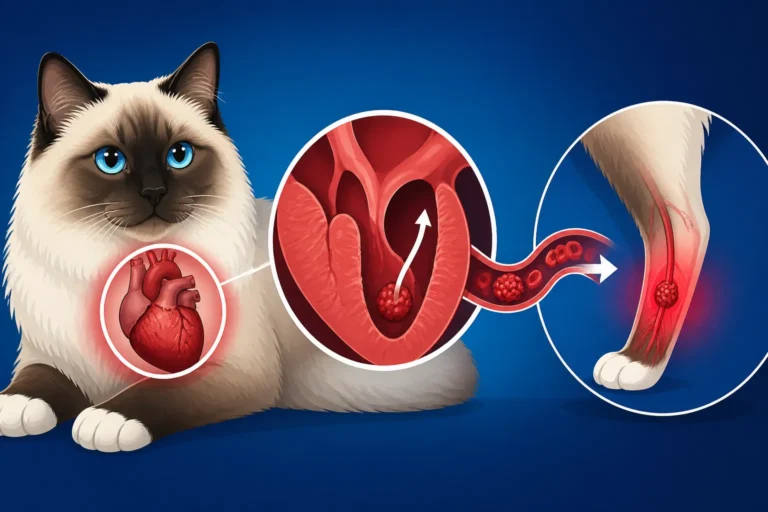
Hypertrophic Cardiomyopathy, or HCM, is a disease that causes the heart muscle to thicken, making it harder for the heart to pump blood effectively. For Birman owners, this isn't just a distant medical possibility; it's a very real and often silent threat. Birmans are unfortunately one of the breeds predisposed to developing this condition. What makes it particularly frightening is that many cats with HCM show no outward signs until the disease is quite advanced, or even worse, until they experience a sudden, severe event like a clot or heart failure. It’s truly heartbreaking to think that your seemingly healthy companion could be harboring such a serious illness. This silent nature is precisely why screenings are so important. It's crucial to remember that HCM in a Birman Has No DNA Test, Only an Echo, meaning we can't just swab their cheek once and be done with it. We need those images.
The genetic bottleneck the Birman breed went through after World War II, when the population was severely reduced, meant that the remaining cats carried a concentrated gene pool. While efforts were made to outcross and widen this pool, some predispositions, like HCM, persist within the lines. Breeders work tirelessly to minimize the risk, but as pet owners, understanding this history helps us grasp why vigilance is so essential for our Birmans. It’s not about fear-mongering, but about informed, loving care.
What an Echo Reveals About Your Birman's Heart
So, what exactly happens during an echo, and what is your vet looking for? Imagine your Birman lying comfortably (often with a bit of gentle restraint or even a mild sedative if they're particularly wiggly), while a veterinary cardiologist uses an ultrasound probe on their chest. They'll apply some ultrasound gel, which is cool but harmless, and then the magic happens. On a screen, images of your cat's beating heart appear.
The cardiologist isn't just looking at pretty pictures; they're taking precise measurements. They'll measure the thickness of the heart walls, particularly the left ventricle, and assess the size of the heart chambers. They'll also observe how blood flows through the valves and how efficiently the heart muscle contracts and relaxes. These measurements and observations are critical because even subtle changes can indicate the very early stages of HCM, long before any symptoms appear. Catching these changes early can mean the difference between managing the disease effectively and facing a crisis later on. It truly gives us the best chance to give our Birmans the longest, healthiest life possible.
The Longevity of a "Clear" Echo Result
Getting that "all clear" from the cardiologist after an echo is one of the best feelings in the world as a Birman owner. You breathe a sigh of relief, feeling confident that your furry friend's heart is strong and healthy. But it's important to understand that this clearance isn't a permanent stamp of health for the rest of their life. The heart, like any other organ, can change over time, and HCM is a progressive disease that can develop at any age.
The Standard Recommendation for Screening Frequency
For most Birmans, especially those used in breeding programs, a clear echocardiogram typically covers a period of about 12 to 18 months. This isn't an arbitrary number; it's based on research and the natural progression patterns of HCM in predisposed breeds. A cat might have a completely normal heart today, but due to genetic factors or other influences, changes could begin to appear within that timeframe. Think of it like getting your car's oil changed; you don't do it once and expect it to last forever. You follow a maintenance schedule to ensure everything keeps running smoothly.
For breeding Birmans, the recommendation is often even more stringent. How Often a Breeding Birman Needs Scanning is generally annually, especially if they are actively breeding, to ensure they are not passing on a genetic predisposition for HCM. This rigorous screening helps maintain the health of the breed as a whole. For pet Birmans, a clear echo might allow for a slightly longer interval, but generally, cardiologists still recommend re-screening every 1.5 to 2 years, depending on the individual cat's age and specific risk factors.
Factors Influencing When the Next Scan is Needed
While the 12-18 month guideline is a good starting point, several individual factors can alter how frequently your Birman needs an echo. The most significant is your cat's age. A young Birman might get a clear bill of health, but as they mature, the risk of HCM developing can increase. The Age a Birman Starts Needing Yearly Heart Checks typically begins around 1-2 years old, and continues regularly into their senior years.
Another critical factor is family history. Even if your Birman has a clear scan, if they come from a line with a history of HCM, your vet or cardiologist might recommend more frequent screenings. It's about being proactive, not reactive. Lastly, any new clinical signs developing, such as a heart murmur detected during a routine check-up, sudden lethargy, changes in breathing, or a decreased appetite, should prompt an immediate revisit to the vet, regardless of when their last clear echo was. In such cases, Why a Murmur in a Birman Sends You Straight to an Echo is because it's often the first audible sign that something has changed with the heart.
The Difference Between Pet and Breeding Birman Protocols
There's a noticeable difference in screening protocols between Birmans destined for the show ring or breeding program and those cherished as family pets. For breeding Birmans, annual cardiac screenings by a board-certified veterinary cardiologist are standard practice, and often a requirement by reputable cat registries and ethical breeding guidelines. This is because breeders bear the responsibility of trying to eliminate or reduce the incidence of genetic diseases like HCM within their lines, to ensure future generations are as healthy as possible. They are not just screening one cat, but making decisions that impact entire family trees.
For pet Birmans, the frequency might be slightly relaxed, but it doesn't mean you can skip it entirely. While a pet Birman isn't passing on its genes, its individual health and well-being are paramount. A cardiologist might suggest a clear pet Birman be re-scanned every two years initially, possibly extending to every two to three years if they remain clear into middle age, assuming no other symptoms arise. However, for older cats, or those with any suspicious findings on a physical exam, annual screening often resumes. It’s always best to follow the personalized advice of your veterinary cardiologist, as they understand the nuances of your specific cat's situation.
Navigating Life After a Clear Echo
Receiving a clear echo report is definitely cause for celebration, but it's not a cue to forget about your Birman's heart health. Think of it as a current snapshot, a moment in time where everything looks good. However, life goes on, and your vigilance as a pet parent remains crucial. The ongoing journey involves a combination of keen observation at home, regular veterinary care, and practical planning for the future.
Ongoing Vigilance and Daily Observations
Even with a pristine echo report, your daily observations are your Birman's first line of defense. Cats, particularly the placid Birman, are masters at hiding illness. Their calm and gentle nature often means they'll internalize discomfort and pain, making it incredibly difficult for us to spot early signs of trouble. Why a Birman Hides Illness Behind a Placid Temperament is a well-known trait, so you need to be an attentive detective. Look for subtle shifts in their routine: are they playing less? Is their appetite slightly diminished? Are they more withdrawn than usual, perhaps sleeping in an unusual spot? Even changes in breathing, like panting or labored breathing after minimal exertion, should raise a red flag.
Pay attention to their activity levels. A Birman might not be a super-high-energy breed, but a noticeable drop in their willingness to jump onto their favorite perch or engage in a short play session could be significant. If you notice any changes, no matter how minor they seem, don't hesitate to contact your vet. It's always better to be overly cautious than to miss something critical. Catching symptoms early, even after a clear echo, can be crucial for the best outcome.
The Role of Your Veterinarian and Regular Check-ups
Your regular veterinarian plays a pivotal role in monitoring your Birman's heart health, even between cardiologist visits. During annual wellness exams, your vet will listen carefully to your cat's heart with a stethoscope. They're listening for any new murmurs, gallop rhythms, or arrhythmias – sounds that could indicate changes in heart function. While a stethoscope can't diagnose HCM, it can certainly flag potential issues that warrant further investigation, like another echocardiogram.
Beyond the heart, routine check-ups allow your vet to assess overall health, weight, and activity levels. These holistic assessments contribute to understanding your Birman's well-being. If your vet does detect a murmur, for example, they will immediately recommend a cardiology referral. Even if a Birman’s echo came back thickened, knowing How a Vet Manages a Birman Whose Echo Came Back Thickened can prepare you for potential future scenarios, highlighting the importance of regular monitoring and quick action if concerns arise. These regular appointments are fundamental for comprehensive care.
Financial Considerations and Pet Insurance
Let's be realistic: specialized veterinary care, like echocardiograms performed by a board-certified cardiologist, isn't cheap. The cost can vary widely depending on your location and the specific clinic, but it's a significant expense that recurs every year or two. This financial reality can be a source of stress for many pet parents, but it's an essential part of responsible Birman ownership. This is why Why a Birman Budget Should Include a Yearly Echo is such practical advice.
This is also where pet insurance can be a true lifesaver. Brands like Healthy Paws offer comprehensive coverage that can help mitigate the costs of recurring echocardiograms, specialist consultations, and potential treatments for conditions like HCM. Having a good pet insurance policy in place, ideally before any pre-existing conditions are identified, provides immense peace of mind. It allows you to make medical decisions based on what's best for your Birman, rather than being solely driven by cost. Investing in pet insurance is an investment in your Birman's long-term health and your financial security as a pet owner. A clear echo today doesn't mean you won't need expensive care tomorrow, and Healthy Paws can truly help soften that blow.
Common Misconceptions About Birman Heart Health
When it comes to something as vital as heart health, there are bound to be misunderstandings. These misconceptions can sometimes lead to a false sense of security or, conversely, unnecessary anxiety. Let’s address a couple of the most common ones that Birman owners encounter when thinking about echocardiograms and HCM.
The Myth of "One and Done" Testing
One of the most prevalent misconceptions is that a single clear echocardiogram means your Birman is "cleared for life" from HCM. This couldn't be further from the truth. As we've discussed, HCM is a progressive disease, meaning it can develop and worsen over time. A cat with a perfectly healthy heart at two years old might begin to show subtle thickening by four or five, and more significant changes by seven or eight. The "all clear" is a snapshot of that specific moment in time.
The reality is that genetics play a significant role, but they don't predict the exact timeline for disease onset. Even with a genetic predisposition, the manifestation of HCM can vary greatly between individuals. This is why ongoing, periodic screening is so critical. Thinking of it as a "one and done" test can leave your Birman vulnerable to undetected progression, potentially delaying intervention until the disease is much harder to manage. Regular follow-up echoes, as recommended by your cardiologist, are the cornerstone of effective long-term management and early detection.
Why a Birman's Age Matters Significantly
Another point of misunderstanding can be the role of age in HCM development. Some owners might assume that if their Birman is young and clear, they won't develop HCM until they're very old. While it's true that HCM often manifests or becomes more severe in middle-aged to senior cats, it can technically appear at any age. The Age a Birman Starts Needing Yearly Heart Checks typically kicks off in their early adult years, precisely because even seemingly young cats are not entirely immune, and early detection is paramount.
As Birmans get older, their hearts naturally undergo some changes, and the cumulative effects of any underlying genetic predisposition can become more pronounced. What might have been undetectable in a younger cat can become quite evident in an older one. This is also why What an Old Birman Slows Down From First can sometimes involve cardiovascular issues that subtly affect their energy levels or stamina. Therefore, vigilance should increase, not decrease, as your Birman ages. Regular check-ups and adhering to the recommended echo schedule become even more crucial in their golden years, ensuring that any cardiac changes are identified and addressed as promptly as possible.
How HCM Shows Up in a Birman
Understanding how HCM actually presents itself can further emphasize why regular screening is so vital. Often, the earliest stages of HCM are entirely asymptomatic. Your Birman might seem perfectly normal, eating well, playing, and generally acting like their usual charming self. This is the insidious nature of the disease, and why we rely on objective tests like the echocardiogram to peek inside. However, as the disease progresses and the heart's ability to pump blood effectively diminishes, subtle signs might start to appear.
These signs can be incredibly vague and easily mistaken for normal aging or other minor ailments. You might notice your Birman becoming less active, perhaps not jumping as high or playing for as long. They might breathe a little faster or with more effort, especially after light activity or when resting. In more advanced stages, cats might show signs of fluid accumulation in the lungs (congestive heart failure), leading to coughing or more obvious respiratory distress. How HCM Shows Up in a Birman can be gradual, which is why your observant eye and consistent vet care are irreplaceable. Remember, these are highly stoic animals. The moment you see any change, it's time to talk to your vet.
Recommended Echocardiogram Schedule for Birmans
To make it a little easier to visualize, here's a general guideline for echocardiogram frequency. Please remember, this is a general guide, and your veterinary cardiologist's specific recommendations for your individual Birman should always take precedence.
| Birman Age/Status | Recommended Echo Frequency | Key Considerations |
|---|---|---|
| Breeding Cat | Annually (every 12 months) | Essential for responsible breeding and preventing genetic transmission of HCM. |
| Pet Cat (1-7 years) | Every 1.5 – 2 years (18-24 months) | Maintain vigilance during adult years when HCM can develop. |
| Pet Cat (8+ years) | Annually (every 12 months) | Increased risk with age; more frequent checks help catch age-related changes. |
| Any Age (with murmur) | Immediately, then as advised by cardiologist | A new murmur signals a change that needs prompt investigation. |
| Any Age (with symptoms) | Immediately, then as advised by cardiologist | Symptoms like lethargy, breathing changes require urgent assessment. |
This table serves as a handy reference, but the most important thing is open communication with your veterinary team. They are your partners in ensuring your Birman lives a long, healthy, and happy life, full of purrs and gentle headbutts. While The Twelve to Sixteen Years a Birman Usually Gets is a wonderful lifespan, vigilant heart care significantly contributes to reaching those later years comfortably.
Disclaimer
This guide provides general information about Birman heart health and echocardiogram recommendations. It is not a substitute for professional veterinary advice, diagnosis, or treatment. Always consult with a qualified veterinarian or veterinary cardiologist regarding your Birman's specific health concerns and care plan.