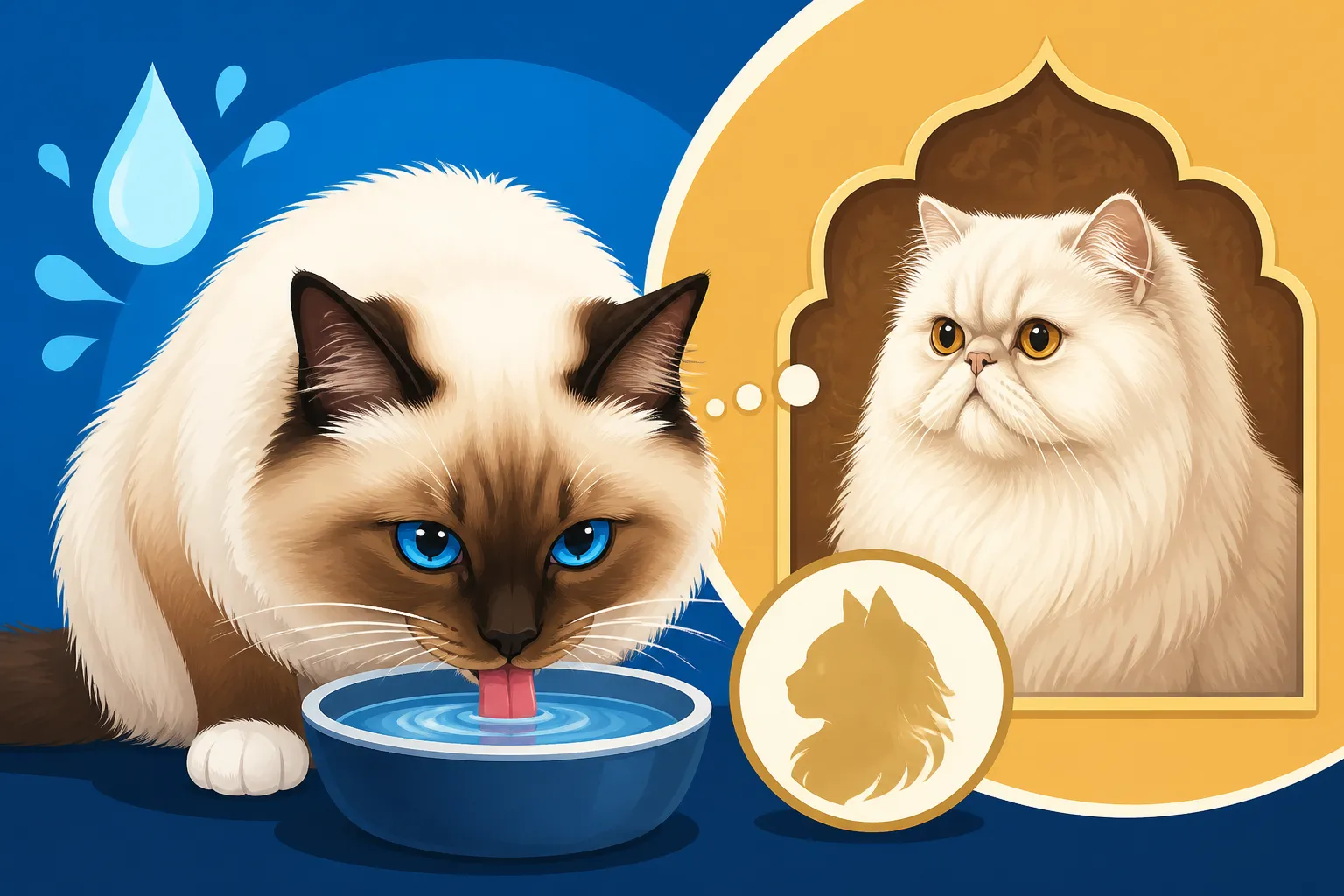
Why a Birman Drinking More Points at Its Persian Ancestry
It can be incredibly unsettling when you notice your beloved Birman, usually so placid and undemanding, suddenly starts making more frequent trips to the water bowl or even seeking out running taps. This shift in hydration habits can feel worrying, leaving you wondering if it's just the weather or something more serious at play. This guide aims to shed light on why your Birman might be drinking more, exploring the breed's unique history, especially its ancestral ties to Persian cats, and what that might mean for their kidney health, alongside other common feline conditions that cause increased thirst.
Understanding Your Birman's Hydration Habits
It’s easy to overlook a subtle change in your cat’s water intake, especially if they’re prone to quiet behavior. Birmans are not typically vocal about their needs, so observing their routine is key to catching any potential health issues early.
Normal Water Intake for a Birman
For an average adult Birman, who might weigh anywhere from 6 to 12 pounds, a normal daily water intake typically falls between 3.5 to 4.5 ounces. This can vary based on their diet – cats on an all-wet food diet will naturally drink less from their bowl than those eating mostly dry kibble, as wet food provides a significant portion of their daily water needs. Factors like activity level and ambient temperature also play a role; a Birman who loves a good romp with a feather wand on a warm day will likely be thirstier than one napping in a cool spot. It’s also important to remember that Birmans, with their single coat, might not handle temperature extremes as well as some other breeds, which can impact their comfort and fluid needs.
Signs of Increased Thirst
Spotting increased thirst, or polydipsia, means paying close attention. You might notice your Birman emptying their water bowl more quickly than usual, or perhaps you're refilling it multiple times a day. They might start drinking from unusual places, like the toilet, a leaky faucet, or even attempting to drink from your shower. Accompanying this excessive drinking, you'll often see an increase in urination, or polyuria. This means more frequent trips to the litter box, and often larger clumps of urine. Keep an eye out for any changes in the consistency or color of the urine too. While a Birman won't typically tell you they're thirsty with loud meows, their altered behavior at the water bowl and litter box will be your biggest clue.
Environmental Factors Affecting Thirst
Sometimes, increased thirst isn't a red flag for illness but rather a response to their environment. During warmer months, especially if your home isn't air-conditioned, any cat, including your Birman, will naturally drink more to stay hydrated and regulate their body temperature. Similarly, if there's been a recent change in their diet, such as a switch from wet food to dry kibble, they will need to compensate for the reduced moisture content in their meals. High-sodium foods can also contribute to increased thirst. Even increased playtime or stress can temporarily elevate a Birman's water consumption. Always consider these benign factors first, but don't dismiss persistent changes.
The Persian Connection to Increased Thirst and Kidney Health
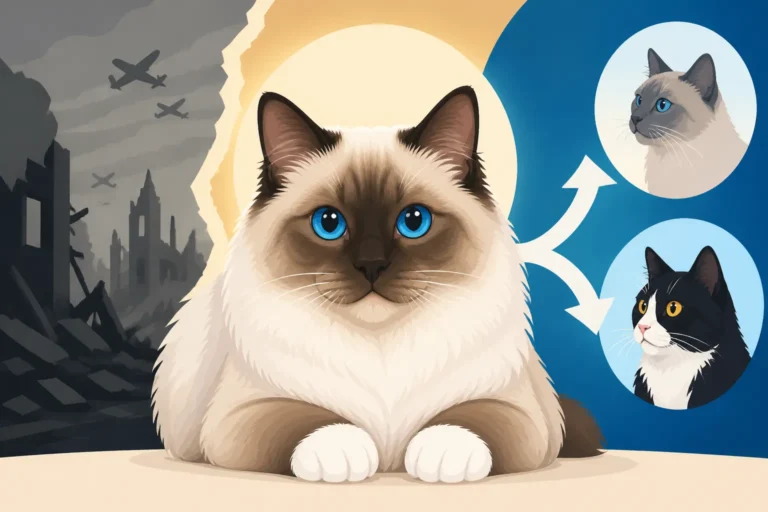
The Birman's history is fascinating, marked by its near extinction during World War II and the subsequent rebuilding of the breed. This rebuilding, while saving the breed, also introduced certain genetic predispositions, notably from the Persian cat.
The Birman's Ancestral Link to Persians
The Birman breed, as we know it today, emerged from a very narrow genetic bottleneck after World War II, when only two Birmans, Orloff and Xenia de Kaabaa, were left to carry on the line. To prevent severe inbreeding and to strengthen the gene pool, outcrossing to other longhaired breeds became unavoidable. One of the primary breeds used for this purpose was the Persian. While this infusion of new blood helped preserve the Birman, it also inadvertently introduced some of the health challenges common in Persians, including certain kidney conditions. Understanding What the Outcrossing Brought Into the Birman is crucial for appreciating some of the breed's health vulnerabilities today.
Polycystic Kidney Disease PKD and Persians
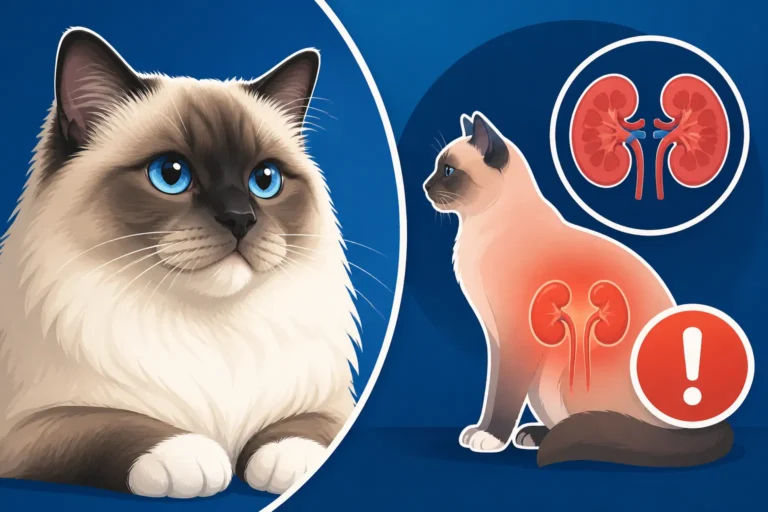
Polycystic Kidney Disease, or PKD, is a hereditary condition characterized by the formation of fluid-filled cysts within the kidneys. These cysts are present from birth and slowly grow over time, eventually compromising normal kidney function. PKD is notoriously prevalent in Persian cats, with studies showing a significant percentage of the breed carrying the gene. Because of the historical outcrossing, the gene responsible for PKD (specifically PKD1) found its way into the Birman gene pool. Many responsible Birman breeders today still diligently test for this condition, understanding Why a Birman Breeder Still Tests for PKD to ensure they are not passing on this potentially devastating disease.
How PKD Manifests in Birmans
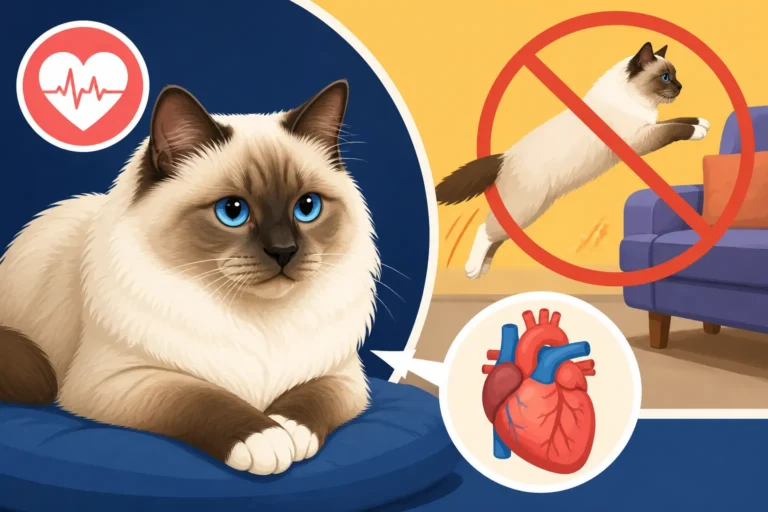
If your Birman inherited the PKD1 gene, the progression of the disease can be slow and insidious. For years, your cat might show no signs at all. As the cysts grow larger and more numerous, they replace healthy kidney tissue, reducing the kidneys' ability to filter waste and concentrate urine. This decreased kidney function is what often leads to the most common observable symptoms: increased thirst and increased urination.
Initially, you might just notice your Birman drinking a little more, or their litter box producing larger, wetter clumps. As the disease advances, other signs might appear, such as weight loss despite a normal appetite, lethargy, loss of appetite, vomiting, and a duller coat. The impact of What Kidney Cysts Do to a Birman can be severe, so early detection through genetic testing is vital. If your Birman is from lines with unknown PKD status and begins to show these signs, a vet visit is imperative for diagnosis and management. Insurance providers like Healthy Paws can be a real lifeline in covering the costs of ongoing diagnostics and treatments for chronic conditions like PKD, offering peace of mind when facing such challenges.
Other Health Concerns That Increase Thirst in Birmans
While PKD has a direct link to Persian ancestry, it's not the only condition that can cause excessive thirst in Birmans. Several other common feline ailments can manifest with similar symptoms.
Diabetes Mellitus
Just like in humans, diabetes mellitus in cats occurs when the body either doesn't produce enough insulin or can't properly use the insulin it produces, leading to high blood sugar levels. While all cats can develop diabetes, certain breeds and lifestyles increase the risk. Overweight Birmans, though they often maintain a lean, long frame, can be susceptible, especially if their diet is not carefully managed. The classic signs of diabetes in cats are increased thirst and increased urination. The body tries to flush out excess sugar through urine, pulling more water along with it, which in turn makes the cat feel dehydrated and thirsty. Other symptoms include unexplained weight loss (despite a good or even ravenous appetite), lethargy, and a dull coat.
Hyperthyroidism
Hyperthyroidism is a common hormonal disorder in older cats, usually affecting Birmans typically over the age of eight. It's caused by an overactive thyroid gland that produces excessive thyroid hormones. These hormones play a crucial role in regulating metabolism, and too much of them can speed up many bodily functions. Cats with hyperthyroidism often show a variety of symptoms, including weight loss despite an increased appetite, hyperactivity, vomiting, diarrhea, and yes, increased thirst and urination. The rapid metabolism puts a strain on the kidneys, leading to increased water consumption. If your older Birman starts exhibiting any of these signs, particularly a combination of increased thirst and weight loss, it’s definitely time for a veterinary check-up and a thyroid panel.
Other Kidney Issues Beyond PKD
Beyond inherited PKD, Birmans, like all cats, can develop various forms of acquired kidney disease. Chronic Kidney Disease (CKD) is a progressive and irreversible condition that often affects older cats. It’s essentially a gradual decline in kidney function over time, unrelated to genetic cysts. Early signs are subtle, but as the kidneys' ability to filter waste products from the blood diminishes, increased thirst and urination are almost always among the first noticeable symptoms. The kidneys struggle to concentrate urine, leading to the cat producing a larger volume of dilute urine and needing to drink more to stay hydrated.
Acute kidney injury (AKI), though less common, can also cause a sudden increase in thirst. This can be triggered by toxins, infections, trauma, or even a sudden drop in blood pressure. While AKI is more severe and rapid in onset, both chronic and acute kidney issues underline the importance of Which Blood Values a Birman's Kidney History Makes Important for regular monitoring, especially as they age. Regular vet check-ups, especially for Birmans past middle age, should include blood and urine tests to catch these issues early. Many owners find that a good pet insurance plan from providers like Healthy Paws can help manage the costs associated with diagnosing and treating these often complex and long-term conditions.
What to Do If Your Birman Is Drinking More
Noticing a change in your Birman's water intake is the first step; knowing what to do next is crucial for their well-being. Don't panic, but don't ignore it either.
Monitoring and Recording Intake
Before rushing to the vet, it can be helpful to gather some objective data. Measure how much water you put in your Birman's bowl each morning and how much is left the next morning. Do this for a few days to get an average. Note if there are any changes in their diet, activity level, or the ambient temperature in your home. Also, keep a log of how many times you scoop the litter box and the size of the urine clumps. Take photos if you notice anything unusual about the urine or feces. This detailed information will be incredibly valuable to your veterinarian, helping them to quickly narrow down potential causes. Observe your Birman for other subtle changes, such as a decrease in activity, a change in appetite, or any vomiting or diarrhea. Remember, Why a Quiet Birman Is Easy to Misread means you need to be extra vigilant.
When to Consult Your Veterinarian
If the increased thirst is persistent for more than a couple of days, or if it's accompanied by other symptoms like lethargy, loss of appetite, weight loss, vomiting, or changes in litter box habits, it's time to call your veterinarian. Don't wait for your Birman to show severe signs; cats are masters at hiding illness, and by the time symptoms are obvious, a condition might be quite advanced. Prompt veterinary attention can make a significant difference in outcomes for many conditions that cause increased thirst. Especially if you know your Birman's lineage might include breeds prone to PKD, early testing and diagnosis are paramount.
Diagnostic Tests and Management
When you visit the vet, they will likely start with a thorough physical examination, checking your Birman's hydration status, palpating their abdomen, and listening to their heart and lungs. Based on this, they will recommend a series of diagnostic tests.
Common diagnostic tests include:
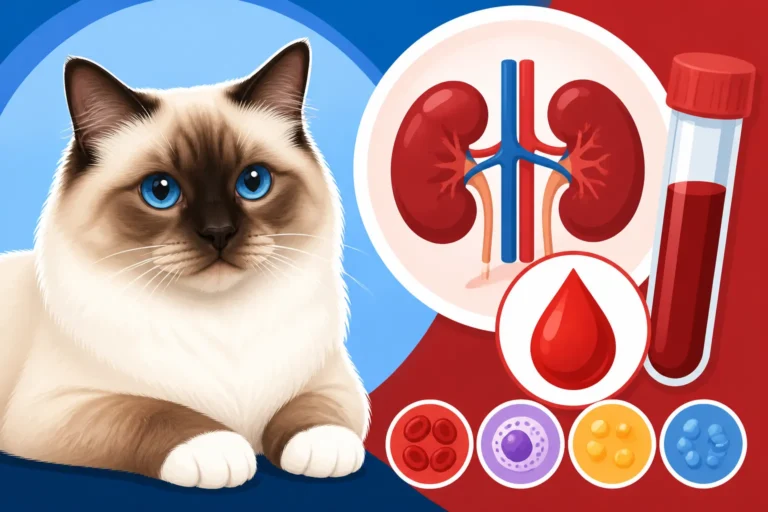
- Blood Work: A complete blood count (CBC) and a biochemistry panel will evaluate kidney and liver function (BUN, creatinine, SDMA), blood sugar levels (glucose), thyroid hormone levels (T4), and electrolyte balance.
- Urinalysis: This tests urine concentration, checks for infection, protein, and glucose, all of which provide clues about kidney function and diabetes.
- Genetic Testing: If PKD is suspected or if your Birman's genetic history is unknown, a simple DNA test (often a cheek swab) can confirm the presence of the PKD1 gene. This is a critical step, especially for breeders, to ensure How the PKD1 Test Clears a Birman and to prevent passing on the gene.
- Imaging: Ultrasounds of the abdomen can help visualize the kidneys, identify cysts (for PKD), or other structural abnormalities. X-rays might also be used to check for kidney size or other abdominal issues.
Management strategies will vary greatly depending on the diagnosis:
- PKD: If PKD is diagnosed, management focuses on supportive care, usually involving prescription renal diets, fluid therapy to prevent dehydration, and medications to manage symptoms like nausea or high blood pressure. While there's no cure for PKD, early and consistent management can significantly improve quality of life and potentially extend your Birman's lifespan.
- Diabetes: Treatment for diabetes typically involves insulin injections, a carefully controlled diet (often high protein, low carbohydrate), and regular monitoring of blood glucose levels.
- Hyperthyroidism: Options include medication to control hormone production, radioactive iodine therapy (a curative treatment), surgery to remove the thyroid gland, or a prescription iodine-restricted diet.
- Chronic Kidney Disease (CKD): Similar to PKD, CKD management centers on a prescription renal diet, ensuring adequate hydration, and medications to control associated symptoms like high blood pressure, anemia, and nausea.
Dealing with a chronic condition like PKD, diabetes, or CKD can be a long and expensive journey. Having pet insurance can significantly ease the financial burden. Providers like Healthy Paws are well-regarded for covering a wide range of illnesses and accidents, which can be invaluable when your Birman needs ongoing specialized care and diagnostics.
| Condition | Primary Cause | Key Symptoms (Beyond Increased Thirst/Urination) | Typical Age of Onset | Birman Connection |
|---|---|---|---|---|
| Polycystic Kidney Disease (PKD) | Inherited genetic mutation (PKD1) leading to kidney cysts | Weight loss, lethargy, poor appetite, vomiting, dull coat | Young to Middle Age (Symptoms appear later) | Direct genetic link through Persian ancestry |
| Diabetes Mellitus | Insulin deficiency or resistance, high blood sugar | Unexplained weight loss (despite eating), lethargy, sometimes increased appetite, weakness | Middle to Older Age | Can be predisposed if overweight or inactive |
| Hyperthyroidism | Overactive thyroid gland | Weight loss (despite eating), hyperactivity, vomiting, diarrhea, unkempt coat | Older (typically 8+ years) | Common in all senior cats, including Birmans |
| Chronic Kidney Disease (CKD) | Gradual loss of kidney function over time | Weight loss, lethargy, poor appetite, vomiting, bad breath, constipation | Older (typically 7+ years) | Common in all senior cats, especially with past kidney issues |
Disclaimer
The information provided in this article is for general informational purposes only and is not intended as a substitute for professional veterinary advice. Always consult with a qualified veterinarian regarding any medical concerns or before making any decisions about your pet's health and treatment.