Why a Birman Flinches When Its Back Teeth Are Touched
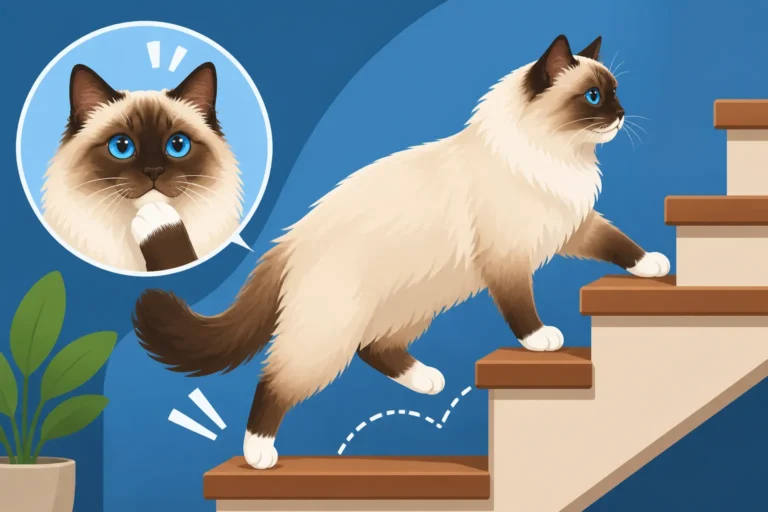
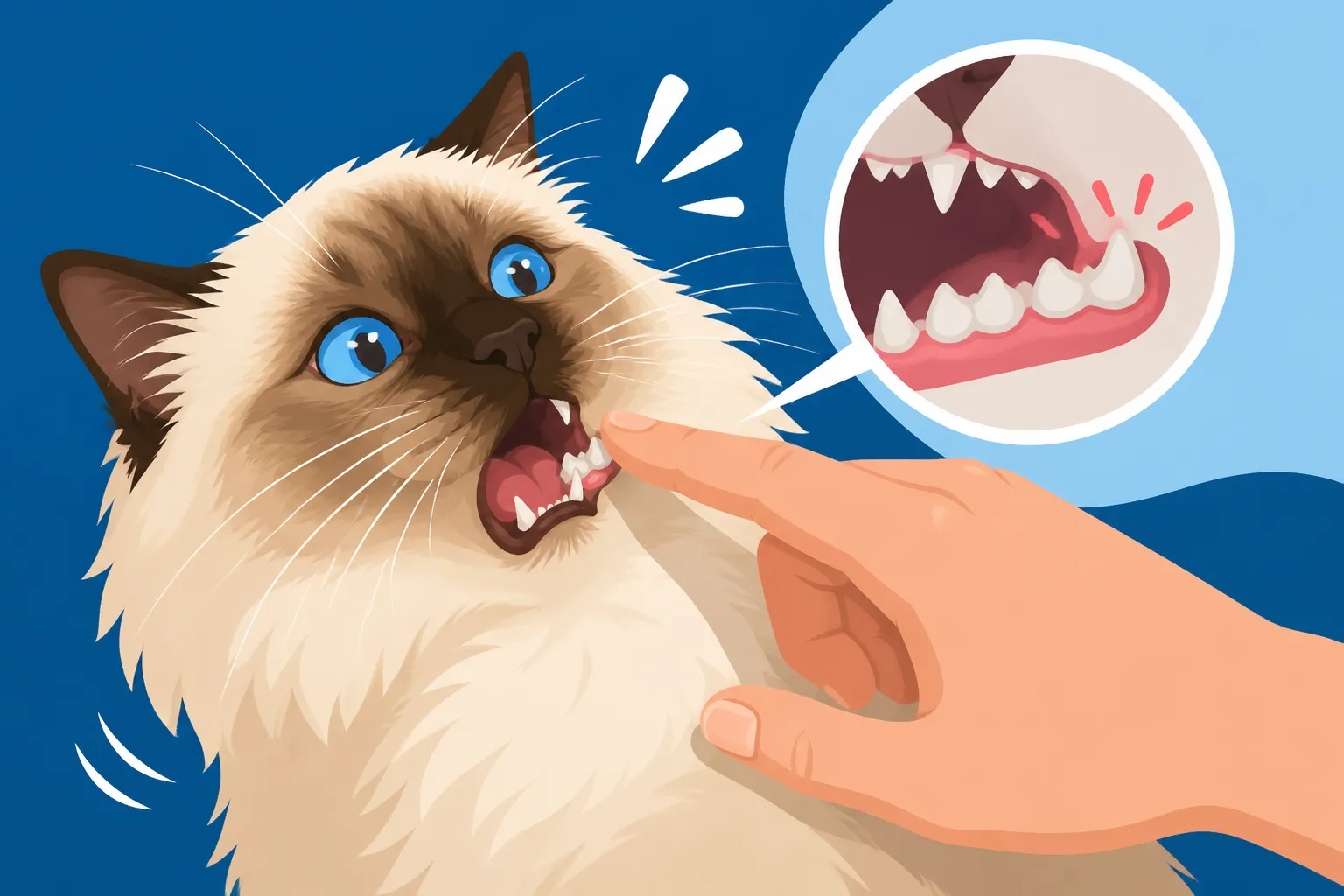
It’s a scenario many Birman parents know all too well: you’re having a lovely cuddle with your sweet-natured cat, maybe you try to gently check their mouth, and suddenly, they flinch back with an unexpected sharpness. That seemingly uncharacteristic reaction, especially when you go near their back teeth, isn't just a sign of being particular about their personal space. More often than not, it's a quiet cry for help, a clear indicator that something painful is going on inside their beautiful, delicate mouth. This guide will help you understand why your Birman might be reacting this way and what you can do about it.
Understanding the Birman's Oral Anatomy and Temperament
Birmans are renowned for their gentle, placid nature, a temperament that makes them wonderful companions but can also make identifying illness a real challenge. Unlike some more vocal or dramatic breeds, a Birman often internalizes discomfort, showing very subtle signs until the pain becomes undeniable.
The Delicate Nature of a Birman's Jaw and Teeth
Birman cats, like many pedigreed felines, possess a distinct head structure. While not as extreme as some brachycephalic (flat-faced) breeds, their jaws can sometimes be a bit more delicate or narrower than a generic domestic shorthair. This can sometimes lead to teeth being crowded or misaligned, creating nooks and crannies where plaque and tartar can accumulate more easily. Their teeth, while strong, are still subject to the same wear and tear and potential issues as any other cat's.
Consider a cat with a slightly smaller mouth trying to chew dry kibble or even groom themselves. The back teeth, particularly the molars and premolars, are subjected to significant pressure and are often harder for a cat to keep clean naturally. If a Birman's jaw structure inherently predisposes them to slight crowding, these areas become prime breeding grounds for bacteria and food particles, setting the stage for future problems. When you gently probe these areas, even if you’re just trying to peek, the slightest pressure on an inflamed gum or a compromised tooth can send a jolt of pain, prompting that immediate flinch. It’s not aggression; it’s a pain response.
Why Their Placid Nature Hides Discomfort
One of the most endearing qualities of a Birman is their calm and undemanding disposition. They are known for being affectionate without being clingy, preferring to be near you rather than constantly on your lap. This very trait, however, can be a double-edged sword when it comes to their health. Birmans are remarkably stoic animals. They've mastered the art of "business as usual" even when they're not feeling their best, often because in the wild, showing weakness makes an animal vulnerable.
This means that by the time your Birman is flinching when you touch their back teeth, the underlying issue has likely been brewing for a while and has reached a significant level of discomfort. They won't usually cry out, stop eating entirely, or make a big fuss. Instead, you might notice subtle shifts: maybe they chew a little more slowly, or they start to prefer softer foods, or perhaps they groom a little less meticulously. Why a Quiet Birman Is Easy to Misread explains just how challenging it can be to decipher their subtle cues. The flinch is often one of the clearest, yet still relatively late, signs that the pain has become too much to ignore. It’s a moment of truth, revealing how much they’ve been silently enduring.
Common Dental Culprits Behind the Flinch
When your Birman flinches at a gentle touch to their back teeth, it's almost always due to some form of pain or discomfort. The causes can range from common dental disease to more insidious conditions that are harder to spot without professional help.
The Silent Threat of Periodontal Disease
Periodontal disease is hands down the most common dental problem in cats, affecting a staggering majority of felines over the age of three. It starts innocently enough with plaque—a sticky film of bacteria and food particles—building up on the tooth surface. If not removed, this plaque hardens into tartar, which is visibly yellowish or brownish and clings stubbornly to the teeth, especially along the gum line.
Tartar provides a rough surface for more bacteria to adhere, leading to gingivitis, which is inflammation of the gums. You might notice their gums looking redder or slightly swollen. Gingivitis is reversible with professional cleaning, but if left untreated, it progresses to periodontitis. This is where the real trouble begins. Periodontitis involves the infection and inflammation spreading below the gum line, attacking the supporting structures of the tooth—the ligaments and bone that hold it in place. Pockets form between the gums and teeth, collecting more bacteria, and the infection can even erode the jawbone.
The back teeth, specifically the molars and premolars, are often the most affected because they do the most work chewing and are harder to clean manually. When periodontitis takes hold, these teeth can become loose, the gums severely inflamed, and the nerve exposed. Imagine the excruciating pain of pressure on a loose, infected tooth or raw, bleeding gums. A simple touch, or even the act of chewing, becomes agonizing. Why Gum Disease Creeps Up on a Birman provides more context on how this silent process unfolds.
Tooth Resorption: An Insidious Pain
Perhaps even more insidious than periodontal disease is feline tooth resorption (TR). This condition is distressingly common in cats, affecting anywhere from 20% to 70% of the adult cat population, and it is incredibly painful. What happens in tooth resorption is that the body's own cells begin to break down and "resorb" the tooth structure, starting from the root and working its way up, or sometimes from the crown inwards.
The affected tooth essentially starts to dissolve. Initially, it might not be visible on the surface, but as it progresses, you might see a "cavity" near the gum line, or the gum tissue may appear to grow over part of the tooth. The back teeth are particularly prone to this. The pain from tooth resorption is often described as similar to a severe toothache in humans. The exposed dentin or nerve tissue is incredibly sensitive, and any pressure, even gentle probing, can cause intense pain.
Because it often starts below the gum line, tooth resorption is frequently missed during a routine oral exam without anesthesia and dental X-rays. Your Birman's flinching could be their only outward sign of this deep, internal dental pain. Unfortunately, once a tooth is affected by resorption, it cannot be saved and must be extracted to alleviate the pain and prevent further complications.
Other Painful Oral Conditions
While periodontal disease and tooth resorption are the primary offenders, several other conditions can cause your Birman to flinch when their back teeth are touched:
- Fractured Teeth: Cats can fracture teeth by chewing on hard objects like bones, certain types of hard kibble, or even from trauma like a fall. A fractured tooth, especially if it exposes the pulp (the inner nerve and blood vessel chamber), is exquisitely painful. The back teeth, being chewing teeth, are highly susceptible to these kinds of injuries. Even a hairline fracture can cause significant discomfort, especially when pressure is applied.
- Stomatitis: This is a severe, widespread inflammation of the entire oral cavity, not just the gums around the teeth. It's incredibly painful and can make eating, grooming, and even just existing a torment for a cat. While less common than periodontal disease, it can occur and would certainly cause a Birman to recoil from any touch to their mouth.
- Oral Masses or Tumors: Although less frequent, older Birmans can develop growths or tumors in their mouths. These can be benign or malignant, but even benign masses can cause pain and discomfort as they grow, putting pressure on surrounding teeth and tissues. A vet will typically investigate any suspicious growths during an examination.
- Malocclusion: This refers to an improper alignment of the teeth or jaws. While often noticed in younger cats, some malocclusions might cause issues later in life, leading to teeth rubbing in abnormal ways, premature wear, or trapping food. This constant irritation or unnatural pressure could lead to pain in the back teeth.
Any of these conditions, whether visible or hidden, can turn a simple touch into a painful ordeal for your gentle Birman.
When to Seek Veterinary Intervention for Your Birman's Mouth
Given a Birman’s tendency to mask pain, recognizing the signs and knowing when to get professional help is crucial. That flinch you observed is a significant clue, but there are other, more subtle indicators to watch for.
Recognizing the Subtle Signs Beyond Flinching
Beyond the distinct flinch, your Birman might be trying to tell you something with other, less obvious behaviors. Because their pain tolerance is high and their nature is placid, you have to become a detective of the subtle:
- Changes in Eating Habits: This is often the first, most noticeable shift. Your Birman might suddenly start dropping food from their mouth, eat only on one side of their mouth, chew more slowly, or show a distinct preference for wet food over dry kibble. They might approach their bowl cautiously or even refuse to eat altogether in severe cases. Sometimes, they might just seem less enthusiastic about mealtime, which is unusual for a cat that usually Why a Birman Will Quietly Eat Everything You Leave Down.
- Bad Breath (Halitosis): This is a huge red flag. While "cat breath" isn't exactly fresh, truly foul or unusually strong breath is a strong indicator of bacterial overgrowth in the mouth, often due to periodontal disease.
- Drooling or Pawing at the Mouth: If your Birman is suddenly drooling excessively, or you catch them pawing at their mouth more frequently than usual, it’s a sign of oral discomfort. They might be trying to dislodge something or alleviate pain.
- Weight Loss: This is typically a later stage symptom, indicating chronic pain that has significantly impacted their ability or willingness to eat. If your Birman is losing weight without any other obvious cause, a dental issue should be high on your list of suspects.
- Changes in Grooming Habits: A painful mouth can make self-grooming difficult or painful. You might notice a decline in the quality of their coat, especially around their face, or matted fur. Conversely, some cats might over-groom specific areas if they feel irritated.
- Irritability or Hiding: While rare for a Birman, extreme pain can make any cat grumpy or withdrawn. If your social Birman suddenly starts hiding more or reacts negatively when you try to pet their face, it's a serious sign.
- Facial Swelling: In rare, severe cases of abscesses or advanced infection, you might see swelling on one side of their face. This is an emergency and requires immediate veterinary attention.
The Importance of a Professional Dental Exam
Once you suspect a dental issue, a trip to the veterinarian is essential. However, it's crucial to understand that a truly thorough dental exam in cats, especially for the back teeth, almost always requires sedation or full anesthesia. Why? Because even the most docile Birman won't let a vet probe, scale, and take X-rays of their painful mouth when fully awake. They'll flinch, hide, or even bite, making it impossible to get a clear picture of the underlying problem.
During an anesthetized dental exam, your vet will perform several critical steps:
- Pre-anesthetic Bloodwork: Before any anesthesia, your vet will run blood tests to ensure your Birman's organs, especially the kidneys and liver, are functioning well enough to safely metabolize the anesthetic drugs. Why a Birman's Kidneys Are Checked Before Any Anesthetic explains the importance of this step, particularly for Birmans.
- Oral Examination: The vet will meticulously examine every tooth, the gum line, the roof of the mouth, the tongue, and under the tongue for any signs of disease, inflammation, or lesions. They'll check for loose teeth, gum recession, and abnormal pockets.
- Dental X-rays: This is perhaps the most critical part of the exam. Dental X-rays allow the vet to see what's happening below the gum line, where 60-80% of dental disease hides. This is how conditions like tooth resorption, bone loss due to periodontitis, root abscesses, and unerupted teeth are diagnosed. Without X-rays, many painful conditions would be missed.
- Scaling and Polishing: If healthy enough, the teeth will be professionally scaled to remove plaque and tartar, both above and below the gum line. This is done with ultrasonic scalers, just like at your own dentist. After scaling, the teeth are polished to smooth the enamel, making it harder for new plaque to stick.
- Extractions: If severe disease (like advanced periodontitis or tooth resorption) is found, the affected teeth will need to be extracted. While removing teeth sounds drastic, it's often the kindest thing to do to relieve chronic pain and prevent the spread of infection. Cats cope remarkably well without many of their teeth.
Treatment Options and Preventative Measures
Once a diagnosis is made, your vet will discuss the appropriate treatment plan. For most cases causing a Birman to flinch when their back teeth are touched, the treatment often involves a professional dental cleaning under anesthesia, and potentially tooth extractions.
After any dental procedure, pain management is paramount. Your Birman will likely go home with pain medication and possibly antibiotics. They'll need a soft food diet for a period, and you'll need to monitor their recovery carefully.
For preventative measures at home, even with the most placid Birman, it can be challenging to implement a consistent dental hygiene routine:
- Brushing: Daily tooth brushing is the gold standard for preventing plaque buildup. Use a soft, finger-brush or a pet-specific toothbrush and enzymatic cat toothpaste. Never use human toothpaste. Start slowly, making it a positive experience with treats and praise. Getting a Toothbrush Into a Birman's Narrow Jaw can offer more specific tips for this breed's mouth. Even if you can only manage a few teeth a few times a week, it's better than nothing.
- Dental Treats and Diets: Some dental treats and prescription dental diets are specifically formulated to help reduce plaque and tartar buildup. Look for products with the Veterinary Oral Health Council (VOHC) seal of acceptance, which indicates they meet specific efficacy standards. These are helpful adjuncts but are generally not a substitute for brushing or professional cleanings.
- Water Additives: Certain water additives contain ingredients that can help reduce bacteria in the mouth. Again, look for VOHC-approved products.
- Regular Vet Check-ups: Even with excellent home care, regular veterinary check-ups are vital. Your vet can perform an awake oral exam to assess the overall health of your Birman's mouth and advise on the frequency of professional dental cleanings. Many Birmans will need How Often a Birman's Narrow Jaw Needs a Scale and Polish to maintain optimal oral health.
Consider investing in pet insurance, such as Healthy Paws, early in your Birman's life. Dental care, especially complex procedures like extractions and X-rays under anesthesia, can be surprisingly expensive. Having coverage can provide immense peace of mind, ensuring you can make treatment decisions based on your cat's health needs rather than financial constraints. Whether a Birman Policy Is Worth It Once HCM Is Excluded is a good resource for understanding pet insurance in depth.
Long-Term Oral Health for Your Beloved Birman
Ensuring your Birman maintains good oral health throughout their life is a commitment, but one that significantly contributes to their overall well-being and comfort. Proactive care, a watchful eye, and understanding the unique needs of an aging Birman are key.
Establishing a Routine for Lifelong Comfort
The journey to good dental health for your Birman should ideally begin when they are a kitten. Early exposure to mouth handling can make a world of difference for future brushing and veterinary exams. What a Birman Kitten Should Learn by Twelve Weeks often includes getting them accustomed to gentle touching of their paws, ears, and mouth.
Start by simply touching their face and lifting their lips for a second, always followed by praise and a small, irresistible treat. Gradually increase the duration and intensity, introducing a finger wrapped in gauze, then a soft brush with pet-safe toothpaste. Consistency is far more important than perfection. Even if you can only manage a quick swipe a few times a week, it creates a positive association and helps keep bacterial loads down.
Beyond home care, regular veterinary check-ups are your primary line of defense. These annual visits are not just for vaccinations; they include a physical examination where your vet will check your Birman's teeth and gums. They can spot early signs of gingivitis or other issues before they become deeply painful, preventing that flinch from ever happening. Your vet will advise you on how often your individual Birman might need professional dental cleanings under anesthesia, depending on their genetics, diet, and home care. For many Birmans, these cleanings will become a recurring, essential part of their long-term health plan.
Nutritional Support for Strong Teeth and Gums
While no diet can replace brushing, what your Birman eats does play a role in their oral health. Some specifically formulated dental kibbles have a larger, more abrasive texture designed to gently scrub the tooth surface as your cat chews, helping to reduce plaque buildup. These can be a good choice, especially if your Birman tolerates dry food well. However, they are not a substitute for professional cleaning or, ideally, daily brushing.
The overall quality of your Birman's diet is also important for general health, which in turn supports gum health. A diet rich in appropriate proteins and essential fatty acids can contribute to healthy skin and coat, and indirectly, to resilient gums. For instance, Why a Birman's Coat Needs Fat in the Diet is about their beautiful fur, but these same nutrients support overall cellular health, including in the mouth. Avoid feeding overly hard treats or objects like bones, as these can easily fracture teeth, leading to acute pain and emergency vet visits. Stick to reputable brands and veterinary-approved dental aids.
The Role of Pet Insurance in Managing Dental Costs
Let's be realistic: dental care for cats, especially when it involves anesthesia, X-rays, and potential extractions, can be a significant expense. It's not uncommon for a comprehensive dental procedure to run into hundreds, if not over a thousand, dollars. This financial burden can sometimes lead owners to delay or forgo necessary treatment, which only allows the pain to worsen for their beloved pet.
This is where pet insurance, like Healthy Paws, can be an absolute lifesaver. Many comprehensive pet insurance policies cover unexpected dental diseases, including extractions due to periodontal disease, fractured teeth, or tooth resorption, once the deductible is met. While routine cleanings (like annual scaling and polishing without extractions) might not always be covered by standard policies, the major costs associated with treating painful conditions definitely are.
Enrolling your Birman in a pet insurance plan when they are young and healthy is often the best strategy. This helps to avoid pre-existing condition clauses, ensuring that when dental issues inevitably arise as they age, you're financially prepared to provide the best possible care without hesitation. It transforms a potentially overwhelming vet bill into a manageable reimbursement, allowing you to prioritize your Birman's comfort and health above all else.
Embracing the Realities of an Aging Birman's Oral Health
As your Birman gracefully enters their senior years, the likelihood of dental issues increases significantly. Just like humans, cats experience wear and tear, and their oral health can decline despite your best efforts. You might notice that by the time they are fourteen or sixteen, they've been through How Many Dentals a Sixteen Year Birman Gets Through.
This means that your vigilance for subtle signs of discomfort needs to ramp up. An aging Birman might become even more adept at hiding pain, or their general slowing down could be mistaken for simply being old, when in reality, it's chronic pain. What an Old Birman Slows Down From First often includes a decrease in appetite or reluctance to play, which can stem from dental issues.
Regular veterinary check-ups become even more critical for senior Birmans, often moving to twice a year. Your vet will closely monitor their oral health, recommend blood work, and discuss preventative strategies tailored to their age. It's important to remember that extractions, even for an older cat, can dramatically improve their quality of life. The relief from chronic pain often rejuvenates them, allowing them to eat comfortably and engage more fully in their daily activities. Prioritizing their comfort in their golden years means accepting that dental interventions might be necessary, and ultimately, a kindness.
Disclaimer
This article is for general informational purposes only and does not constitute professional advice. Laws, prices and regulations vary by location and change over time. Consult a qualified professional for guidance on your specific situation.