Whether a Birman’s Coat Causes Digestive Trouble
It’s a common worry for many cat parents: does that magnificent, flowing fur coat come with a hidden cost for their feline friend’s tummy? When it comes to Birman cats, with their beautiful, semi-longhaired coats, it’s only natural to wonder if all that self-grooming could lead to a constant battle with hairballs and other digestive woes. This guide will explore the unique characteristics of the Birman coat and whether it truly contributes to digestive issues, offering practical advice on how to keep your cherished companion healthy and comfortable.
Understanding the Birman's Unique Coat and Its Shedding Habits
Many people mistakenly lump all long-haired cats into the same category when it comes to grooming and hairball potential. However, the Birman’s coat has some distinct characteristics that set it apart, and understanding these is key to addressing digestive concerns.
The Myth of the Problematic Undercoat
Unlike some other popular long-haired breeds, such as Persians or Maine Coons, the Birman possesses a single coat. What does this mean in practical terms? It means they lack the dense, woolly undercoat that often traps loose hairs and contributes significantly to matting and excessive shedding. This is precisely No Undercoat Is What Makes a Birman Easy to Groom. Their fur is silky, flowing, and lies close to the body, making it much less prone to tangles and knots.
Because they don't have that thick underlayer, Birmans generally shed less than their double-coated cousins. While no cat is truly non-shedding, the type and volume of hair a Birman sheds tend to be finer and lighter. This doesn't mean they don't shed at all – of course they do! But the shedding process is different. The hair that does come out is typically less likely to form the dense, felt-like masses that often cause severe hairball problems in other breeds. This characteristic is a big reason why a Birman's single coat mats less and offers a reprieve to owners worried about constant matting and the subsequent ingestion of large amounts of fur.
How a Birman's Grooming Habits Contribute to Hair Ingestion
Despite the advantages of a single coat, Birmans are still cats, and cats are meticulous groomers. They spend a significant portion of their day keeping themselves pristine, using their barbed tongues to comb through their fur. Even with a less dense coat, this self-grooming process inevitably leads to some hair ingestion. It’s simply part of being a cat.
The amount of hair ingested can vary from one Birman to another. Some cats are more fastidious in their grooming habits, spending hours meticulously cleaning every inch of their body. Others might be a bit more relaxed. Factors like stress, boredom, or even skin irritations can sometimes lead to excessive grooming, which in turn increases the amount of hair swallowed. While a Birman's coat naturally sheds less, it's still important to acknowledge that any hair ingested has the potential to cause digestive upset if it accumulates. So, while their single coat generally makes them less prone to severe hairball issues than, say, a Persian, the potential for hair to contribute to digestive troubles is never entirely eliminated.
The Reality of Hairballs and Digestive Upset in Birmans
Even with their "easy-care" coats, Birmans can and do experience digestive issues related to ingested fur. It’s not as common or severe as in some other breeds, but it’s a reality every Birman owner should be prepared for.
Common Digestive Troubles Linked to Hair Ingestion
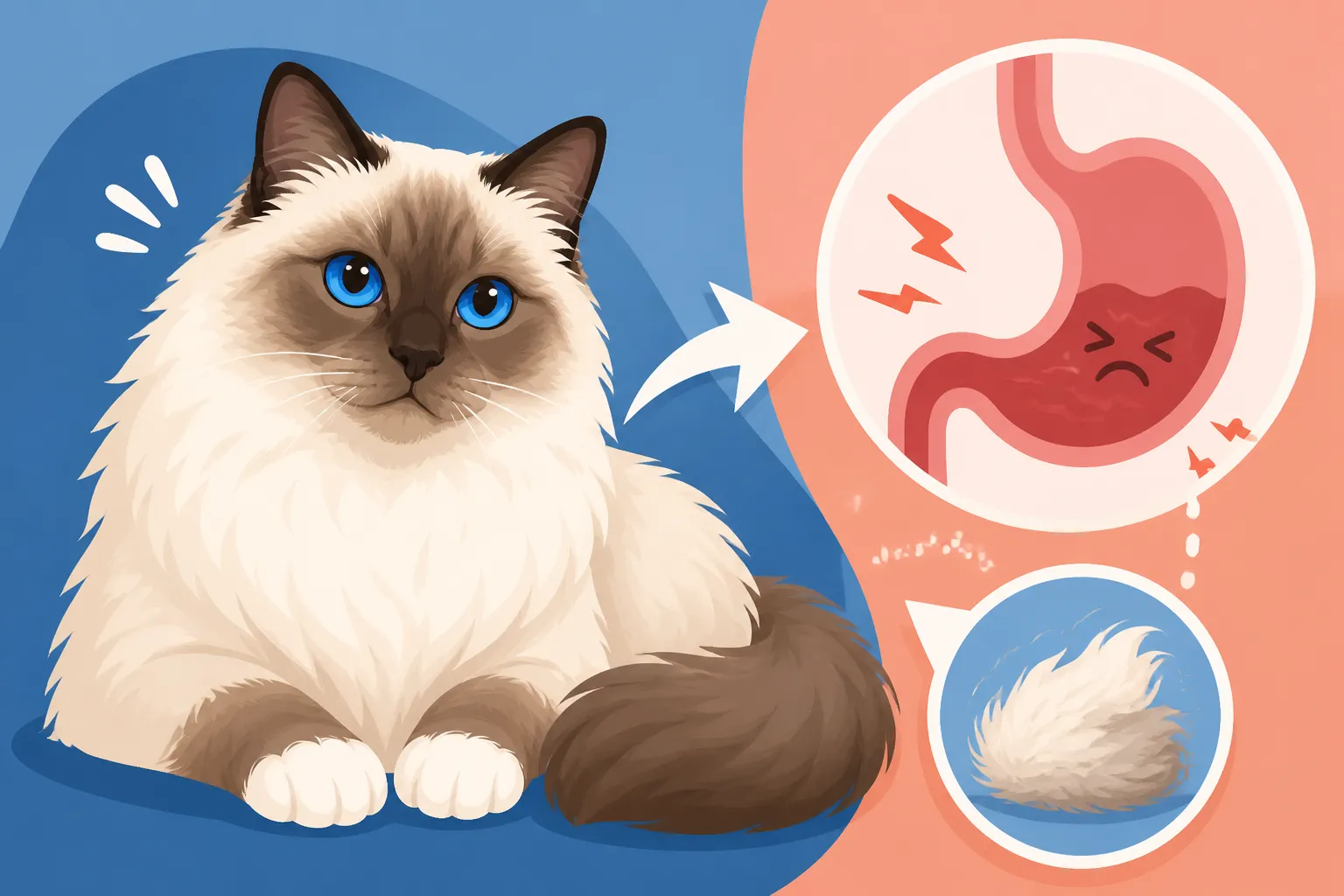
The most recognizable sign of a hairball problem is, predictably, vomiting. Your Birman might gag or retch, then produce a cylindrical mass of fur, often mixed with some stomach fluids or undigested food. While unpleasant for us, this is actually a healthy and natural way for their body to expel the indigestible hair. However, if this happens too frequently – say, more than once or twice a month – it could indicate a larger issue or discomfort for your cat.
Beyond vomiting, ingested hair can also lead to other, less obvious digestive problems. Constipation is a significant concern. If the hair isn't expelled through vomiting, it travels down the digestive tract and can accumulate, making stools difficult to pass. You might notice your Birman straining in the litter box, producing small, hard stools, or even no stool at all for an extended period. This can be painful and lead to further complications. A decreased appetite or a complete refusal to eat can also be a symptom, as a belly full of hair can make them feel uncomfortable and nauseous. In more severe, though thankfully rare, cases, a large, dense hairball can cause an intestinal blockage, which is a life-threatening emergency requiring immediate veterinary intervention.
Distinguishing Normal Hairball Issues from Other Illnesses
It’s crucial for Birman owners to learn to differentiate between an occasional, normal hairball expulsion and signs of a more serious underlying health issue. If your Birman is vomiting hairballs frequently (e.g., weekly), struggling with chronic constipation, or showing other concerning symptoms like extreme lethargy, significant appetite loss, or abdominal pain, it’s time for a vet visit. Remember, Birmans are known for their placid temperament, and Why a Birman Hides Illness Behind a Placid Temperament, making it even more important to be vigilant for subtle changes in their behavior or routine.
A vet will be able to perform a thorough examination and may recommend diagnostic tests such as X-rays or ultrasound to determine if a hairball is truly the culprit or if there's another medical condition at play. Issues like inflammatory bowel disease, parasites, kidney disease, or even certain cancers can mimic symptoms of hairball trouble. Early diagnosis is always best, so don't hesitate to consult your veterinarian if you're worried. A comprehensive pet insurance plan like those offered by Healthy Paws can provide immense peace of mind, knowing that unexpected diagnostic and treatment costs for such concerns are covered.
Practical Strategies to Prevent Birman Digestive Trouble
Preventing digestive issues stemming from hair ingestion is largely about proactive care. By incorporating a few simple habits into your routine, you can significantly reduce the likelihood of your Birman experiencing discomfort.
The Power of Consistent Grooming
Even though a Birman's coat is relatively low-maintenance compared to some other long-haired breeds, consistent grooming is your best defense against hairballs. While How Much a Coat With No Undercoat Actually Sheds might be less than expected, those shed hairs still need to go somewhere. Aim for at least Combing a Birman Three Times a Week, focusing on areas where hair tends to accumulate or where they might groom themselves more intensely, such as their "britches" (the long fur on their hind legs), their belly, and their magnificent ruff.
Using the right tools is essential. A wide-toothed comb followed by a finer-toothed comb can work wonders in gently removing loose hairs without pulling or damaging their silky fur. Avoid harsh slicker brushes, which can be too aggressive for a Birman's delicate single coat. Establishing a positive grooming routine early in your Birman's life will make it a pleasant experience for both of you, reducing stress and increasing cooperation. Every bit of hair you remove with a comb is hair that won't end up in your cat's stomach.
Dietary Solutions and Supplements
What your Birman eats plays a crucial role in managing digestive health, especially concerning hairballs. A high-quality diet, rich in easily digestible proteins and healthy fats, supports overall coat health, which can reduce shedding. Look for foods that specifically mention omega fatty acids for skin and coat. Some premium cat foods are also formulated as "hairball control" diets, which typically contain higher levels of fiber. This fiber helps to gently move ingested hair through the digestive tract, preventing it from forming troublesome clumps.
Beyond specialized diets, consider incorporating specific supplements. Malt paste, for example, is a common and often effective hairball remedy. It helps lubricate the digestive tract, allowing hair to pass more easily. Natural fiber sources like a tiny bit of plain canned pumpkin (not pie filling!) or psyllium husk powder can also be beneficial, but always introduce new supplements slowly and under the guidance of your vet. Hydration is another critical factor. Ensuring your Birman drinks enough water helps keep their digestive system running smoothly. Offering wet food, as Which Wet Food Suits a Birman's Kidney History explains, is an excellent way to boost their water intake, and many Birmans enjoy cat drinking fountains, which can entice them to drink more. Maintaining a healthy diet and good hydration are fundamental to preventing digestive woes, and knowing you have pet insurance from a provider like Healthy Paws can help cover the costs of these specialized diets or supplements if they're medically recommended by your vet.
Environmental Enrichment and Stress Reduction
Sometimes, digestive issues are exacerbated by stress or boredom, which can lead to overgrooming. A stressed or anxious Birman might groom themselves excessively as a coping mechanism, thereby ingesting more hair. Providing a stimulating and consistent environment can go a long way in supporting their overall well-being and, by extension, their digestive health.
Engage your Birman in regular play sessions with wand toys, laser pointers, or puzzle feeders. This not only provides mental and physical exercise but also helps redirect any tendencies towards overgrooming. Ensuring they have a comfortable, safe space where they can retreat and feel secure is also important. A consistent daily routine for feeding, play, and attention can minimize anxiety. As Why a Birman's Appetite Goes First When It Is Unsettled suggests, even minor changes in routine can affect a Birman's appetite and overall digestive comfort, so a stable environment is key. A calm cat is generally a healthier cat, and that includes their digestive system.
When to Seek Veterinary Attention
While many hairball issues can be managed at home with good grooming and diet, there are clear signs that indicate it’s time to call your veterinarian. Ignoring these symptoms can lead to severe health complications for your Birman.
Red Flags and Urgent Concerns
It’s one thing for your Birman to occasionally bring up a hairball. It’s quite another if these incidents become frequent, more severe, or are accompanied by other alarming symptoms. If your Birman is persistently vomiting (especially if they're not producing hairballs after retching), gagging frequently, or experiencing chronic diarrhea or constipation, don't delay. Straining excessively in the litter box, or not passing any stool for 24-48 hours, is a serious red flag. Similarly, if your cat seems lethargic, withdrawn, has a painful or distended abdomen, or is experiencing unexplained weight loss (as discussed in Why a Thin, Hungry Old Birman Needs a Thyroid Test), you need to get them to the vet. These can be signs of a life-threatening intestinal blockage or another serious underlying illness.
Never try to force your cat to eat or administer medications without veterinary guidance if you suspect a blockage or severe illness. Home remedies can often do more harm than good in such situations. Your veterinarian is the best resource for diagnosing and treating these conditions effectively. Early intervention is always associated with better outcomes, and having pet insurance from a trusted provider like Healthy Paws can help you make immediate decisions based on your cat's needs, not just your wallet.
Diagnostic Steps and Treatment Options
When you bring your Birman to the vet with suspected digestive issues related to hairballs, they will start with a thorough physical examination, including palpating the abdomen. They’ll ask you about your cat’s eating habits, litter box use, grooming routine, and any other symptoms you’ve observed. Depending on the initial findings, your vet might recommend diagnostic imaging such as X-rays or an ultrasound to visualize the digestive tract and identify any blockages or other abnormalities. Blood tests may also be performed to check for other underlying health conditions that could be contributing to the symptoms.
Treatment will vary depending on the diagnosis. For mild cases of constipation or hairball accumulation, your vet might prescribe a special diet, a laxative, or a specific hairball remedy. For more severe cases, such as an intestinal blockage, surgery may be necessary to remove the obstruction. In addition to treating the immediate problem, your vet will work with you to establish a long-term preventative routine that includes optimal grooming, diet, and potentially specific supplements. Regular veterinary check-ups are also crucial, even for a Birman with How Often a Birman With Clear Papers Still Needs a Vet, as they allow your vet to monitor your cat’s overall health and catch potential issues early.
| Digestive Issue Symptom | Potential Hairball Link | When to Call the Vet | Preventative Measure |
|---|---|---|---|
| Vomiting | Expelling hairballs | More than 1-2 times/month, persistent retching, no hairball produced | Regular grooming, hairball diet/supplements |
| Constipation | Hair accumulation blocks passage | Straining, no stool for 24-48 hours, hard dry stools | High fiber diet, increased hydration, supplements |
| Decreased Appetite | Discomfort, nausea from hair in stomach | Refusal to eat for over 24 hours, significant weight loss | Consistent grooming, balanced diet, stress reduction |
| Lethargy | General malaise, pain | Extreme tiredness, unresponsiveness, hiding | Vet check-up for underlying cause, symptom monitoring |
| Abdominal Pain | Severe blockage or other internal issue | Distended belly, sensitivity to touch, restlessness | IMMEDIATE VET CARE |
Disclaimer
The information provided in this article is for general informational purposes only and is not intended as a substitute for professional veterinary advice. Always consult with a qualified veterinarian regarding any health concerns or before making any decisions about your pet's medical care.