Why a Placid Birman Hides Pain
One of the most heart-wrenching challenges we face as Birman parents is the uncanny ability of these gentle souls to mask their discomfort. Their placid, serene nature, while charming, often means they're silently enduring pain long before we pick up on anything amiss. This guide is here to unravel the subtle cues and tell-tale signs, helping you become an expert in recognizing when your beloved Birman is truly hurting, even when they’re trying their best to hide it.
The Birman's Gentle Nature and Its Health Implications
It’s no secret that Birmans are renowned for their sweet, docile, and quiet personalities. They are often described as "lap cats who prefer to sit near you rather than on you," a testament to their calm and undemanding disposition. This inherent placidity, however, becomes a double-edged sword when it comes to their health. Unlike some more vocal or boisterous breeds that might yowl, hiss, or overtly limp at the first sign of trouble, a Birman often internalizes its suffering. They might continue their daily routines, albeit with subtle shifts, hoping you won't notice. This is why understanding Why a Birman Hides Illness Behind a Placid Temperament is so critical for owners.
The Placidity Paradox: Why Calmness Can Be a Problem
The very traits that make Birmans such wonderful companions — their calmness, their low-key demeanor, their gentle tolerance — are precisely what make diagnosing their pain so incredibly difficult. A Birman is not typically one to dramatically show distress. You won't often hear loud, insistent meows or see aggressive swatting when they're feeling poorly. Instead, their reaction to discomfort is usually a withdrawal, a subtle change in their habits, or a slight alteration in their posture. This can be incredibly frustrating for an owner who just wants to make sure their furry family member is okay, because you’re looking for a shout when all you’re getting is a whisper. Imagine a human child who is exceptionally well-behaved; when they suddenly become just a tiny bit quieter or less engaged, it might be the only clue they’re not feeling well. For Birmans, this is their default. Their stoicism means they can be in significant pain – from a brewing urinary tract infection to advanced dental decay – and you might only notice they're sleeping a little more, or perhaps not greeting you at the door with quite the same enthusiasm.
Subtlety in Communication: Reading the Birman's Cues
Learning to read your Birman’s subtle cues is like learning a new language. You have to pay attention to the nuances, the changes in rhythm, and the unspoken words. A classic example is their interaction with you. A healthy Birman will usually follow you from room to room, settle nearby, and enjoy a quiet cuddle. When they are in pain, these interactions might not stop entirely, but they might change. Perhaps they still follow you, but lag a little behind. Maybe they jump onto the sofa, but do so with a bit more hesitation, or settle in a spot that requires less movement. You might notice they are less keen to play, or if they do play, it's for a shorter duration. This quiet withdrawal is often What a Withdrawn Birman Is Telling You. It's not an aggressive "leave me alone," but rather a gentle "I'm not feeling my best right now." Their appetite might decrease ever so slightly, or they might become a bit fussier with their food. Even their grooming habits can shift; an uncomfortable cat might groom excessively in one spot, or neglect grooming altogether if it's too painful to bend. These aren't dramatic alarms, but soft nudges that, once understood, become incredibly loud signals.
Common Health Issues Birmans May Conceal
Birmans, like all breeds, are prone to certain health conditions, and their tendency to hide pain makes it even more crucial to be aware of these. Being proactive and knowing what to look for can make all the difference in catching these issues early, when they're often more treatable. This is where regular vet check-ups and open communication with your veterinarian become paramount. Considering a pet insurance plan from a provider like Healthy Paws can also provide peace of mind, ensuring you can pursue diagnostics without undue financial stress when these subtle signs emerge.
Dental Disease: A Silent Agony
Dental disease is shockingly common in cats, and Birmans are no exception, especially given their somewhat narrower jaws. It often progresses silently, causing significant pain long before an owner notices anything outwardly wrong. Imagine having a persistent toothache but just trying to eat around it or swallow your food whole to avoid the discomfort. That’s what many Birmans do. You might not see them drop food or paw at their mouth until the disease is quite advanced. Instead, subtle signs include a slight reluctance to eat hard kibble, preferring softer foods, or perhaps chewing primarily on one side of their mouth. You might notice bad breath, but sometimes even that isn't evident until you're up close. Gingivitis and periodontitis can lead to painful abscesses, tooth loss, and even systemic infections if left untreated. Understanding How Dental Disease Progresses in a Birman can help you stay ahead of it. If your Birman flinches when you gently try to touch their back teeth, it’s a strong indicator something is wrong, even if they don't show other obvious symptoms. Regular dental checks as part of their annual vet visit are crucial, and sometimes a quick peek in their mouth at home can reveal red gums or tartar buildup, signaling it’s time for a professional cleaning.
Arthritis and Joint Pain: Slow Changes
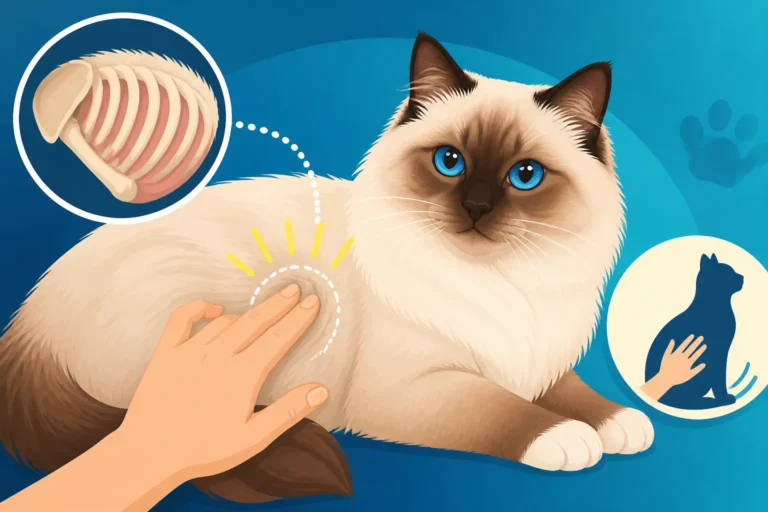
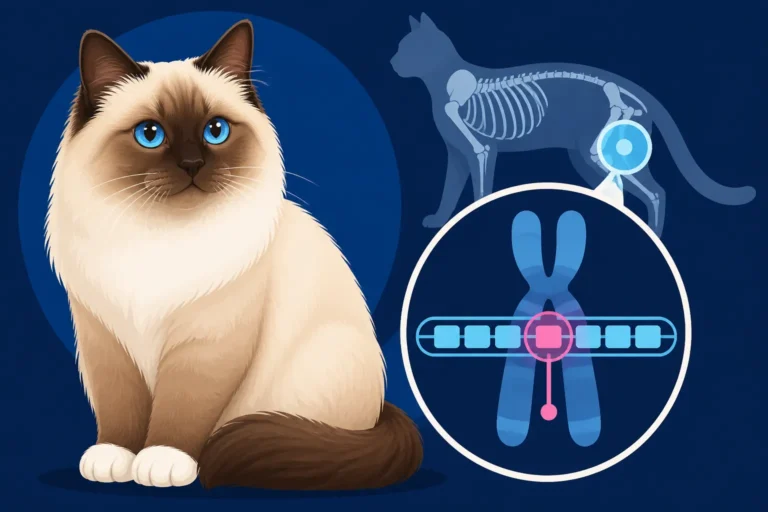
As Birmans age, like many cats, they can develop arthritis or other joint pain. This isn’t usually a sudden, dramatic lameness you’d see in a dog. Instead, it’s a slow, insidious creep that gradually reduces their mobility and comfort. Because Birmans are generally not high jumpers anyway – they often prefer to perch at mid-height rather than scale the tallest cat tree – signs of joint pain can be even harder to spot. You might notice they hesitate before jumping onto a favorite chair, or they choose to lie on a lower surface instead of their usual perch. They might become less keen on playing games that involve chasing or sudden movements. An old Birman might even start to avoid the stairs, preferring to stay on one floor of the house. How Arthritis Shows in a Birman That Never Jumped Much involves looking for these reductions in typical activity rather than new, overt limping. Their usual fluid grace might be replaced by a slightly stiffer gait, particularly after a long nap. They might also become less tolerant of being handled, especially around their hips or back. If your Birman, who once tolerated being picked up without complaint, now stiffens or lets out a tiny, uncharacteristic trill when you lift them, it could be a sign of discomfort.
Internal Organ Issues: The Hardest to Spot
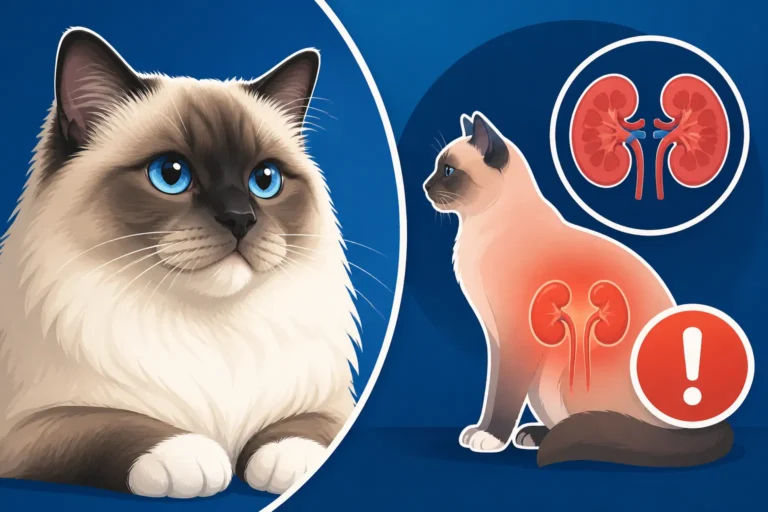
Conditions affecting internal organs, such as kidney disease, heart disease (like Hypertrophic Cardiomyopathy, or HCM), or digestive issues, are perhaps the most challenging for Birmans to convey. These conditions don't typically manifest with external signs of pain in their early stages. A Birman with early kidney disease might simply start drinking a little more water, or urinating a bit more frequently, changes that are easy to overlook in a busy household. HCM, a common heart condition in Birmans, can progress silently for years, with no outward symptoms until it reaches an advanced stage, potentially leading to congestive heart failure or blood clots. Even then, the cat's placid nature might mean they just become lethargic or quieter, rather than showing overt distress.
Consider the example of a Birman with a urinary tract infection; while some cats will exhibit obvious straining or inappropriate urination, a Birman might just sit in the litter box slightly longer, or make a few more trips than usual, without ever crying out. Digestive upset might mean a slight decrease in appetite or a change in stool consistency, rather than vomiting or diarrhea. This is why regular veterinary check-ups are so vital, especially as your Birman ages. Blood tests and physical exams, even when your cat seems perfectly fine, are key to catching these internal issues before they become crises. This is also why having a good pet insurance policy, such as those offered by Healthy Paws, can be incredibly valuable, as these diagnostics and potential ongoing treatments can become quite costly.
Practical Strategies for Early Detection
Catching pain and illness in a Birman requires vigilance and a systematic approach. You can't just rely on them to tell you they're hurting because their instinct is often to hide it. This means you, as their dedicated caregiver, need to become an expert observer and proactive advocate for their health. Knowing How to Tell a Quiet Birman From an Unwell One is a skill developed through consistent attention to detail.
The Importance of Routine Observation and Documentation
The most powerful tool you have for detecting pain in a placid Birman is consistent, routine observation. This isn't just a casual glance; it's a mindful check-in with your cat every single day. Look for subtle shifts in their daily routine:
- Eating Habits: Is your Birman finishing their usual amount of food? Are they eating with the same enthusiasm? A slight decrease in appetite or a preference for wet food over dry could be a red flag.
- Drinking Habits: Are they visiting the water bowl more or less frequently? A sudden increase in thirst can point to kidney issues or diabetes.
- Litter Box Habits: Note the frequency of urination and defecation. Are the stools normal? Is there any straining? Any "accidents" outside the box are almost always a sign of a medical issue, not behavioral defiance in a Birman.
- Activity Levels: While Birmans aren't typically Olympic athletes, they do have their bursts of play. Is your cat playing less, or for shorter periods? Are they avoiding stairs or high perches they once frequented? Why a Birman That Stops Following You Needs a Vet can often be traced back to subtle changes in energy or discomfort.
- Grooming: Is their coat still silky and well-maintained? Over-grooming a specific spot can indicate pain or irritation, while neglecting grooming entirely can mean they're too unwell or stiff to reach certain areas. Caring for a Birman Once Its Points Have Gone Dark will highlight how changes in grooming habits can be particularly visible on their coat.
- Sleep Patterns: Are they sleeping more than usual, or in unusual spots?
- Interaction: Are they still engaging with you and other household members in their typical gentle way? A slight aloofness or a decreased desire for interaction can be a subtle sign of discomfort.
It’s incredibly helpful to keep a simple journal or use an app to track these observations. Note down any changes, even seemingly minor ones, along with the date. This provides objective data you can share with your vet, rather than relying on vague memories. For example, logging "drank noticeably more water today" or "hesitated before jumping onto the bed" for a few days can paint a clear picture for your vet that a single incident might not.
Leveraging Technology and Professional Guidance
In today's world, technology can offer valuable support in monitoring your Birman. Pet cameras, especially those with two-way audio, can help you observe your cat's behavior when you're not home. You might catch subtle limps, changes in sleep patterns, or unusual vocalizations that you'd otherwise miss. Automated feeders can help track food intake more precisely, and smart water fountains can monitor water consumption.
Beyond home monitoring, regular veterinary check-ups are non-negotiable. Even How Often a Birman With Clear Papers Still Needs a Vet is at least annually, and more frequently as they age. Don't wait for obvious symptoms. Birmans need thorough physical exams, including dental checks, palpation of their joints and abdomen, and listening to their heart and lungs. As they get older, regular blood and urine tests become increasingly important to catch conditions like kidney disease or hyperthyroidism in their early stages. Many vets now recommend annual senior panels for cats over eight years old. If your vet suggests an ultrasound or X-rays based on their findings, don't hesitate. Remember, Birmans are masters of disguise. It’s always better to be proactive. Pet insurance, like that from Healthy Paws, can be incredibly beneficial here, covering a significant portion of diagnostic tests and treatments, allowing you to make medical decisions based on what’s best for your Birman, not just your budget.
Here’s a helpful table summarizing subtle signs versus typical Birman behavior:
| Behavior Category | Typical Birman Behavior | Subtle Sign of Pain/Illness |
|---|---|---|
| Movement & Activity | Graceful movement, jumps to favorite mid-height spots. | Hesitation before jumping, stiff gait after rest, choosing lower spots. |
| Enjoys gentle play, follows owner room to room. | Shorter play sessions, less enthusiasm, lags behind when following. | |
| Appetite & Thirst | Eats measured meals quietly, steady water intake. | Slight decrease in food interest, preferring soft food, increased thirst. |
| Litter Box Habits | Regular bathroom schedule, uses box cleanly. | Straining, more frequent trips, lingering in box, accidents. |
| Grooming | Meticulous self-grooming, silky, tangle-free coat. | Over-grooming a specific area, neglected grooming (especially hindquarters). |
| Social Interaction | Settles near you, gentle purrs, greets at door. | Slightly withdrawn, less interested in interaction, subtle shift in resting spots. |
| Vocalization | Soft trills or quiet meows, rarely vocal. | More frequent or unusual vocalizations (e.g., quiet groans), increased silence. |
Creating a Supportive Environment for a Birman in Pain
Once you've identified that your Birman might be in pain or has received a diagnosis from the vet, the next step is to create an environment that supports their recovery and comfort. This goes beyond just medication; it involves thoughtful adjustments to their living space and a consistent, gentle care routine.
Adjusting the Home for Comfort
Think about your home from your Birman's perspective, especially if they are dealing with conditions like arthritis or joint pain. Every jump, every stretch, every climb can become a source of discomfort.
- Easy Access to Favorite Spots: If your Birman loves to nap on the sofa or bed, provide ramps or pet steps to make access easier. This reduces the need for painful jumps. Likewise, ensure their food and water bowls are easily accessible without requiring them to stretch or bend uncomfortably. Elevated bowls can sometimes help with neck or back pain.
- Comfortable Resting Places: Provide soft, orthopedic beds in several favorite spots around the house. Consider a heated bed, especially in cooler climates or for older cats with arthritis, as warmth can soothe aching joints. Ensure these spots are quiet and undisturbed, allowing them ample rest.
- Litter Box Accessibility: If your Birman has joint pain, a high-sided litter box can be difficult to enter. Switch to a litter box with lower sides. Ensure there are enough litter boxes in easily accessible locations, minimizing the distance they need to travel.
- Temperature Control: Birmans have a single coat and can feel the cold more than some breeds. Ensure your home is kept at a comfortable, consistent temperature. A chill can exacerbate joint pain.
These seemingly small adjustments can make a world of difference in your Birman's daily comfort, reducing the physical strain on their body and allowing them to move more freely, even if it's just from one comfy spot to another. Remember, a Birman often just wants to be near you, so ensure these comfortable spots are also close to where you spend your time.
Post-Diagnosis Care and Management
A diagnosis of pain or a chronic condition is just the beginning of your Birman’s care journey. Working closely with your veterinarian is paramount.
- Medication Adherence: Administering medication can be tricky with cats, but it’s crucial to follow your vet’s instructions precisely. Learn techniques for giving pills or liquid medication gently, perhaps hiding them in a favorite treat or using a pill pocket. Never alter dosage or discontinue medication without consulting your vet.
- Physical Therapy/Massage: For conditions like arthritis, your vet might recommend gentle physical therapy exercises or massage techniques. Learning these can help improve circulation and flexibility, and strengthen the bond between you and your Birman. Always ensure you're taught by a professional to avoid causing further discomfort.
- Dietary Adjustments: Your vet might recommend specific prescription diets to manage conditions like kidney disease or to support joint health. These diets are carefully formulated to provide the right balance of nutrients while minimizing stress on affected organs. For example, cats with kidney issues will often benefit from a diet lower in protein and phosphorus, and higher in moisture content.
- Weight Management: Maintaining a healthy weight is crucial for any cat, but especially for Birmans with joint pain. Excess weight puts additional strain on their joints, exacerbating pain. Work with your vet to establish a healthy weight goal and a feeding plan. Remember, Why an Old Birman Needs Fewer Calories as they slow down, making careful calorie control essential.
- Regular Monitoring: Continue your daily observations and communicate any changes or concerns to your vet. Schedule regular follow-up appointments to monitor their condition and adjust treatment plans as needed. This long-term commitment is vital for managing chronic pain effectively and ensuring your Birman maintains a good quality of life for all The Twelve to Sixteen Years a Birman Usually Gets. Pet insurance, like Healthy Paws, is often a lifesaver during this period, covering ongoing prescription costs, specialized foods, and regular check-ups that can accumulate significantly over time.
By understanding your Birman's unique way of communicating pain and by being proactive in their care, you can ensure they live a life as comfortable and happy as possible, even when facing health challenges.
Disclaimer
Please remember that the information provided in this guide is for informational purposes only and does not constitute professional veterinary advice. Always consult with a qualified veterinarian for any health concerns or before making any decisions related to your Birman's care.