Whether a Birman’s Sturdy Build Brings Hip Trouble
It’s a common worry for many cat parents, especially when you have a beloved breed like the Birman with its distinctive, sturdy frame. You might look at your beautiful Birman, watching them gracefully move (or perhaps, less gracefully, plop themselves onto the sofa), and wonder if their solid build might put them at risk for joint issues later in life, particularly hip trouble. This guide is here to walk you through everything you need to know about Birman conformation, potential orthopedic concerns, and how to keep those beautiful cats moving comfortably for years to come.
Understanding the Birman's Physical Build
When we talk about a Birman’s “sturdy build,” what does that actually mean in terms of their physical characteristics? They aren't as fine-boned as some Oriental breeds, nor as massive as a Maine Coon. They occupy a lovely middle ground, known for a well-proportioned, somewhat rectangular body that exudes strength and elegance simultaneously.
General Appearance and Musculature
A Birman possesses a medium to large build, with males often weighing between 10-15 pounds and females slightly less. Their bodies are muscular and solid, giving them that "sturdy" feel when you pick them up. This isn't a delicate cat; they have good bone structure, well-developed chests, and strong, medium-length legs. Imagine a finely tuned athlete, not a bulky weightlifter. This inherent strength is part of what makes them such resilient and long-lived companions, generally enjoying The Twelve to Sixteen Years a Birman Usually Gets when well cared for. Their musculature is firm and well-defined, providing excellent support for their joints and spine, which is a great starting point for overall orthopedic health.
This robust physique is a hallmark of the breed, a testament to its natural development and the careful breeding that has preserved its healthful traits. Unlike some breeds where extreme features can lead to health complications, the Birman's physical proportions are considered balanced and harmonious. This balance means their weight is generally well-distributed across their frame, reducing undue stress on any single joint. It's a key factor in why they often remain active and agile well into their senior years.
The Birman's Movement and Agility
Despite their solid build, Birmans are remarkably graceful creatures. They move with an almost ethereal fluidity, their silky coats swaying with each step. They are not known for being exceptionally high jumpers or daredevil climbers, often preferring to survey their domain from a comfy armchair or a mid-level cat tree rather than scaling the tallest bookshelves. This preference for lower heights actually helps reduce the impact stress on their joints over a lifetime, an unintentional benefit of their calm demeanor. You might notice your Birman taking a measured approach to navigating the house, a quiet dignity in their stride.
Their natural gait is smooth and unhurried. While they can certainly burst into playful sprints or pounce on a toy with surprising speed, their everyday movement is typically sedate. This controlled movement, combined with their strong musculature, means they generally avoid the kind of awkward landings or sudden twists that can predispose more boisterous or less coordinated cats to injuries. This smooth agility is a testament to how their sturdy build translates into functional, healthy movement. It’s also worth noting that their placid temperament can sometimes lead to them hiding discomfort, so it's essential to observe changes in their movement, even subtle ones. Why a Placid Birman Hides Pain is a critical read for any Birman owner.
Hip Dysplasia and Other Orthopedic Concerns in Cats
When people hear "hip trouble," they often immediately think of hip dysplasia, a condition more commonly associated with certain dog breeds. However, cats can indeed suffer from this, and other orthopedic issues, though often with different presentations.
What is Hip Dysplasia in Felines?
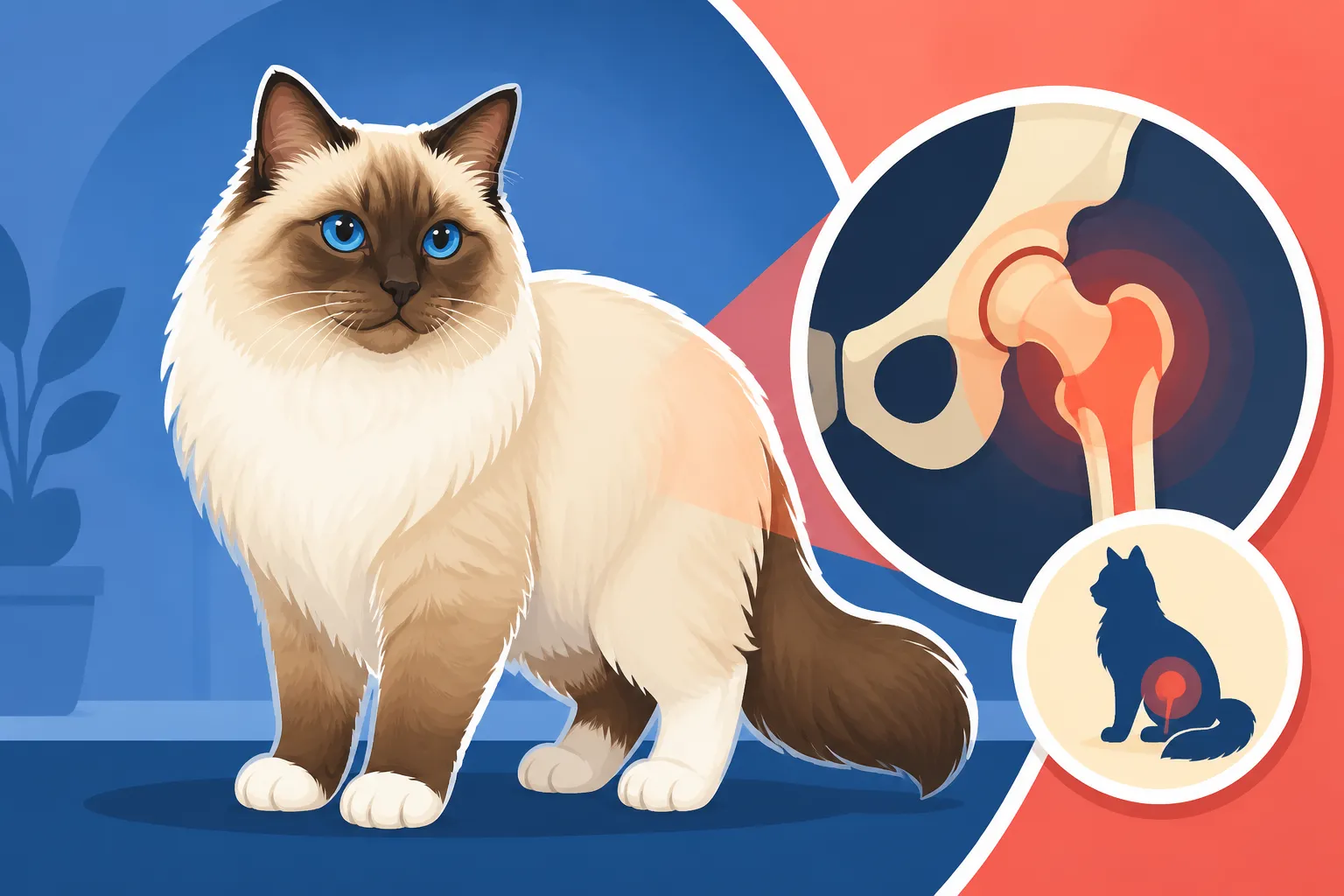
Hip dysplasia in cats, much like in dogs, is a malformation of the hip joint, where the ball (femoral head) and socket (acetabulum) don't fit together properly. This misalignment can lead to joint laxity, abnormal wear and tear, and eventually, degenerative joint disease or osteoarthritis. In severe cases, it can cause significant pain, lameness, and reduced mobility. Unlike dogs, cats with hip dysplasia often don't show the same overt symptoms, perhaps due to their lighter weight and their natural ability to mask pain. You might not see a dramatic limp but rather a subtle reluctance to jump, a decrease in grooming (especially their hindquarters), or a general reduction in activity.
The frustration for many cat owners lies in how subtle these signs can be. Your Birman, being naturally calm and collected, might simply start to What an Old Birman Slows Down From First rather than showing obvious pain. It takes a keen eye and a deep understanding of your individual cat's habits to spot the early warning signs. Diagnostic methods usually involve physical examination, X-rays, and sometimes more advanced imaging. It's a challenging condition because of its insidious onset and your cat's stoic nature.
Breed Predispositions vs. Individual Risk Factors
While hip dysplasia is less common in cats overall compared to dogs, certain breeds do show a higher predisposition. Larger, heavier breeds like Maine Coons, Persians, and indeed, Ragdolls, have been noted to have a higher incidence. The Birman, while a medium-to-large breed, doesn't typically appear on the list of breeds with an exceptionally high risk for severe hip dysplasia. This is good news, but it doesn't mean they are entirely immune.
Beyond genetics, several individual risk factors can contribute to orthopedic issues. Obesity is a major culprit, placing undue stress on all joints, including the hips. A Birman with its What a Birman's Long Rectangular Frame Should Weigh needs careful weight management. Trauma, such as falls or accidents, can also lead to joint damage. Poor nutrition during growth, though less common with today’s quality cat foods, could theoretically play a role. Even environmental factors, like living in a house with slippery floors or requiring them to jump from excessive heights, can contribute to wear and tear over time. Therefore, while breed predisposition is a factor, attentive care throughout your Birman’s life is paramount.
Is the Birman Prone to Hip Trouble?
This is the million-dollar question for many prospective and current Birman owners. While their sturdy build might suggest a predisposition, the reality is a bit more nuanced.
Historical Context and Genetic Screening
Historically, the Birman breed has not been identified as having a widespread, significant issue with hip dysplasia, unlike some of its larger, long-haired cousins. The focus of health screening in Birmans has traditionally centered more on genetic conditions like Hypotrophic Cardiomyopathy (HCM) and Polycystic Kidney Disease (PKD), and more recently, FOXN1 (Birman Hypotrichosis). For example, it’s always recommended that How Often a Breeding Birman Needs Scanning for HCM, as a clear heart is paramount. This isn't to say orthopedic health is ignored, but it hasn't emerged as a defining breed-specific concern requiring widespread genetic testing.
However, responsible breeders remain vigilant about overall structural soundness. They carefully select breeding cats with good conformation and observe their progeny for any signs of lameness or mobility issues. While there isn't a specific "hip test" routinely performed on Birmans in the same way some large dog breeds are screened, a good breeder will be transparent about the orthopedic health of their lines. If you're getting a kitten, ask about the general health and longevity of the parents and grandparents, including any joint issues. This holistic approach helps to ensure the continued health of the breed, relying on careful observation and selective breeding to maintain their robust nature.
Recognizing Signs of Joint Discomfort in Birmans
Because Birmans are so gentle and often hide discomfort, recognizing the subtle signs of hip or joint trouble can be a real challenge. They aren't likely to yowl in pain or limp dramatically. Instead, you might notice very gradual changes in their behavior or routine. For instance, your Birman might stop using the cat tree they once loved, or you might find them sleeping in lower, more accessible spots. Why an Old Birman Stops Using the Stairs is a classic indicator of hindquarter discomfort. They might hesitate before jumping onto furniture, or you may see a slight stiffness when they first wake up and stretch.
Other signs can include a decrease in grooming, particularly around their back and hips, leading to a duller coat or even mats in those areas. You might notice them being less enthusiastic about play, or they might become a bit more withdrawn. A sudden disinterest in exploring or interacting with family members could also be a subtle hint. It’s crucial to pay close attention to changes in their daily habits, as Why a Quiet Birman Is Easy to Misread. If you observe any of these subtle shifts, a visit to your veterinarian for a thorough check-up, including an orthopedic examination, is definitely in order. They may recommend X-rays to get a clear picture of their joint health.
Proactive Care for Birman Joint Health
Even if Birmans aren't particularly prone to hip trouble, proactive care is always the best approach to ensuring they lead long, comfortable lives. There's a lot we can do as owners to support their joint health from kittenhood through their golden years.
Maintaining a Healthy Weight
One of the absolute best things you can do for your Birman's joint health is to keep them at a lean, healthy weight. Every extra pound puts additional stress on their hips, knees, and spine, accelerating wear and tear and potentially exacerbating any underlying joint issues. It's a simple equation: less weight equals less stress. Because Birmans are not overly demanding or vocal about food, it’s easy to accidentally overfeed them, especially with their beautiful, flowing coats that can hide a few extra pounds. Why an Overweight Birman Leaves Its Ruff Ungroomed is a sign that things have gone too far, but you want to catch it much earlier than that.
Regular weight checks at home and during vet visits are crucial. Your vet can help you determine your Birman's ideal weight and body condition score. Feeding measured portions of high-quality cat food appropriate for their age and activity level, and limiting treats, are fundamental. Encourage gentle play and activity to keep them moving. A svelte Birman is a happy Birman with healthier joints.
Nutritional Support and Supplements
Beyond maintaining an ideal weight, certain nutritional components can actively support joint health. Look for cat foods that include omega-3 fatty acids, particularly EPA and DHA, which have natural anti-inflammatory properties. These can be found in fish oils or specially formulated joint-support diets. Glucosamine and chondroitin are popular supplements often recommended for joint health, as they are components of cartilage and may help maintain its integrity. While evidence in cats is less robust than in dogs, many veterinarians recommend them as they are generally safe.
It's always a good idea to discuss any supplements with your veterinarian before introducing them to your Birman, especially if they have other health conditions or are on medication. Your vet can provide guidance on appropriate dosages and forms. For pet parents considering comprehensive coverage for their furry friends, pet insurance providers like Healthy Paws often cover prescribed joint supplements when part of a treatment plan for an eligible condition, offering peace of mind for managing long-term health. Think of it as investing in their future comfort.
Creating a Joint-Friendly Environment
Making your home comfortable and safe for your Birman, especially as they age, can go a long way in preserving their joint health. Provide easily accessible, cushioned resting spots. If your Birman loves to be up high, consider pet stairs or ramps to help them access their favorite perches or furniture without strenuous jumping. This is particularly important for preventing injuries that could lead to orthopedic problems.
Ensure they have good traction on floors. If you have a lot of slippery hardwood or tile, consider placing rugs or runners in areas where your Birman frequently walks or jumps. Keep their litter box low-sided and easily accessible, especially for older cats who may find climbing into high-sided boxes uncomfortable. Regular grooming, especially for their hindquarters, also ensures their movement isn’t impeded by mats, and it allows you to check for any tender spots or changes in their body. Thoughtful adjustments to their living space can dramatically improve their quality of life and reduce the daily strain on their joints.
When to Seek Veterinary Advice
Knowing when to consult your vet about potential joint issues is paramount, especially with a breed as good at masking pain as the Birman. Don't wait until your cat is overtly limping or crying out; by then, the problem has often progressed significantly.
Subtle Changes in Behavior and Mobility
Any sustained, unexplained change in your Birman's movement or routine warrants a call to the vet. This could include a reluctance to jump, difficulty getting up after resting, unusual stiffness, decreased activity levels, or even changes in litter box habits if discomfort makes it hard to posture. If your cat seems less interested in playtime or grooming themselves, these are also subtle but important clues. Sometimes, a Birman might just start sleeping more, which could be attributed to age, but it's worth ruling out pain.
It's tempting to think these are just "getting old" signs, but a proper veterinary assessment can differentiate between normal aging and treatable pain. Early intervention can significantly improve your Birman's comfort and slow the progression of joint disease. Your vet might suggest a diagnostic workup, potentially including X-rays or even a more specialized consultation with a veterinary orthopedic specialist. Being proactive means you can address issues before they significantly impact your Birman's quality of life.
Diagnostic Tools and Treatment Options
When you bring your Birman to the vet with concerns about joint pain, they will likely start with a thorough physical examination, observing their gait, palpating their joints, and assessing their range of motion. If warranted, X-rays are a primary diagnostic tool to evaluate the bone structure of the hips and other joints, looking for signs of dysplasia, arthritis, or other abnormalities. In some cases, blood tests might be run to rule out other systemic issues that could mimic joint pain.
If hip trouble or other orthopedic issues are diagnosed, there's a range of treatment options available. These can include pain management with anti-inflammatory medications (NSAIDs), joint supplements, weight management strategies, and physical therapy. In severe cases, surgical interventions might be considered, though this is less common in cats than in dogs for hip dysplasia. It's a huge relief to know that many effective treatments exist to manage and alleviate discomfort, allowing your Birman to maintain a good quality of life. Some comprehensive pet insurance policies, such as those from Healthy Paws, can be incredibly helpful in covering the costs associated with diagnostics, medications, and ongoing treatments for chronic conditions like arthritis.
Conclusion
The Birman cat's sturdy build is generally a strength, contributing to their overall robust health and longevity rather than predisposing them to widespread hip trouble. While no cat breed is entirely immune to orthopedic issues like hip dysplasia or arthritis, Birmans are not considered to be at an unusually high risk. The key to ensuring your Birman lives a life free from joint pain lies in attentive, proactive care. This means maintaining a healthy weight, providing a supportive home environment, considering appropriate nutritional supplements, and, most importantly, being vigilant for subtle changes in their behavior or mobility. By working closely with your veterinarian and being a watchful advocate for your gentle companion, you can help those beautiful, blue-eyed Birmans gracefully navigate life's journey, staying comfortable and active well into their senior years.
Disclaimer
Please remember that the information provided in this guide is for general educational purposes only and should not be considered a substitute for professional veterinary advice. Always consult with a qualified veterinarian for any health concerns or before making any decisions related to your Birman's care, diet, or treatment plan. Individual cats may have unique health needs that require personalized attention from a professional.