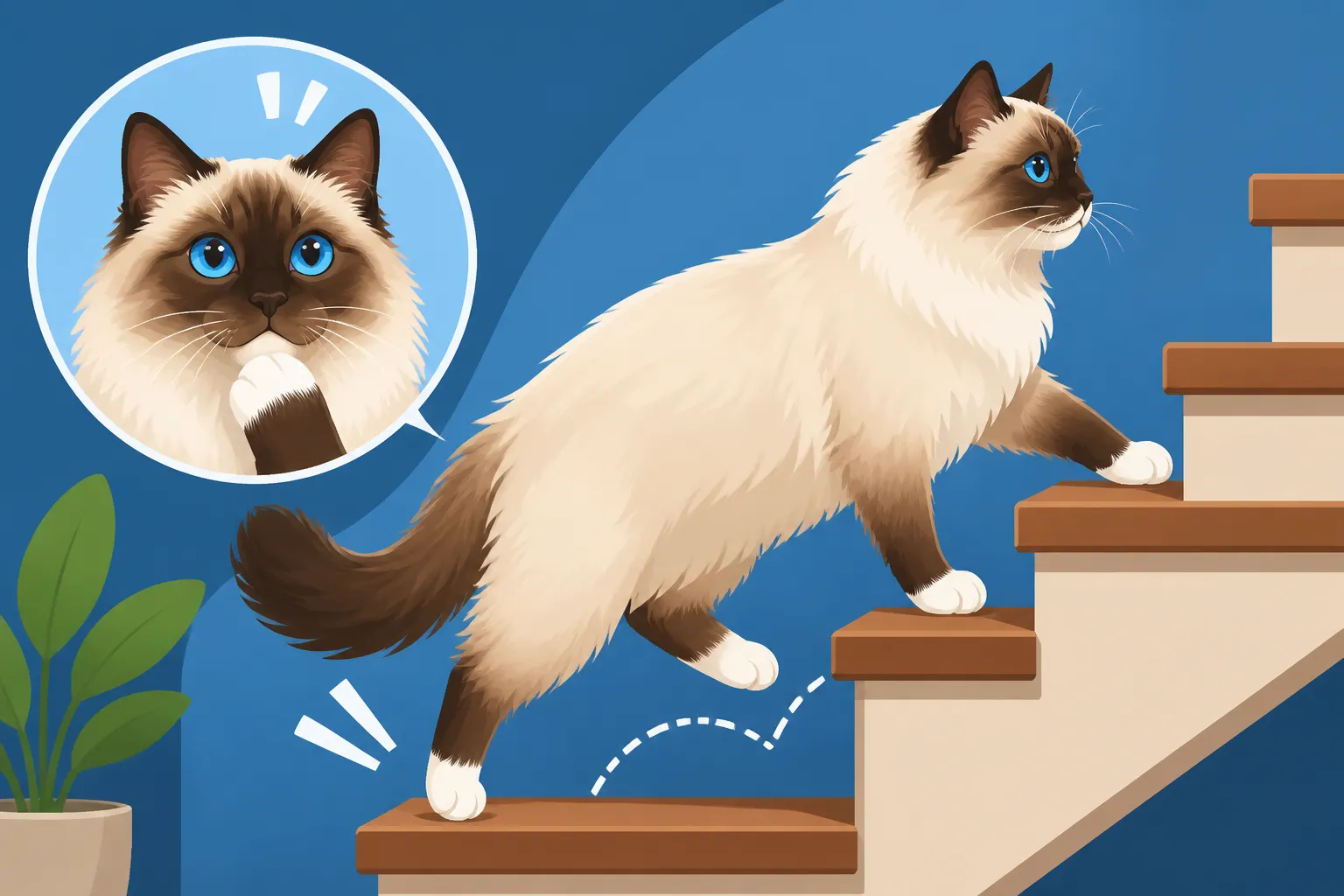
Why a Birman Skips a Step Going Up the Stairs
It’s truly unsettling, isn't it? One moment, your beloved Birman is gracefully trotting up the stairs, and the next, you catch a glimpse of them skipping a step, or perhaps taking a moment too long to commit to the ascent. This subtle change can be a quiet alarm bell, making you wonder if it’s just a clumsy moment or something more. This guide aims to gently walk you through the potential reasons behind your Birman’s hesitant stair climbing, from minor aches to more significant health concerns, helping you understand what to look for and when to seek professional help.
Understanding Your Birman's Typical Movement Patterns
Before we dive into what might be going wrong, let's take a moment to appreciate what a healthy Birman's movement usually looks like. These cats are known for their semi-long, sturdy build, but they're not typically high-flyers like some more agile breeds. They tend to be more grounded, moving with a calm, deliberate grace rather than explosive leaps. Their balance is generally excellent, and they navigate familiar environments, like your staircase, with a quiet confidence.
The Birman's Natural Agility and Preferred Heights
Birmans are often described as "middle cats" – not as boisterous as a Siamese, nor as utterly placid as some Persians. This balance extends to their physical activity. While they enjoy a good play session, they aren't usually scaling your bookshelves to the ceiling. Instead, they prefer mid-height perches, like the back of a sofa or a sturdy cat tree, where they can observe their domain without feeling the need for daring aerial stunts. When climbing stairs, a healthy Birman moves fluidly, engaging all four paws evenly, and rarely hesitates unless there's a novel distraction. Their long, rectangular frames are built for stability, not extreme verticality.
Subtle Shifts in Gait and Behavior to Observe
Because Birmans are so inherently placid and often hide illness behind a placid temperament, noticing subtle shifts in their gait or behavior is crucial. A healthy Birman will move with a certain ease, their tail held high or gently swaying, indicating comfort and confidence. Any stiffness, a slight limp, or an unusual slowness when getting up from a nap could be early indicators that something isn't quite right. Similarly, a change in how they greet you at the door, perhaps a delayed response or a reluctance to follow you from room to room, might be a quiet signal that they're not feeling their best. These small observations are incredibly valuable for your vet, even if they seem insignificant at the time.
Common Reasons Your Birman Might Skip a Step
When your Birman starts hesitating on the stairs, it's often a sign of discomfort or a physical limitation that makes the act of climbing painful or difficult. Several factors can contribute to this, ranging from age-related changes to underlying health conditions.
Joint Discomfort and Arthritis
One of the most common culprits, especially in middle-aged to older Birmans, is joint discomfort or arthritis. Just like us, cats can develop wear and tear in their joints over time. The Birman's sturdy build, while beautiful, doesn't make them immune to these issues. You might wonder, "How Arthritis Shows in a Birman That Never Jumped Much." It's not always about grand leaps and bounds; even regular movement can lead to joint degeneration.
- Understanding Feline Arthritis: Arthritis, or osteoarthritis, is a progressive condition where the cartilage cushioning the joints breaks down, leading to pain, inflammation, and reduced mobility. For a Birman, this might manifest as stiffness after resting, reluctance to jump onto familiar surfaces, or, indeed, that telling hesitation on the stairs. They might try to minimize the impact on a painful joint by changing how they place their paws, leading to a "skipped" step. The hips, knees, and even the spine are common areas for arthritis to develop.
- Subtle Signs Beyond Stair Climbing: Beyond the stairs, you might notice other subtle signs. Perhaps your Birman is sleeping more, grooming less effectively (especially around hard-to-reach areas like the lower back), or showing a decreased interest in play. They might flinch if you touch certain areas or become less tolerant of being handled. It’s important to remember that a quiet Birman is easy to misread, and their inherent calmness can mask significant discomfort. Regular check-ups are vital, and some owners find that investing in a robust pet insurance policy, such as those offered by Healthy Paws, helps them feel more secure about future veterinary costs.
Minor Injuries or Paw Issues
Sometimes, the reason is much simpler and more acute: a minor injury. Cats are incredibly adept at hiding pain, but a small injury can quickly impact their mobility.
- Sprains, Strains, or Bruises: Just like us, a cat can experience a minor sprain or strain from an awkward landing or a sudden twist. A bruised paw pad from stepping on something sharp or hard can also make putting weight on that paw uncomfortable. These minor injuries might not be obvious to the naked eye but can cause enough pain to make them favor a limb or avoid fully engaging it on the stairs.
- Claw Problems and Paw Pad Sensitivity: Ingrown claws, torn claws, or even just overgrown claws can be incredibly painful. Imagine trying to walk upstairs with a pebble stuck in your shoe, or worse, a throbbing toe! Similarly, dryness, cracks, or irritation on their paw pads can make each step a small agony. A quick, gentle check of your Birman's paws, including between the toes and around the claws, might reveal a simple fix.
Neurological Issues
While less common, neurological problems can also affect a Birman's coordination and balance, leading to difficulties with stairs.
- Balance and Coordination Challenges: Conditions affecting the brain, spinal cord, or nerves can impair a cat's ability to coordinate their movements. This could range from inner ear infections affecting balance to more serious issues like spinal compression. If your Birman seems disoriented, stumbles on flat ground, or shows other signs of neurological distress, it's critical to see a vet immediately.
- Weakness in Hind Limbs: Some neurological conditions can cause progressive weakness in the hind limbs, making it difficult to push off with enough strength to climb stairs. This might be mistaken for arthritis, but a vet can differentiate between the two. Issues like degenerative myelopathy or certain types of nerve damage can lead to this kind of weakness. This is also something to consider if you're thinking about whether a Birman's sturdy build brings hip trouble, as hip issues can sometimes be confused with neurological weakness.
Vision Impairment
As Birmans age, their eyesight, like ours, can naturally diminish. Poor vision can make navigating familiar obstacles, like stairs, a challenge.
- Navigating Stairs in Dim Light: Cats rely heavily on their excellent low-light vision, but even that can falter with age or certain conditions. If your Birman struggles more in dimly lit areas or at night, it might be a sign their vision is not what it used to be. They might skip a step because they misjudge the height or depth of the riser.
- Signs of Deteriorating Eyesight: Beyond stair issues, watch for other indicators like bumping into furniture, hesitating before jumping, or being startled more easily. Their pupils might appear dilated, or their eyes might seem cloudy. While a Birman's blue eyes are not a health risk, any change in clarity or behavior around their eyes warrants a vet visit.
Other Potential Health Conditions
Sometimes, the stair-skipping is a secondary symptom of a systemic issue that's making your Birman feel generally unwell or weak.
- Kidney Disease: Kidney disease is a concern for many older cats, and Birman's PKD history makes water intake matter. As kidney function declines, cats can become lethargic and weak, which might make climbing stairs feel like a monumental effort. You might also notice increased thirst and urination. How kidney failure arrives in a Birman past fourteen can be subtle, and general weakness is one of its signs.
- Heart Conditions: Conditions like Hypertrophic Cardiomyopathy (HCM), which has no DNA test, only an echo, can affect a Birman's energy levels and stamina. A cat with an advanced heart condition might experience shortness of breath or fatigue, making physical exertion like stair climbing difficult. One of the last signs before a Birman's thickened heart fails can be a reluctance to move or play. Regular heart checks are important, and a comprehensive pet insurance plan from providers like Healthy Paws can offer peace of mind for managing such conditions.
- Weight Management: An overweight Birman might simply find stair climbing more physically demanding. Even a few extra pounds can put significant strain on their joints and cardiovascular system. It's a good idea to know what a Birman's long rectangular frame should weigh and how to feel a Birman's ribs under a silky coat. Maintaining a healthy weight is key to their long-term mobility and overall well-being.
When to Seek Veterinary Attention
Observing changes in your Birman’s behavior is the first critical step. The next is knowing when those observations warrant a trip to the vet. It’s always better to err on the side of caution when it comes to your pet's health.
Immediate Consultation for Sudden Changes
If your Birman suddenly starts skipping steps, shows obvious pain, or experiences a sudden change in their ability to use their legs, don't wait. A sudden lameness or refusal to put weight on a paw could indicate a fracture, severe sprain, or even a thrown clot if they have an underlying heart condition. When a Birman's back legs go cold and useless in an hour, it's an emergency. These are situations that require immediate veterinary attention.
When to Schedule a Non-Urgent Vet Visit
For more subtle or gradual changes, a non-urgent vet visit is usually appropriate. If you've noticed the stair-skipping developing over weeks or months, or if it's accompanied by other minor changes like reduced activity, increased stiffness, or changes in grooming habits, it’s definitely time to schedule an appointment. Your vet can perform a thorough physical examination, checking their joints, range of motion, and neurological responses. They might suggest further diagnostics like X-rays to assess joint health or blood tests to check for underlying conditions like kidney disease. A Birman that stops following you needs a vet, as it's often a sign they're not feeling well.
Preparing for Your Vet Appointment
To make the most of your vet visit, come prepared with as much information as possible.
- Detailed Observations: Keep a journal of what you’ve noticed: when the stair-skipping started, how often it occurs, which leg seems affected (if any), and any other accompanying symptoms. Note if it’s worse after rest or after activity, or at certain times of the day.
- Videos are Gold: If possible, take a short video of your Birman attempting to climb the stairs or moving in a way that shows the problematic gait. Sometimes, seeing the actual behavior helps the vet immensely, especially since cats often "perform" perfectly when they're at the clinic.
- Medical History: Be ready to discuss your Birman's full medical history, including past injuries, vaccinations, and any medications they're currently on. If your Birman has clear papers, that doesn't mean they never need a vet; consistent care is always required. Also, be sure to share any information you have about their parents' health, particularly regarding issues like HCM or PKD.
Supporting Your Birman's Mobility and Comfort
Once you've consulted with your veterinarian and received a diagnosis, there's a lot you can do at home to help your Birman manage their discomfort and regain some of their previous mobility.
Environmental Adjustments for Easier Movement
Making small changes around your home can significantly improve your Birman’s quality of life, especially if they are dealing with joint pain or weakness.
- Ramps and Steps: If stairs are a persistent problem, consider providing pet-friendly ramps or small steps for accessing furniture or even the lower parts of the staircase. This reduces the need for high jumps and strenuous climbs. You can find discreet options that blend into your home decor.
- Non-Slip Surfaces: Slippery floors can be a nightmare for a cat with wobbly legs or sore joints. Lay down rugs or carpet runners in high-traffic areas, especially near the stairs or their favorite resting spots.
- Accessible Resources: Ensure food, water, and litter boxes are easily accessible. For an old Birman that cannot reach its back, a low-sided litter box is a blessing. Place water bowls on every floor if your home has multiple levels to minimize the need for stair climbing, and consider elevated food bowls if neck or spine issues are a concern.
Dietary and Supplement Support
Nutrition plays a crucial role in managing joint health and overall well-being.
- Weight Management: If your Birman is overweight, working with your vet on a controlled weight loss plan is paramount. Even a small reduction in weight can significantly alleviate pressure on painful joints. An overweight Birman must come down slowly to avoid other health issues like fatty liver. Knowing what a Birman's long rectangular frame should weigh can help guide this process.
- Joint Supplements: Many vets recommend joint supplements containing ingredients like glucosamine, chondroitin, and omega-3 fatty acids. These can help support cartilage health and reduce inflammation. Always discuss supplements with your vet before introducing them, as some may interact with existing medications. A diet rich in Omega oils matter for a Birman's coat, and they can also benefit joint health.
- Prescription Diets: For cats with advanced arthritis or other specific health conditions, your vet might recommend a prescription diet formulated to support joint health or manage underlying diseases. For instance, a PKD positive Birman might end up on a specific renal diet.
Pain Management and Physical Therapy
Your vet might prescribe medications to manage pain and inflammation, and in some cases, recommend physical therapy.
- Medication Management: Non-steroidal anti-inflammatory drugs (NSAIDs) or other pain relievers can be incredibly effective in improving your Birman's comfort and mobility. It's vital to administer these exactly as prescribed by your vet, as feline physiology is different from humans, and some human medications are highly toxic to cats. What pain relief suits an old Birman with kidney values is a complex question, highlighting the need for careful veterinary guidance.
- Gentle Exercise and Play: While your Birman might be slowing down, gentle, consistent exercise is still important. Encourage short, low-impact play sessions with wand toys or laser pointers (being careful not to frustrate them). This helps maintain muscle mass and joint flexibility. However, recognize that an old Birman slows down from first by reducing play and movement.
- Therapeutic Approaches: Some vets or specialized animal hospitals offer advanced therapies like acupuncture, therapeutic laser, or even water therapy (hydrotherapy) for chronic pain conditions. These can be excellent complementary treatments, though they are often a larger investment. Having a robust pet insurance plan from a provider like Healthy Paws can be incredibly helpful for covering these specialized treatments.
It's a process of careful observation, open communication with your vet, and a loving commitment to making your Birman as comfortable and happy as possible.
What a Birman's Mobility Means for Their Overall Health
A Birman's ability to move freely and without pain is deeply intertwined with their overall health and quality of life. Issues like skipping steps aren't just about getting from point A to point B; they can be indicators of deeper systemic problems or lead to secondary health concerns.
The Interconnectedness of Mobility and Well-being
When a Birman experiences chronic pain or difficulty moving, it can trigger a cascade of negative effects. Reduced activity leads to muscle atrophy, which in turn can worsen joint stability. Pain can also lead to stress, which can suppress the immune system and make them more susceptible to other illnesses. A Birman that stops jumping due to heart issues or general discomfort also misses out on enriching activities that contribute to their mental and emotional well-being.
- Impact on Mental Health: Cats are creatures of routine and comfort. When they can no longer access their favorite sleeping spots, explore their environment easily, or engage in play, it can lead to frustration, anxiety, and even depression. You might notice a withdrawn Birman that is telling you something. They might become less interactive, hide more often, or even show changes in appetite.
- Grooming and Hygiene: Cats are meticulous groomers, but mobility issues can make it difficult for them to reach all areas of their body. For a Birman, this is especially true for their long, silky coat. An overweight Birman leaves its ruff ungroomed, and an older cat with arthritis might struggle to groom their back and hindquarters, leading to mats, skin irritation, and hygiene problems. This means you might need to take over the grooming an old Birman has given up.
Long-Term Monitoring and Proactive Care
Dealing with mobility issues in your Birman is often a long-term commitment that requires ongoing monitoring and proactive care. Regular veterinary check-ups are essential, especially as they age.
- Routine Vet Visits: Even if your Birman has been diagnosed and is on medication, regular follow-up visits are crucial to assess the effectiveness of treatment, monitor for side effects, and adjust care plans as needed. What a Birman's yearly panel should include after eight often focuses on organ function and joint health. These visits also allow your vet to track their weight, which should be recorded every visit, and discuss any new concerns.
- Adapting Care as They Age: As your Birman enters their senior years, their needs will continue to evolve. You might find that an old Birman stops using the stairs entirely, preferring ramps or staying on one level. Their diet might need further adjustments, and their grooming routine will almost certainly require more of your help. Understanding what an old Birman slows down from first will help you anticipate and adapt to these changes, ensuring their comfort and happiness through their golden years.
In essence, a Birman skipping a step is rarely just a quirky habit. It's a message from your beloved companion, urging you to look closer and provide the care they need to live their fullest, most comfortable life.
Disclaimer
The information provided in this article is for general informational purposes only and is not a substitute for professional veterinary advice. Always consult with a qualified veterinarian for any health concerns or before making any decisions related to your pet's care.