How Kidney Failure Arrives in a Birman Past Fourteen
It's incredibly tough watching our beloved Birmans get older, isn't it? That serene, gentle demeanor they're famous for can sometimes make it hard to spot when something serious is amiss, especially when they're past the grand age of fourteen. One of the most common and heartbreaking challenges we face with our senior Birmans is the insidious onset of kidney failure. This guide will walk you through how this condition typically arrives in these beautiful, dignified cats and what we, as their devoted guardians, can do to recognize the subtle signs and provide the best possible support.
The Subtle Signs of Kidney Trouble in an Older Birman
Our Birmans are truly masters of quiet stoicism. They rarely complain, even when they're not feeling their best, which can be both a blessing and a curse. This placid temperament, while endearing, often means that significant health issues, like kidney disease, can be quite advanced before we even notice. It's a real frustration, trying to decipher their needs when they give so little away, but understanding these subtle cues is paramount when they reach their golden years. A healthy Birman usually gets to enjoy The Twelve to Sixteen Years a Birman Usually Gets, so recognizing changes in their routine is crucial.
Changes in Thirst and Urination
One of the very first, and most important, indicators of kidney trouble in any cat, especially an older Birman, revolves around their water intake and bathroom habits. You might start noticing your Birman hanging around the water bowl more often than usual, or perhaps even seeking out other water sources like a dripping tap or your shower. They might even try drinking from strange places, which is a big red flag.
Accompanying this increased thirst, you'll likely see an increase in urination. The litter box might need scooping more frequently, and the clumps of urine might seem larger or more numerous. This happens because the kidneys are losing their ability to concentrate urine, meaning the cat has to drink more to try and flush toxins, leading to more diluted urine. It’s a vicious cycle that puts more strain on already struggling kidneys. This pattern of increased drinking often Why a Birman Drinking More Points at Its Persian Ancestry, hinting at a predisposition that may come from their lineage.
Subtle Shifts in Appetite and Energy
Beyond the water bowl and litter box, keep a very close eye on your Birman's appetite and overall energy levels. An older Birman might become pickier with their food, turning their nose up at meals they once loved. They might eat less overall, or perhaps only pick at their food a few times a day instead of clearing their bowl. This can lead to gradual weight loss, which, again, can be hard to notice under their beautiful, silky coat.
Their energy might also start to wane. While it's normal for What an Old Birman Slows Down From as they age, a significant drop in playfulness, an unwillingness to jump onto their favorite perch, or spending much more time sleeping in secluded spots could signal an underlying problem. They might still follow you from room to room, but perhaps at a slower pace, or settle nearby rather than engaging. This is where Why a Quiet Birman Is Easy to Misread truly becomes a challenge for owners.
Grooming and Coat Condition as Indicators
A Birman's coat is their crowning glory, and changes in its condition can be a surprisingly good indicator of their overall health. If your senior Birman's kidneys are struggling, you might notice their coat becoming duller, less lustrous, or even a bit greasy. They might also start neglecting their grooming routine, especially in hard-to-reach areas like their back or hindquarters. This can lead to mats forming, which is unusual for their single-coat breed that typically Caring for an Old Birman That Cannot Reach Its Back with ease.
This lack of fastidiousness is often due to feeling generally unwell, coupled with potential joint pain that makes twisting and stretching difficult. A Birman that usually keeps itself pristine but suddenly looks a bit dishevelled, particularly around the rear or the ruff, is sending you a clear message. It might seem like a cosmetic issue, but it's often a symptom of something much deeper going on inside. If you notice Why an Overweight Birman Stops Grooming Itself, it's a definite sign for concern.
Understanding Chronic Kidney Disease (CKD) in Birmans
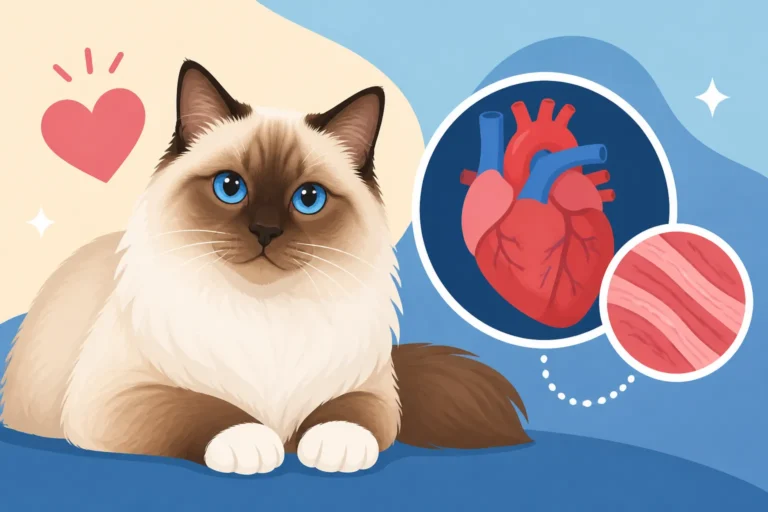
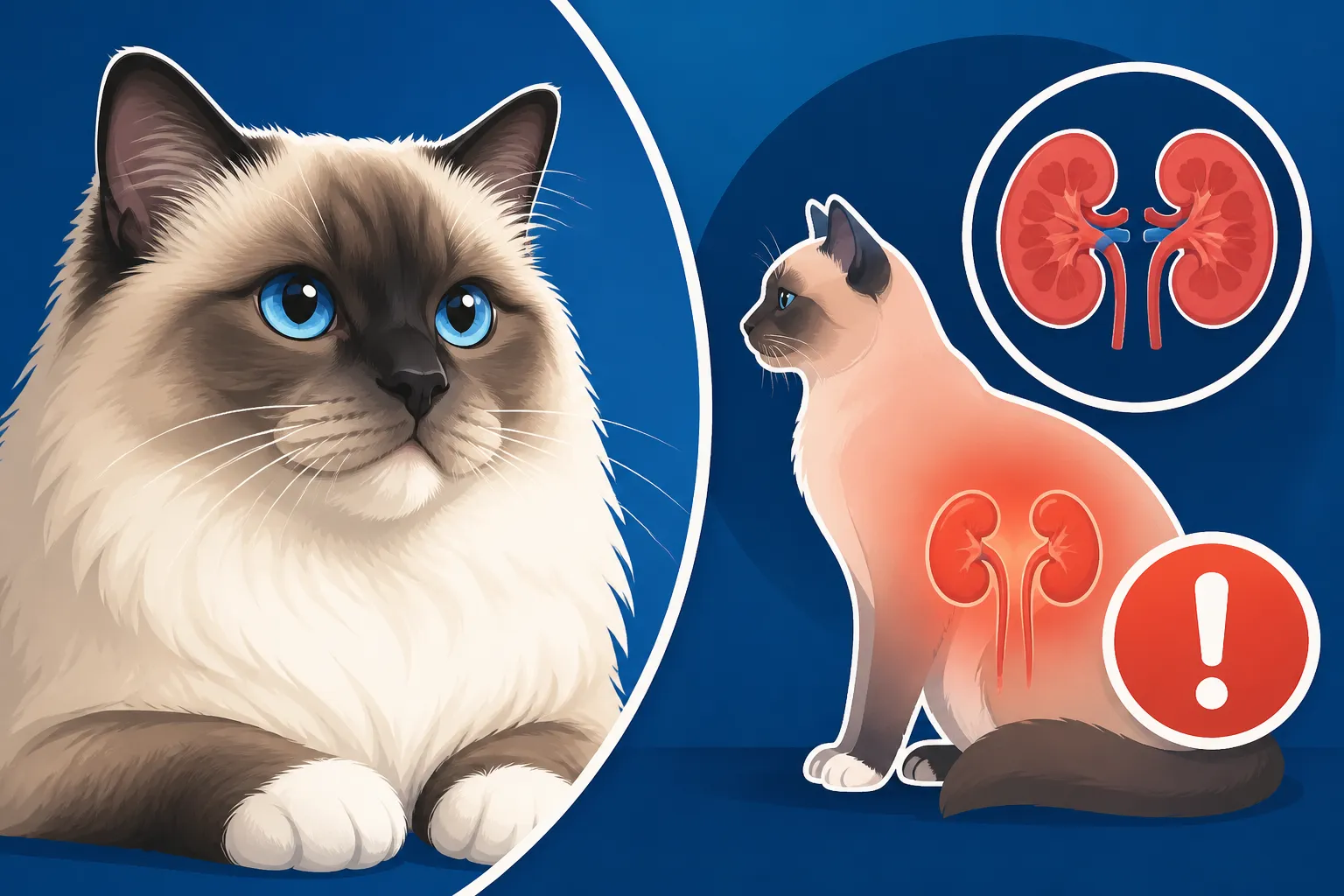
Chronic Kidney Disease, often referred to as CKD, is a progressive and irreversible condition that many senior cats face. It's not a sudden event, but rather a slow decline in kidney function over months or even years. For our Birmans, just like any other breed, their kidneys are vital organs responsible for filtering waste products from the blood, producing hormones, regulating blood pressure, and maintaining electrolyte balance. When these functions start to fail, toxins build up in the body, making the cat feel increasingly unwell. While it's not always easy to tell How to Tell a Quiet Birman From an Unwell One, understanding the underlying physiological changes helps.
Why Kidneys Become Less Efficient with Age
As Birmans, and indeed all cats, age, their organs naturally begin to show wear and tear. The tiny filtering units within the kidneys, called nephrons, can become damaged or simply lose their efficiency. This could be due to years of simply working hard, or it could be exacerbated by other underlying conditions like high blood pressure, or even past infections. Unlike some organs, the kidneys have a huge functional reserve, meaning that a cat can lose a significant portion of kidney function – sometimes as much as 75% – before showing obvious signs of illness. This is why kidney disease often sneaks up on us; by the time symptoms are clear, the disease is already quite advanced.
It’s worth noting that the Birman's genetic heritage, particularly the outcrossing with other breeds in its history, might have introduced certain predispositions. For instance, Why PKD Reached the Birman Through the Persian, a condition that can lead to kidney cysts. While Polycystic Kidney Disease (PKD) is distinct from age-related CKD, any previous kidney issues can certainly accelerate the decline in older years.
The Role of Regular Vet Checks and Blood Work
This silent progression of kidney disease highlights why regular veterinary check-ups are absolutely indispensable for our senior Birmans. For cats over the age of eight, annual (or even bi-annual) vet visits become critical. During these visits, your vet will not only perform a physical examination but also likely recommend routine blood and urine tests. These tests are the real heroes when it comes to early detection.
Blood tests will look at markers like creatinine and BUN (Blood Urea Nitrogen), which indicate how well the kidneys are filtering waste. More advanced tests, like SDMA (Symmetric Dimethylarginine), can detect kidney disease even earlier, sometimes when only 40% of kidney function has been lost, rather than the 75% needed for BUN and creatinine to elevate significantly. Urine tests assess concentration and check for protein, which can also be an early indicator of kidney stress. These routine screens are the best weapon we have against late-stage diagnosis. Your vet might even recommend What a Birman's Yearly Panel Should Include After Eight to ensure comprehensive monitoring.
Dietary Changes and Hydration for Kidney Health
Once kidney issues are identified, managing their diet and ensuring adequate hydration become cornerstones of treatment. Your vet will almost certainly recommend a prescription kidney-supportive diet. These diets are specifically formulated to have reduced protein levels (to lessen the burden on the kidneys), controlled phosphorus (which can build up in kidney disease), and added omega-3 fatty acids to help with inflammation. It can be a challenge to switch an older, perhaps already finicky, Birman to a new food, but persistence is key.
Ensuring your Birman drinks enough water is also vital. Wet food is often preferred over dry kibble as it provides a higher moisture content. You might also consider water fountains, which can entice cats to drink more by offering fresh, circulating water. Multiple water bowls placed around the house, some even with a tiny dash of tuna juice, can also encourage increased fluid intake. Hydration helps the kidneys flush toxins more effectively. For Birmans diagnosed with PKD, knowing Which Prescription Diet a PKD Positive Birman Ends Up On is vital for their long-term comfort.
| Symptom Category | Normal Aging in a Birman (14+ Years) | Signs of Kidney Disease in a Birman (14+ Years) |
|---|---|---|
| Activity Level | Sleeps more, less inclined to strenuous play/jumping, but still engages. | Significant lethargy, unwillingness to jump or play, sleeps excessively, hides. |
| Appetite | May eat slightly less, but still enjoys meals consistently. | Picky eating, significant decrease in appetite, weight loss despite normal intake, nausea. |
| Thirst | Normal drinking habits, occasional increased thirst after play. | Noticeably increased thirst, frequent visits to water bowl, drinking from unusual sources. |
| Urination | Normal frequency and volume, appropriate litter box use. | Increased frequency and volume of urination, larger urine clumps, accidents outside the box. |
| Grooming | May be a bit slower, but coat remains silky and well-maintained. | Dull, greasy, or matted coat, especially in hard-to-reach areas, neglecting self-grooming. |
| Behavior | Still affectionate, seeks company, enjoys quiet interaction. | More withdrawn, irritable, seeking isolation, less responsive to interaction. |
| Weight | May have slight weight fluctuations, but generally stable. | Unexplained, gradual weight loss despite consistent food access. |
| Breath | Normal cat breath. | Ammonia-like or "uremic" breath. |
Supporting Your Senior Birman Through Kidney Decline
Navigating chronic kidney disease with a senior Birman requires a compassionate, proactive approach. It's about working closely with your veterinarian to create a management plan that prioritizes their comfort and quality of life. This journey can feel overwhelming, but with the right support, you can help your beloved Birman live out their golden years with dignity. It's an investment in their comfort, and companies like Healthy Paws can offer support for unexpected vet bills that arise from conditions like this.
Medications and Supportive Therapies
While there's no cure for CKD, a variety of medications and supportive therapies can help manage symptoms and slow the progression of the disease. These might include:
- Phosphorus Binders: These are given with food to reduce the absorption of phosphorus from the gut, helping to control its levels in the blood.
- Anti-Nausea Medications: Cats with CKD often feel nauseous, which contributes to their poor appetite. Medications can help them feel more comfortable and encourage them to eat.
- Appetite Stimulants: If your Birman is still refusing food, a vet might prescribe an appetite stimulant to encourage them to eat.
- Fluid Therapy: Subcutaneous (under the skin) fluid administration can be a game-changer. It helps to keep the cat hydrated and flush toxins from their system more effectively. Many owners learn to administer these fluids at home, which can significantly improve their cat's comfort and energy levels.
- Blood Pressure Medications: High blood pressure is a common complication of CKD, and it can further damage the kidneys, eyes, and heart. Medications to control blood pressure are often prescribed.
It’s important to remember that every Birman is an individual, and their treatment plan will be tailored to their specific needs and how they respond to therapy. Regular follow-up appointments with your vet are essential to adjust these treatments as needed.
Creating a Comfortable Environment
Beyond medical interventions, creating a comfortable, stress-free environment at home makes a huge difference. Think about easy access to everything they need. This includes:
- Accessible Litter Boxes: If your Birman has arthritis (which often accompanies old age), consider litter boxes with lower sides for easier entry and exit. Ensure they are placed in quiet, easily reachable spots.
- Warm, Soft Beds: Older cats appreciate warmth. Heated beds or cozy, soft blankets can provide comfort, especially for Birmans who don't have a dense undercoat to keep them warm.
- Food and Water Access: Place food and water bowls close to where your Birman spends most of their time, minimizing the effort they need to expend. Ensure bowls are whisker-friendly to encourage comfortable eating and drinking.
- Reduced Stress: Keep their routine consistent, and avoid sudden changes or loud noises. A calm environment helps them feel secure and reduces stress on their system. For Birmans, who are generally Why a Birman Needs Company More Than Stimulation, ensuring you are present, even if just quietly nearby, can be very comforting.
It's all about making their daily life as easy and pleasant as possible. Every small adjustment can contribute to their overall well-being. Thinking about comprehensive care, many owners find peace of mind with pet insurance providers like Healthy Paws, knowing they can cover costs associated with long-term conditions.
When to Consider Quality of Life Discussions
This is perhaps the hardest part of caring for an aging Birman with kidney failure. As the disease progresses, there might come a point where treatments are no longer providing sufficient comfort or quality of life. This is a deeply personal and emotional decision, but one that your vet can help you navigate.
Quality of life discussions involve assessing several factors:
- Pain and Discomfort: Is your Birman in pain that can no longer be managed effectively?
- Appetite and Hydration: Are they consistently refusing food and water, even with intervention?
- Engagement: Are they still interacting with you and their environment, or have they become completely withdrawn? What a Withdrawn Birman Is Telling You is rarely good news.
- Good Days vs. Bad Days: Are the bad days now outweighing the good ones?
It’s a conversation focused on preventing suffering and ensuring that your Birman’s final chapter is as peaceful and pain-free as possible. It's a testament to the profound love we have for our pets, making these incredibly difficult choices. Many pet parents appreciate the financial safety net that companies like Healthy Paws provide, allowing them to focus on these critical decisions without the added burden of overwhelming vet costs. No one ever wants to reach this point, but knowing you've done everything you can for your beloved Birman brings its own form of solace.
Disclaimer
This article is for general informational purposes only and does not constitute professional advice. Laws, prices and regulations vary by location and change over time. Consult a qualified professional for guidance on your specific situation.