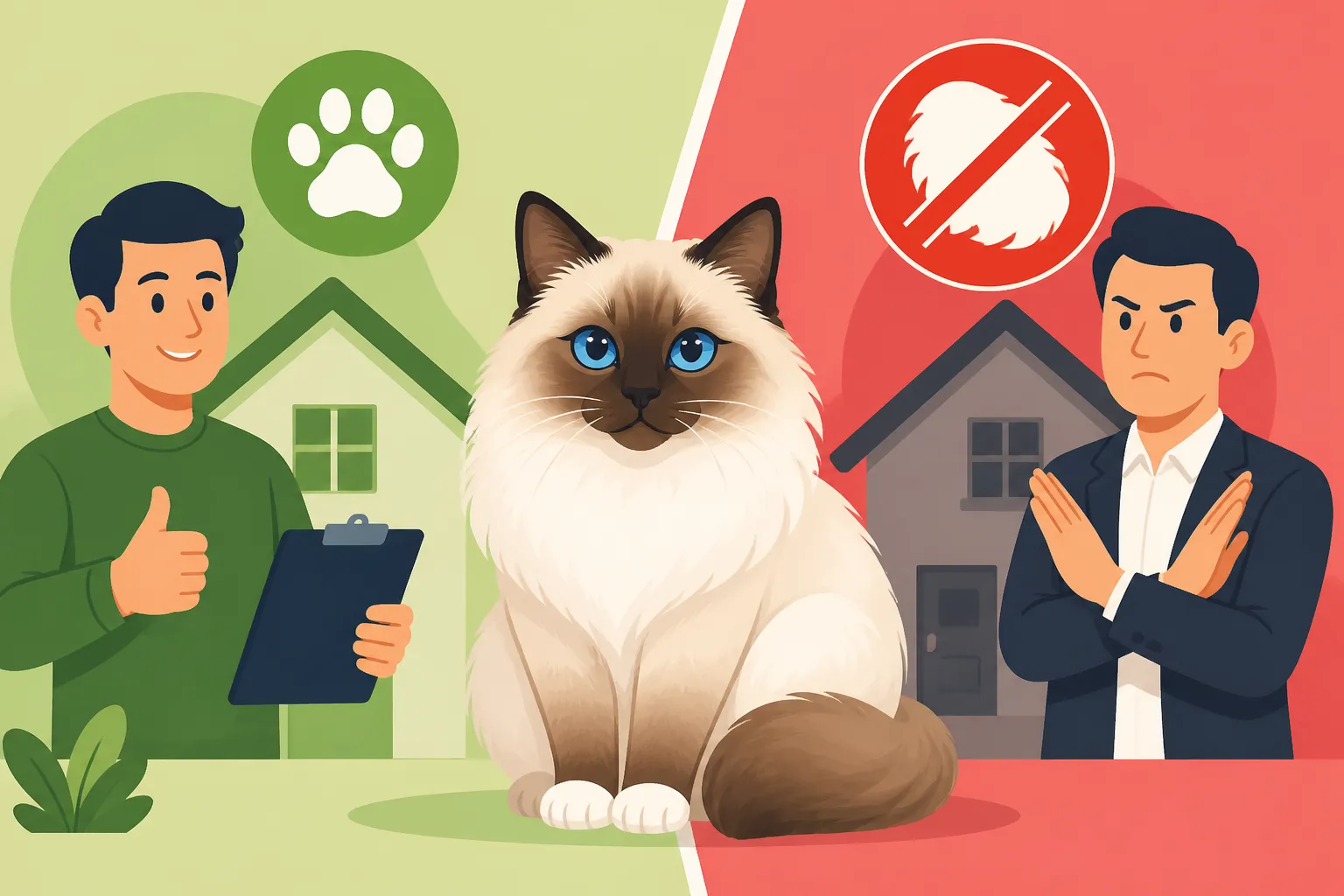
Whether a Landlord Treats a Birman as a Longhair
Moving to a new rental can be a really stressful time, and for those of us with beloved Birman cats, there's often an added layer of anxiety: will our beautiful, long-haired companions be viewed differently by prospective landlords? Many people worry that the Birman's gorgeous coat might trigger higher pet fees, stricter rules, or even outright rejections, simply because of a general assumption about "long-haired breeds." This guide is here to unravel those worries, showing you how landlords typically assess pets and how your Birman's unique qualities can actually be a huge asset in securing your next home.
Landlord Pet Policies: What Truly Matters (Beyond Coat Length)
It's completely understandable to fret about how your Birman's luscious coat might be perceived when looking for a rental. We’ve all heard tales of landlords with blanket bans on certain breeds or types of animals. However, in my experience, most landlords aren't fixated on the arbitrary label of "longhair" versus "shorthair" in their official policies. What they are genuinely concerned about are tangible factors that directly impact their property: potential damage, noise, cleanliness, and liability.
Common Pet Policy Criteria
When a landlord reviews a pet application, they're usually looking at a few key criteria that have very little to do with how long your cat’s fur is. The breed itself might be a factor, often due to perceived aggression (more common with dogs, thankfully, but sometimes cats face breed-specific rules too) or general size expectations. Weight limits are incredibly common, though a Birman usually falls well within typical cat weight allowances. For a breed like the Birman, their generally placid and quiet temperament is a massive advantage. They're known for being gentle souls who are more likely to nap in a sunbeam than to scale curtains like a ninja. This calm demeanor is a huge selling point, as it directly addresses a landlord's concern about disruptive behavior or damage. The Birman Is the Cat Families Are Told to Get speaks volumes about their suitability for family life and, by extension, rental properties.
The "Shedding" Factor and What It Means for Birmans
Ah, shedding – the elephant in the room for any cat owner, especially those with long-haired breeds. This is often where the "longhair" perception truly bites. Many landlords and even other pet owners simply assume that more fur means more shedding, more mess, and therefore more potential damage to carpets, drapes, and HVAC systems. While it's true that Birmans have a beautiful, flowing coat, they actually have a secret weapon: they lack the dense undercoat found in many other long-haired breeds, like Persians. This single-coat characteristic means their shedding, while present, isn't as profuse or as prone to matting as one might expect. You might still find elegant white hairs around the house, but it’s generally less overwhelming than you'd think, and it certainly doesn't compare to a double-coated dog or a Persian during a seasonal blow-out. This is a crucial distinction to make when discussing your Birman with a landlord.
The Birman's Coat: Managing Perceptions and Realities
The perception that a long-haired cat means excessive shedding and maintenance is deeply ingrained in many people's minds. It’s a natural assumption, but with Birmans, it’s not always the reality. Understanding your Birman's unique coat can help you educate a landlord and alleviate their potential concerns.
Perception vs. Reality: The Birman's "No Undercoat" Advantage
Let's talk about that glorious Birman coat. It's long, silky, and absolutely beautiful, giving them an air of regal elegance. But here's the thing that often surprises people: No Undercoat Is What Makes a Birman Easy to Groom. This isn't just a marketing slogan; it's a fundamental genetic trait that significantly impacts how much they shed and how prone they are to matting. Other long-haired breeds, particularly those with dense, woolly undercoats, can create substantial amounts of fur tumbleweeds and develop stubborn mats that require professional grooming or even shaving. A Birman's coat is different. It's often described as a "single coat," meaning it lacks that fluffy, insulating layer that sheds in huge clumps. This is a powerful point to emphasize when you're making your case to a landlord. It's Why a Birman Mats Far Less Than It Looks Like It Should, making them much easier to manage than their appearance might suggest. Their coat is designed to flow, not to cling and clump.
Proactive Steps: Demonstrating Responsible Birman Ownership
Even with a less problematic coat, landlords still appreciate seeing proactive measures taken to maintain cleanliness and prevent damage. This is where your commitment to responsible pet ownership truly shines. Regular grooming is essential, not just for your Birman's health and comfort, but also to minimize any shedding in your home. Combing a Birman Three Times a Week is usually sufficient to keep their coat in tip-top condition, remove loose hairs, and prevent the few mats that might try to form. This relatively easy routine helps keep your home cleaner and prevents accumulation of fur that could worry a landlord during an inspection.
Beyond grooming, consider your choice of litter. For a cat with white gloves and britches, a low-dust, non-staining litter is a must, not just for aesthetics but for hygiene. Keeping a Birman's White Gloves White isn't just about showing off; it's about keeping their paws clean and preventing tracking dusty, colored litter through the house, which can be a major concern for landlords about carpet staining. Investing in quality grooming tools and low-dust litter, perhaps from a reliable supplier like Chewy, demonstrates your dedication to keeping your Birman and your home pristine.
Presenting Your Birman to a Prospective Landlord
You’ve got a beautiful, well-behaved Birman, and you know their coat is actually less of a concern than many might assume. Now, how do you effectively communicate this to a potential landlord? It’s all about preparation and presentation.
Standard Pet Fees and Deposits: Are Birmans Singled Out?
In most cases, a Birman will fall under the general "cat" category for pet fees and deposits. Landlords rarely have a sliding scale based on coat length. Instead, you'll likely encounter a one-time pet deposit (refundable or non-refundable), a monthly pet rent, or a combination of both. These fees are usually standardized across all cats, regardless of breed or hair length. Your goal isn't to get a reduced fee because your Birman sheds less, but to ensure your Birman is accepted at all. The key is to convey confidence in your cat's behavior and your ability to maintain the property. A calm, well-adjusted cat like a Birman is generally less likely to cause damage than a high-energy, anxious cat, which is what these fees are truly meant to cover. For extra peace of mind, consider looking into pet insurance from providers like Healthy Paws. While it won't directly lower your pet deposit, having a policy that covers unexpected vet bills might give you peace of mind and shows a commitment to your pet's well-being.
Crafting a Pet Agreement: Highlighting Your Birman's Best Qualities
When it comes to signing a lease, don't be afraid to proactively address pet concerns. If the landlord seems hesitant, offer to provide a "pet resume" for your Birman. This might sound a little over-the-top, but it can be incredibly effective. Include a photo (a lovely, serene one!), details about their breed, age, and a glowing description of their personality. Emphasize their quiet nature and how they are not prone to scratching furniture (thanks to regular claw trims and plenty of scratching posts). Mention your regular grooming routine, how you keep their litter clean, and perhaps even offer a reference from a previous landlord or a veterinarian. Highlight their docile nature – Why a Birman Hides Illness Behind a Placid Temperament also points to their generally calm and undemanding disposition. This approach shifts the conversation from generic "longhair cat" assumptions to the specific, positive attributes of your individual Birman.
| Birman Trait | Common Landlord Concern | Your Birman's Advantage |
|---|---|---|
| Long, Silky Coat | Excessive shedding, matting | Single coat (no dense undercoat) means less shedding and far less matting than other longhairs. Easy to groom with regular combing. |
| Placid Temperament | Noise, aggression, destruction | Known for being quiet, gentle, and affectionate but not demanding. Rarely claws furniture if provided with appropriate scratching posts. Why a Birman Walks Away Instead of Swiping rather than reacting aggressively. |
| Indoor Lifestyle | Outdoor risks, tracking dirt in | Birmans thrive indoors and are safer there. Their white gloves are easily soiled outside, reinforcing the desire to keep them clean indoors. |
| Moderate Activity | High energy, damage to property | Enjoy gentle play and companionship. Not typically high-climbing or destructive. How Much Play a Birman Needs Daily is moderate and easily satisfied with indoor toys. |
| Small Voice | Loud meowing, disturbing neighbors | Communicate with soft trills and purrs, rarely loud. The Small Trill a Birman Uses Instead of a Meow is hardly disruptive. |
Long-Term Living: Maintaining a Pet-Friendly Rental with Your Birman
Getting your Birman approved is just the first step. Maintaining a good relationship with your landlord and demonstrating continued responsible pet ownership is crucial for a smooth tenancy and for securing future rentals.
Looking for Landlords Who Understand Cat Breeds
When you're searching for a new place, don't shy away from asking direct questions about pet policies early on. Some landlords or property management companies are genuinely pet-friendly and may even have specific positive experiences with certain breeds. It's always a good sign when they ask questions about your pet's personality and care routine, rather than just slapping a generic "no pets" or "cats okay" label. Look for listings that specifically mention "cat friendly" or even better, "small pet friendly." Sometimes, they might even have a preferred list of breeds, and the Birman's reputation for being a calm, clean, and gentle companion often works in their favor. If you have the luxury of time, searching for smaller, independent landlords who might be more flexible and willing to meet your Birman in person can often yield better results than large corporate complexes with rigid rules.
Preparing for the Interview (for your Birman, of course!)
Yes, I said interview! While your Birman might not be sitting down for a formal Q&A, you should be ready to advocate for them. If a landlord is open to meeting your cat, make sure your Birman is impeccably groomed, calm, and comfortable. A pleasant, relaxed encounter can do wonders for dispelling any misconceptions about long-haired cats. You might even bring along some grooming tools from your regular routine or samples of your chosen litter to show your preparedness. If an in-person meeting isn't possible, a short video showcasing your Birman's calm demeanor, playing gently, or simply napping peacefully can be a fantastic substitute. Emphasize their need for companionship – Why a Birman Needs Company More Than Stimulation means they are generally happy being near you, not causing mischief out of boredom. Ultimately, a clean home, a well-cared-for Birman, and a proactive, honest approach from you will go a long way in ensuring your beautiful cat is welcomed into your new home, regardless of how long their lovely fur happens to be.
Disclaimer
This article is for general informational purposes only and does not constitute professional advice. Laws, prices and regulations vary by location and change over time. Consult a qualified professional for guidance on your specific situation.