How to Set Up a Room for a Birman Left Alone
Leaving our beloved Birmans home alone can tug at our heartstrings, especially when we know how much they thrive on companionship and routine. Many cat parents worry about their Birman feeling lonely or anxious when they're not there. This guide will walk you through exactly how to set up a dedicated, comforting, and enriching room for your Birman, transforming an empty space into a safe haven that helps them cope with your absence.
Understanding Your Birman's Unique Need for Company
Birmans are famously gentle, sociable, and incredibly attached to their human families. They aren't the kind of cat that just tolerates your presence; they genuinely crave connection and interaction. This deep-seated need for company means that extended periods of solitude can be quite challenging for them, often leading to stress or even anxiety.
Why Birmans Dislike Being Left Alone
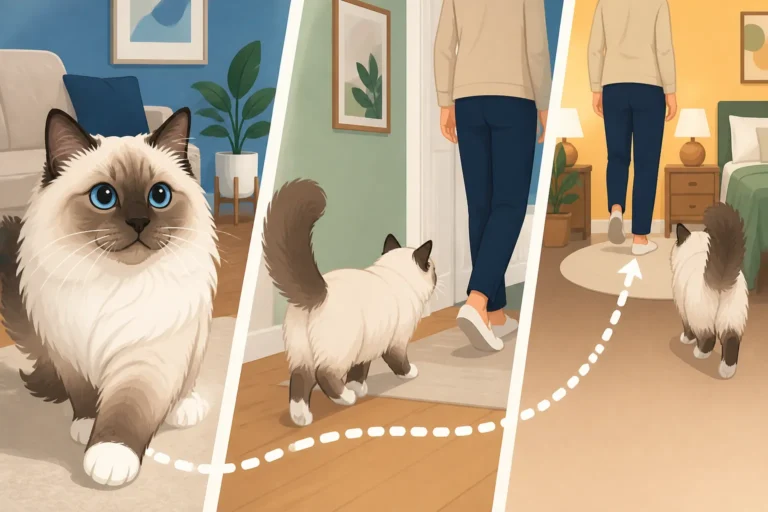
It's not just a preference; for many Birmans, being left alone goes against their very nature. These cats are known for following you from room to room, sitting quietly nearby, and generally being involved in your day, even if it's just from a comfortable perch within eyesight. When their primary source of comfort and interaction suddenly disappears for hours on end, it can be genuinely unsettling. Think about it from their perspective: their world, usually filled with your comforting presence and predictable routines, becomes quiet and still.
This isn't to say your Birman can't handle any alone time – far from it! But their genetic predisposition for companionship means that a thoughtful approach to their environment when you're absent is crucial. They are often described as the "middle cat" between the high-energy Siamese and the placid Persian, meaning they have an intelligent, engaged mind that needs stimulation, but also a profound desire for emotional security. If you've ever observed your Birman seemingly waiting outside the bathroom door or settling into your recently vacated spot on the sofa, you'll understand just how attuned they are to your comings and goings. This makes the experience of being truly alone quite stark for them. We often discuss Why a Birman Should Not Be Left in an Empty House because of this inherent need for connection.
Recognizing Signs of Loneliness or Anxiety
Your Birman might not cry or demand attention in the same way a more vocal breed might, but they have their own subtle ways of communicating distress. When a Birman is truly lonely, their quiet nature can make it hard to spot, but it's vital to know what to look for. You might notice changes in their eating habits; Why a Birman's Appetite Goes First When It Is Unsettled is a common indicator of stress or unhappiness. They might also become withdrawn, sleeping more than usual, or hiding in unusual spots when you are home, indicating a general sense of unease that persists beyond your absence.
Other signs can include overgrooming, where they excessively lick or pull at their fur, leading to bald patches. This is a common displacement behavior for anxious cats. Some Birmans might start to toilet outside their litter box, even if they're usually perfectly clean, as a protest or a sign of deep distress. They might also become more clingy when you return, unable to let you out of their sight, or even engage in destructive behaviors like scratching furniture, not out of malice, but as a way to relieve pent-up anxiety. Understanding What a Lonely Birman Does is the first step in addressing the issue and creating a better environment for them.
Crafting the Ultimate Comfort Zone for Your Birman
When setting up a room for your Birman while you're away, the goal isn't just to confine them, but to create a haven that feels safe, stimulating, and minimizes the feeling of isolation. It's about intentional design, focusing on their comfort and sensory needs.
Choosing the Right Room and Designating a Safe Space
The ideal room for your Birman when left alone should be one that’s relatively quiet, has good natural light, and ideally, a window with an interesting view. A spare bedroom, a quiet den, or even a large, cat-proofed utility room can work well. Avoid high-traffic areas or rooms with frequent loud noises, as these can increase stress. The most crucial aspect is that it’s a space where they already feel comfortable, perhaps a room where they often nap or where their litter box usually resides.
Within this chosen room, create a specific "safe space" for them. This could be a cozy cat bed tucked into a corner, a covered cat cave, or even a carrier with the door left open and soft bedding inside. The idea is to give them a retreat where they can feel completely secure if they get overwhelmed or just want to curl up and nap. This isn't just about physical comfort; it's about psychological security. Imagine a child having their favorite blanket or a cozy fort; it’s the same principle for your Birman. This spot should be consistently available to them, so they know it’s always there, a reliable constant in their day.
Incorporating Familiar Scents and Sounds
Cats rely heavily on their sense of smell, and familiar scents can be incredibly comforting. Before you leave, place an unwashed item of your clothing – like a t-shirt or a soft scarf – in their designated safe space or on their favorite sleeping spot. Your scent provides a continuous, subtle reminder of your presence and can have a calming effect. You might also consider using feline pheromone diffusers, which release synthetic calming pheromones into the air. Brands like Feliway are widely available on Amazon and can make a noticeable difference in reducing anxiety, creating a more serene atmosphere. Whether Pheromone Diffusers Help a Birman is a question many owners ask, and for many, they do provide a gentle, non-invasive form of comfort.
Sound is equally important. Complete silence can sometimes amplify feelings of loneliness. Instead, consider leaving on a radio tuned to a talk radio station (human voices can be comforting) or a classical music channel. There are even specific "calming cat music" playlists available through streaming services that are designed to soothe feline ears. The gentle hum of a fan or an air purifier can also provide subtle white noise, masking startling outdoor sounds and contributing to a peaceful environment. These familiar, consistent background noises can help make your absence feel less stark and the room feel less empty.
Providing Visual Stimulation and Comfort
A Birman loves to observe its world, even if it's from a calm, quiet vantage point. Position their favorite sleeping spots or a comfortable cat tree near a window where they can watch birds, squirrels, or passing cars. Ensure the window is secure, of course! A bird feeder outside the window can provide hours of passive entertainment. If a direct outdoor view isn't possible, consider leaving on a nature documentary or a "cat TV" video on a low volume. These can offer engaging visual stimulation without being overly stimulating or alarming.
Consider the lighting in the room too. A soft, ambient light can be more comforting than complete darkness. You might use a timer to turn on a lamp for a few hours in the afternoon or evening, especially if you're gone for longer stretches. This mimics the natural transition of light and helps prevent the room from feeling like a dark, forgotten space. Finally, ensure the room temperature is comfortable, as Birmans, with their single coats, appreciate warmth. Why a Coat With No Undercoat Is Not Warm means they might seek out sunbeams or a cozy blanket.
Engaging Minds and Bodies: Keeping Them Entertained Solo
A Birman's placid temperament means they're not usually tearing around the house like some other breeds, but they still need mental and physical engagement. Without it, even the most comfortable room can become boring, leading to anxiety or lethargy.
Interactive Toys and Puzzle Feeders
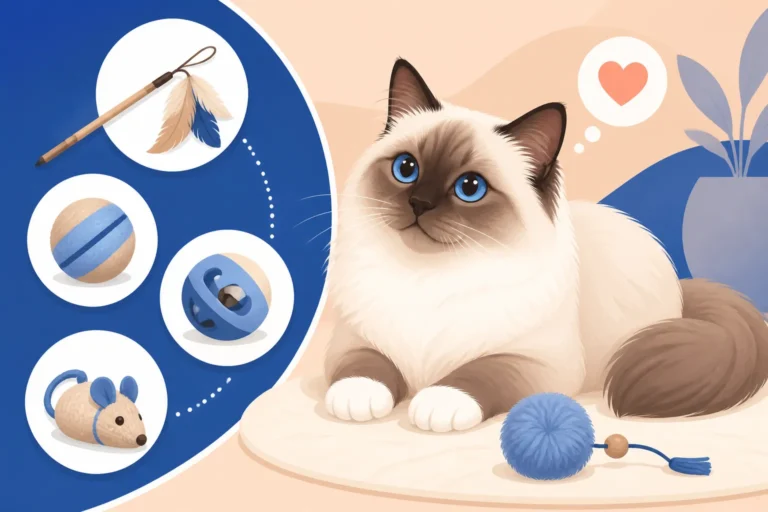
Even when you're not there to play, toys can offer a great deal of self-directed entertainment. Focus on rotating toys to keep things fresh. Leave out a selection of different types of toys: soft plush toys they can bat around, crinkle balls, and even a few catnip-filled items. The key is novelty; cats can quickly lose interest in the same old toys. Putting some toys away and bringing out "new" ones every few days can reignite their curiosity. How Often a Birman Notices a Toy Has Changed really highlights the importance of this rotation.
Puzzle feeders are fantastic for Birmans. They tap into their natural hunting instincts and make mealtime last longer, providing mental stimulation. Instead of putting their entire meal in a bowl, divide a portion into a puzzle feeder or two. You can find a wide variety of puzzle feeders on Amazon, from simple treat balls to more complex mazes. It's truly engaging for them to "work" for their food, and it helps prevent boredom. Whether a Puzzle Feeder Interests a Birman at All depends on the individual cat, but most Birmans respond well to the challenge, especially if you start with easier puzzles and gradually introduce more complex ones.
Vertical Spaces and Scratching Opportunities
Birmans might not be known for scaling curtains to the ceiling, but they do appreciate a good vertical vantage point. Setting up a sturdy cat tree with multiple levels and cozy perches allows them to survey their territory from a safe height. Remember, How a Birman Prefers Mid Height to the Ceiling so a moderately tall tree with accessible levels is often more appealing than one that aims for the rafters. This satisfies their natural instinct to climb and observe, giving them a sense of security and control over their environment.
Scratching is an essential feline behavior, not just for sharpening claws, but also for stretching, marking territory, and relieving stress. Provide a variety of scratching options in their room: a vertical scratching post (sisal rope or cardboard are good choices), a horizontal scratch pad, and even a scratching lounge. This ensures they have appropriate outlets for this instinct and helps protect your furniture. Make sure these are stable and enticing; some cats prefer vertical, others horizontal, so offer both.
Automated Feeders and Water Fountains
Consistency in feeding times can provide comfort and structure to your Birman's day. An automated feeder can be a real game-changer if you're out for long hours. You can program it to dispense pre-portioned meals at their usual times, ensuring they don't go hungry and maintaining a sense of routine. This also prevents them from overeating when you finally get home and they're ravenous. Many models are available, often with voice recording options to call your cat to their meal, adding another layer of familiarity. You can often find reliable options on Amazon.
Hydration is also critical, and many cats are encouraged to drink more by running water. A pet water fountain can be a fantastic addition to your Birman's room. The circulating water is often more appealing than still water in a bowl, and the continuous flow keeps it fresh and oxygenated. Good hydration is especially important for feline kidney health, which is a consideration for many purebred cats. Place the fountain away from food and litter to encourage maximum use.
Monitoring and Maintaining Your Birman's Well-being
Even with the best setup, it's important to monitor how your Birman is coping and make adjustments as needed. Their needs might change, and technology can offer a helpful window into their solo hours.
Using Pet Cameras for Peace of Mind
A pet camera can be an invaluable tool for any Birman owner. Placing one in the room allows you to check in on your cat remotely, seeing what they're doing, whether they're eating, playing, or sleeping peacefully. Many cameras offer two-way audio, so you can even speak to your Birman, which can be surprisingly comforting for some cats. What a Camera Shows a Birman Doing While You Are Out can give you incredible insights into their behavior patterns and help you identify if they're truly settling or exhibiting signs of stress.
Observing their behavior through the camera can help you understand if the room setup is working as intended. Are they using the scratching post? Are they interested in the puzzle feeder? Do they spend all their time hiding, or are they exploring the space? This real-time feedback allows you to fine-tune the environment and interventions, ensuring you're providing exactly what your individual Birman needs. It's about empowering you to be a proactive and informed caregiver, even when you're not physically present.
Routine and Gradual Acclimatization
Cats are creatures of habit, and Birmans are no exception. Establishing a consistent routine around your departures and arrivals can help reduce anxiety. Before you leave, engage in a short play session or a grooming session. This positive interaction associates your departure with something pleasant, rather than just an abrupt leaving. When you return, keep your greetings calm and affectionate, allowing them to come to you rather than overwhelming them.
If your Birman isn't used to being left alone in a specific room, introduce the concept gradually. Start by leaving them in the room for short periods while you're still home, then slowly extend the time. This helps them build positive associations with the space and understand that your absence is temporary and you will always return. Never just suddenly put them in a new room and leave for hours; this can be incredibly distressing. Remember, consistency and predictability are key to a Birman's emotional well-being.
Considering a Companion (If Appropriate)
While a thoughtfully prepared room can go a long way, some Birmans truly thrive with feline companionship. If your lifestyle consistently requires long hours away and your Birman struggles with solitude, introducing a second cat might be a solution worth exploring. Birmans typically get along well with other cats, especially if they are introduced properly and have similar energy levels. Why a Birman Does Better With Company is a common sentiment among breeders and owners alike.
It's a big decision, of course, but for some Birmans, having another feline friend to play with, groom, and simply exist alongside can dramatically improve their quality of life when their human family is away. Just ensure you're prepared for the added responsibility of a second pet, and always consider a gradual, careful introduction to avoid stress for either cat. Sometimes, two really are better than one, especially for a breed as social as the Birman.
| Category | Essential Item | Why It Matters for a Birman | Key Considerations |
|---|---|---|---|
| Comfort & Security | Cozy Bed/Cat Cave | Retreat, warmth | Soft, washable, placed in a quiet corner |
| Familiar Scent Items | Calming, sense of presence | Unwashed clothing, rotated regularly | |
| Pheromone Diffuser | Reduces anxiety | Continuously plugged in, check refills on Amazon | |
| Engagement | Interactive Toys (rotated) | Prevents boredom | Variety of textures/types, put some away and cycle |
| Puzzle Feeder | Mental stimulation | Start simple, gradually increase complexity | |
| Scratching Posts/Pads | Natural instinct, stress relief | Offer both vertical and horizontal options, stable | |
| Cat Tree/Vertical Space | Observation, security | Moderate height, sturdy, soft perches | |
| Basic Needs | Fresh Water Source | Hydration, kidney health | Water fountain or multiple bowls, away from food/litter |
| Automated Feeder | Routine, consistent meals | Program for usual meal times, voice recording optional | |
| Clean Litter Box | Hygiene, comfort | Large enough for full extension, low-dust litter | |
| Monitoring | Pet Camera (with 2-way audio) | Peace of mind, insights | Check in remotely, speak to your Birman |
| Sensory | Window View (secure) | Visual stimulation | Clear view, safe and secure, perhaps a bird feeder |
| Ambient Sounds (radio/cat music) | Reduces silence, comfort | Low volume, non-alarming, familiar voices/tunes |
Disclaimer
This article is for general informational purposes only and does not constitute professional advice. Laws, prices and regulations vary by location and change over time. Consult a qualified professional for guidance on your specific situation.