Whether the Birman Gene Pool Has Widened Since
The Birman cat gene pool after World War II, detailing how foundation cats like Orloff and Xenia impacted feline health.
Know what to watch for.
Breed-specific conditions, screening and DNA tests, what surgery actually costs, and the daily habits that stretch a healthy lifespan.
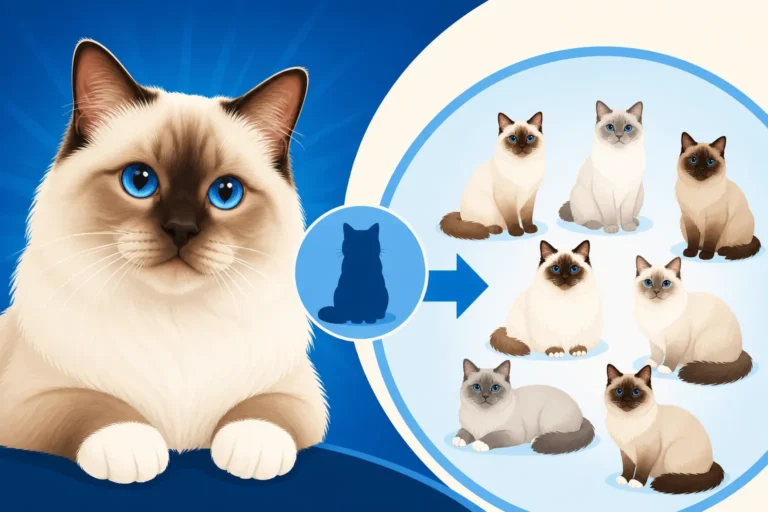
The Birman cat gene pool after World War II, detailing how foundation cats like Orloff and Xenia impacted feline health.
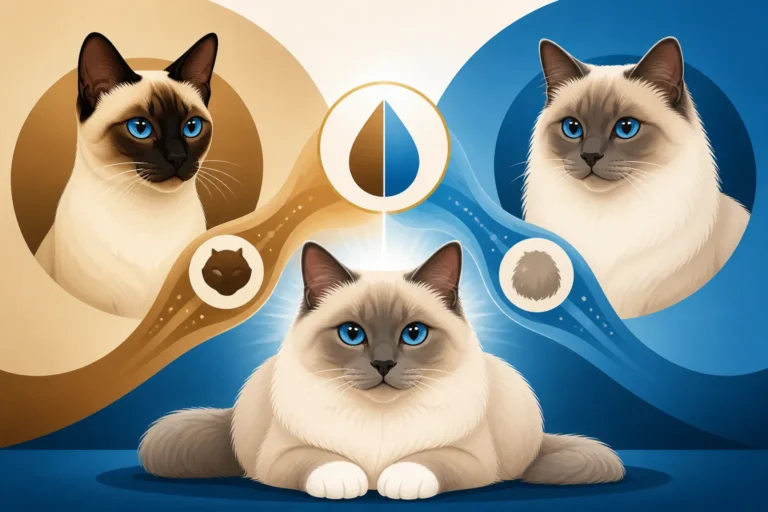
Siamese blood helped save endangered Birman cats after World War II by broadening the gene pool and maintaining color points.
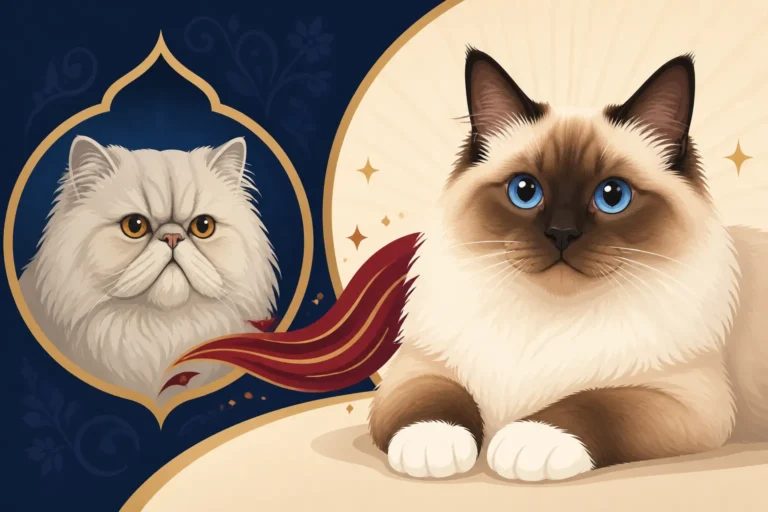
Persian cat outcrossing after World War II saved the Birman breed from extinction, introducing new physical traits and widening the gene pool.
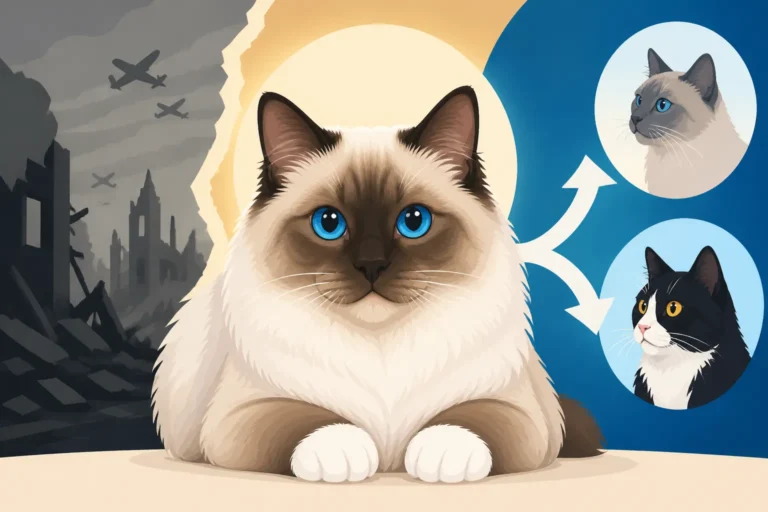
Post-war outcrossing saved the Birman cat from extinction after 1945 by rebuilding a critically small gene pool of only two survivors.
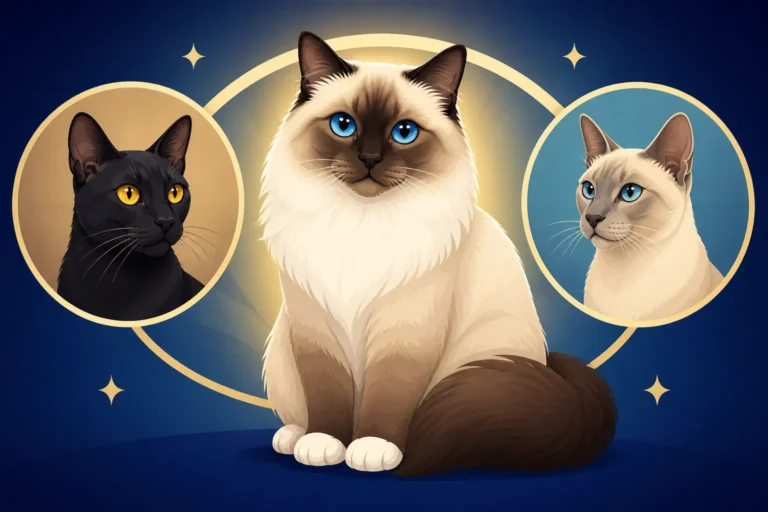
World War II reduced the Birman cat breed to only two surviving individuals, creating a severe genetic bottleneck in France.
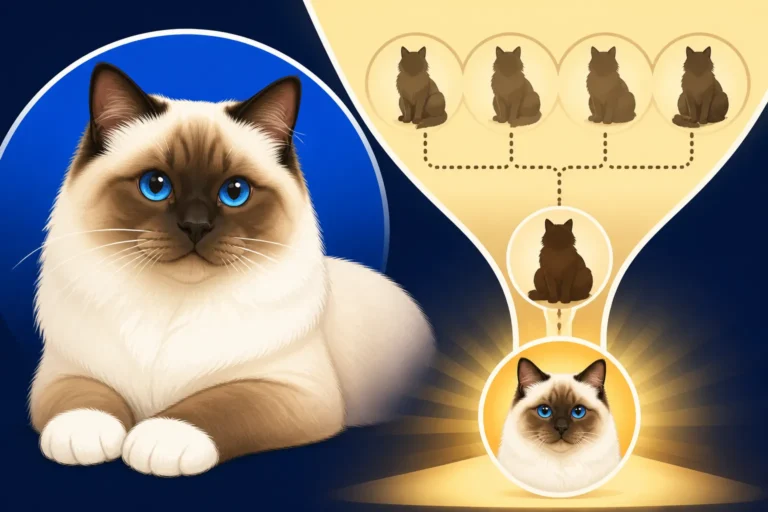
The history of the Birman cat explains the shockingly narrow founder base and how few cats formed the genetic bedrock of the breed.
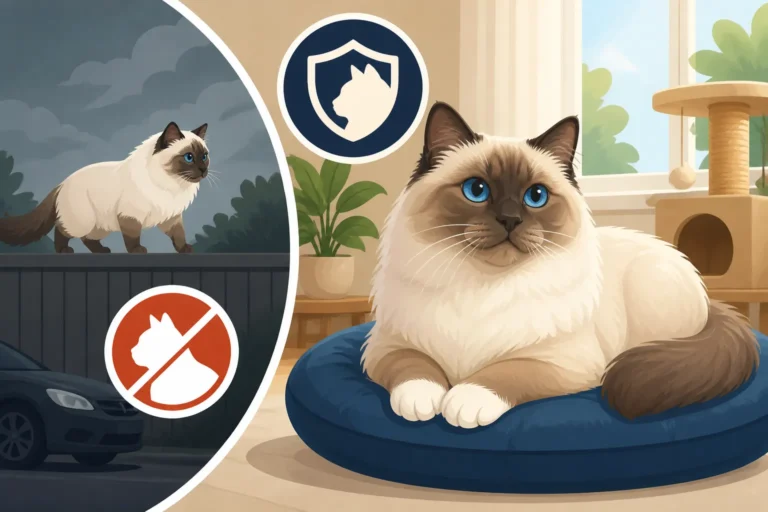
Indoor Birman cats live longer by avoiding outdoor traffic accidents, animal fights, and contagious infectious diseases.
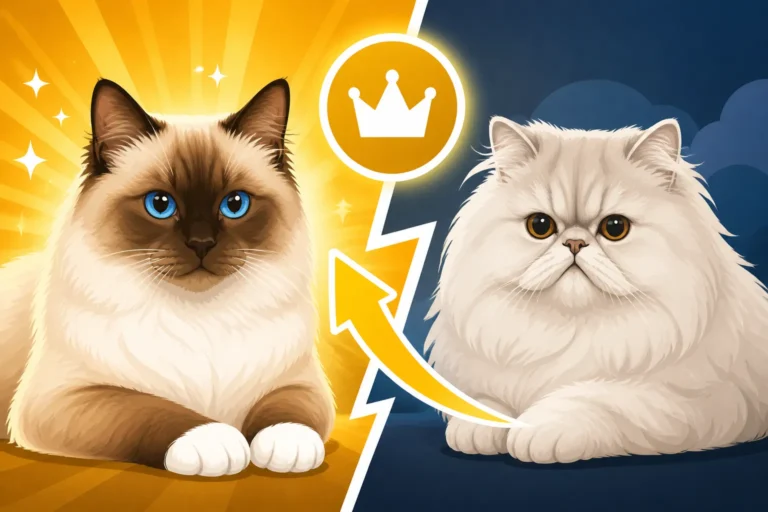
Post-war outcrossing with Persian and Siamese cats saved Birmans from extinction, expanding gene pools and influencing health.
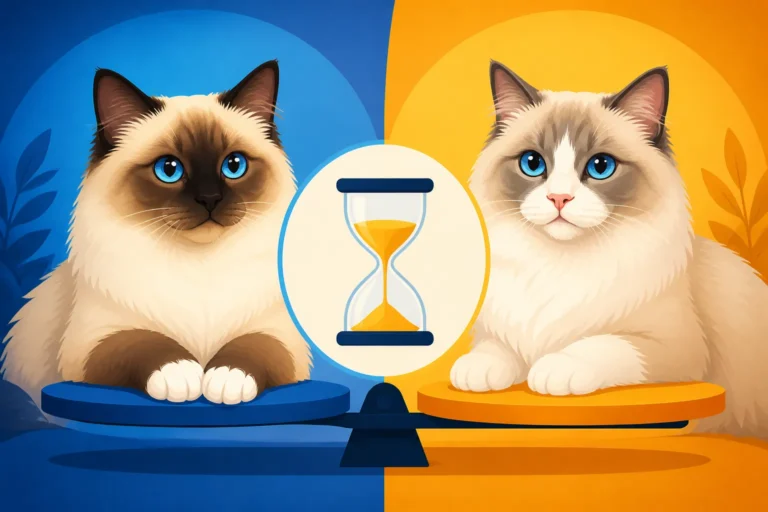
Birman and Ragdoll lifespans span twelve to sixteen years, influenced by genetics, health screening, and proper indoor care.

Birman cats usually live twelve to sixteen years, while regular echocardiogram screenings help reduce hypertrophic cardiomyopathy risks.