Why a Birman Stud Should Be Cleared Before Use
Birman stud health clearances prevent genetic diseases like hypertrophic cardiomyopathy and protect the future of the breed.
Know what to watch for.
Breed-specific conditions, screening and DNA tests, what surgery actually costs, and the daily habits that stretch a healthy lifespan.
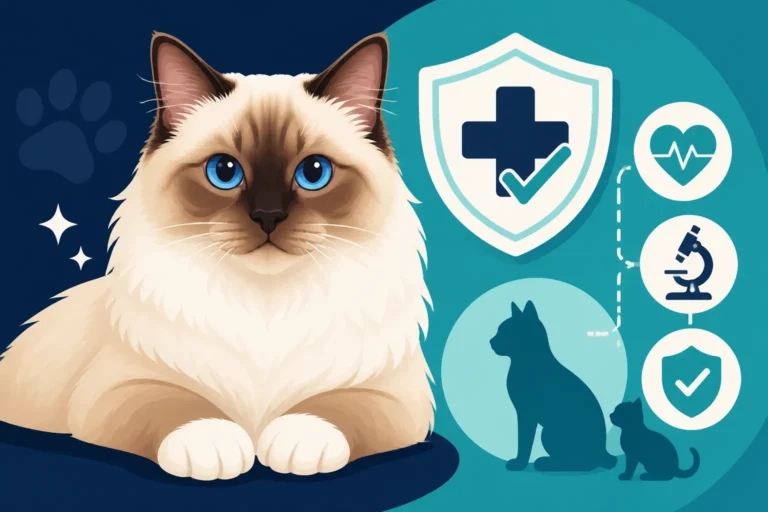
Birman stud health clearances prevent genetic diseases like hypertrophic cardiomyopathy and protect the future of the breed.

Birman FOXN1 testing and cat registries, covering the mutation behind thymic aplasia, where bald kittens with weak immune systems do not reach eight months.
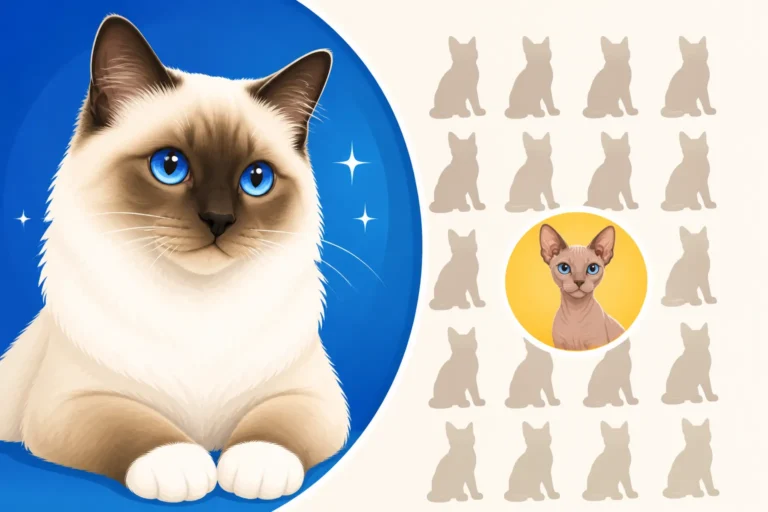
Birman hypotrichosis is an exceedingly rare genetic mutation linked to the FOXN1 gene, causing severe immunodeficiency and hair loss in kittens.
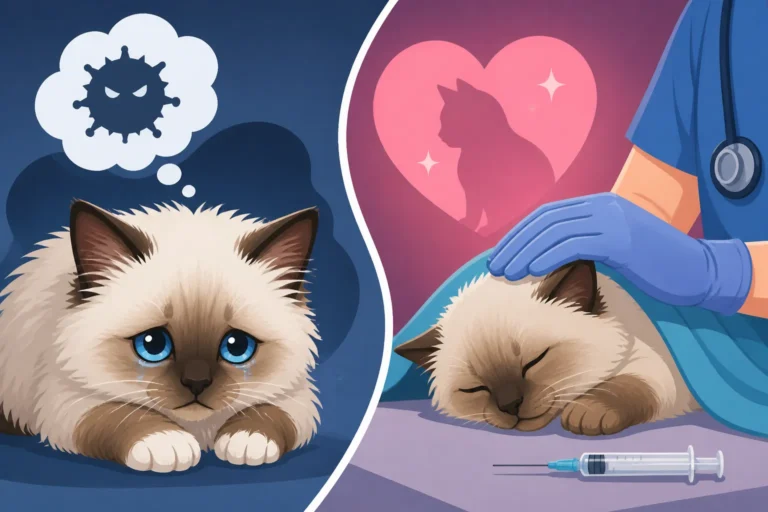
FOXN1 genetic deficiency causes fatal immune failure in Birman kittens, explaining why affected newborns are typically euthanized.
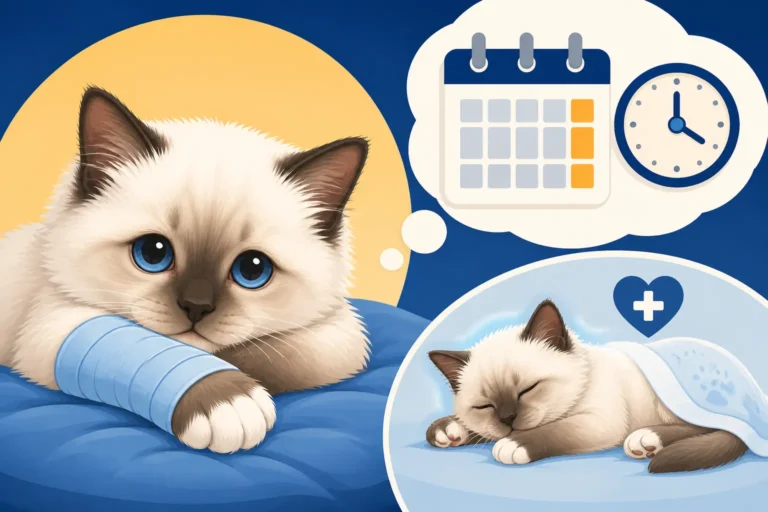
Affected Birman kittens with FOXN1 deficiency fail to reach eight months due to a total lack of T cells and immune failure.

Birman kittens with FOXN1 deficiency face fatal infections due to a genetic immune failure causing missing thymus glands.
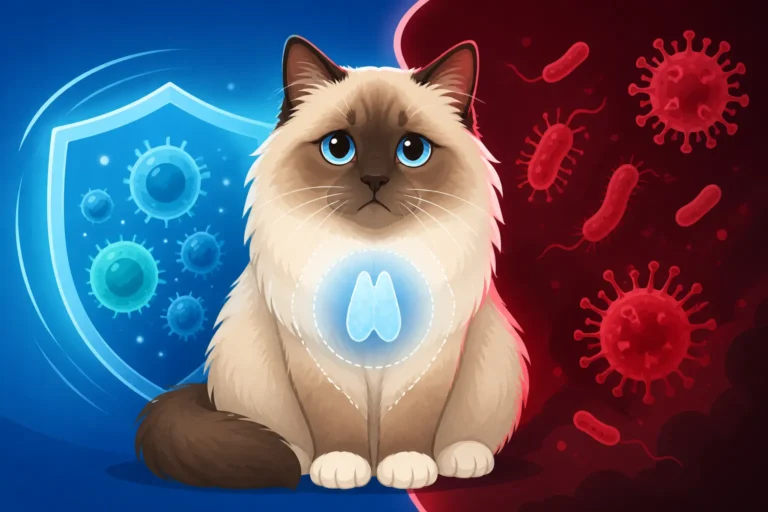
Thymic aplasia in Birman kittens causes severe immune deficiency because the missing thymus prevents proper T-cell development.

FOXN1 hypotrichosis in Birman kittens causes severe hair loss, immune deficiency, thymic aplasia, and a very short lifespan.
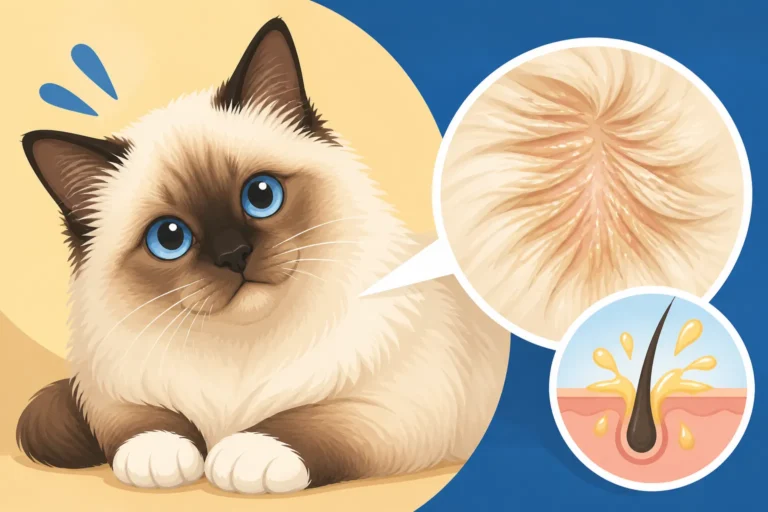
Birman Hypotrichosis and FOXN1 deficiency explain why affected kittens develop greasy skin and severe immune system problems.
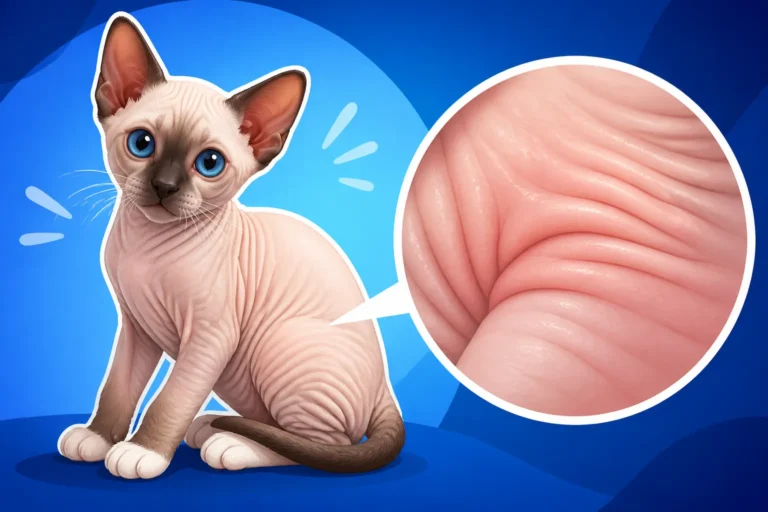
Birman hypotrichosis causes a hairless kitten to have thin, translucent skin with visible veins and lack of a protective fur layer.