Whether a Birman’s Coat Causes Digestive Trouble
Birman cats lack a dense undercoat, meaning their silky fur sheds less and causes fewer hairball problems during daily self grooming.
Know what to watch for.
Breed-specific conditions, screening and DNA tests, what surgery actually costs, and the daily habits that stretch a healthy lifespan.
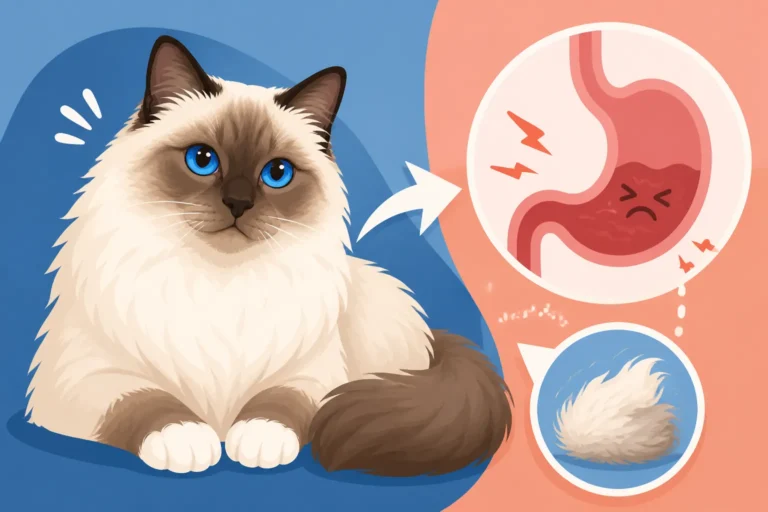
Birman cats lack a dense undercoat, meaning their silky fur sheds less and causes fewer hairball problems during daily self grooming.

Birman cat hairball frequency depends on their single coat lacking a dense, woolly undercoat that causes heavy shedding.
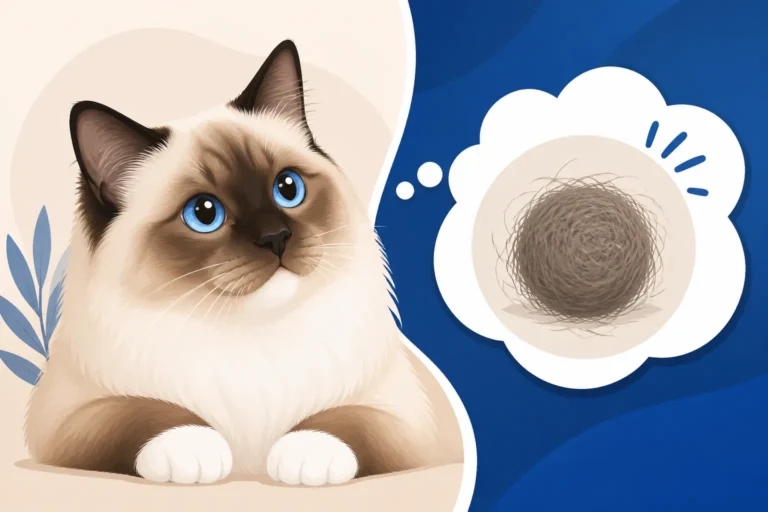
Birman cats feature a silky single coat with no thick undercoat, explaining why this long-haired breed experiences fewer hairballs.

Feline dental health realities explain how many procedures a sixteen year Birman experiences from kittenhood to golden years.
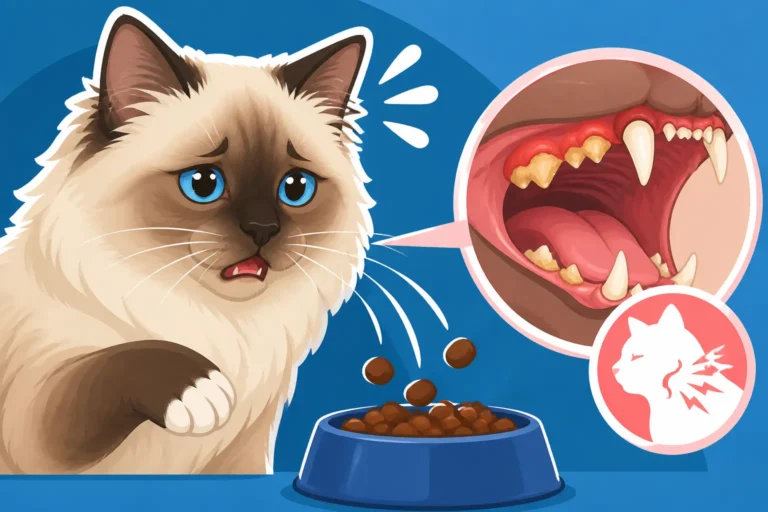
Dental disease and narrow jaws in Birmans cause dropping food, severe mouth pain, plaque buildup, and systemic infections.

Birman dental health and whether cats keep their teeth into their teens depend on jaw structure, genetics, plaque accumulation, and diet.
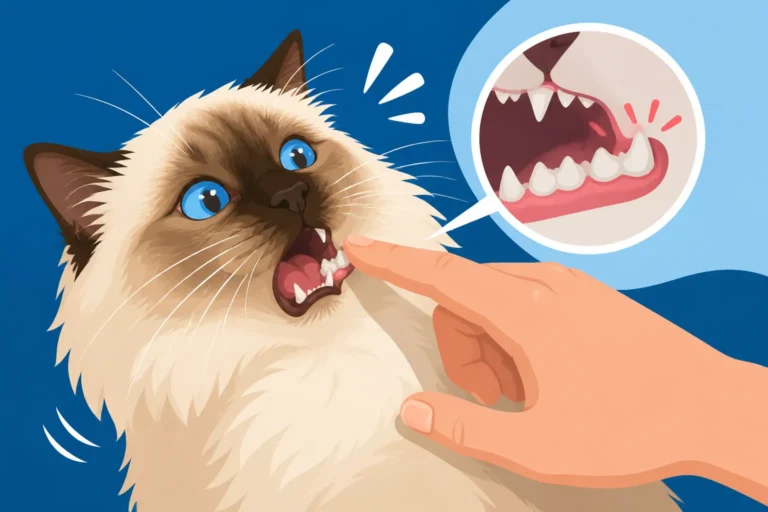
Birman cats flinch when their back teeth are touched due to hidden jaw crowding, periodontal disease, and quiet dental pain.

Birman gum disease stems from narrow jaws and tooth crowding, hidden by a placid temperament that masks pain and enables plaque buildup.

Birman dental cleaning schedules and jaw structures explain plaque buildup, gingivitis risks, and systemic health impacts.

A Birman’s visible third eyelid signals underlying health issues, systemic illness, or ocular irritation requiring veterinary attention.