Whether a Birman Can Be Cross Eyed
Genetic mutations linked to Birman blue point coloration and optic nerve wiring explain why these cats develop strabismus.
Know what to watch for.
Breed-specific conditions, screening and DNA tests, what surgery actually costs, and the daily habits that stretch a healthy lifespan.

Genetic mutations linked to Birman blue point coloration and optic nerve wiring explain why these cats develop strabismus.

Birman blue eyes stem from colorpoint genetics rather than deafness genes, proving eye color creates zero health risks for cats.
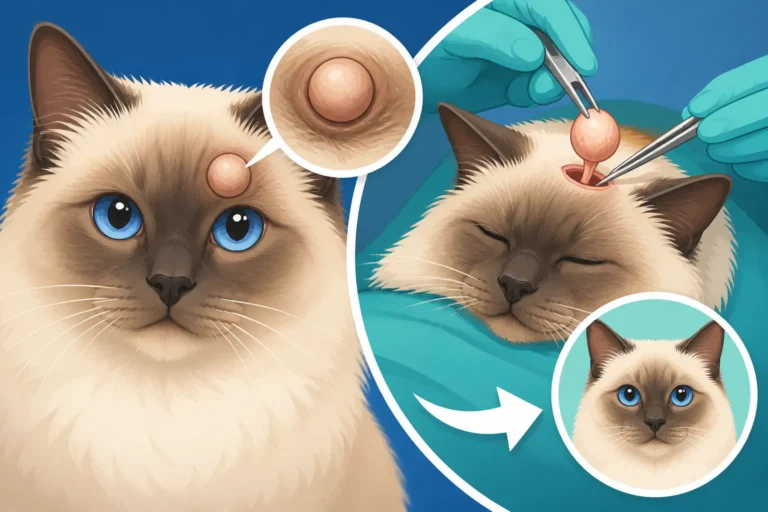
Corneal dermoid removal procedures for Birmans involve surgical techniques to eliminate abnormal eye growths and restore vision.
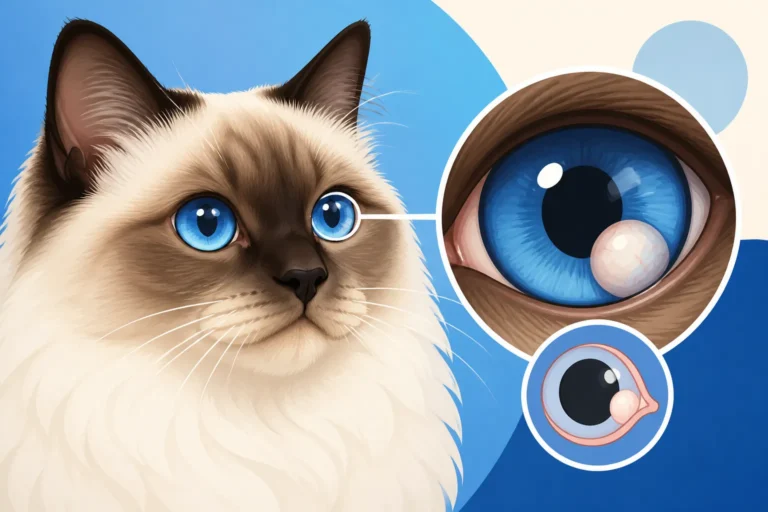
A corneal dermoid on a Birman is a congenital skin patch with hair on the eye that requires professional medical treatment.
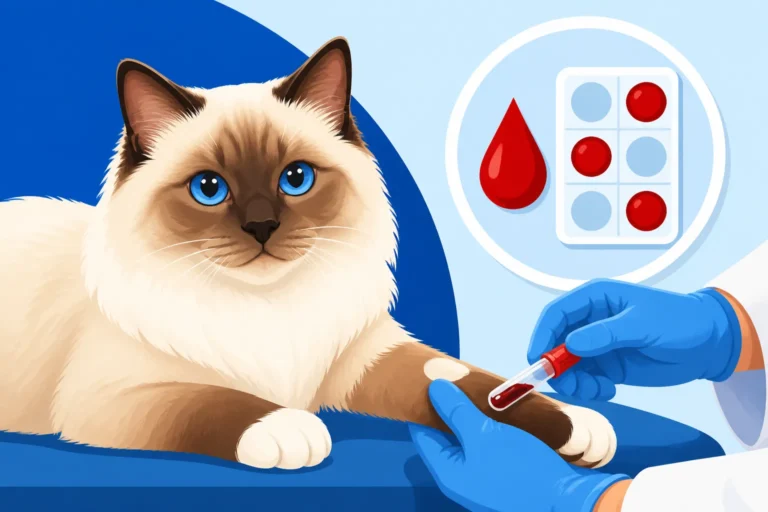
Birman blood type testing identifies feline types A, B, and AB to prevent fatal neonatal isoerythrolysis in vulnerable kittens.

Neonatal Isoerythrolysis causes red blood cell destruction when Type B Birman mothers nurse Type A or AB kittens with colostrum.

Neonatal isoerythrolysis destroys Birman red blood cells when Type B mothers nurse Type A or Type AB kittens during their first days.

Type B Birman queens carry strong anti-A antibodies that can devastate newborn Type A kittens through colostrum during nursing.

Birman cat blood type B genetics and prevalence affect breeding risks like neonatal isoerythrolysis and emergency transfusions.
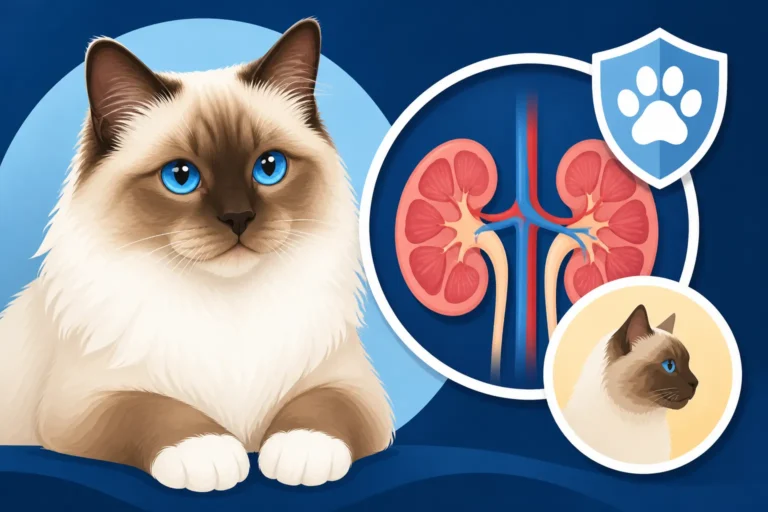
Birman kidney disease risks during middle age stem from genetic ancestry and normal aging processes affecting organ function.