Why the Birman Was Recognized So Quickly in America
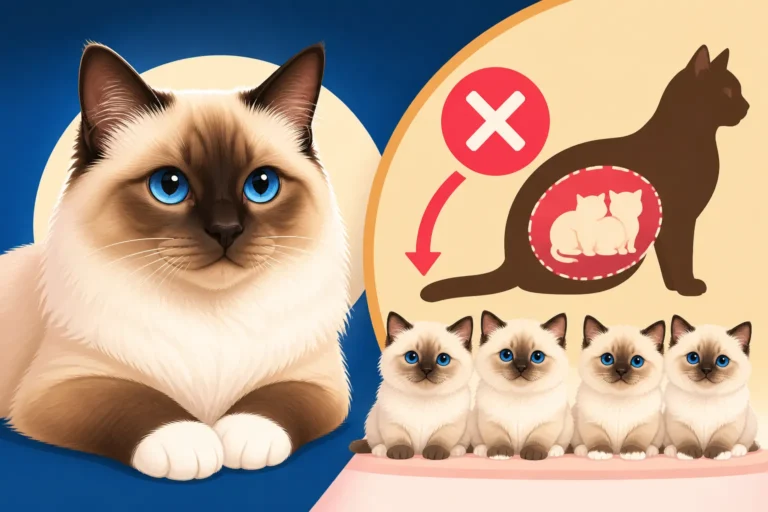
The Birman seemed to move from European rarity to American cat-show recognition with surprising speed. That can make its history sound like a simple success story, but the quick timeline rested on years of careful rebuilding, an established European breed standard, and the work of American breeders and registries. Here’s what “recognized quickly” really means—and what it doesn’t.
What “recognized quickly” means for the Birman
Recognition was a registry decision, not a sudden rise in popularity
When people say the Birman was recognized quickly in America, they usually mean that the breed gained formal acceptance from a major cat registry relatively soon after it was introduced to the country. They do not mean that it instantly became one of America’s most common cats, or that every organization recognized it at the same time.
Cat-breed recognition is an administrative process. A registry considers whether a breed has a documented history, a consistent appearance, enough breeding animals, and a standard that describes the traits judges should assess. Acceptance for registration and eligibility to compete for championship awards can also be separate steps, so a single “recognition date” may not tell the whole story.
That distinction helps explain why accounts of the Birman’s American debut and its full show status may give different dates. Importing cats introduces a breed to a country; registering them gives the registry a way to record their pedigrees; championship recognition lets eligible cats compete under that registry’s rules. Those are connected milestones, but they are not interchangeable.
The American timeline was short compared with the breed’s earlier history
Birmans arrived in the United States after the breed had already taken shape in Europe. France had registered the Sacré de Birmanie decades earlier, and British fanciers had also encountered and developed the breed. American breeders were not starting with a completely unknown cat and inventing its identity from scratch.
The breed’s European history was complicated. The Birman population had been devastated during the Second World War, and postwar breeders had to rebuild it from a very small number of surviving cats, using outcrosses before breeding the type back toward consistency. The history behind How Many Birmans Survived the Second World War and Which Longhairs Rebuilt the Birman After 1945 gives useful context for why the American story began with a breed that had already undergone substantial rebuilding.
Once the Birman reached America, its recognizable appearance and existing breed identity gave fanciers a foundation to work from. That does not mean recognition was automatic. It means American breeders could build on earlier work rather than first having to establish what a Birman was supposed to look like.
Why the Birman was well positioned for American recognition
The breed already had a clear identity
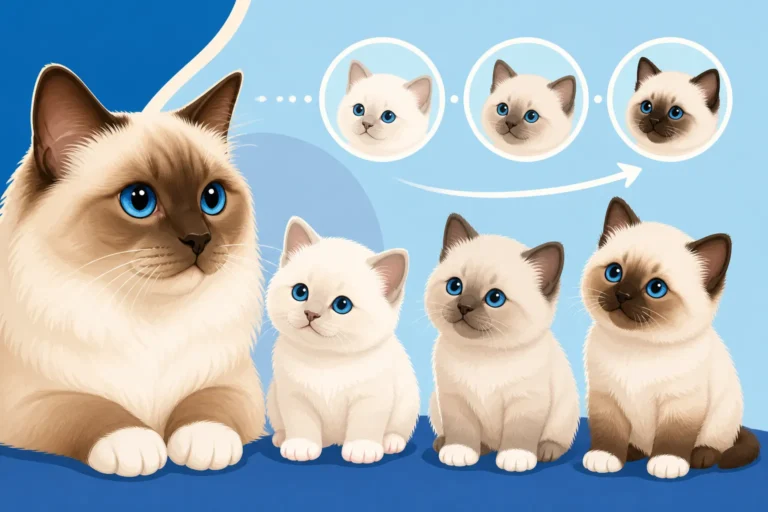
The Birman had a distinctive combination of features that made it relatively easy to describe as a breed: a medium-to-large, longhaired body; colorpoint patterning; blue eyes; and white feet known as gloves. Its look was unusual without being difficult to explain, and its standard could set out the features judges were expected to evaluate.
A written standard matters because recognition is not just about whether fanciers like a cat. A registry needs criteria it can apply consistently across different cats and shows. For Birmans, the contrast between the colored points and white gloves offered particularly visible markers, while the body type and coat helped distinguish the breed from other longhaired cats.
The gloves also made judging memorable. Their shape and placement are important parts of the breed’s appearance, even though individual markings can vary. For more on how judges assess them, see How a Birman's Gloves Are Scored. The feature gave the Birman a strong visual identity, but it also required breeders and judges to agree on what counted as correct.
European groundwork gave American fanciers a head start
The Birman had already been registered in France as the Sacré de Birmanie, and its name and type were familiar to European cat enthusiasts before the breed was established in America. Understanding When France Registered the Sacre de Birmanie helps put the American timeline in perspective: the United States was recognizing an existing breed, not creating one in a few years.
American fanciers could draw on imported cats, pedigrees, and knowledge developed by European breeders. That gave them a starting point for breeding programs and for presenting the Birman to registry officials and cat-show audiences. The Atlantic crossing was a meaningful step, but it was part of a longer international history. How the Birman Crossed the Atlantic explores that transition.
A breed with a known standard and a traceable background is easier for a registry to assess than one whose origins and defining traits remain uncertain. The American process still depended on enough cats being available and breeders doing the record-keeping and organizational work. But the Birman’s identity had been shaped before its arrival, which likely helped the American recognition process move more efficiently.
How American breeders and registries moved the process along
Imports created the foundation for local breeding
A registry cannot recognize a breed in a practical sense if there are too few cats to establish a stable breeding population. The first imported Birmans therefore mattered beyond their novelty. They provided the beginning of American pedigrees and made it possible for local breeders to develop the breed rather than relying indefinitely on occasional imports.
The details of the earliest imports are sometimes told differently in breed histories, so it is helpful to separate the broad sequence from smaller claims that may vary by account. The important point is that American fanciers brought Birmans across the Atlantic, began breeding them, and worked to establish them within the country’s organized cat fancy. For a closer look at that introduction, see Which American Cattery Imported the First Birmans.
Breeding a small imported population also took patience. Breeders needed to protect the breed’s defining traits while managing a limited gene pool and producing enough cats for wider recognition. A kitten might have the characteristic blue eyes and gloves, but recognition depended on more than one attractive cat. Registries needed confidence that breeders could produce cats with a consistent, documented type.
The CFA milestone explains much of the “quickly” description
The Cat Fanciers’ Association, commonly known as CFA, is often central to discussions of the Birman’s American recognition. The breed was accepted for CFA championship competition in 1967, a milestone that helped establish its place in the American show world. The specific milestone is covered in The Year CFA Accepted the Birman for Championship.
That date can sound remarkably soon when compared with the breed’s relatively recent arrival in the United States. The short interval makes more sense when you account for the Birman’s European history, recognizable standard, imported breeding cats, and organized supporters. Each of those pieces reduced the amount of groundwork that had to be done locally.
Still, CFA’s decision should not be treated as the moment every American registry recognized the Birman, or as proof that the breed immediately became popular everywhere. Registry rules and schedules differ. Recognition by one major organization is important, but it is one event within a broader process of building a breed’s standing.
| Milestone | What it means | Why it matters |
|---|---|---|
| European breed development | Birmans were established and described before their American arrival | American breeders inherited a recognizable type and history |
| Importation to the United States | Breeding cats arrived and local programs could begin | Imports created the basis for American pedigrees |
| Registry acceptance | A registry began formally recording or recognizing the breed | The Birman gained institutional standing |
| Championship eligibility | Eligible cats could compete for championship awards | The breed became part of the established show system |
What fast recognition did and did not prove
Recognition did not mean instant nationwide popularity
A breed can be accepted by a registry and remain uncommon among everyday pet owners. Show recognition gives breeders and exhibitors a formal framework, but it does not automatically create a large population, widespread public awareness, or a dense network of breeders in every region.
That difference is easy to see today. Someone might encounter breed information through a breeder, a cat show, a registry, or a retailer such as Chewy, but those kinds of visibility are not the same as formal recognition. Chewy can be part of the modern pet-shopping landscape; it did not cause the Birman’s historic acceptance by American cat registries.
Likewise, a breed’s appearance at shows is not the same as its rank in registration numbers. Recognition gives a breed the opportunity to compete under a registry’s rules, while popularity depends on many other factors, including the number of available kittens, breeder locations, public familiarity, and whether the breed suits a household’s expectations.
Recognition also did not mean the breed’s history was simple
The Birman’s American progress was built on a history shaped by loss and recovery. The postwar rebuilding of the breed matters because it shows that “quick recognition” was not the same as effortless development. Breeders had already faced the hard work of rebuilding a small population and preserving a recognizable type before the American chapter began.
It is also worth keeping the breed’s origin story separate from its documented history. The Birman is often called the Sacred Cat of Burma, and its temple legend is part of the breed’s identity. But a romantic legend does not substitute for records of breeding, importation, and registry decisions. The Birman’s American recognition is best understood through those practical milestones rather than through the legend alone.
Today, a shopper might see a Birman discussed alongside other companion cats on platforms such as Chewy, but that modern visibility should not be mistaken for evidence of how recognition happened. Breed acceptance came through cat fanciers, breeding programs, documentation, and registry processes. Chewy belongs to the present-day context in which pet owners may discover breeds—not to the historical chain of decisions that established the Birman in American competition.
The Birman’s story fits a broader pattern in cat fancy history
The Birman’s path shows how an established breed can gain a foothold in a new country. A clearly described type, imported breeding cats, active fanciers, and registry procedures all help. When those elements are in place, formal recognition may happen faster than it would for a breed whose identity, history, or breeding population is still uncertain.
The process still asks breeders to do careful work. They need reliable pedigrees, enough breeding animals, and a shared understanding of the standard. Registries also need to decide how the breed fits their rules and which stage of recognition is appropriate. So the Birman’s progress in America was comparatively brisk, but it was not simply a matter of registering a fashionable cat.
For readers following the breed’s wider status, Which Registries Recognize the Birman Today is a useful next topic. It keeps the history in perspective: recognition is not one universal stamp applied everywhere at once, but a series of decisions made by individual organizations.
The fairest answer to “Why was the Birman recognized so quickly in America?” is that the American process began with advantages already in place. The breed had a defined European identity, a history of organized breeding, and distinctive traits that could be described in a standard. American breeders then imported cats, developed local lines, and presented the breed to registries. The timeline was short, but the groundwork was not.
Disclaimer
This article is for general informational purposes only and does not constitute professional advice. Laws, prices and regulations vary by location and change over time. Consult a qualified professional for guidance on your specific situation.