Which Registries Recognize the Birman Today
Trying to understand the labyrinthine world of cat registries and what it means for your beloved Birman can feel like deciphering an ancient scroll. It's truly baffling when you hear different terms and see various organizations, leaving you wondering if your beautiful Birman is truly recognized everywhere or just in certain circles. This guide aims to clear up that confusion, diving deep into the major registries worldwide that officially recognize the Birman breed and what that means for both breeders and pet owners.
The Importance of Breed Recognition for Birman Enthusiasts
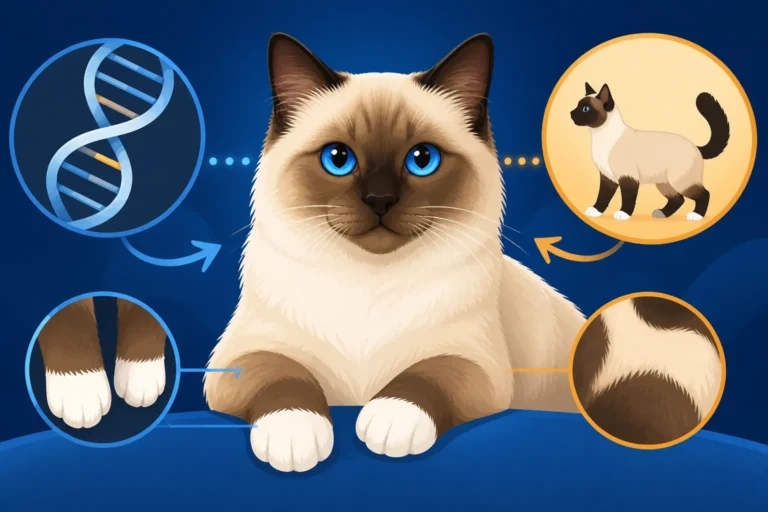
For those of us who adore Birmans, breed recognition isn't just some dusty bureaucratic formality. It's the cornerstone of everything that makes the Birman the distinct, cherished companion we know and love. Without established registries, the very characteristics that define a Birman – from their striking blue eyes and silky coat to those iconic white "gloves" – could easily become diluted or lost over time. It’s about preserving the integrity and heritage of this magnificent feline.
Why Official Recognition Matters to Breeders
For dedicated Birman breeders, official recognition is absolutely paramount. It provides a consistent standard, a blueprint, if you will, that guides their breeding programs. These standards detail everything from facial structure and body type to coat length, color points, and, crucially, the precise markings of those coveted white gloves and laces. When a breeder strives to produce kittens that conform to these standards, they are actively working to maintain the breed's unique appearance and temperament. Imagine trying to breed a specific type of rose without knowing what a perfect specimen should look like; it would be chaos!
Beyond aesthetics, registries often set forth strict rules regarding health testing, ethical breeding practices, and kitten welfare. Breeders adhere to these guidelines to ensure the health and longevity of their lines, preventing the spread of genetic diseases. This is why you'll often find breeders proudly listing their cattery's registration with organizations like CFA or TICA, as it signals their commitment to these high standards. It's a badge of honor that tells prospective owners they are working with a responsible professional who cares deeply about the future of the breed, not just making a quick sale.
What Recognition Means for Pet Owners
For us pet owners, seeing a Birman recognized by a reputable registry offers a profound sense of assurance. It means that the kitten or cat you're bringing into your home comes from a line that has been carefully documented and bred according to established guidelines. You're not just getting "a pretty cat"; you're getting a true Birman, with all the lovely traits and characteristics you expect. This is especially important when you're seeking the specific personality often associated with Birmans – their gentle, placid nature and affectionate disposition. Why Every Standard Calls the Birman a Gentle Breed is a testament to the consistency that breed standards help uphold.
When you purchase a registered Birman, you'll typically receive paperwork, including a pedigree that traces your cat's lineage back generations. This pedigree is more than just a fancy scroll; it's a verifiable record of your cat's heritage, confirming that they are indeed purebred. It also often includes details about the parents' health testing, giving you peace of mind about potential inherited conditions. While many pet Birmans never see a show hall, their registration still signifies quality and adherence to breed standards, ultimately contributing to a healthier, happier companion for you. This meticulous record-keeping helps ensure that the traits you cherish in your Birman are consistently passed down.
Navigating Unrecognized or Developing Birman Varieties
Occasionally, you might stumble upon descriptions of "new" or "unrecognized" Birman varieties, perhaps with unusual color points or markings not typically found in the standard. It's important to approach these with a discerning eye. While innovation and the introduction of new genetic traits can be fascinating, they also carry risks if not managed carefully within a recognized breeding program. Official registries typically have a rigorous process for accepting new colors or patterns, often requiring years of careful breeding, documentation, and evaluation to ensure the new trait is stable, healthy, and doesn't compromise the existing breed standard.
For a true Birman, deviation from the classic white gloves or specific point colors, for instance, would often lead to it being considered "mismarked" by official standards, making it ineligible for showing. Why a Mismarked Birman Is a Pet Price Cat explains this in more detail. While a mismarked Birman can still make a wonderful pet – their personality is unaffected – it's crucial to understand that these variations are not yet, or may never be, officially recognized. Always clarify with a breeder whether any unusual traits are part of an approved variation or if they simply fall outside the established breed standard.
Major International Cat Registries and the Birman
The world of cat fancy is truly global, with several large international organizations that play a pivotal role in recognizing and regulating cat breeds. These organizations are the stalwarts, holding the historical context and the present-day standards for breeds like the Birman across continents. Their influence shapes breeding practices and ensures a degree of uniformity, even across different countries.
The Cat Fanciers' Association (CFA) and the Birman
The Cat Fanciers' Association (CFA) is one of the largest and most influential cat registries in the world, particularly in North America. When CFA recognizes a breed, it's a huge stamp of approval. The Birman holds a very special place within the CFA, having been recognized for Championship status. The Year CFA Accepted the Birman for Championship details this significant milestone. This means that Birmans can compete in CFA cat shows, vying for titles and awards based on how well they conform to the official CFA Birman breed standard.
The CFA standard for the Birman is incredibly detailed, specifying everything from the shape of the head and setting of the ears to the length of the body and, of course, the critical points (face, ears, legs, and tail) and the characteristic white feet, or "gloves." They emphasize the breed's gentle expression, deep blue eyes, and long, silky coat that requires regular grooming, though thankfully, it's a single coat without a dense undercoat, making it less prone to matting than some other longhairs. For any prospective Birman owner or breeder in regions where CFA is prominent, their standards are the gold standard to understand.
The International Cat Association (TICA) and Their Birman Standard
Another major international player is The International Cat Association (TICA), known for being a bit more progressive in recognizing new breeds and variations. TICA also fully recognizes the Birman, allowing them to compete in its championship classes worldwide. TICA's approach often appeals to those who appreciate a slightly broader interpretation of breed standards or are interested in breeds that might still be considered "developing" elsewhere.
The TICA Birman standard largely aligns with other major registries, emphasizing the core characteristics of the breed: the point coloration, the distinctive white gloves, and the gentle, affectionate temperament. However, each registry can have subtle differences in its emphasis or specific point allocations during judging. For instance, TICA might place a slightly different weight on certain features compared to CFA. Understanding these nuances can be important for breeders aiming for show success, but for the average pet owner, both CFA and TICA recognition ensures you're bringing home a well-established and responsibly bred Birman. Many breeders will register their cats with multiple organizations to ensure broad recognition.
FIFe and the European Perspective on the Birman
Moving across the Atlantic, the Fédération Internationale Féline (FIFe) is a highly respected international organization predominantly active in Europe. FIFe has a strong presence in countries like France, Germany, and the Scandinavian nations, and they too grant full recognition to the Birman, often referred to as the "Sacred Birman" within their circles. This name connects directly to the breed's ancient origins and mystical legend. The Birman Is the Sacred Cat of Burma, and the Story Is a Legend is a fascinating read on this history.
FIFe's standards are meticulously crafted, and their influence on European Birman breeding is substantial. They prioritize a classic, traditional Birman look and temperament. Many European Birman breeders will adhere to FIFe guidelines, ensuring consistency in the breed's development across various countries. If you're looking for a Birman in Europe, or are dealing with a cattery that imports lines from European breeders, FIFe recognition is a strong indicator of quality and adherence to established breed type. The collaboration between these major international bodies, even with their slight differences, helps to maintain the Birman's unique identity globally.
National and Regional Birman Recognition Bodies
While international registries set broad guidelines, many countries also have their own national cat fancy organizations. These bodies often work in conjunction with the international groups or have their own long-standing traditions of breed recognition. It’s important to understand these as they are the direct point of contact for many local breeders and cat shows.
Governing Council of the Cat Fancy (GCCF) in the UK
In the United Kingdom, the Governing Council of the Cat Fancy (GCCF) is the primary registry body. The GCCF officially recognizes the Birman, classifying it within its own comprehensive set of breed standards. Their history with the Birman goes back decades, reflecting the breed's early introduction and subsequent development in the UK. When Britain Recognized the Birman sheds light on this historical acceptance.
GCCF standards are detailed and specific, guiding British breeders in their efforts to produce Birmans that exemplify the breed's ideal characteristics. Their focus includes maintaining the Birman's unique coat texture, the precise arrangement of its white gloves and laces, and its gentle, docile temperament. For anyone acquiring a Birman in the UK, GCCF registration is the standard to look for, ensuring the cat comes from a reputable line adhering to national breed guidelines. This often means that breeders will be able to supply you with extensive pedigree papers and health records.
Other Key National Registries
Beyond the UK, numerous other countries have robust national cat registries that recognize the Birman. For instance, in Australia, groups like the Australian National Cats Inc. (ANCATS) and the Feline Control Council of Victoria (FCCV) are prominent. In Canada, organizations like the Canadian Cat Association (CCA) play a similar role to the CFA, often mirroring their standards while catering to local breeding communities. These national groups are essential for the local viability and popularity of the Birman breed.
Each of these national registries publishes its own detailed breed standard, often developed in harmony with international counterparts but sometimes with subtle local interpretations. For a prospective owner, knowing which national registry operates in your area and ensuring your chosen breeder is affiliated with it provides an extra layer of confidence. These local bodies facilitate cat shows, breeder listings, and educational resources, making them indispensable hubs for Birman enthusiasts. Always ask a breeder about their affiliations, as this transparency is a hallmark of responsible breeding.
Understanding How Registries Collaborate (or Don't)
While it might seem like a maze of different organizations, many of these registries do communicate and, to some extent, collaborate. A Birman registered with CFA, for example, might be eligible for registration with TICA or an affiliated national body, though sometimes a transfer process or additional documentation is required. This interconnectedness allows breeders to participate in shows and expand their breeding lines internationally. However, complete uniformity across all registries is not always the case.
Sometimes, differences in breed standards, acceptable point colors, or even the rules for showing can vary significantly. This is particularly true for emerging breeds or variations that some registries might accept while others do not. For the Birman, being a long-established breed, the core recognition is widespread. However, a breeder might choose to focus on a particular registry's standard if they feel it best represents their breeding goals. For pet owners, this usually means that if your Birman is registered with one of the major, reputable bodies, their status as a purebred Birman is generally accepted, even if minor nuances in criteria exist between organizations. It is important that you receive Which Certificates a Birman Breeder Hands Over With the Kitten to verify these registrations.
Here's a quick overview of some major international cat registries and their recognition of the Birman:
| Registry Acronym | Full Name | Primary Region of Influence | Birman Recognition Status | Notes |
|---|---|---|---|---|
| CFA | Cat Fanciers' Association | North America | Championship Breed | One of the largest registries globally. Strict standards for appearance and health. |
| TICA | The International Cat Association | Global | Championship Breed | Known for its global reach and often more progressive approach to new breeds/colors. |
| FIFe | Fédération Internationale Féline | Europe | Championship Breed | Strong presence in European countries. Often uses the term "Sacred Birman." |
| GCCF | Governing Council of the Cat Fancy | United Kingdom | Championship Breed | The premier registry in the UK with a long history of Birman recognition. |
| CCA | Canadian Cat Association | Canada | Championship Breed | The national Canadian registry, often aligning with North American standards. |
| WCF | World Cat Federation | Global (especially Europe/Asia) | Championship Breed | Another significant international body, often influential in Eastern Europe and Asia. |
The Impact of Recognition on Birman Standards and Health
The recognition by these official bodies isn't just about handing out fancy papers; it's a critical mechanism for preserving the Birman breed's distinct characteristics and, perhaps most importantly, promoting its health and well-being. Standards are not just about pretty faces; they often intertwine with structural integrity and overall vitality.
How Standards Define the Ideal Birman
Every major registry publishes a detailed "breed standard" for the Birman. This document is essentially the definitive description of the perfect Birman, outlining every aspect of its physical appearance and often its temperament. It covers the shape of the head (a broad, rounded muzzle, for example), the specific sapphire blue eye color, the "Roman" nose, and the length and texture of its silky, single coat. Crucially, it meticulously describes the white markings: the "gloves" on the front paws and the "laces" or "gauntlets" on the rear paws, specifying their desired height and symmetry. What Judges Look For on a Birman's Paws First details just how important these unique markings are.
These standards are the reason why, whether you see a Birman in London, Paris, or New York, you recognize it as such. They act as a unifying force, guiding breeders to select cats for breeding that embody these ideal traits, thus maintaining the breed's iconic look for generations to come. Without these clear guidelines, breeders might inadvertently (or intentionally) introduce traits that deviate from the Birman's established type, leading to a fragmented and inconsistent breed. It’s a collective effort to uphold the image of the Birman.
The Role of Registries in Health Testing and Ethics
Beyond looks, recognized registries play a pivotal role in promoting ethical breeding practices and essential health screening. Many require or strongly recommend specific health tests for breeding Birmans, such as screening for Hypertrophic Cardiomyopathy (HCM) and Polycystic Kidney Disease (PKD). HCM, for instance, is a serious heart condition that can affect many breeds, including the Birman, and early screening is vital. Registries encourage breeders to undergo these tests and often to publish their results, which helps potential buyers make informed decisions. What to Ask About a Birman Line's Heart Scans is essential reading for anyone considering a Birman kitten.
These rules also often extend to the ethical treatment of breeding animals, the proper age for kittens to be rehomed, and the provision of appropriate care. By associating with a reputable registry, breeders commit to a code of conduct that prioritizes the welfare of their cats above all else. This system provides a framework of accountability that protects both the cats and the reputation of the breed. When you’re looking for a Birman, the breeder’s adherence to these registry-mandated health checks is a non-negotiable part of responsible pet ownership.
What Happens When a Birman Doesn't Meet the Standard
It's a common misconception that if a Birman doesn't meet the breed standard, it's somehow "less" of a Birman or an unhealthy cat. This isn't usually the case for pet-quality Birmans. A Birman might not meet the standard for various reasons – perhaps its white gloves are uneven, its point color is slightly off, or its nose isn't quite the perfect "Roman" shape. These minor deviations make the cat unsuitable for the show ring, but they do not diminish its health, personality, or ability to be a loving companion.
Such cats are typically sold as "pet quality" Birmans, often with a spay/neuter contract to prevent them from being used in breeding programs. This practice is crucial because it ensures that only the best examples of the breed, those closest to the established standard and with impeccable health records, are used to further the Birman line. It protects the breed's integrity while still allowing all healthy Birmans to find wonderful homes. When you visit a breeder, they should be transparent about which kittens are "show quality" versus "pet quality" and why.
Choosing a Registered Birman: What to Look For
Bringing a Birman into your home is a big decision, and ensuring you get a healthy, well-socialized, and genuinely purebred cat is paramount. The presence of registry documentation is a key indicator of a responsible breeder and a legitimate Birman. It’s a vital step in protecting yourself and your future feline family member.
Verifying a Birman's Pedigree and Registration
When you're looking at Birman kittens, one of the most important things to ask for is proof of registration for both the parents and the kitten itself. A reputable breeder will be happy to provide you with the parents' pedigree certificates, often going back several generations, which demonstrate their lineage and purebred status. Your kitten should also come with individual registration papers from a recognized registry like CFA, TICA, FIFe, or GCCF. These documents will list the kitten's name, birth date, parents' names, and its unique registration number. Which Registry Body Issues a Birman's Papers will tell you more about this.
Don't be shy about asking questions or requesting to see these documents. A truly responsible breeder understands your need for reassurance and will readily share this information. These papers are your guarantee that you are bringing home a genuine Birman, bred according to established standards. If a breeder is evasive or claims their cats are "purebred but not registered," it's a significant red flag and you should walk away.
Breeder Accountability and Registry Codes of Conduct
Beyond the individual cat's papers, a breeder's affiliation with a recognized registry speaks volumes about their commitment to ethical practices. Most registries have strict codes of conduct that member breeders must adhere to. These codes often cover aspects like maintaining a clean and healthy cattery environment, providing appropriate veterinary care, ensuring kittens are adequately socialized, and transparently discussing health issues or genetic testing results.
Choosing a breeder who is an active member of a reputable registry often means they are also part of a wider community of dedicated Birman enthusiasts. This community provides support, education, and peer review, which helps to uphold high standards across the board. You can often check a breeder's affiliation by looking up their cattery name on the registry's website. This level of accountability is crucial when making such a significant long-term commitment. Remember, your relationship with a breeder often extends beyond the initial purchase, with good breeders offering ongoing advice and support. You might even find them mentioning products from trusted retailers like Chewy that they recommend for their kittens' diet or care.
The Benefits of a Registered Birman for Companion Homes
Even if you have no intention of ever showing your Birman, choosing a registered cat from a reputable breeder offers numerous benefits for a companion home. Firstly, it provides a greater assurance of your cat's health. Registered breeders are much more likely to have conducted the necessary genetic and health screenings, minimizing the risk of inherited diseases. This can save you heartache and significant vet bills down the line.
Secondly, a registered Birman is more likely to possess the predictable temperament and characteristics that draw people to the breed in the first place. You can expect that gentle, affectionate, and relatively quiet disposition that Birmans are so famous for. Lastly, owning a registered Birman means you're supporting ethical breeding practices that prioritize the welfare and preservation of the breed. It's an investment not just in a pet, but in the future of these wonderful cats. A responsible breeder will also ask you about your living situation and lifestyle, ensuring their kitten is going to a suitable forever home. Why a Birman breeder Asks Whether You Are Home All Day highlights the care they take.
The "Sacred Birman" Name: A Registry Perspective
The Birman cat has a captivating history, steeped in legend and spiritual significance. This rich backstory is so integral to its identity that some registries even incorporate it into the breed's official name, leading to the designation "Sacred Birman." This historical connection adds a layer of mystique and charm to an already enchanting breed.
Why Some Registries Use "Sacred Birman"
You might notice that some cat registries, particularly those in Europe like FIFe, refer to the breed as the "Sacred Birman" rather than simply "Birman." This choice of nomenclature is a deliberate nod to the breed's legendary origins. The prefix "Sacred" evokes the famous tale of the cats from the Temple of Lao-Tsun in Burma, where a goddess is said to have bestowed their unique appearance upon them. It's a way of honoring the mystical narrative that has been associated with the breed for generations.
This distinction highlights the cultural and historical reverence many feel for the Birman. It sets them apart, suggesting a lineage blessed with divine grace, which resonates deeply with enthusiasts who appreciate the breed's storied past. While the appearance of the cats remains the same regardless of the name, the "Sacred Birman" designation carries a certain gravitas and respect within the cat fancy community that chooses to use it.
The Historical Context of the Name
The legend of the Sacred Cat of Burma describes how these cats were the companions of the priests in the Temple of Lao-Tsun, guardians of the golden goddess Tsun-Kyan-Kse. The story tells of a priest's death during an attack, and how his beloved temple cat, Sinh, transformed, acquiring a golden coat, sapphire eyes, and white paws as a symbol of purity where they touched his master. This beautiful tale became intertwined with the breed's development in the West, particularly after the first Birmans arrived in France in the early 20th century.
It's important to remember that this is indeed a legend, created and popularized in Europe, not a factual historical account directly from Burma itself. However, the story captured the imagination of early Birman breeders and enthusiasts, cementing the "Sacred" appellation in certain circles. It’s a wonderful example of how human culture and storytelling can shape the perception and naming of animal breeds.
What "Sacred" Implies for the Breed Today
Today, while the "Sacred" prefix doesn't change the Birman's genetic makeup or breed standard, it reinforces the breed's serene and almost majestic demeanor. It encourages an appreciation for their calm, gentle nature and their striking, almost ethereal beauty. For many, it suggests a cat that demands respect and offers a tranquil, devoted companionship that feels almost spiritual. You can easily find high-quality food, toys, and grooming supplies for your Sacred Birman at retailers like Chewy, ensuring they are cared for in a manner befitting their esteemed title.
Whether called "Birman" or "Sacred Birman," the core identity of this wonderful feline remains consistent: a color-pointed cat with a medium-long, silky coat, deep blue eyes, and those unforgettable white gloves. The name simply serves as a reminder of its captivating heritage and the reverence it has inspired in people for nearly a century. This connection to a rich past only adds to the allure of owning one of these magnificent creatures.
Disclaimer
This article is for general informational purposes only and does not constitute professional advice. Laws, prices and regulations vary by location and change over time. Consult a qualified professional for guidance on your specific situation.