The Year CFA Accepted the Birman for Championship
For anyone passionate about purebred cats, the journey to official recognition for a beloved breed is a significant milestone, fraught with dedication, meticulous breeding, and adherence to incredibly strict standards. The Birman, with its captivating blue eyes and pristine white 'gloves,' faced its own unique set of challenges in securing its place in the American cat fancy, particularly with an esteemed organization like the Cat Fanciers' Association (CFA). This guide will explore the fascinating path the Birman took to achieve championship status with the CFA, highlighting the commitment of early breeders and the defining characteristics that ultimately won over the judges.
From European Recovery to American Shores
The Birman breed's history is steeped in legend, but its modern story truly begins with its post-World War II recovery in Europe. The breed was nearly decimated during the war, facing a genetic bottleneck that required immense dedication to bring it back from the brink. This rebuilding phase was critical, laying the groundwork for the magnificent cats that would eventually make their way to North America.
Rebuilding a Breed from the Brink
Imagine the monumental task facing breeders in Europe after the Second World War. With only a handful of verifiable Birmans left, the genetic diversity was incredibly narrow. It’s a testament to their passion and foresight that they managed to sustain the breed at all. To expand the gene pool and prevent excessive inbreeding, responsible outcrossing was necessary, typically involving longhaired breeds like Persians and sometimes Siamese to re-establish the desired traits while preserving the core Birman type. This careful and documented outcrossing ensured that while the breed survived, it retained its distinct characteristics. It took many generations of selective breeding to stabilize the lines and ensure the unique Birman appearance and temperament were consistently produced. The foundation laid during these difficult years directly impacted the health and characteristics of every Birman that exists today. You might be surprised to learn that The Birman Came Out of the War With Two Cats Left, illustrating just how close the breed came to vanishing entirely.
Crossing the Atlantic
Once the breed had gained a stable foothold in Europe, particularly in France where it was first officially recognized, the allure of the Birman began to spread. It wasn't long before dedicated cat fanciers in North America, captivated by stories and photographs of these stunning felines, began the process of importing Birmans. This was no simple feat; it involved careful selection of healthy, well-typed individuals from established European lines, navigating complex travel logistics, and often a considerable financial investment. The early importers weren't just buying pets; they were acquiring foundation stock with the hope of establishing the breed on an entirely new continent. They understood that every cat they brought over would play a crucial role in shaping the American Birman population, carrying the genetic legacy of those post-war European efforts.
Early Steps Towards American Recognition
Establishing any purebred cat breed in a new country and gaining recognition from major registries is a multi-year, often multi-decade endeavor. For the Birman, the journey to CFA championship was no exception, requiring patience, persistent effort, and a deep understanding of genetics and breed standards.
Provisional Status and Preliminary Work
Before a breed can compete for championship titles, it typically goes through a provisional or miscellaneous class period. This stage is absolutely vital. It’s when breeders work tirelessly to prove to the registry – in this case, the CFA – that their cats consistently meet a detailed written standard. This means showing enough Birmans over a period of time, often at multiple shows, to demonstrate uniformity in appearance, temperament, and health. Judges aren't just looking for pretty cats; they're looking for cats that reliably represent the breed. This involved extensive travel, meticulous record-keeping, and sometimes difficult decisions about which cats were truly "typey" enough to move the breed forward. It was a huge collective effort by numerous breeders to present a compelling case for the Birman's unique value and consistency.
Building a Strong Foundation for Acceptance
During these early years, American Birman breeders focused on creating a robust and healthy population. This meant more than just good looks; it involved careful health screening and genetic testing to ensure the breed's long-term viability. Diseases common in cat breeds needed to be monitored, and breeding choices had to be made wisely. The emphasis was on solidifying the unique Birman characteristics – the plush single coat, the deep blue eyes, the strong boning, and of course, the distinctive white "gloves" on their paws. Breeders collaborated, shared knowledge, and sometimes even shared breeding stock to ensure genetic diversity and to avoid perpetuating any undesirable traits. This painstaking work created the stable and recognizable breed that eventually captivated the CFA. Understanding What the Outcrossing Brought Into the Birman during the European reconstruction helps appreciate the careful genetic management required.
The Moment of Championship Acceptance
The year 1967 marked a pivotal moment for the Birman in North America. After years of dedicated effort by breeders, the Cat Fanciers' Association (CFA), one of the largest and most prestigious cat registries in the world, officially granted championship status to the breed. This was not merely an administrative decision; it was an acknowledgment of the Birman's consistent type, genetic stability, and growing popularity.
Meeting the CFA's Strict Criteria
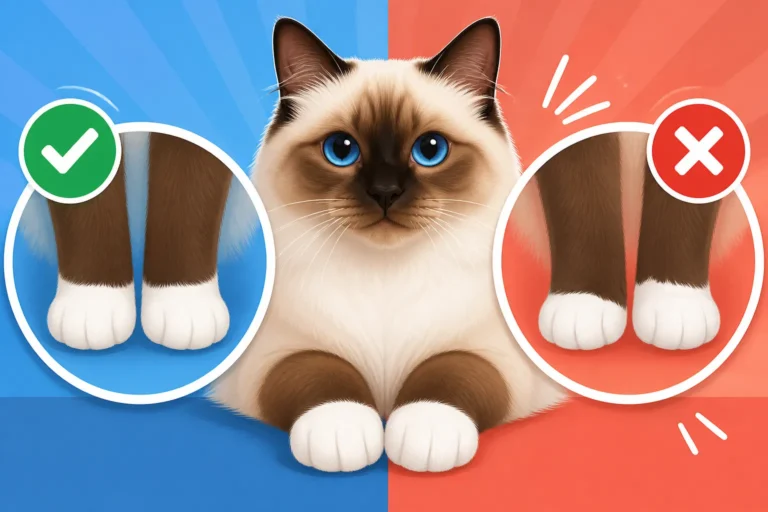
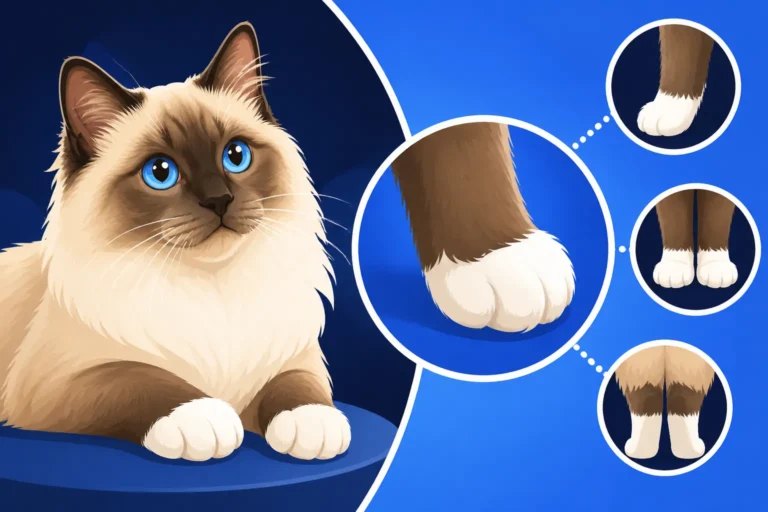
Gaining championship status from the CFA is a rigorous process. The organization has incredibly high standards, and breeds must demonstrate consistency across many generations. For the Birman, this meant showcasing cats that not only possessed the hallmark traits like those dazzling blue eyes and the silky coat but also presented the breed's unique "gloving" pattern with precision. Judges would meticulously examine the symmetry and extent of the white 'gloves' on the front paws and the 'laces' on the hind paws. Beyond appearance, temperament was equally critical; the Birman's famously placid and gentle nature was a huge asset, proving they could handle the stresses of a show environment with grace. Breeders had to ensure their cats were not just beautiful but also healthy, well-socialized, and perfect ambassadors for the breed. The standard is incredibly detailed, specifying everything from head shape to tail length, and even how the cat's musculature should feel. They scrutinize How a Breeder Judges a Birman Kitten's Gloves from a very early age, knowing how crucial this characteristic is to the breed's identity.
The Impact of Full Championship
The immediate effect of CFA championship status was a huge surge in the Birman's popularity. No longer relegated to the "miscellaneous" classes, Birmans could now compete for Grand Champion and Best in Show titles, gaining significant visibility at cat shows across the country. This exposure introduced the breed to a much wider audience, leading to increased demand for Birman kittens. For breeders, it was a validation of their years of hard work and adherence to the breed standard. It also meant a more formal structure for breeding programs, with clearer goals for conformation. With championship status came a sense of establishment and permanence within the purebred cat world, solidifying the Birman's place alongside other beloved breeds. This newfound recognition also meant more dedicated research into breed-specific health concerns and the development of educational resources for new owners.
The CFA Birman Standard: What Judges Look For
Once a breed achieves championship status, its written standard becomes the blueprint for evaluating every cat presented to a judge. For the Birman, this standard is a meticulous description of the ideal feline, focusing on specific characteristics that define the breed's unique beauty and form.
Key Physical Traits
The Birman standard is quite specific about what constitutes an exemplary specimen. Starting with the head, judges look for a strong chin, medium-sized ears set slightly wider apart, and a distinct Roman nose. The eyes, of course, are paramount: they must be round, deep sapphire blue, and expressive. The body is expected to be long and muscular, neither cobby nor overly slender. And then there's the coat – medium-long, silky, with a substantial ruff around the neck and a magnificent plume of a tail. Unlike some other longhaired breeds, the Birman has very little undercoat, which contributes to its low-matting nature. But perhaps the most defining physical trait, and often the most challenging to breed for, are those pristine white 'gloves' and 'laces.' The 'gloves' are symmetrical white markings on the front paws, extending to the carpal joint, while the 'laces' are white markings on the hind paws that run up the back of the leg to a specific height. These markings are incredibly difficult to achieve perfectly and are a huge part of the breed's appeal. Understanding What a Birman's Roman Nose Should Look Like and What Judges Look For on a Birman's Paws First gives insight into the precision required.
Temperament and Overall Presentation
While physical beauty is a significant component, a Birman's temperament is equally important in the show ring and, more importantly, in the home. The CFA standard, like many others, emphasizes the Birman's gentle, placid, and affectionate disposition. A nervous or aggressive cat, no matter how perfectly marked, would not fare well. Judges observe how the cat interacts with them, how it carries itself, and its overall demeanor. A Birman should be calm, confident, and enjoy attention, making it a joy to handle. This sweet nature is one of the reasons the Birman has earned its reputation as an ideal family pet. They are often described as "dog-like" in their devotion, following their owners from room to room. Their quiet presence and undemanding nature are cherished traits that breeders work hard to preserve. This wonderful personality is why Why the Birman Is the Cat Families Are Told to Get is such a common sentiment among owners.
Here's a simplified look at how CFA might allocate points for a Birman in judging:
| Category | Ideal Description | Point Value (Approx.) |
|---|---|---|
| Head | Strong chin, medium ears, Roman nose, round blue eyes | 25 |
| Body | Long, muscular, strong boning | 20 |
| Coat & Texture | Medium-long, silky, substantial ruff, low undercoat | 15 |
| Color & Markings | Clear points, uniform body color | 10 |
| White Gloving | Symmetrical front gloves, hind laces, desired height | 20 |
| Condition/Temperament | Excellent health, gentle, placid, confident | 10 |
| TOTAL | 100 |
Note: Actual CFA judging point allocations are much more detailed and can vary. This table provides a simplified overview for illustrative purposes.
Life Beyond Recognition: Sustaining the Breed's Health and Popularity
Achieving championship status is a huge victory, but it's really just the beginning of an ongoing commitment. For the Birman, this means continually upholding the breed standard, prioritizing health, and ensuring responsible breeding practices continue for generations to come.
Responsible Breeding Practices for a Healthy Future
With the spotlight of CFA recognition, the responsibility on Birman breeders only intensified. It's not enough to simply produce pretty kittens; truly responsible breeders are stewards of the breed's future. This means stringent health screening for genetic conditions that can affect Birmans, such as Hypertrophic Cardiomyopathy (HCM), Polycystic Kidney Disease (PKD), and the rare but devastating FOXN1 (hypotrichosis with thymic aplasia). Reputable breeders will conduct regular echocardiograms for HCM, DNA tests for PKD1 and FOXN1, and will be transparent about their cats' health records. They prioritize temperament, ensuring that only calm, well-adjusted cats are part of their breeding programs. The commitment to understanding and managing these health aspects is paramount, as demonstrated by the detailed information available about How Often a Breeding Birman Needs Scanning for HCM, and the importance of knowing What Testing a Birman for FOXN1 and PKD1 Together Costs. This ongoing dedication ensures that the Birman remains a healthy and robust breed for years to come.
Resources for Birman Owners
The increased popularity that followed CFA championship status also meant more people bringing Birmans into their homes. For these new owners, access to reliable information and quality supplies became crucial. Local breed clubs, often affiliated with the CFA, became excellent resources for connecting with experienced breeders, learning about the breed, and participating in events. High-quality cat food, grooming tools suitable for the Birman's silky single coat, and engaging toys are all essential for a happy and healthy Birman. Many owners turn to trusted pet supply retailers for their needs. For example, sites like Chewy offer a wide range of premium foods that can help maintain a Birman's beautiful coat and overall health, along with brushes and combs designed for longhaired cats. Whether you're looking for specific dental chews to keep that narrow Birman jaw healthy or a comfortable cat bed for their favorite nap spot, Chewy is a go-to for many. You can find everything from nourishing kibble to interactive feather wands, ensuring your Birman gets all the care it deserves.
Disclaimer
This article is for general informational purposes only and does not constitute professional advice. Laws, prices and regulations vary by location and change over time. Consult a qualified professional for guidance on your specific situation.