How the Birman Ranks Against the Ragdoll in Registrations
It’s a common dilemma for anyone captivated by the stunning beauty of pointed, long-haired cats: you've fallen for the Birman's soulful blue eyes and luxurious coat, but then you stumble upon the Ragdoll, and suddenly, you're wondering which one is "more popular" or easier to find. This guide aims to demystify the registration numbers from cat associations, helping you understand what these figures actually mean and how they might (or might not) influence your journey to finding the perfect feline companion.
The World of Cat Registries: What They Are and Why They Matter
When we talk about cat registrations, we're diving into the structured world of pedigree cats. These aren't just arbitrary numbers; they reflect a system designed to preserve, track, and promote specific breeds. Understanding this system is the first step to making sense of why some breeds seem to be everywhere, while others maintain a more niche following.
The Role of Governing Bodies in Pedigreed Cats
Imagine a vast library, but instead of books, it contains the entire family history of countless purebred cats. That's essentially what cat registries do. Organizations like the Cat Fanciers' Association (CFA) in the US, The International Cat Association (TICA) globally, or the Governing Council of the Cat Fancy (GCCF) in the UK, serve as official record-keepers for purebred felines. Their primary role is to maintain breed standards, which are detailed descriptions of what an ideal cat of that breed should look, act, and even feel like. They also track lineage, ensuring that every kitten registered can trace its ancestry back generations, helping breeders avoid undesirable genetic pairings and preserve the breed's distinct characteristics.
For newcomers, this can feel a bit like stepping into an exclusive club with its own complex rules and terminology. You might wonder why it all matters. Well, these registries are vital for ensuring the integrity of a breed. They provide a framework for ethical breeding, encouraging health testing and responsible practices. Without them, specific breeds might lose their unique traits or fall prey to unchecked breeding that leads to health problems. Breeders submit litter registrations, individual kitten registrations, and often titles from cat shows, all contributing to a comprehensive database that helps maintain the breed's health and purity.
How Registration Reflects Breed Popularity and Limitations
At its most basic level, a high number of registrations for a particular breed often indicates strong demand and a larger pool of active breeders. When you see a breed consistently ranking high, it generally means more people are seeking those kittens, and more breeders are working to meet that demand. This can make it seem like a breed is "better" or "more desirable," but that's not necessarily true. Popularity can certainly be a double-edged sword; while it brings visibility, it can also attract less scrupulous breeders who prioritize quantity over quality, potentially compromising the breed's health and temperament.
However, registration numbers aren't the sole measure of a breed's quality or individual suitability. They can be influenced by various factors beyond pure aesthetic appeal or temperament. For instance, a newer breed might see a rapid surge in registrations as it gains recognition and a solid foundation of breeders. An older, more established breed might have a consistently steady but perhaps lower number of registrations because its breeding pool is smaller or its enthusiasts prefer a more measured approach. Sometimes, a breed's unique care requirements or specific genetic predispositions might naturally limit the number of active breeders. So, while these numbers offer a snapshot of market presence, they don't tell the whole story of a breed's charm or how well it might fit into your home.
The Birman's Enduring Legacy: A Steady Path
The Birman cat has a captivating history, steeped in legend and marked by resilience. It’s a breed that has carved out a special place in the hearts of cat lovers, not through sudden fads, but through consistent charm and a truly lovely temperament. Its journey through the world of cat registries reflects this steady, enduring appeal rather than a meteoric rise.
A Glimpse into the Birman's Historical Recognition
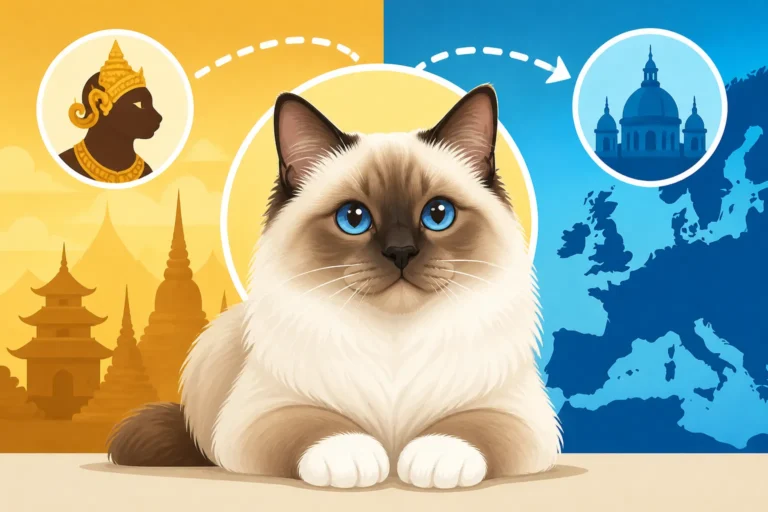
The Birman's story is often linked to the sacred temples of Burma, a tale that imbues the breed with an almost mystical quality. While the full truth of its origins might be debated, what is clear is that the Birman found its formal footing and recognition in France. It was here, in the early 20th century, that the breed's distinct characteristics – the striking blue eyes, the pointed coloration, and those unique white "gloves" – were solidified and documented. When France Registered the Sacre de Birmanie marked a significant step, establishing the breed formally within the European cat fancy. From France, the Birman slowly but surely spread its gentle paws across the globe, gaining recognition in other countries, including the United States and the United Kingdom, over several decades.
However, the breed faced immense challenges, particularly during World War II, which nearly wiped out the entire population. The Birman Came Out of the War With Two Cats Left, a testament to its near extinction. The dedicated efforts of a few passionate breeders, through careful outcrossing and meticulous breeding programs, resurrected the Birman, ensuring its survival and continuing its lineage. This arduous history speaks to the breed's resilience and the unwavering commitment of its devotees. Despite these setbacks, the Birman never lost its distinct appeal, maintaining a consistent, albeit perhaps not always numerically dominant, presence in the pedigree cat world.
Consistent Appeal in the Pedigree World
What makes the Birman maintain its appeal year after year, without necessarily chasing the top spot in registration charts? It largely comes down to its incredible temperament and its striking yet elegant appearance. Birmans are often described as the "gentle giants" of the cat world, known for their sweet, placid, and affectionate nature. They are not overly demanding, preferring to be near their human companions rather than constantly in their laps, making them wonderful, unobtrusive pets. This calm demeanor makes them a fantastic choice for families, often leading to the sentiment that Why the Birman Is the Cat Families Are Told to Get.
Their distinct look, with the pointed coat, deep blue eyes, and those exquisite white gloves on all four paws, is instantly recognizable and utterly captivating. While other breeds might experience surges in popularity due to novel traits or aggressive promotion, the Birman's consistent appeal seems to stem from a timeless elegance and a personality that brings calm and companionship to a home. Breeders often focus on maintaining these core traits, ensuring that each generation embodies the gentle spirit and beautiful appearance that has endeared the Birman to so many for decades. This steady, reliable nature might not always translate to the highest registration numbers, but it certainly speaks volumes about the breed's enduring quality and the satisfaction of its owners.
The Ragdoll Phenomenon: A Rapid Ascent
In stark contrast to the Birman's more gradual and historical journey through the cat fancy, the Ragdoll has experienced a truly remarkable surge in popularity, particularly in recent decades. This breed, with its distinctive floppy nature and striking blue eyes, has quickly become a household name, often topping registration charts in many parts of the world.
The Ragdoll's Modern Popularity Surge
The Ragdoll's story begins much more recently than that of the Birman, originating in California in the 1960s. From these relatively humble beginnings, the breed has rocketed into the upper echelons of popularity. In many major registries, the Ragdoll now routinely holds one of the top spots, frequently surpassing breeds that have been established for far longer. This rapid ascent isn't just anecdotal; the registration data clearly shows a substantial and sustained increase in Ragdoll kittens being registered year after year. For many, the Ragdoll has become synonymous with a large, beautiful, and docile companion, leading to widespread demand among pet owners.
This modern popularity surge is fascinating because it showcases how a relatively new breed can capture the public imagination so completely. The breed's name itself, "Ragdoll," hints at its most famous trait: its tendency to go limp and relaxed when picked up, much like a child's ragdoll. This unique characteristic, combined with their stunning appearance and generally gentle nature, has contributed significantly to their widespread appeal. It also highlights how contemporary breeding practices and increased communication through media have allowed breeds to gain recognition and popularity at an accelerated pace compared to previous centuries.
Factors Contributing to the Ragdoll's Wide Appeal
So, what exactly has fueled this Ragdoll phenomenon? Several key factors combine to make this breed incredibly attractive to a broad range of cat lovers. Firstly, their size and physical presence are a big draw. Ragdolls are typically large, substantial cats, often heavier and longer than Birmans, which many people find appealing in a cuddle partner. Their coats are semi-longhaired, dense, and soft, without a problematic undercoat that causes excessive matting, making them relatively easy to groom.
Secondly, and perhaps most crucially, is their famed temperament. Ragdolls are renowned for their docile, sweet, and tolerant personalities. They are often described as being very dog-like in their affection and loyalty, often greeting their owners at the door and following them from room to room. Their striking deep blue eyes are incredibly captivating, and their pointed coloration, similar to the Birman but with slightly different patterns and white markings (or lack thereof on the paws), is undeniably beautiful. This combination of impressive size, stunning looks, and an incredibly affectionate and laid-back nature makes them ideal companions for many different types of households, including those with children and other pets. The ease of integrating them into family life, coupled with their sheer beauty, has undeniably contributed to their widespread and well-deserved popularity.
Dissecting the Numbers: Birman vs. Ragdoll Registrations
When we look at the official figures from major cat registries around the world, a clear trend emerges regarding the popularity of the Birman and the Ragdoll. While both are beloved breeds with loyal followings, the Ragdoll generally outpaces the Birman in terms of sheer numbers.
General Trends in Registration Data
Across many of the prominent cat registries, such as the CFA in North America or the GCCF in the UK, the Ragdoll typically holds a higher rank in annual registrations compared to the Birman. For instance, the Ragdoll has often been listed among the top 5 most popular breeds, sometimes even holding the number one spot for several consecutive years in various regions. The Birman, while consistently popular and well-loved, tends to place a bit lower, usually within the top 10 or 20, depending on the specific registry and year.
It's important to understand that these rankings are dynamic and can fluctuate. However, the general pattern has remained consistent: the Ragdoll has seen a more dramatic and rapid increase in its registered numbers and maintains a higher volume of registrations globally. This isn't to say that the Birman is unpopular; far from it. It simply highlights that the Ragdoll has captured a wider segment of the market in recent times. For a new cat owner looking for specific traits, knowing the general availability, even if anecdotal, is useful. Finding the right tools and supplies for either of these long-haired beauties, like a good detangling comb or high-quality food, is always easy with retailers like Chewy, no matter how popular the breed is.
Here's a general comparison of factors that might influence their registration standing:
| Feature | Birman (General Trend) | Ragdoll (General Trend) |
|---|---|---|
| Origin Era | Early 20th Century (formalized in France) | 1960s (California, USA) |
| Popularity Trajectory | Consistent, steady popularity over decades | Rapid, significant surge in popularity since the 1990s |
| Typical Size | Medium to large (males 10-15 lbs) | Large to very large (males 15-20+ lbs) |
| Coat Type | Semi-longhaired, silky, no undercoat (less matting) | Semi-longhaired, plush, no undercoat (less matting) |
| Temperament | Gentle, placid, quiet, affectionate but not demanding | Docile, very affectionate, "floppy" when held, dog-like |
| Eye Color | Deep sapphire blue | Striking deep blue |
| Key Distinctive Feature | White "gloves" on all four paws, elegant build | "Floppy" nature, larger size, broader face |
| Grooming Needs | Moderate (3x weekly combing recommended) | Moderate (2-3x weekly combing recommended) |
| Breeder Base | Established, dedicated breeders | Very large and rapidly growing breeder base |
Why These Differences Exist
The disparity in registration numbers between the Birman and the Ragdoll can be attributed to several intertwined factors. One significant element is the timing of their major popularity booms. The Ragdoll's rise occurred in an era of more widespread internet access and social media, allowing for rapid dissemination of information and images. A picture or video of a "floppy" Ragdoll could go viral, quickly capturing the attention of millions and sparking intense demand. The Birman, while having its period of growth, did so in an earlier era, relying more on traditional word-of-mouth and cat shows for exposure.
Another factor is the perceived "novelty" and distinctness of the Ragdoll's core trait. The "rag-like" floppiness is a unique and often highlighted characteristic that immediately sets it apart and makes it incredibly appealing to many, particularly first-time cat owners looking for a very docile pet. While the Birman's gloves are equally unique and beautiful, they might be seen as a more subtle distinction to the uninitiated. How a Birman Differs From a Ragdoll on Sight often comes down to these defining traits.
Finally, the sheer size of the Ragdoll also plays a role. In many cultures, a larger cat is seen as more impressive or more substantial, and Ragdolls often fulfill this desire. Coupled with what can sometimes be more prolific breeding lines (due to larger litter sizes or more active breeders), the Ragdoll has simply been able to meet a wider demand and, consequently, rack up higher registration numbers. It's a testament to the power of unique traits, modern marketing, and pure charming personality.
What Registration Figures Mean for Potential Owners
For a potential cat owner, understanding registration figures isn't just an academic exercise in breed statistics. These numbers can have very real, practical implications when you're searching for your new feline family member. They can influence everything from how long you might wait to the price you pay, and even the type of breeder you encounter.
Availability and Waiting Lists
One of the most immediate impacts of registration numbers relates to availability. If a breed consistently shows high registration numbers, like the Ragdoll often does, it generally means there are more breeders actively working with the breed, and consequently, more kittens might be available at any given time. This can mean shorter waiting lists, although even with popular breeds, reputable breeders will often have a waitlist due to high demand for well-bred, health-tested kittens. The flip side is that if a breed is less prevalent in the registries, like the Birman often is compared to the Ragdoll, it might indicate a smaller breeding population. This can translate to longer waiting periods, fewer available kittens, and potentially a more limited choice of breeders in your geographical area.
It can be a source of frustration for hopeful owners when they fall in love with a breed only to discover a year-long waitlist. This is where patience becomes key, and why starting your search early is always advisable. For both breeds, especially if you're seeking a pet from reputable lines, expect to put in some time. However, the sheer volume of Ragdoll breeders might mean you'll find an opening sooner than with a Birman, simply because there are more options. Regardless of the breed's popularity, stocking up on essentials like quality food, litter, and toys from reliable online retailers like Chewy before your new family member arrives is always a good idea.
The Importance of Breeder Selection, Regardless of Popularity
It’s crucial to remember that registration numbers, while indicative of popularity, do not inherently guarantee the quality or health of individual cats or breeders. A high number of registered cats for a breed doesn't automatically mean every breeder is ethical or responsible. In fact, a surge in popularity can sometimes attract individuals more interested in profit than in the welfare and longevity of the breed. This is why the process of selecting a breeder is absolutely paramount, whether you're looking for a highly popular Ragdoll or a consistently cherished Birman.
You should always seek out breeders who are transparent about their health testing protocols, especially for hereditary conditions known in the breed. For Birmans, this includes testing for conditions like Polycystic Kidney Disease (PKD) and Hypertrophic Cardiomyopathy (HCM). Similarly, reputable Ragdoll breeders will screen for HCM and other relevant genetic issues. Always ask for health certificates, pedigree papers, and references. A breeder who is evasive or cannot provide these details, regardless of how many kittens they have available, should be a red flag. How to Spot a Birman Breeder Selling Untested Kittens is a critical skill for any prospective owner. The goal should always be to find a healthy, well-socialized kitten from a breeder who genuinely cares for their animals, rather than just chasing the latest "in-demand" breed.
Making Your Choice: Beyond the Popularity Contest
Ultimately, your decision between a Birman and a Ragdoll shouldn't hinge solely on which breed has more registered cats. While interesting, registration numbers are just one piece of the puzzle. The most important factors are always going to be how well the cat's individual personality and needs align with your lifestyle, and your personal preference for their appearance and care requirements.
Temperament and Lifestyle Fit: The Ultimate Decider
When choosing a feline companion, temperament reigns supreme. Both Birmans and Ragdolls are known for their gentle and affectionate natures, but there are subtle differences that might sway your decision. Birmans are often described as quiet, calm, and deeply devoted companions. They love to be near their humans, often following them from room to room or settling close by, but they might not always be the first to jump into a lap. Their voice is typically soft, and they are generally low-key, making them ideal for quieter households or those who appreciate a more serene feline presence. They are incredibly adaptable and get along well with respectful children and other pets, but they aren't usually boisterous or demanding.
Ragdolls, on the other hand, often exhibit a more overt, "dog-like" affection. They are famous for their "floppy" nature, relaxing completely when picked up, and they thrive on interaction. Many Ragdolls will greet you at the door, follow you around the house, and actively seek out cuddles and playtime. They can be a bit more vocal than Birmans, using gentle trills and meows to communicate. This breed often fits wonderfully into busy family homes where they can be a central part of the activity. Whether a Birman and a Ragdoll Behave Alike is often a question that highlights these subtle but important distinctions. Consider your own lifestyle: are you looking for a quiet, gentle shadow, or a more demonstrative, interactive companion?
Personal Preference for Appearance and Grooming Needs
Beyond temperament, your aesthetic preferences and willingness to commit to grooming are significant considerations. Both breeds are stunning long-haired cats with pointed coloration and mesmerizing blue eyes, but their appearances do differ. Birmans have a distinctive look with their white "gloves" on all four paws, a characteristic that is central to their breed standard. Their coat is silky, medium-long, and lacks an undercoat, which means it tends to mat less than some other long-haired breeds. However, regular combing is still essential. No Undercoat Is What Makes a Birman Easy to Groom, but it's not a 'set it and forget it' situation.
Ragdolls generally have a slightly larger, more substantial build, with a broader head and a softer, plusher coat. While they also lack an undercoat, their density can vary, and like the Birman, they require regular grooming to prevent tangles and keep their fur in top condition. Neither breed requires extensive professional grooming like some Persians, but consistent home care is non-negotiable for both. For either breed, you'll find endless options for appropriate combs, brushes, and toys on platforms like Chewy to keep them mentally stimulated and looking their best. Consider which physical traits you find most appealing – the Birman's elegant white gloves or the Ragdoll's grander, often floppier presence – and honestly assess your commitment to the routine combing that either beautiful coat will require.
Disclaimer
This article is for general informational purposes only and does not constitute professional advice. Laws, prices and regulations vary by location and change over time. Consult a qualified professional for guidance on your specific situation.