When France Registered the Sacre de Birmanie
Oh, the Birman! There's something truly special about these cats, isn't there? Their serene gaze, those stunning blue eyes, and of course, those unique white "gloves" that make them look like they've just stepped out of a fairytale. But behind that ethereal beauty lies a fascinating, sometimes dramatic, history, especially when we talk about how they first gained official recognition. For anyone enchanted by this breed, it's a story worth knowing, because it really sets the stage for everything we cherish about them today. This guide will walk you through the Birman's journey to formal registration in France, a pivotal moment that cemented its place in the feline world.
The Birman's Arrival in France: Setting the Stage for Recognition
It’s easy to get lost in the romance surrounding the Birman cat, often called the "Sacred Cat of Burma." You hear tales of ancient temples and golden-eyed goddesses, and it paints such a vivid picture. But the path from legend to official breed status in France is a remarkable journey of its own, blending exotic origins with dedicated European feline enthusiasts. It truly is a testament to the captivating nature of these cats that people went to such lengths to establish them.
The Mythical Origins and Real-World Journey
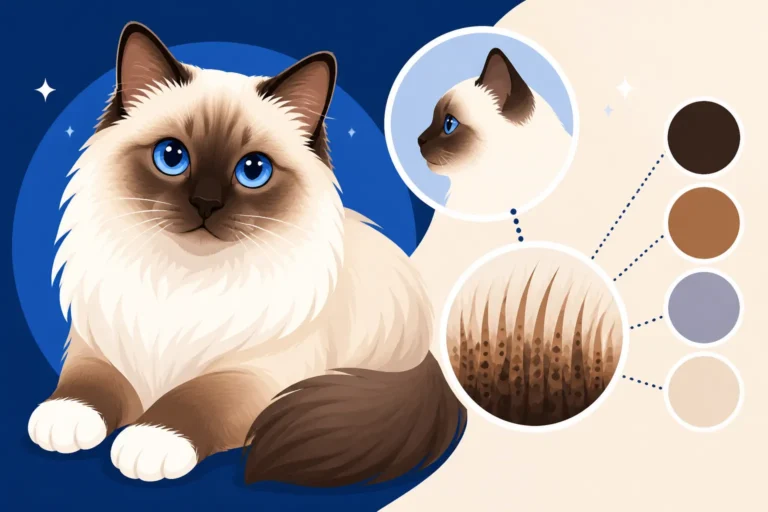
Let's be honest, who doesn't love a good origin story? The Birman certainly has one, wrapped in the mystical legend of the Temple of Lao-Tsun. The story, which became integral to the breed's allure, speaks of a golden-eyed goddess, Tsim-Kyan-Kse, and a revered priest, Mun-Ha. When Mun-Ha was tragically killed during a temple raid, his faithful white cat, Sinh, underwent a miraculous transformation. As Sinh placed his paws on his fallen master, his white fur turned golden, his eyes sapphire blue, and his legs and tail became the distinct dark points we recognize today. Yet, his paws, touching his master, remained pure white, symbolizing purity and loyalty. This beautiful tale perfectly explains the Birman's stunning appearance – the point coloration and, most notably, the pristine white gloves and laces.
While the legend is truly captivating and plays a huge role in the breed's mystique, the real-world journey of the Birman to the Western world is a bit more grounded, though no less adventurous. The first credible accounts of Birmans arriving in Europe point to the early 20th century, specifically the year 1919. It’s said that a pair of these magnificent cats was smuggled out of Burma (modern-day Myanmar) and sent to France. Imagine the excitement, and perhaps the trepidation, of such a journey across continents, bringing these unknown, almost mythical creatures to a new land. This arrival was the critical first step in moving the Birman from an exotic rarity to a recognized breed. For more on this fascinating initial transit, check out How a Pair of Birmans Left Burma in 1919.
Early Birman Imports and Their Significance
The journey from Burma was fraught with peril, and unfortunately, not all of the original imports survived. One of the male cats is said to have perished during the long voyage to France, leaving only the pregnant female, Sita, to carry the torch of the breed. Sita, despite the hardships, eventually gave birth to a litter of kittens in France. These kittens, born on European soil, were the true genesis of the Birman breed outside of its homeland. This small group represented an incredibly narrow founder base, making every individual cat, and every subsequent breeding decision, critically important for the future of the breed.
Among these early French-born Birmans, one particular queen rose to prominence: Poupee de Madalpour. Her significance cannot be overstated, as she is widely considered a foundational queen for the entire modern Birman breed. It's truly incredible to think that almost every Birman cat walking around today can trace its lineage back to this one feline. Her robust genetics and the care taken by early French breeders to propagate her line were instrumental. Without her, and the dedicated individuals who nurtured these early Birmans, the breed as we know it might not exist. Her offspring, with their distinctive gloves and captivating blue eyes, began to capture the hearts of the French public, laying the groundwork for official recognition. If you’re curious about her specific impact, you can read more in Who Poupee de Madalpour Was.
Formalizing the Sacred Cat: The First French Registration
With the Birman's unique beauty and gentle temperament captivating early French fanciers, the natural next step was to move towards formal recognition. This wasn't just about giving the breed a name; it was about establishing a standard, ensuring purity, and allowing the breed to flourish within the structured world of pedigree cat registries.
The Name "Sacre de Birmanie" and Its Meaning
The official name bestowed upon the breed in France was "Le Chat Sacré de Birmanie," which translates beautifully to "The Sacred Cat of Burma." This name wasn't just a label; it was a conscious decision to encapsulate the breed's mystical origins and exotic allure. "Sacré" (Sacred) directly references the legends of the Burmese temples and the reverence with which these cats were held in their mythical homeland. It lent an air of ancient dignity and spiritual significance to the breed, setting it apart from other cat breeds that might simply be named after their geographical origin or physical characteristics.
Choosing this specific name also served to strengthen the narrative around the Birman. It played into the romanticism that captivated early enthusiasts, drawing people in with a story that was as enchanting as the cats themselves. It wasn't merely a cat; it was a piece of living history, a direct descendant of the temple cats, imbued with an aura of the sacred. This naming convention resonated deeply with the public and breeders alike, fostering a sense of pride and a collective commitment to preserving this unique heritage. The name itself became a badge of honor, hinting at the breed's extraordinary lineage and distinct identity. For a deeper dive into the significance, refer to What Sacre de Birmanie Means.
The Official Recognition Date and Body
The formal recognition of the Birman in France was a momentous occasion, solidifying its status as a distinct and legitimate breed. This pivotal event occurred in 1925, when the French cat registry, the Fédération Féline Française (FFF), officially granted the "Sacre de Birmanie" breed status. This recognition was not just a rubber stamp; it meant that the breed now had a defined standard, allowing for organized breeding programs and the tracking of pedigrees. It brought order to the efforts of those early breeders who had been working diligently to establish the Birman.
The FFF's decision in 1925 was crucial because it provided a framework for consistent breeding practices. Prior to this, breeding might have been more informal, driven by individual passion rather than a unified vision. With official recognition, specific physical traits, temperament, and health considerations became part of a documented standard that all breeders had to adhere to. This meant clearer goals for breeding, ensuring that the unique characteristics of the Birman – the striking blue eyes, the pointed coloration, the soft, silky coat, and especially those iconic white gloves – were consistently maintained and improved upon through generations. This official stamp of approval was the launchpad for the Birman's journey to becoming a beloved breed worldwide.
The Birman's Early Years in France: Building the Foundation
Once officially recognized, the real work of establishing a consistent and healthy breed began in earnest. The early French breeders faced the challenge of taking a small, almost bottlenecked gene pool and expanding it, all while adhering to the newly defined standard of the "Sacre de Birmanie." It was a delicate balance of careful selection and passionate dedication.
Establishing the Breed Standard and Characteristics
The 1925 recognition came with the establishment of a breed standard, which acted as a blueprint for what a perfect Birman should look like and how it should behave. This standard meticulously described every aspect of the cat, from the shape of its head and ears to the texture of its coat and the depth of its blue eyes. Of course, the iconic white gloves and laces were paramount. Breeders strived for perfectly symmetrical gloves on the front paws, ending in a straight line, and white "laces" running up the back of the hind legs, ideally ending in an inverted "V" shape. Achieving this level of perfection was (and still is!) incredibly difficult, but it became the driving goal for early Birman enthusiasts.
The challenges were immense. With such a limited number of founding cats, genetic diversity was a concern. Breeders had to make careful choices, navigating potential inbreeding while trying to fix desirable traits. This meant constantly assessing kittens for conformation to the standard, patiently waiting for the point coloration and gloves to fully develop, which can take months. They weren't just breeding beautiful cats; they were safeguarding a precious genetic heritage. This foundational work laid the groundwork for the future of the breed, ensuring that the distinctive Birman look, from its strong, medium-sized body to its docile temperament, would be preserved. If you've ever wondered how breeders judge those complex paw markings, take a look at How a Breeder Judges a Birman Kitten's Gloves.
Early Breeders and Catteries
The success of the Birman in its early years in France was largely due to the tireless efforts of a small, dedicated group of breeders. These individuals were not just hobbyists; they were pioneers, deeply committed to the propagation and perfection of this new and exotic breed. They carefully managed their breeding lines, meticulously recording pedigrees and striving to produce kittens that met the exacting new standard. Their catteries became the nurseries for the next generations of Birmans, each litter a step forward in cementing the breed's presence.
While specific cattery names from that era can be hard to pinpoint with absolute certainty across all historical records, the collective passion of these early French fanciers was undeniable. They shared knowledge, celebrated successes, and worked together to overcome the challenges inherent in establishing a rare breed. These breeders understood that they were custodians of something unique, and their dedication ensured that the Birman not only survived but began to thrive. They were the ones who truly introduced the "Sacre de Birmanie" to the wider European cat fancy, often traveling to show their cats and educate others about their charms. This foundational network of breeders was essential for the Birman to gain traction and spread beyond France's borders. And just like those early breeders sought the best for their cats, today's Birman owners often turn to trusted sources like Chewy for high-quality food, litter, and toys that meet the specific needs of their beloved felines.
Pre-War Popularity and the Looming Threat
The Birman, with its captivating origin story and undeniably beautiful appearance, quickly found a passionate following beyond its initial French fanciers. Its calm, affectionate nature made it an ideal companion, and its striking looks drew admiration wherever it was shown.
Growing Interest and European Spread
Once the Birman was officially recognized by the Fédération Féline Française in 1925, its popularity began to steadily grow. The romantic tales of its Burmese origins, combined with its gentle demeanor and stunning aesthetic, quickly captivated cat lovers not only in France but across Europe. Exhibitions played a crucial role, allowing the public to see these "sacred cats" firsthand. People were enchanted by their deep blue eyes, their luxurious, silky coats that somehow resisted matting more than other longhairs, and of course, those pristine white gloves.
News of this magnificent new breed spread, and soon, Birman kittens were finding homes beyond France's borders. Breeders in other European countries, keen to establish their own lines, began importing the French-bred Birmans. Countries like Germany and Britain were among the first to introduce the breed, building upon the foundational work done by the French. This early spread was organic, driven by the sheer appeal of the Birman. It wasn't a hard sell; the cats spoke for themselves. This period marked a hopeful expansion for the breed, hinting at a bright future where the Birman would become a cherished companion in many homes.
The Impact of World War II on the Birman Population
Just as the Birman was gaining momentum and establishing a foothold across Europe, a devastating global conflict loomed: World War II. The war brought unimaginable disruption to daily life, and the world of pedigree cat breeding was certainly not spared. Breeding programs were severely impacted as resources became scarce, travel became dangerous, and simply keeping animals fed and safe became a monumental challenge. Many catteries had to close, and planned matings were put on hold indefinitely.
The impact on the Birman population was particularly catastrophic, primarily because the breed already had such a narrow genetic base. Unlike more common breeds that might have had widespread populations, the Birman's numbers were still relatively small and concentrated. The war led to a drastic reduction in numbers, pushing the "Sacre de Birmanie" to the brink of extinction. It's a stark reminder of how fragile a newly established breed can be in the face of widespread upheaval. Reports suggest that by the end of the war, only a handful of Birmans were left alive, primarily in France. This near-total loss necessitated an incredible effort to rebuild the breed from scratch, a story of dedication and resilience that is truly inspiring. The challenges they faced were immense, and it’s sobering to consider How Many Birmans Survived the Second World War.
The Birman's Legacy: A Testament to French Dedication
The period immediately following World War II was a desperate time for the Birman. With the breed teetering on the edge of extinction, it took extraordinary dedication and resourcefulness to bring it back from the brink. The foresight and efforts of those who cherished the "Sacre de Birmanie" truly saved it.
Rebuilding Efforts Post-War
The situation for the Birman post-World War II was dire, with the breed facing near extinction. It’s widely believed that only two Birman cats, a pair named Orloff and Xenia de Kaabaa, were crucial in rebuilding the entire breed population. Imagine the immense pressure on these two cats and their owners to ensure the future of an entire lineage! To widen the gene pool and prevent the catastrophic effects of extreme inbreeding, a difficult but necessary decision was made: outcrossing. This involved carefully breeding the remaining Birmans with other cat breeds, primarily Persians and Siamese, which shared some phenotypic characteristics.
This outcrossing was a meticulous process, aimed at re-establishing genetic diversity while retaining the core Birman traits. It was a true labor of love for breeders who understood the historical significance of the "Sacre de Birmanie." They spent years selectively breeding back to the Birman standard, ensuring that the distinctive gloves, point coloration, and gentle temperament were preserved. This commitment was essential, and you can learn more about the specific reasons for this difficult decision in Why Birman Breeders Had to Outcross. The genetic legacy of these rebuilding efforts is evident in every modern Birman today, a testament to the perseverance of those post-war breeders. Just like these dedicated individuals, modern Birman owners understand the importance of quality, whether it's for their cat's health via vet visits or for their daily needs, often sourced from reputable places like Chewy.
Sustaining the "Sacre de Birmanie" Today
The legacy of that initial French registration in 1925, and the monumental rebuilding efforts after the war, continues to shape the Birman breed today. That early official recognition laid the indispensable groundwork, providing a standard and a formal structure that allowed the breed to survive and eventually flourish globally. Today, the Birman is a well-established and much-loved breed recognized by major cat registries worldwide, including the Cat Fanciers' Association (CFA) in North America, The International Cat Association (TICA), and numerous European organizations.
Modern Birman breeders continue the tradition of careful stewardship, focusing not only on maintaining the breed's iconic appearance but also on its health and temperament. They understand the importance of genetic testing for conditions that might have arisen from historical bottlenecks or outcrosses, such as HCM and PKD. Ensuring all breeding cats are clear of known genetic issues is paramount for the long-term health of the breed. This meticulous attention to detail, from pedigree tracking to health screenings, ensures that the Birman remains a vibrant and healthy breed for future generations of cat lovers. It’s a direct continuation of the dedication shown by those French pioneers who first brought the "Sacré de Birmanie" into the spotlight and formally registered its existence nearly a century ago. If you're interested in which organizations recognize them, take a look at Which Registries Recognize the Birman Today.
Today, responsible Birman breeders often provide comprehensive health guarantees and meticulous records, giving new owners peace of mind. And for ongoing care, products found on platforms like Chewy help maintain their luxurious coats, dental health, and overall well-being.
| Key Milestone | Year | Description | Significance |
|---|---|---|---|
| First Birman Imports | ~1919 | Pair of Birmans (Sita + male) reportedly brought to France from Burma. Male dies, Sita is pregnant. | Genesis of the breed in Europe, establishing a crucial, albeit narrow, founder base. |
| Birth of Poupee de Madalpour | Early 1920s | Prolific founding queen born in France from Sita's litter. | Her lineage became fundamental to nearly all modern Birmans, critical for breed consistency. |
| French Registration | 1925 | The Fédération Féline Française (FFF) officially recognized "Le Chat Sacré de Birmanie." | Formal establishment of the breed, creation of a standard, and framework for organized breeding. |
| Pre-WWII Spread | 1925-1939 | Birman popularity grows in France and spreads to other European countries like Germany and Britain. | Initial expansion of the breed's presence beyond its country of establishment. |
| World War II | 1939-1945 | Devastating impact on the breed, leading to near extinction with only a few survivors (e.g., Orloff & Xenia). | Highlighted the fragility of the breed and necessitated extensive post-war rebuilding efforts through outcrossing. |
| Post-War Rebuilding | 1945 onwards | Dedicated breeders used remaining Birmans and careful outcrossing (Persian, Siamese) to revive the breed. | Ensured the survival and genetic health of the Birman, retaining its distinct characteristics. |
Disclaimer
This article is for general informational purposes only and does not constitute professional advice. Laws, prices and regulations vary by location and change over time. Consult a qualified professional for guidance on your specific situation.