Why a Birman’s Coat Needs Fat in the Diet
It’s heartbreaking to see your beautiful Birman’s silky coat start to look dull, perhaps even a bit flaky, when you know you’re doing your best to care for them. Many devoted Birman parents struggle with keeping that luxurious, single coat pristine, often overlooking a crucial element in their feline friend's diet. This guide will dive deep into why healthy fats are absolutely essential for maintaining your Birman's stunning fur and vibrant skin, and how to ensure they're getting exactly what they need.
The Foundation of a Birman's Glorious Coat
When you run your hand through a Birman's fur, you're immediately struck by its unique, almost ethereal silkiness. This isn't by accident; it's a hallmark of the breed, a testament to its genetic makeup. Understanding what makes their coat so special is the first step in appreciating why specific nutritional components, like fats, play such a vital role in its health.
Understanding the Birman's Unique Single Coat
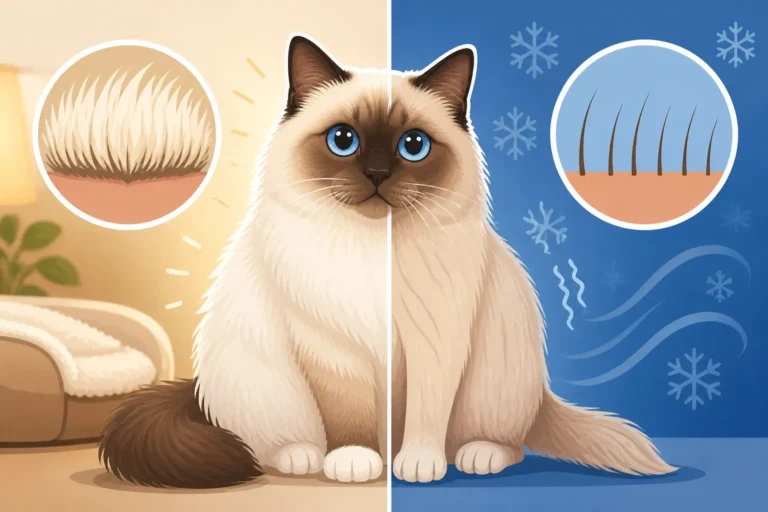
Unlike many other long-haired breeds, the Birman possesses a single coat, meaning it lacks a dense undercoat. This distinctive feature is precisely what gives it that flowing, non-matting quality that owners adore. You’ll notice when you comb them how the hairs just seem to glide through your fingers, which is vastly different from the woolly texture you might find on a Persian, for instance. This absence of a thick undercoat is often cited as a reason why No Undercoat Is What Makes a Birman Easy to Groom – a huge plus for busy households! However, this single layer doesn't make it less demanding in terms of internal nourishment. Each individual strand of that long, fine hair needs to be strong, supple, and well-hydrated from the inside out to maintain its luster and resist breakage.
Because their coat lacks the insulating density of an undercoat, the quality of the outer guard hairs becomes even more paramount. These hairs are your Birman's first line of defense against environmental factors, and their health is a direct reflection of their diet. If these hairs become brittle or dry, not only does the aesthetic appeal diminish, but their protective function is also compromised, potentially leading to increased skin irritation or sensitivity. It's a fine balance, and the right nutrients are key to supporting this unique coat structure.
Beyond the Fluff: What a Healthy Coat Really Means
A truly healthy Birman coat isn't just about looking good; it's a significant indicator of overall well-being. When we talk about a healthy coat, we're envisioning fur that is soft, shiny, and resilient, coupled with supple, clear skin beneath. It should have a natural sheen without feeling greasy or dry, and you shouldn't see excessive shedding or dandruff. For Birman owners, this also means those iconic white 'gloves' remain clean and bright, and the 'points' (ears, face, paws, tail) are a rich, even color.
Beyond the visible aspects, a healthy coat implies strong hair follicles and a robust skin barrier. The skin itself is the largest organ and acts as a crucial protective shield against pathogens and environmental irritants. When your Birman's coat appears lackluster, or their skin is dry, itchy, or prone to flaking, it's often a sign that something is amiss internally, rather than just a cosmetic issue. The coat and skin are, in essence, a mirror reflecting the internal health of your cherished companion.
The Essential Role of Dietary Fats
Now that we appreciate the unique qualities of a Birman's coat and what true coat health entails, let's zoom in on one of the most powerful dietary allies: fats. Often misunderstood or even feared in human diets, fats are absolutely non-negotiable for cats, especially when it comes to the integrity of their skin and the magnificent sheen of their fur.
Not All Fats Are Created Equal
When we talk about "fats" in your Birman's diet, we're not just lumping all lipids into one category. Just as with human nutrition, there's a vast difference between different types of dietary fats, and their impact on your cat's health can vary wildly. Some fats are primarily energy sources, easily broken down for fuel, while others possess unique biological properties that are crucial for specific bodily functions, including skin and coat health. Think of it like this: a calorie is a calorie, but the source of that calorie can make all the difference in terms of nutrient delivery and systemic benefits.
For your Birman's coat, we're primarily concerned with high-quality, digestible fats that provide both energy and essential fatty acids. These are the fats found in animal proteins, certain plant oils, and specifically formulated supplements. Avoid highly processed, low-quality fats often found in cheap, filler-heavy cat foods, as these offer little nutritional value for skin and coat and can even cause digestive upset. The goal isn't just any fat, but the right kind of fat to nourish those luxurious strands and the skin underneath.
Why Essential Fatty Acids Are "Essential"
The term "essential fatty acids" isn't just marketing jargon; it means these fats are absolutely vital for your Birman's health, but their body cannot produce them on its own. They must be obtained through diet. For cats, two families of fatty acids are particularly critical: Omega-3s and Omega-6s. These aren't just energy providers; they are fundamental building blocks for healthy cells throughout the body, playing key roles in everything from brain function to immune response, and yes, the health of their skin and coat.
Without an adequate supply of these essential fatty acids, your Birman's body simply cannot function optimally. Cell membranes become less pliable, skin loses its protective barrier, and hair follicles struggle to produce strong, healthy strands. You might start to notice symptoms like dry, flaky skin, a dull coat, increased shedding, or even persistent itching and irritation. It's a clear signal that their internal system is missing these crucial components, and no amount of external grooming will truly fix a deficiency that starts from within. This is why Why Omega Oils Matter for a Birman's Coat is such a critical topic for every Birman owner.
Specific Fats for Birman Coat Health
Now, let's get into the specifics of which essential fatty acids are the true heroes for your Birman's coat, and why understanding their individual roles can empower you to make better dietary choices.
Omega-3s: The Anti-Inflammatory Powerhouses
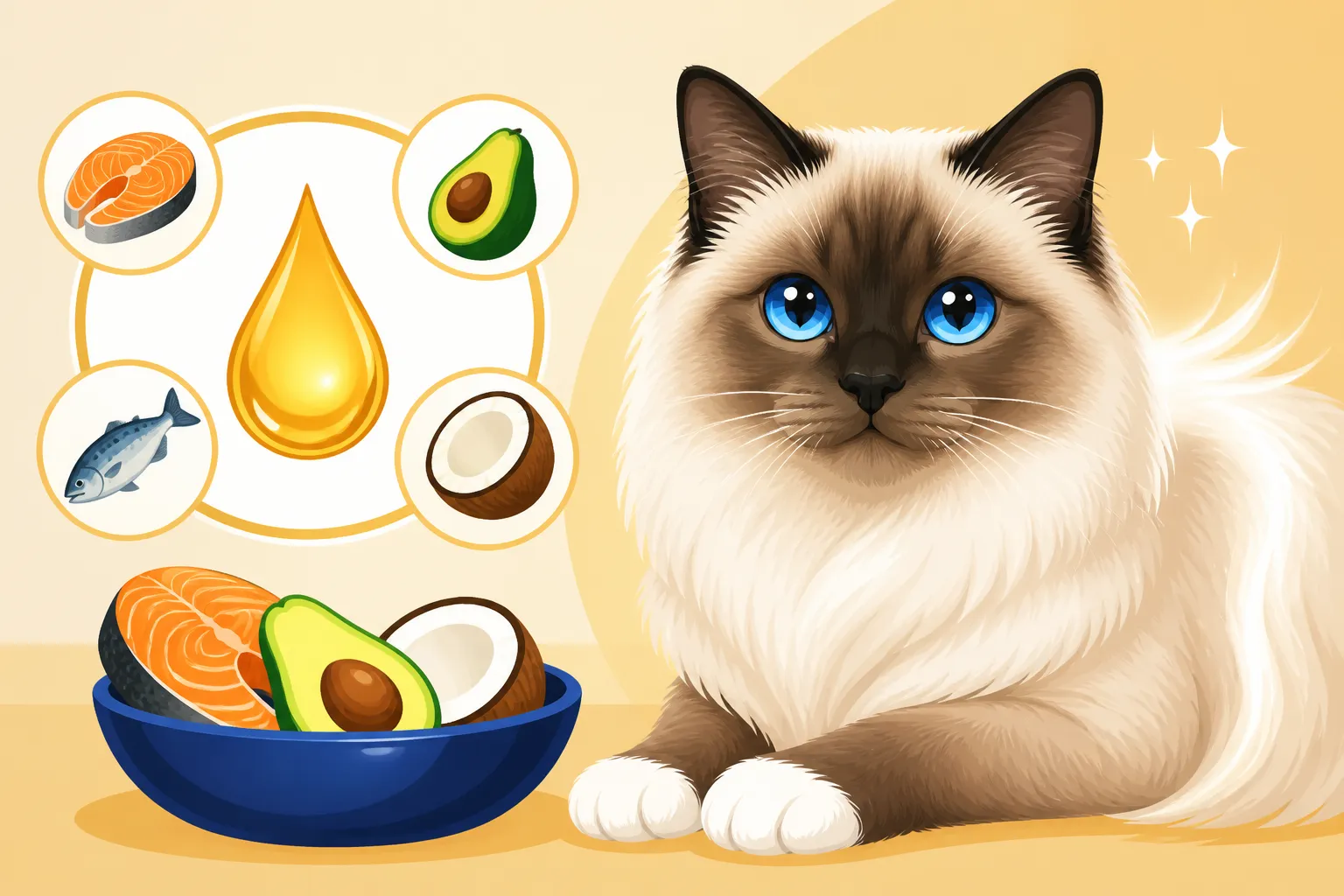
When it comes to superstar fats for feline health, Omega-3 fatty acids often take center stage, particularly for their potent anti-inflammatory properties. The most beneficial Omega-3s for cats are EPA (eicosapentaenoic acid) and DHA (docosahexaenoic acid), which are primarily found in cold-water fish oils. These remarkable compounds work at a cellular level to help reduce inflammation throughout the body, which can manifest as itchy skin, allergies, and even joint pain. For a Birman, whose magnificent coat is so susceptible to environmental irritants and internal imbalances, a steady supply of Omega-3s can make a world of difference.
Imagine your Birman's skin and coat as a finely tuned ecosystem. When inflammation flares up, perhaps due to a mild allergy or environmental factor, it can lead to dryness, itchiness, and poor hair quality. Omega-3s act as a soothing balm from the inside, calming the inflammatory response and supporting the skin's natural barrier function. This means less scratching, healthier skin cells, and ultimately, a more lustrous, resilient coat that truly lives up to the Birman standard. Many owners notice a dramatic improvement in their cat’s coat sheen and a reduction in flakiness once adequate Omega-3s are introduced.
Omega-6s: Building Blocks for Skin and Fur
While Omega-3s get a lot of press for their anti-inflammatory benefits, Omega-6 fatty acids are equally vital, though they play a slightly different role. The most important Omega-6 for cats is linoleic acid, which is found in various plant oils (like sunflower or safflower oil) and animal fats. Unlike Omega-3s, which are often deficient in commercial cat foods, Omega-6s are typically more abundant in modern pet diets. However, it’s not just about the amount of Omega-6s, but the balance between Omega-6s and Omega-3s.
Omega-6s are crucial for maintaining the integrity of the skin barrier, forming a protective layer that keeps moisture in and irritants out. They also play a significant role in normal cell growth and regeneration, which is fundamental for continuously producing new, healthy hair strands. A deficiency in linoleic acid can lead to dry, scaly skin, a brittle coat, and even increased susceptibility to skin infections. While it's rarer to see an Omega-6 deficiency than an Omega-3 one, an imbalanced ratio (too many Omega-6s relative to Omega-3s) can actually promote inflammation. The key is to ensure a healthy ratio, where both are present in optimal amounts to support vibrant skin and a truly What Makes a Birman's Coat Silky Rather Than Woolly.
Recognizing Fat Deficiency in Your Birman's Coat
Sometimes, the signs of a nutritional deficiency are subtle, but with a Birman's distinctive coat, a lack of essential fats can become quite noticeable. Learning to spot these warning signs early can save your beloved feline friend from prolonged discomfort and help restore their magnificent appearance.
Telltale Signs of a Dull or Damaged Coat
The most obvious indicator of insufficient fat intake in your Birman is a deterioration of their coat's quality. Instead of the expected luxurious silkiness, you might start to see a dull, lackluster appearance, almost as if the fur has lost its natural sheen and vibrancy. The color of their 'points' might appear less rich, and the overall impression is one of a coat that just looks "unhealthy." This isn't just about aesthetics; a dull coat often means the hair shafts themselves are weaker and more prone to breakage.
Along with dullness, you might notice increased shedding beyond what's typical for your Birman, or even brittle hair that breaks off easily. The coat might feel coarser or drier to the touch, rather than flowing smoothly through your fingers. Flakiness or dandruff, especially along the back and at the base of the tail, is another common symptom, indicating dry, irritated skin underneath. If you find yourself needing to Combing a Birman Three Times a Week more vigorously just to manage dryness or minor tangles, it's definitely time to assess their diet's fat content.
Beyond the Coat: Other Signs of Insufficient Fat Intake
While the coat is often the first place we notice issues, a chronic deficiency in essential fatty acids can manifest in other ways that speak to your Birman's overall health. Dry, cracked paw pads can be a subtle but clear sign, as healthy fats are crucial for maintaining skin integrity throughout the body. You might also observe excessive scratching, even without visible fleas or parasites, suggesting underlying skin irritation or allergies that Omega-3s would typically help to soothe.
In more severe or prolonged cases, a deficiency can impact their immune system, leading to a higher susceptibility to infections or a longer recovery time from illness. Essential fatty acids also play a role in joint health, and while a Birman isn't known for being hyperactive, an older cat might experience more stiffness or discomfort if their diet is lacking. Even subtle changes in energy levels or a general "unthrifty" appearance could point to a broader nutritional imbalance, with fat deficiency being a primary suspect.
How to Incorporate Healthy Fats into Your Birman's Diet
Once you've identified the potential need for more healthy fats, the next step is to thoughtfully integrate them into your Birman's diet. This isn't about simply adding random oils; it's about choosing quality sources and ensuring proper balance.
Choosing the Right Cat Food
The foundation of any good diet for your Birman is a high-quality, nutritionally complete cat food. Look for foods where animal-based protein is the first ingredient, and where the fat sources are clearly identified and derived from healthy origins. Many premium cat food brands explicitly list Omega-3 and Omega-6 content, often ensuring a balanced ratio. For Birmans, because of their What a Birman's Long Rectangular Frame Should Weigh, a diet that supports lean muscle mass while providing rich coat nutrients is ideal.
When selecting kibble or wet food, scrutinize the ingredient list. Reputable brands often include fish oils (like salmon oil or sardine oil) or flaxseed in their formulas to boost Omega-3s. If you're considering a fresh food diet, options featuring whole meats and organs naturally contain a good spectrum of healthy fats, but it's always wise to ensure the formulation is balanced for feline needs. Don't hesitate to contact the food manufacturer directly if you have questions about their fat sources or fatty acid ratios.
Safe and Effective Supplementation
Even with a high-quality cat food, some Birmans may benefit from additional supplementation, especially if they are experiencing coat issues. Fish oil supplements, rich in EPA and DHA, are a popular and effective choice. When choosing a supplement, look for those specifically formulated for pets, which are purified to remove heavy metals and other contaminants. Many owners find these available readily on platforms like Amazon or Chewy, making them easy to acquire.
| Fat Type | Primary Benefit for Birman Coat | Common Dietary Sources |
|---|---|---|
| Omega-3 (EPA) | Anti-inflammatory, reduces itchiness, boosts shine | Fish oil (salmon, sardine), krill oil |
| Omega-3 (DHA) | Supports skin cell health, cognitive function | Fish oil (salmon, sardine), algal oil |
| Omega-6 (LA) | Maintains skin barrier, supports hair growth | Chicken fat, sunflower oil, safflower oil |
| Omega-9 | Energy, general cell health (non-essential) | Olive oil, avocado oil (use sparingly) |
Always introduce any new supplement gradually and at the recommended dosage. Too much of a good thing can sometimes lead to digestive upset or, in the case of certain vitamins found in some fish oils, hypervitaminosis. A general guideline is often to start with half the recommended dose for a few days, then gradually increase. Consulting with your veterinarian is always a wise first step before adding any new supplement, as they can help determine the appropriate dosage for your Birman's specific needs and health status.
Balancing Act: Avoiding Too Much or Too Little
Just like any essential nutrient, the key to healthy fats in your Birman's diet lies in balance. Both too little and too much can lead to problems, so understanding the fine line is crucial for their long-term well-being.
The Dangers of Excess Fat
While fats are vital, it's absolutely possible for your Birman to get too much, and this can lead to its own set of problems. The most immediate and common issue with excess fat intake is weight gain. Birmans have a lovely How Long a Birman Is Nose to Tail and a sturdy build, but they can easily become overweight if fed too many calories, especially from calorie-dense fats. Obesity in cats, just like in humans, can lead to serious health concerns, including diabetes, joint problems, and an increased risk of Why Rapid Weight Loss Gives a Birman Fatty Liver if they suddenly stop eating.
Beyond weight gain, an excessively high-fat diet can sometimes cause digestive upset, leading to diarrhea or vomiting, particularly if the fats are not easily digestible or introduced too quickly. In very rare cases, extremely high-fat diets, especially those heavy in certain types of animal fats, can contribute to pancreatitis in susceptible individuals, although this is more commonly associated with dogs. The goal is optimal fat intake, not maximal. If you're giving a supplement, remember to account for those calories in their daily allowance to prevent accidental overfeeding.
Regular Vet Check-ups and Monitoring
The best way to ensure your Birman is getting the right amount and type of fats, and indeed, all nutrients, is through regular veterinary check-ups. Your vet can assess your cat's overall body condition, coat quality, and discuss any changes you've observed. They can also help you evaluate your Birman's current diet and recommend adjustments or specific supplements based on their age, activity level, and any underlying health conditions.
It's helpful to keep a record of your Birman's weight and any coat changes you notice. Does their fur seem silkier after a few weeks on a new supplement? Has the flakiness disappeared? These observations, combined with professional guidance, form the most effective strategy for maintaining your Birman's health and that magnificent coat. A proactive approach to nutrition, grounded in knowledge and supported by your vet, will keep your Birman looking and feeling their best for years to come.
Disclaimer
This article is for general informational purposes only and does not constitute professional advice. Laws, prices and regulations vary by location and change over time. Consult a qualified professional for guidance on your specific situation.