Why a Covered Box Traps Litter in a Birman’s Coat
It’s a common scenario: you want to keep your home tidy and control those inevitable litter box odors, so you opt for a covered litter box. It seems like a brilliant solution for a clean house, but if you share your life with a beautiful Birman, you might quickly find that what seems like a helpful choice actually creates a whole new set of problems. This guide will walk you through exactly why those covered boxes become a literal trap for litter in your Birman's luxurious coat and what you can do about it.
The Birman's Unique Coat: A Magnet for Litter
Your Birman's coat is truly a thing of beauty – long, silky, and often described as feeling like spun silk. But this very characteristic, while lovely to touch, is precisely what makes them uniquely susceptible to picking up and holding onto litter particles, especially in the confines of a covered box.
The Single Coat Advantage (and Disadvantage)
Unlike many other long-haired breeds that boast a dense, woolly undercoat, Birmans have a single coat. This is often heralded as a grooming advantage, meaning fewer mats and less shedding compared to, say, a Persian. And it's true, in many ways, it makes daily life with a Birman wonderfully manageable. No Undercoat Is What Makes a Birman Easy to Groom is a topic many Birman parents find comforting. However, this silky, fine texture, especially around their britches and tail plume, has a higher static charge than a coarser, multi-layered coat. It literally acts like a magnet for lightweight, dusty litter particles.
Imagine walking through a room after scuffing your feet on carpet, and then touching something. That little static shock? Your Birman's fur experiences something similar, only it's constantly interacting with tiny, dry litter granules. The fine hairs pick up and cling to these particles with an almost tenacious grip, which isn't always the case for cats with a thicker, oilier undercoat.
Long Hairs and Delicate "Gloves"
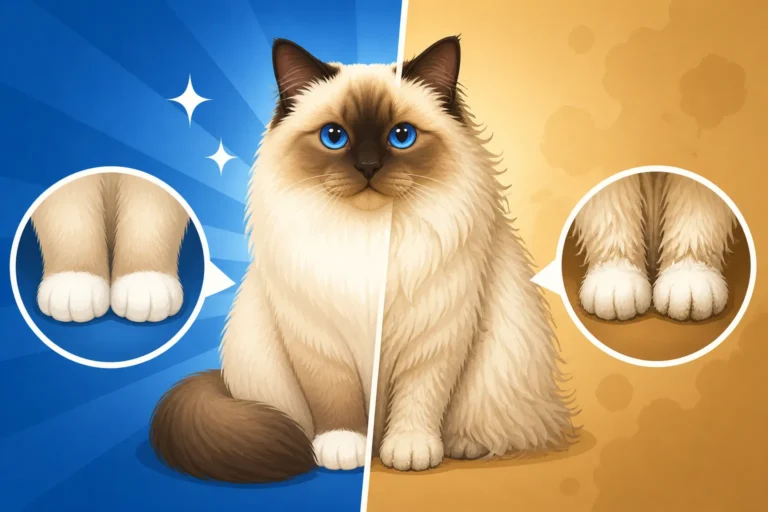
Birmans are renowned for their distinct white "gloves" and "laces" on their paws, a defining feature that breeders work hard to perfect. These delicate white areas, however, are often the first casualty when litter starts clinging. Their longer fur around the paws and lower legs means a greater surface area for litter to attach to. Every time they step into the box, especially if it's a covered one that forces them to brush against the interior walls, those pristine white areas become a canvas for dust and stuck-on particles. Keeping a Birman's White Gloves White becomes a daily battle if the litter box environment isn't right.
Think about how challenging it is to keep white socks clean, even in a spotless house. Now imagine those white socks are covered in super fine, electrostatically charged fur, and your Birman is using them to dig around in a box of absorbent granules multiple times a day. The problem becomes immediately clear. The fine, fluffy fur between their paw pads, combined with the longer fur on their lower legs, provides ample opportunity for even the finest dust to become embedded.
How Covered Boxes Exacerbate the Problem
You chose a covered litter box for good reasons: privacy for your cat, odor control, and less tracking. But for a Birman, these very features can turn the box into a literal dust and litter trap for their coat.
The Confined, Dusty Environment
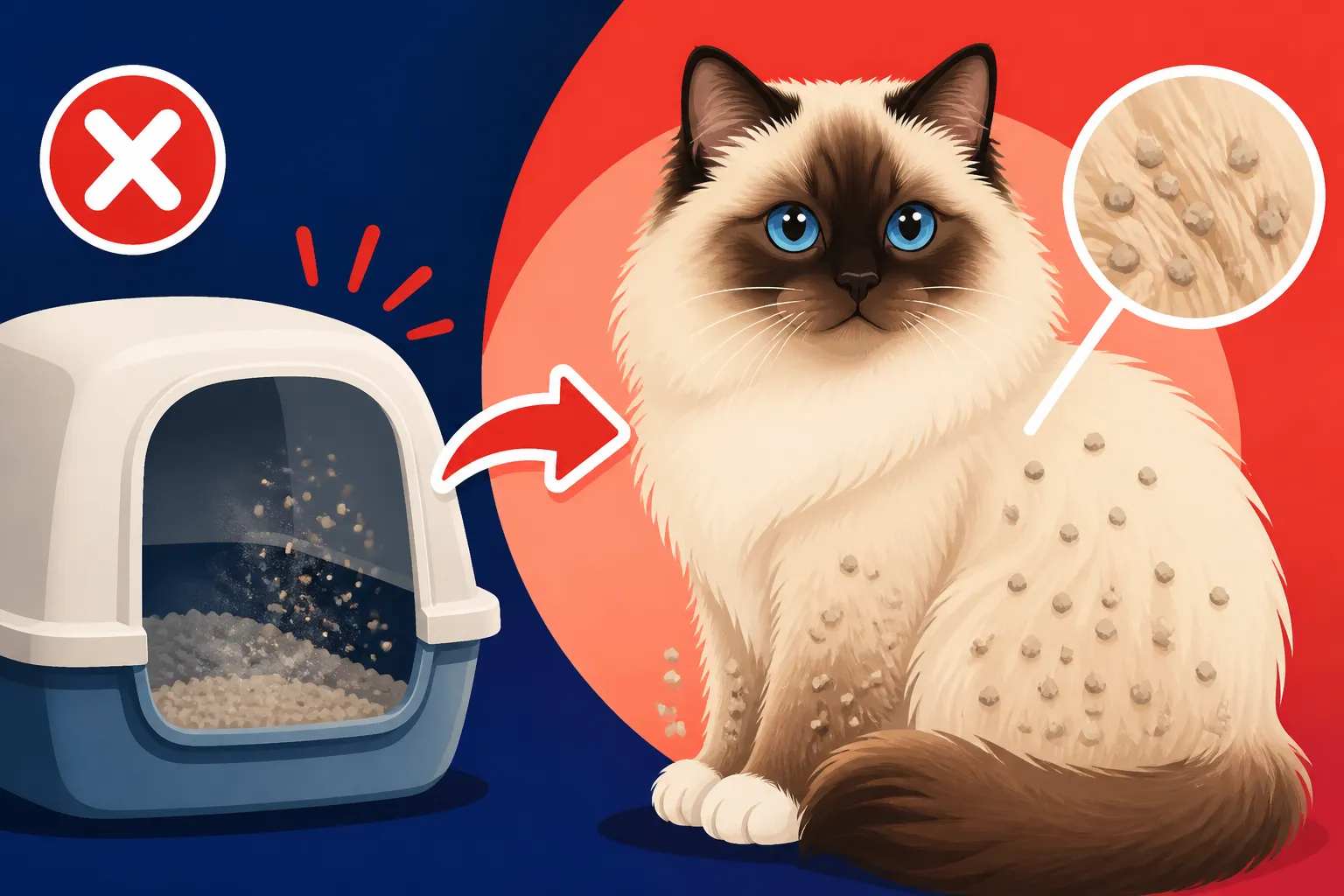
A covered litter box, by its very design, creates a more confined space. While this is great for trapping odors, it also traps dust. When your Birman digs, kicks, and covers their waste, tiny particles of litter are released into the air within that enclosed dome. Instead of dissipating into a larger room, this dusty air is forced to circulate within the smaller space. Your Birman is essentially taking a dust bath every time they use the litter box.
This isn't just unpleasant; it means their coat, which as we discussed, already has a propensity for static cling, is constantly being bombarded with these loose particles. The dust settles on their fur, gets worked into the longer hairs, and becomes almost impossible to shake off completely within the box itself. It clings to their belly, their britches, and even their tail as they move around in the box.
Rubbing and Brushing Against Surfaces
When your Birman enters, turns around, digs, and exits a covered litter box, their long fur inevitably brushes against the plastic walls and ceiling of the cover. This constant friction isn't just a casual rub; it's actively pressing any airborne or surface-level litter particles deeper into their coat. It’s like using a sandpaper block to try and clean a fluffy blanket – you're just grinding the dirt further in.
This becomes especially problematic around the legs, belly, and tail, areas where a Birman's fur is often longest and most prone to tangles. The very act of maneuvering within the limited space of a covered box forces their coat to come into contact with litter-laden surfaces, essentially "applying" the litter directly to their fur. Owners often notice litter clinging stubbornly to these areas, leading to increased grooming time and potential discomfort for the cat. Why a Birman's Coat Carries Litter Out of the Box is a common frustration, and covered boxes unfortunately amplify it.
Odor and Moisture Trapping
While covered boxes are great for human noses, they can also trap moisture and odors inside the box, against your cat's fur. If a Birman steps in soiled litter, the enclosed environment means those damp particles, laden with odor, are more likely to cling and remain embedded in their fur rather than drying quickly or falling off. This can lead to persistent smells on their coat, even after they've left the box.
Furthermore, the trapped humidity can make existing litter particles stick even more firmly, acting like a light adhesive. This combination of trapped dust, friction, and potential moisture makes covered litter boxes a recipe for coat issues specific to our lovely Birmans.
Health and Hygiene Impacts of Litter-Trapped Fur
It’s not just about aesthetics or a bit of extra grooming. When litter consistently gets trapped in your Birman’s coat, it can lead to a host of health and hygiene issues that affect their comfort and well-being.
Skin Irritation and Mats
Litter particles, especially the fine, dusty ones, can be quite abrasive. When these particles get repeatedly rubbed into your Birman's delicate skin by their own movement or grooming, it can cause irritation, redness, and even minor abrasions. Imagine constantly having tiny grit against your skin – it’s not pleasant. This is particularly true for cats with sensitive skin, or if the litter contains perfumes or harsh chemicals.
Beyond skin irritation, the constant presence of litter in the fur significantly increases the risk of matting. Those fine particles act as tiny anchor points, snagging hairs and causing them to tangle together, especially in the longer, softer areas like the britches, tail, and around the "ruff" on their chest. Mats aren't just unsightly; they can be incredibly painful, pulling on the skin and becoming a breeding ground for bacteria or even parasites. Where a Birman's Few Mats Form often correlates with areas exposed to litter.
Ingestion During Grooming
Birmans are fastidious groomers, spending a good portion of their day keeping their silky coats pristine. It’s a natural cat behavior. However, when their fur is consistently covered in litter particles, this otherwise beneficial habit turns into a potential problem. Every lick they take to clean themselves means ingesting those litter particles.
While a small amount might pass through their system without issue, regular ingestion can lead to digestive upset, constipation, or, in more severe cases, intestinal blockages, especially if they are ingesting clumping clay litter. The chemicals and ingredients in some litters are simply not meant to be consumed. This hidden danger is often overlooked, but it's a serious consideration for any Birman owner using a covered box with dusty litter.
The "Yellow Glove" Problem
This is a specific frustration for Birman owners. As we mentioned, their pure white "gloves" are a hallmark of the breed. But when these white paws are constantly exposed to dust and urine/feces residue within a covered, humid environment, they can become discolored. The litter dust, combined with tiny amounts of moisture or residue, can stain the white fur, giving it a yellowish or dingy appearance that is incredibly hard to wash out completely.
It takes consistent effort to Keep a Birman's White Gloves White, and a covered box actively works against you. The aesthetic impact is one thing, but it also indicates a level of trapped grime that isn't ideal for hygiene.
Moving Towards a Cleaner, Healthier Litter Box Solution
So, if covered litter boxes are problematic for your Birman, what are the alternatives? The good news is there are several simple yet effective changes you can make to ensure their comfort and cleanliness.
Open-Top Litter Boxes: Giving Them Space
The most straightforward solution is to switch to an open-top litter box. This immediately eliminates the confined, dusty environment and the rubbing against plastic surfaces. With an open box, dust dissipates more easily into the room's air, rather than concentrating around your cat. This means less litter settling on their coat and paws.
When choosing an open box, look for one with high sides to help contain kicking and spraying, but without a lid. You can find excellent options on sites like Chewy that offer both deep sides and easy access. Some designs even have a lowered entryway for older cats or those with mobility issues, while still offering ample height around the perimeter.
Here's a quick comparison:
| Feature | Covered Litter Box (for Birmans) | Open Litter Box (for Birmans) |
|---|---|---|
| Litter Trapping | High (static cling, friction, trapped dust) | Low (less friction, dust dissipates) |
| Coat Hygiene | Poor (mats, irritation, ingestion risk) | Good (cleaner fur, less ingestion) |
| Odor Control | Good (traps odors inside) | Moderate (may require more frequent scooping) |
| Tracking | Moderate (litter exits on fur/paws) | Moderate (can track, but often less fine dust) |
| Cat Comfort | Can be stressful, confined, dusty | Preferred by many cats, open, airy |
| Cleaning | Can be cumbersome to remove lid, clean corners | Generally easier to scoop and clean |
The Right Litter Makes All the Difference
Beyond the box itself, the type of litter you use is paramount. For Birmans, low-dust, finely textured litters are the enemy. Instead, opt for litters that are:
- Low Dust: This is critical. Less dust means less to cling to their fur and less for them to inhale or ingest. Many brands now explicitly label their litters as "99.9% dust-free," and it's worth investing in these. You can often find a good selection of low-dust options on Amazon.
- Larger Granule Size: Consider switching to litters with larger, heavier granules. These are less likely to stick to static-prone fur and are easier for your Birman to shake off their paws. Pine pellets, paper pellets, or larger clay granules can be excellent choices. These also tend to track less, which is a bonus for you!
- Unscented: Avoid heavily scented litters. The perfumes can be irritating to your Birman's sensitive respiratory system and skin, especially in a confined space. A clean box, scooped frequently, is the best odor control.
- Non-Clumping Alternatives: While clumping litter is convenient for scooping, the very mechanism that makes it clump can also make it adhere more stubbornly to wet fur. If your Birman is prone to "wet litter" issues, exploring non-clumping or alternative materials might be beneficial. Which Litter Suits a White Gloved Cat is an important consideration.
Diligent Grooming and Regular Cleaning
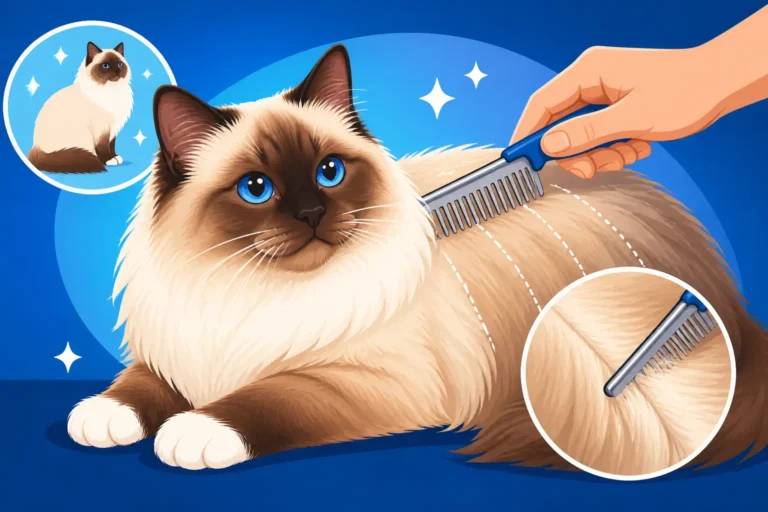
No matter what changes you make, a Birman will always benefit from consistent grooming. Make it a positive, bonding experience from kittenhood. Combing a Birman Three Times a Week with the right tools, like a wide-toothed comb, will help remove any trapped litter and prevent mats. Pay special attention to their britches, tail plume, and those precious white gloves.
Beyond grooming, maintaining immaculate litter box hygiene is crucial:
- Scoop Frequently: Ideally, scoop the litter box at least twice a day, if not more. This reduces the amount of soiled litter that can stick to your Birman's paws and coat.
- Full Litter Changes: Depending on the type of litter, aim for a full litter change and box scrub weekly or every two weeks. This prevents bacterial buildup and keeps the box fresh. How Often to Change Litter for a White Footed Cat depends on usage, but more often is always better for a Birman.
- Paw Wipes: Keep pet-safe paw wipes handy near the litter box. A quick wipe down of their paws after they exit can make a huge difference in keeping their gloves white and preventing tracking.
By understanding how your Birman's beautiful coat interacts with their litter box environment, and making a few strategic adjustments, you can ensure they stay comfortable, clean, and healthy. Your Birman will thank you for the extra thought!
Disclaimer
This article is for general informational purposes only and does not constitute professional advice. Laws, prices and regulations vary by location and change over time. Consult a qualified professional for guidance on your specific situation.