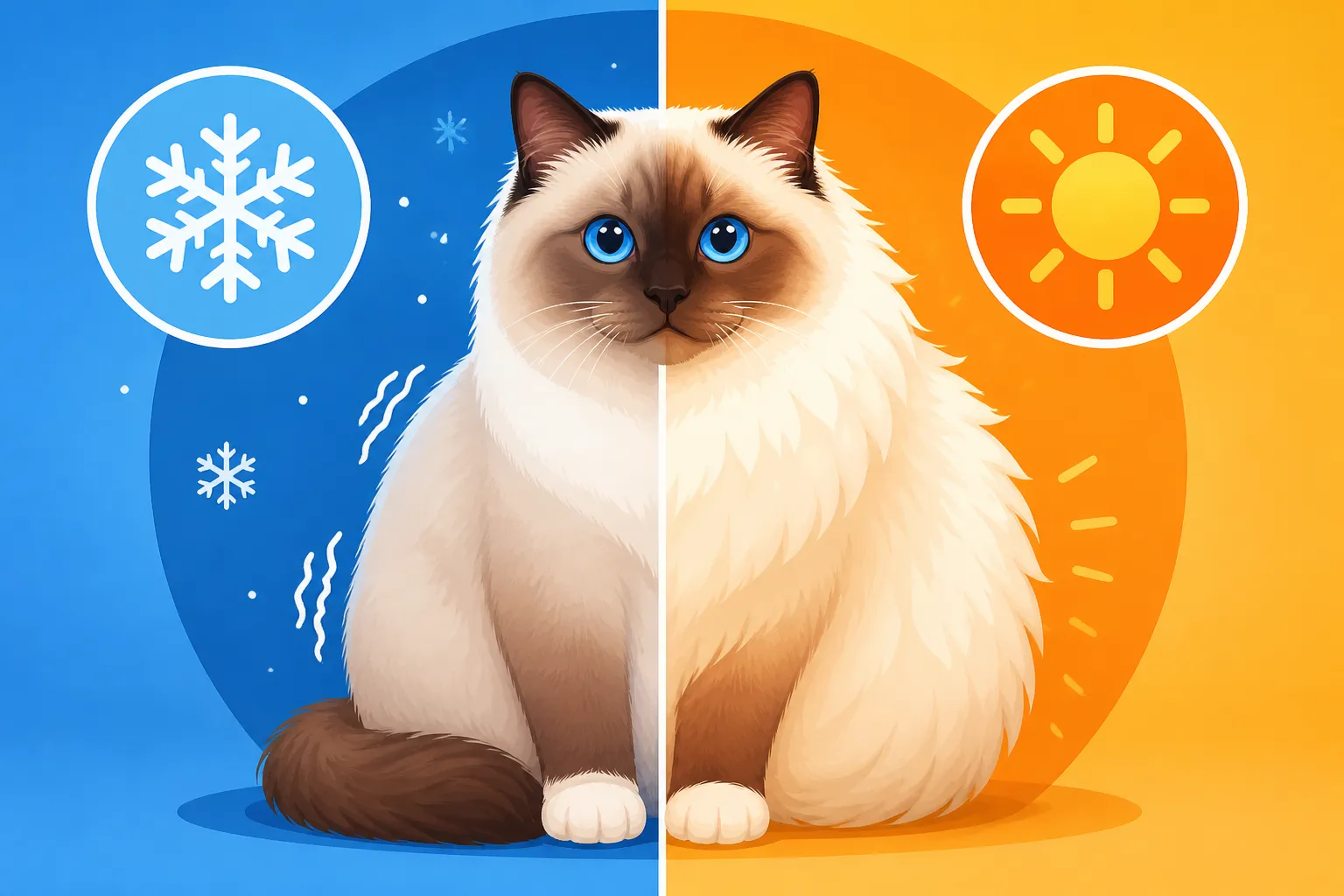
Why a Coat With No Undercoat Is Not Warm
Many people looking at a majestic Birman cat with its flowing, silky coat automatically assume that such a luxurious length of fur must keep them incredibly warm. However, this common misconception can lead to owners inadvertently leaving their beloved Birmans feeling chilly or uncomfortable, particularly during colder months or in cooler homes. This guide will delve into the unique characteristics of the Birman coat, explaining exactly why it doesn't provide the same thermal insulation as other long-haired breeds, and how you can ensure your Birman stays perfectly cozy and content.
The Unique Structure of the Birman Coat: A Deeper Look
Unlike many other long-haired cat breeds that boast a dense, woolly undercoat, the Birman possesses a single coat. This isn't just a trivial detail; it's the fundamental reason why their gorgeous fur, while beautiful to behold and wonderfully soft to the touch, isn't designed for significant warmth retention. Understanding this difference is key to providing optimal care for your Birman.
What "No Undercoat" Really Means
When we talk about a cat's coat, we're typically referring to two main types of hair: guard hairs and undercoat. Guard hairs are the longer, coarser outer layer that provides protection from elements like rain and debris, and gives the coat its color and pattern. The undercoat, on the other hand, consists of shorter, softer, denser hairs that lie closer to the skin. This fluffy layer is crucial for insulation. It traps air close to the cat's body, creating a warm, insulating barrier, much like a down jacket keeps us warm by trapping air.
The Birman cat, however, is notable for having very little, if any, true undercoat. Their coat is predominantly composed of those beautiful, fine, silky guard hairs. While these hairs are long and create a lovely visual effect of volume and plushness, they lack the dense, insulating qualities of a thick undercoat. Imagine wearing a silk scarf versus a wool sweater; both might cover you, but one offers significantly more warmth. That's essentially the difference between a Birman's coat and a typical double-coated breed. What a Birman's Coat Texture Should Be is truly unique, almost like spun silk.
How This Affects Insulation
Because the Birman's coat doesn't have that thick, fluffy underlayer, it simply cannot trap as much warm air close to their body. This means that while they might look like they're bundled up in a fur coat, their natural thermal protection is far less robust than you'd expect from a cat of their stature. They don't have that built-in "thermal blanket" that breeds like Persians or Maine Coons possess. This single-layered coat is also Why a Single Coat Mats Less on a Birman, which is a grooming advantage, but it comes at the cost of warmth.
Think about a window: a single pane of glass offers some barrier against the cold, but a double-pane window with air trapped between the layers provides far superior insulation. The Birman's coat is more akin to that single pane of glass. It's beautiful, but not designed for extreme temperature regulation. This genetic trait means Birmans rely more heavily on their environment and external factors to stay warm. They aren't going to be the cat luxuriating in a chilly room, oblivious to the temperature, because their body needs more assistance to maintain core warmth.
Understanding a Birman's Thermal Needs
Given their unique coat structure, recognizing when your Birman is cold and understanding their natural preferences for warmth is incredibly important. They can't just 'fluff up' an undercoat that isn't there to fend off a chill.
Signs Your Birman Is Cold
Cats are remarkably good at hiding discomfort, a survival instinct from their wild ancestors. However, even the placid Birman will exhibit subtle signs if they are feeling too cold. If you notice your Birman is curled up tightly in a ball more often than usual, tucking their paws and tail close to their body, that’s a classic indicator they’re trying to conserve heat. Another sign is seeking out warm spots: maybe they're constantly nestled in sunbeams, perching on top of warm electronics, or burrowing under blankets or clothes. You might also find them trying to snuggle closer to you or other pets more frequently than usual, seeking body heat.
Shivering is a more obvious sign, but often only occurs when they're quite cold. Less obvious signs include a duller, more hunched posture, or a reluctance to move and play as much. Their ears or paw pads might feel cooler to the touch. Pay attention to their favorite sleeping spots; if they've abandoned a previously favored open bed for a more enclosed, insulated one, it might be a subtle cry for more warmth. How a Birman Copes With a Cold House often involves them becoming less active and seeking out hidden, warm nooks.
Ideal Indoor Environment
Since your Birman isn't equipped with a robust natural insulation system, their indoor environment needs to compensate. Generally, a comfortable room temperature for humans (around 68-75°F or 20-24°C) is usually suitable for a Birman. However, individual cats might have different preferences. It's less about setting a strict thermostat number and more about providing options.
Think about how you feel in your home. If you're walking around in a t-shirt and shorts, it's likely warm enough. If you're reaching for a sweater, your Birman is probably feeling it too. Consider drafts, especially near windows or exterior doors, as these can create cold pockets your Birman will instinctively avoid. Place their beds and favorite resting spots away from drafty areas and, if possible, in sunny spots where they can enjoy natural warmth. Areas with consistent, ambient warmth are far preferable to places that fluctuate in temperature throughout the day or night.
Practical Ways to Keep Your Birman Warm
Ensuring your Birman stays toasty and content doesn't require extreme measures, but it does mean being mindful of their unique needs. A little forethought goes a long way in making their home environment comfortable for them.
Cozy Beds and Hiding Spots
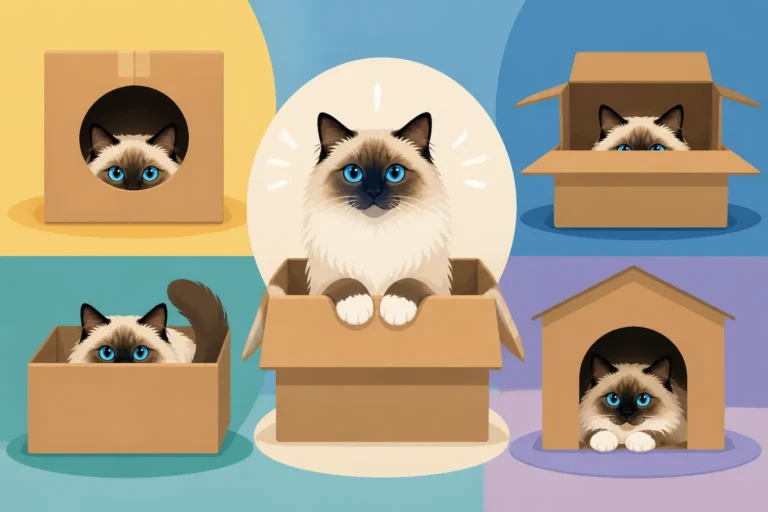
One of the easiest and most effective ways to keep your Birman warm is by providing them with a variety of cozy sleeping and resting options. Look for beds that offer insulation from the floor, such as those with thick padding or raised platforms. Enclosed beds, like cat caves or hooded beds, are excellent choices because they trap body heat and provide a sense of security.
Heated cat beds are an absolute game-changer, especially during colder months or for older Birmans who might feel the cold more acutely. These come in various styles, from self-warming mats that reflect body heat to electrically heated options. You can find a fantastic selection of these on sites like Chewy or Amazon. Just ensure any electrical heated bed is specifically designed for pets and meets safety standards. Soft blankets and throws, strategically placed on sofas, chairs, or even in open beds, give your Birman the option to burrow and create their own warm nest. Many Birmans love to snuggle under blankets, making them feel secure and warm. Whether a Heated Bed Is Worth It for a Birman is almost always a resounding yes.
Nutrition for Coat Health and Body Temperature
While diet isn't a direct heat source in the same way a heated bed is, good nutrition plays a vital role in overall health, which in turn supports a healthy coat and efficient metabolism for maintaining body temperature. A well-nourished Birman will have a healthier coat that, while not thick with undercoat, is still in prime condition to offer what little insulation it can.
Ensure your Birman is on a high-quality, balanced diet suitable for their age and activity level. Look for foods rich in omega fatty acids, which are crucial for skin and coat health. A cat with a healthy metabolism is better equipped to generate and regulate its own body heat. Ensure they always have access to fresh water, as hydration is also key to bodily functions. While their coat is long, What Protein Level a Birman's Ruff Needs to Stay Full also contributes to their general health and well-being.
Considering a Companion Animal
Birmans are known for their affectionate and companionable nature. They thrive on company and often do not do well as an only cat, especially if their humans are out of the house for long periods. Why a Birman Does Better With Company extends beyond just emotional support; another cat can also provide a source of physical warmth. Cuddling together, particularly during cooler times, is a natural way for cats to share body heat and stay cozy.
If you have a single Birman and are considering adding another cat, choosing a companion with a similar calm temperament can provide a wonderful mutual warmth and comfort system. This isn't just about snuggles for warmth, though; it also helps mitigate the loneliness Why a Birman Is Wrong for an Empty House and can prevent stress-related issues that might compromise their overall health and ability to cope with colder temperatures. If you often wonder How a Birman Follows You Room to Room, it's because they love company, and another feline friend can fulfill that need when you're busy.
Common Misconceptions and Birman Care Considerations
It's easy to make assumptions based on looks, especially with a cat as stunning as the Birman. Dispelling these myths is crucial for their well-being.
Why Long Hair Doesn't Equal Warmth
This is the core takeaway for Birman owners. The length of a cat's fur is often mistakenly equated with its warmth, but the crucial factor is the density and type of hair, particularly the presence of an undercoat. Many long-haired breeds, like the Norwegian Forest Cat or Siberian, evolved in cold climates and possess incredibly thick, multi-layered coats specifically designed for insulation against harsh winters. Their long guard hairs protect, and their dense undercoat traps air.
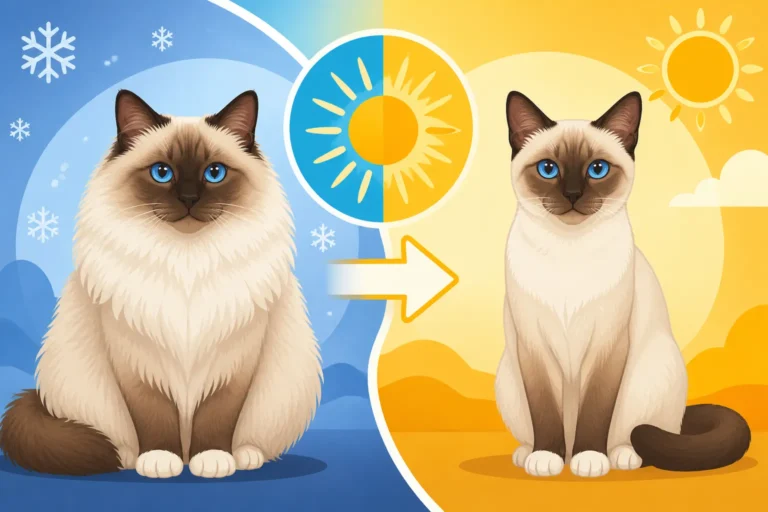
The Birman, by contrast, has a single, silky coat with minimal to no undercoat. While their fur looks long and luxurious, it lacks the insulating power of a double coat. It's more about elegance and feel than warmth. This is why you might see a Birman seeking out sunny spots or curling up in blankets even when the house doesn't feel particularly cold to you. They simply don't have the natural thermal buffering that other fluffy breeds do. Therefore, never assume your Birman is inherently warm just because they have long hair.
Outdoor Exposure Risks for a Birman
Given their lack of a dense undercoat, Birmans are not well-suited to living outdoors, especially in colder climates. Their beautiful coat offers insufficient protection against cold temperatures, wind, and dampness. Beyond the cold, allowing a Birman outdoors exposes them to numerous other dangers. Their trusting, gentle nature means they are less likely to defend themselves or run from threats like other animals, cars, or even human mischief. Why a Birman Should Not Be Left in an Empty House for long periods indoors, let alone left unsupervised outside.
For their safety and health, Birmans should be indoor-only cats. This helps protect their delicate coat from tangles and dirt, but more importantly, it safeguards them from the elements and external dangers they are not equipped to handle. If you want to give your Birman some outdoor enrichment, a secure "catio" or supervised leash walks in a safe, enclosed yard are far better options than letting them roam freely. Why an Indoor Birman Reaches Sixteen More Often is a testament to the safety and warmth of an indoor life. Furthermore, Whether a Birman Should Ever Go Outside in Snow is an emphatic no; their coat is simply not built for it.
Birman Thermal Comfort Factors
| Feature | Birman Coat | Double-Coated Longhairs (e.g., Persian, Maine Coon) | Implications for Warmth |
|---|---|---|---|
| Undercoat Presence | Minimal to none | Thick, dense, woolly | Less trapped air, lower insulation for Birman |
| Coat Texture | Silky, fine, flowing | Coarse guard hairs over soft, dense undercoat | Birman coat drapes rather than insulates |
| Matting Tendency | Low (due to single coat) | High (due to dense undercoat) | Grooming is easier for Birman, but offers less warmth |
| Natural Insulation | Low | High | Birmans rely more on environmental heat; others generate more |
| Cold Tolerance | Low; prone to feeling chilly | High; adapted for colder climates | Birmans need more external heat sources and warm environments |
This table clearly illustrates why a Birman's physical comfort in cooler temperatures differs significantly from what you might expect from a long-haired cat. Owners must be proactive in providing warmth and shelter to compensate for their breed's natural lack of insulation.
Disclaimer
This article is for general informational purposes only and does not constitute professional advice. Laws, prices and regulations vary by location and change over time. Consult a qualified professional for guidance on your specific situation.