Whether a Heated Bed Is Worth It for a Birman
It’s a familiar sight for many Birman parents: that beautiful, silky cat of yours, often found curled into the tightest little ball possible on a cushion, or perhaps nestled deeply under a blanket, looking for all the world like they’re trying to generate their own personal heat source. There’s no denying that Birmans, with their luxurious coats, can still feel the chill, and it leaves many of us wondering if we’re doing enough to keep our beloved companions warm and cozy, especially during colder months or if they're getting on in years. This guide is here to help you unpack whether a heated bed truly is a worthwhile investment for your Birman, exploring their unique needs, the benefits these beds can offer, and what to look for when making a choice.
Understanding Your Birman's Unique Thermal Needs
When you look at a Birman, with all that glorious semi-long hair, you might naturally assume they’re incredibly warm and self-sufficient against the cold. However, their unique coat structure tells a slightly different story, making them more susceptible to lower temperatures than some other long-haired breeds might be.
The Birman's Single Coat and Its Limitations
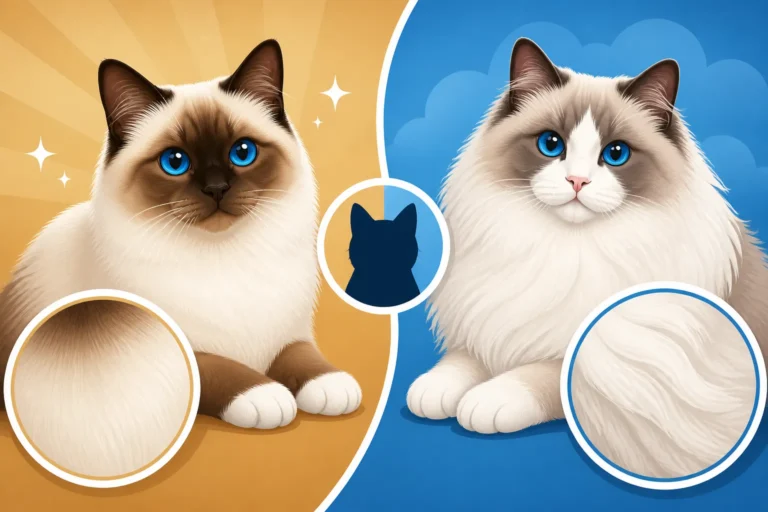
Unlike some other long-haired breeds, such as Persians or Maine Coons, the Birman has what’s often described as a single coat. What does this mean in practical terms? Well, it lacks a dense, woolly undercoat that acts as an extra layer of insulation. Think of it like a beautiful silk scarf versus a thick wool sweater. Both are lovely, but one is definitely better for keeping out the biting cold.
Your Birman’s coat is wonderfully soft and silky, flowing rather than standing out, and it resists matting remarkably well due to this lack of an undercoat. This is fantastic for grooming, as anyone who’s spent hours detangling a woolly longhair can attest. However, this also means they don't have that built-in thermal protection layer that other cats might. They’re simply not as well-equipped to trap a thick layer of warm air close to their bodies. This is a key reason why you might find your Birman seeking out warm spots or huddling under covers, even when your house doesn't feel overtly cold to you. It really highlights Why a Coat With No Undercoat Is Not Warm.
How a Birman Copes With the Cold (or Doesn't)
Because of their less insulating coat, Birmans have a few characteristic ways they try to stay warm when the temperature drops. You'll often see them gravitating towards radiators, sunbeams streaming through a window, or even snuggling up close to you on the sofa. They are experts at finding the warmest perch in the house. You might notice them curling up into a super-tight ball, tucking their paws and nose in, which minimizes their exposed surface area and helps conserve body heat.
If it's particularly chilly, or if the heating in your home drops during the night, a Birman might even become a bit lethargic or seek out unusual places for warmth. They might burrow deep under blankets on your bed or even try to squeeze into smaller, enclosed spaces that feel cozier. A Birman truly prefers warmth and comfort, and when the temperature in the house drops, they definitely notice. It makes sense that they often go searching for Where a Birman Goes When the Heating Goes Off. This sensitivity to temperature variations is just part of their charm, but it's something responsible owners need to be aware of to ensure their comfort and well-being.
Why an Old Birman Feels the Cold More
As Birmans age, their ability to regulate their body temperature can diminish, just like in humans. An older Birman might have a slower metabolism, which means they generate less body heat naturally. They also tend to be less active, spending more time sleeping or resting, which further reduces their internal heat production. You might notice they feel cooler to the touch, or they seem to seek out warmth even more intensely than they did in their younger days.
Beyond just general aging, older cats can develop conditions like arthritis or other joint stiffness. Cold can exacerbate these issues, making movement more painful and uncomfortable. A warm bed, therefore, becomes not just about comfort, but about providing a soothing, therapeutic environment that can ease aches and pains. An older Birman might also have a thinner coat or less muscle mass, further reducing their natural insulation. Providing a consistent source of gentle warmth can make a significant difference to their quality of life, especially when they're slowing down from things like What an Old Birman Slows Down From. It's about giving them every advantage to stay comfortable in their golden years.
The Benefits of a Heated Bed for Your Birman
So, knowing that your Birman might be a bit more sensitive to the cold than they let on, what actual benefits can a heated bed bring to their daily lives? It's more than just a luxury; for many Birmans, it can be a genuine enhancement to their comfort and well-being.
Providing Consistent Warmth and Comfort
One of the most obvious, and perhaps most important, benefits of a heated bed is its ability to provide a steady, reliable source of warmth. Unlike a blanket that might lose its warmth or a sunbeam that moves with the day, a heated bed offers continuous, gentle heat. This is particularly beneficial during colder seasons, in homes with fluctuating temperatures, or for cats that spend time in cooler areas of the house (like a spare room or a sunroom, even if it's generally insulated).
Imagine your Birman finally having a guaranteed warm spot that’s always available, no matter what. It means less time spent searching for warmth and more time simply relaxing in supreme comfort. This consistent warmth can lead to a more relaxed cat overall, as they aren't constantly expending energy trying to stay warm. It creates a sanctuary, a personal cozy haven where they can truly unwind. This reliable warmth can also make them feel more secure, contributing to their overall happiness and contentment, especially for a breed known for its placid and affectionate nature.
Therapeutic Advantages, Especially for Older Cats
Beyond simple comfort, heated beds offer significant therapeutic benefits, especially for older Birmans or those with certain health conditions. Just like a heating pad can soothe aching human muscles, gentle warmth can do wonders for a cat's joints and muscles. For an older Birman experiencing arthritis or general stiffness, the warmth can increase blood flow to their joints, reducing inflammation and easing discomfort. This can make it easier for them to move, stretch, and even just get up from a nap without as much stiffness. You might even notice them being a bit more agile or less hesitant to perform actions like getting onto a favorite chair, even if they never climbed much to begin with.
A heated bed can also be incredibly beneficial for cats recovering from illness or surgery. The warmth supports circulation and can aid in overall recovery, helping them feel more comfortable during a vulnerable time. Moreover, the soothing sensation of warmth can simply promote deeper, more restorative sleep, which is vital for healing and maintaining good health. This is particularly relevant given that a placid breed like the Birman might hide discomfort, making any relief we can offer them incredibly valuable. Remember, Why a Placid Birman Hides Pain is a real concern, so providing comfort proactively is key.
Encouraging Rest and Reducing Stress
A warm, comfortable spot can be a powerful tool for reducing stress and promoting a sense of security in your Birman. Cats, by nature, seek out safe, elevated, and warm places to rest. A heated bed ticks all these boxes, offering a private, snug retreat. When a cat feels secure and comfortable in their environment, their stress levels naturally decrease. This can be especially important for Birmans, who thrive on routine and can sometimes become unsettled by changes in their home or environment.
Having a designated, consistently warm bed provides a predictable and calming space. This can be invaluable for cats who might be a bit anxious, those in multi-pet households needing their own space, or simply those who benefit from extra comfort. Reduced stress often translates to better overall health, a stronger immune system, and a happier cat. A cat that rests well is a cat that plays well and interacts positively with its family. It contributes to their placid nature, reinforcing their role as a serene companion.
Choosing the Right Heated Bed for Your Birman
Deciding a heated bed is a good idea is only the first step. With so many options out there, how do you choose the perfect one for your beloved Birman? It's important to consider various factors, from the type of heat source to safety features and even where you plan to put it.
Types of Heated Beds and Their Features
Heated beds generally fall into two main categories: self-warming and electric. Each has its pros and cons.
- Self-Warming Beds: These beds use reflective materials or insulating layers to trap your cat's own body heat and radiate it back to them. They don't require electricity, making them safe from chew hazards and ideal for situations where a power outlet isn't accessible, like in a specific catio or a cozy corner of a garage. They are a good entry-level option if you're unsure if your Birman will take to a heated bed, or if you prefer a simpler solution. Brands found on platforms like Chewy offer a wide range of these, often with plush covers that appeal to a Birman's love for softness.
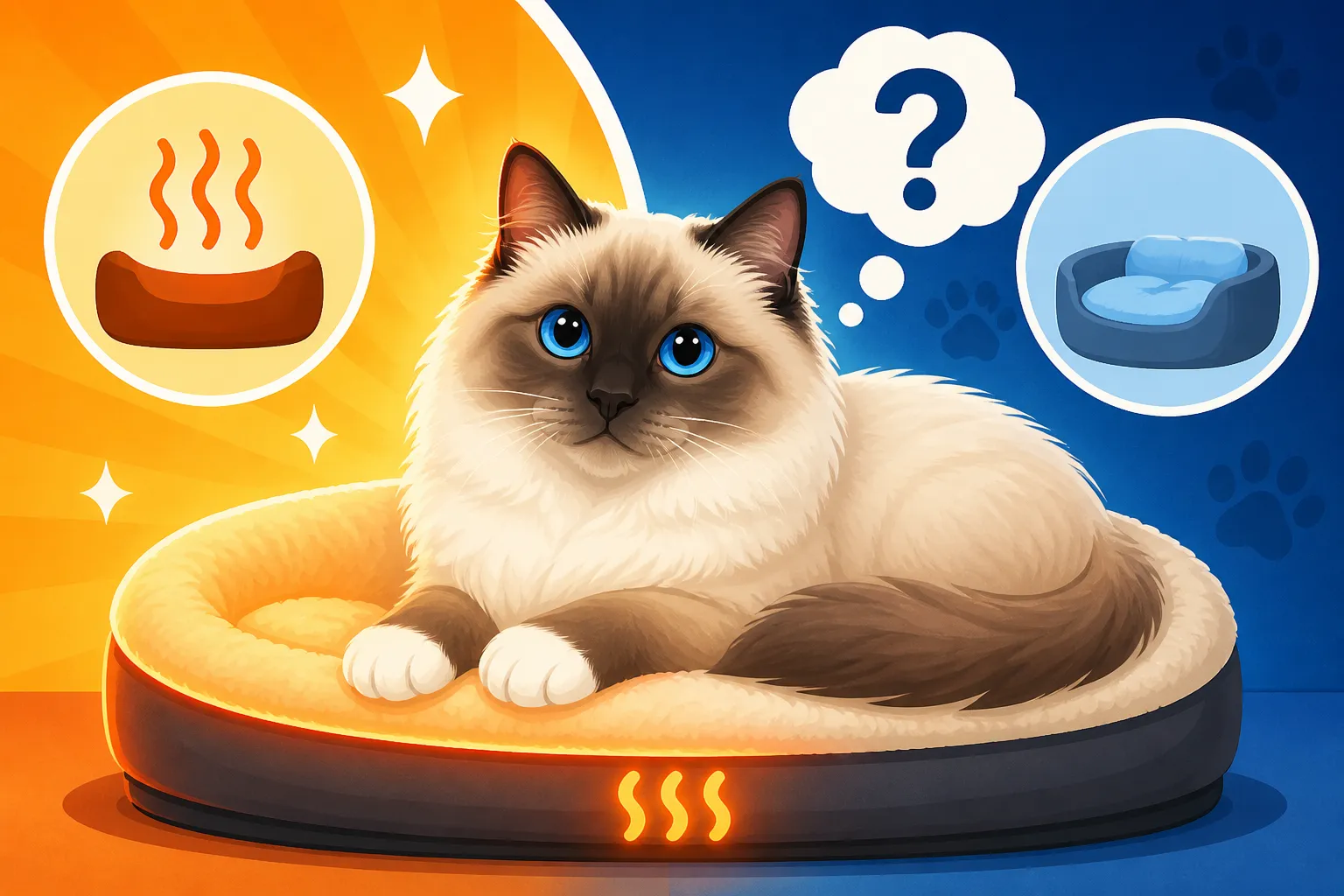
- Electric Heated Beds: These beds come with an internal heating element that plugs into an electrical outlet. They offer a more consistent and adjustable level of warmth. Many electric beds feature:
- Thermostatic Control: This is crucial. It ensures the bed maintains a safe, steady temperature, typically just a few degrees above body temperature, to prevent overheating.
- Auto Shut-Off Timers: Some models have timers that will turn the heat off after a certain number of hours, adding another layer of safety.
- Chew-Resistant Cords: Essential if your Birman (or other pets) is prone to chewing. Always look for cords wrapped in steel or a similar protective material.
- Removable, Washable Covers: A must for hygiene, especially with a cat that has white gloves like a Birman.
- Bed Styles: You can find bolster beds, flat mats, or even cave-style beds. Consider your Birman's sleeping preferences; do they like to stretch out or curl up in an enclosed space?
Here’s a quick comparison:
| Feature | Self-Warming Bed | Electric Heated Bed |
|---|---|---|
| Heat Source | Reflects pet's own body heat | Electric heating element |
| Consistency | Varies with cat's body heat and ambient temp | Consistent, often thermostatically controlled |
| Safety Concerns | Minimal (no electrical risk) | Electrical hazards (chewing, overheating if faulty) |
| Cost | Generally lower initial cost | Higher initial cost, ongoing electricity cost |
| Portability | Highly portable, no outlet needed | Limited by cord length and outlet availability |
| Washability | Often fully machine washable | Usually has a removable, washable cover; heating element stays dry |
| Ideal For | Mild chill, supplemental warmth, outdoor shelters | Significant cold, older cats, therapeutic use |
Safety Considerations and Best Practices
When dealing with any electrical appliance around pets, safety should always be your top priority.
- Look for Pet-Specific Products: Only purchase heated beds designed specifically for pets. These are engineered with lower wattages and specific temperature ranges suitable for animals, unlike human heating pads which can get too hot. Check for certifications from safety organizations.
- Thermostatic Control: As mentioned, a thermostat is key to preventing the bed from getting too hot. It ensures the bed warms to a comfortable, safe temperature and maintains it. You don't want a bed that continuously heats up.
- Chew-Resistant Cords: Even the most placid Birman might occasionally chew, and a live electrical cord is incredibly dangerous. Opt for beds with steel-wrapped or heavily protected cords. Always inspect the cord regularly for any signs of damage. If the cord is damaged, discontinue use immediately.
- Proper Placement: Place the bed on a flat, stable surface away from flammable materials. Avoid placing it where it could get wet.
- Supervision and Monitoring: Especially when first introducing the bed, observe your Birman to ensure they are comfortable and not too hot. While rare, some cats might not enjoy the sensation, or they might prefer a slightly cooler spot.
- Read Instructions Carefully: Every heated bed will come with specific instructions for use and care. Adhere to these strictly to ensure safety and longevity. This includes proper cleaning of removable covers.
You can find many reputable options on major retailers like Amazon or Chewy. Just make sure to read reviews and product descriptions thoroughly to ensure all safety features are in place before purchasing.
Placement and Integration into Your Home
Once you’ve chosen a heated bed, where should it go? Strategic placement can significantly increase its value and your Birman's willingness to use it.
- Where Your Birman Already Rests: The best place for a heated bed is often where your Birman already chooses to sleep or relax. Is it a particular spot on the sofa, a specific armchair, or perhaps near a window? Placing the heated bed in an area already associated with comfort will make it more appealing.
- Away from Drafts: Even with a heated bed, an area free from drafts will maximize its effectiveness. A spot next to a frequently opened door or a leaky window might not be the best choice.
- Quiet and Secure: Cats appreciate quiet, secure places where they won’t be constantly disturbed. A cozy corner of a living room, a bedroom, or a dedicated cat space would be ideal.
- Consider Multi-Cat Households: If you have more than one cat, consider if they will share the bed or if each cat needs its own warm spot to prevent squabbles over the prime real estate.
- Ease of Access: Ensure the bed is easy for your Birman to get into, especially if it’s an older cat with mobility issues. A low-profile bed or one placed on a stable surface they can easily step onto is preferable. For a breed that doesn't usually climb very high, How Much Height a Birman Bothers to Jump For is something to keep in mind, even for a bed.
By considering these factors, you can integrate the heated bed seamlessly into your Birman's daily life, making it a beloved and well-utilized piece of their home environment.
Making the "Worth It" Decision
So, after all this, is a heated bed truly worth it for your Birman? The answer often comes down to balancing the costs with the benefits for your individual cat and household situation.
Weighing the Pros and Cons
Let's summarize the key points to help you make an informed decision:
Pros of a Heated Bed for Your Birman:
- Enhanced Comfort: Provides a consistently warm and inviting resting spot, especially beneficial given their single coat.
- Health Benefits: Offers therapeutic warmth for aching joints (especially in older Birmans), improves circulation, and aids in recovery from illness or surgery.
- Stress Reduction: Creates a secure, comforting haven, contributing to overall feline well-being and reducing anxiety.
- Year-Round Use: Not just for winter; can be used in air-conditioned homes or cooler rooms throughout the year.
- Undemanding Nature: Birmans are not usually demanding cats, and providing this comfort shows you're attuned to their subtle needs. They might not complain about being cold, but they will certainly appreciate warmth. Why a Quiet Birman Is Easy to Misread means we should pay attention to their comfort.
Cons of a Heated Bed for Your Birman:
- Cost: Initial purchase price can range widely, and electric models incur ongoing electricity costs.
- Safety Concerns: Electric beds require careful monitoring for cord damage and ensuring they are pet-safe to prevent overheating or electrical hazards.
- Space: Requires a designated space in your home and access to an electrical outlet for electric models.
- Potential for Underutilization: While most cats love them, there's always a chance your particular Birman might not take to it, preferring a different spot.
- Cleaning: While covers are often washable, the base unit of an electric bed needs careful cleaning to avoid damaging electrical components.
Ultimately, for many Birman owners, the investment in a heated bed is a small price to pay for the significant boost in comfort, health, and happiness it brings to their feline companion. Considering that What a Birman Costs From Kitten to Sixteen covers many expenses over a long life, adding a heated bed might be a sensible and caring part of that budget.
Alternative Solutions for Keeping Your Birman Warm
If a heated bed isn't feasible right now, or you're looking for supplementary ways to keep your Birman toasty, there are other excellent options:
- Extra Blankets and Soft Bedding: This is the simplest and often most effective method. Provide plenty of plush blankets, fleece throws, or soft cushions in your Birman's favorite resting spots. They love to burrow and will appreciate the opportunity to make their own warm nest.
- Elevated Beds: These beds lift your cat off cold floors, reducing direct contact with chilly surfaces. While not heated, the elevation can make a noticeable difference in warmth.
- Cat Sweaters/Coats: For very old, thin, or post-surgical Birmans, a cat sweater or coat can provide an extra layer of warmth. Ensure it's comfortable, fits well, and doesn't restrict movement. Not all cats tolerate clothing, so introduce it gently.
- Optimizing Room Temperature: Maintaining a consistent, comfortable ambient temperature in your home, especially during colder months, is fundamental. A programmable thermostat can help ensure warmth during the times your Birman is most active or resting.
- Sunbeam Access: Ensure your Birman has easy access to sunny spots in your home. They are masters of sunbathing and will soak up every available ray.
- Good Nutrition and Hydration: A well-nourished Birman with a healthy coat will naturally be better equipped to handle cooler temperatures. Ensure they have access to fresh water and a balanced diet. While not directly a heated bed alternative, a healthy cat overall will regulate its temperature better.
In conclusion, for many Birmans, especially those who are sensitive to cold, older, or have health considerations, a heated bed can indeed be a very worthwhile investment. It's a way to enhance their comfort, support their health, and show them how much you care, making those chilly days and nights a little bit cozier for your sacred cat.
Disclaimer
This article is for general informational purposes only and does not constitute professional advice. Laws, prices and regulations vary by location and change over time. Consult a qualified professional for guidance on your specific situation.