How Long a Birman Lives Against Other Longhairs
One of the most common worries for any cat parent, especially those who adore the stunning Birman, is just how long we get to cherish their quiet companionship. It’s natural to wonder how their lifespan measures up, particularly when you compare them to other magnificent longhaired breeds. This guide will delve deep into the typical lifespan of a Birman cat, offering a comprehensive comparison with other popular longhairs and exploring the myriad factors that can influence their longevity.
The Birman Lifespan: A Cherished Time
Birmans are known for their gentle nature, striking blue eyes, and beautiful silky coats. When you bring one into your home, you’re often looking forward to many years of purrs and head rubs. Understanding their typical lifespan helps you prepare for their care throughout each stage of life.
Average Range for a Birman Cat
Generally speaking, a well-cared-for Birman can be expected to live a good, long life, often gracing our homes for anywhere from 12 to 16 years. This places them comfortably in the mid-to-high range for feline longevity. Of course, this is an average, and many Birmans, with excellent genetics and dedicated care, will certainly surpass the 16-year mark, even reaching into their late teens. There are always those exceptional individuals who seem to defy the odds, staying spry and sweet for an astonishing number of years. It’s a testament to their inherent robustness and the loving environments they typically thrive in. While this range offers a good benchmark, remember that every cat is an individual, and their unique journey will ultimately determine their exact longevity.
You might be interested in learning more about The Twelve to Sixteen Years a Birman Usually Gets.
Factors Influencing Birman Longevity
Several key factors play a significant role in how long your beloved Birman will live. It’s not just about luck; it’s a combination of genetics, environment, diet, and veterinary care. Think of it as a patchwork quilt of influences, each thread contributing to the overall strength and durability of their life. For instance, a Birman living predominantly indoors, away from the dangers of traffic, predators, and communicable diseases, already has a considerable advantage. Access to clean water, a high-quality diet, and consistent preventative veterinary care are paramount. These elements collectively stack the odds in favor of a longer, healthier life for your Birman, transforming potential years into actual years of shared joy.
Comparing Birmans to Other Longhaired Breeds
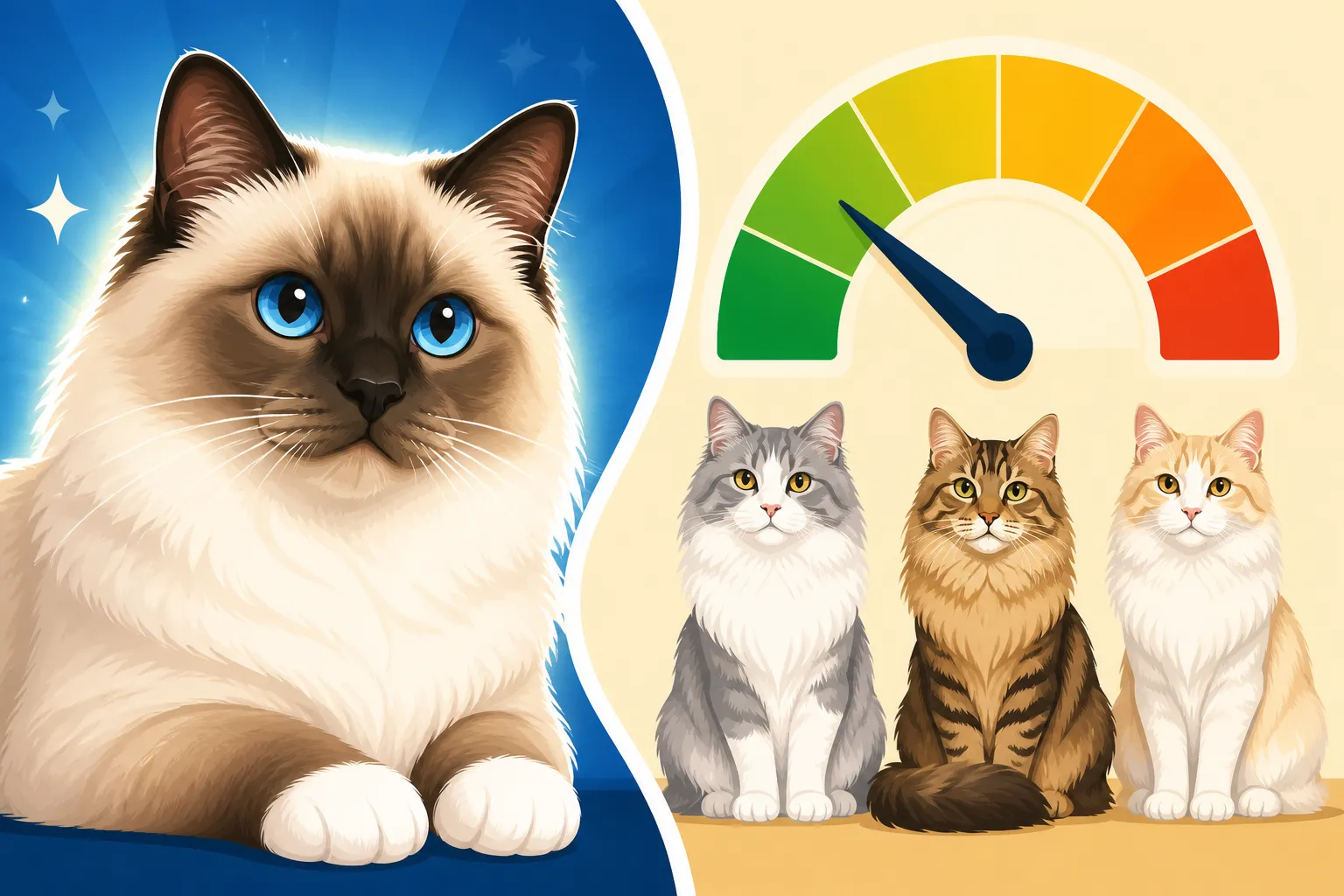
When considering a longhaired cat, many potential owners often weigh the pros and cons of several breeds. Beyond appearance and temperament, lifespan is a critical consideration. Let's see how the Birman stacks up against some of its fluffy counterparts.
Ragdoll Lifespan Compared to the Birman
The Ragdoll, another stunning longhaired breed with a similarly placid temperament and striking blue eyes, often shares a comparable lifespan with the Birman. On average, Ragdolls also tend to live between 12 and 15 or even 16 years. Both breeds are known for their generally robust health, assuming responsible breeding practices and attentive care. However, there can be slight variations, and individual genetic lines within each breed can certainly influence whether a cat leans towards the higher or lower end of this spectrum. Both the Birman and the Ragdoll are relatively large breeds, which sometimes correlates with a slightly shorter lifespan than smaller cats, but their generally good health offsets this to a large extent. When you compare them directly, it’s often a neck-and-neck race in terms of years.
Many owners wonder, Whether a Birman Outlives a Ragdoll.
Persian and Himalayan Lifespan Considerations
When we look at Persians and Himalayans (which are essentially colorpoint Persians), we often see a slightly different picture. While many Persians live healthy lives into their teens, their average lifespan can sometimes be a little shorter than that of a Birman, often ranging from 10 to 15 years. This isn't a hard and fast rule, but it’s a trend worth noting. Persians, especially those with extreme brachycephalic (flat-faced) features, can sometimes contend with breed-specific health challenges that might impact their longevity, such as breathing difficulties, dental issues, and tear staining that can lead to skin irritation. Their dense, long coats also demand more rigorous daily grooming to prevent matting, which, if neglected, can lead to skin problems and discomfort, potentially impacting overall health. This isn't to say a Persian won't live a long and fulfilling life; it simply highlights that their breed-specific traits sometimes require a different level of proactive care compared to the Birman's less demanding coat and more moderate facial structure.
You might be curious about Whether the Birman's Outcrossing Bought It Years Over the Persian.
Maine Coon Lifespan and the Birman
Maine Coons are magnificent, large, shaggy-coated cats known for their friendly "gentle giant" personalities. Their lifespan typically falls within a similar range to Birmans and Ragdolls, often between 12 and 15 years. Like other purebred cats, Maine Coons are susceptible to certain genetic conditions, notably hypertrophic cardiomyopathy (HCM) and hip dysplasia, which can, if unchecked, impact their longevity and quality of life. However, responsible breeders extensively screen their cats for these conditions, helping to ensure healthy lineages. A well-bred and cared-for Maine Coon has every chance of living as long, if not longer, than a Birman. The emphasis, as with all breeds, remains on good genetics, a proper diet, and consistent veterinary care. The sheer size of a Maine Coon means their joints can take more strain over the years, making weight management particularly important to prevent early onset arthritis.
Here's a quick comparison of average lifespans for some popular longhaired cat breeds:
| Breed | Average Lifespan (Years) | Common Health Concerns (General) | Grooming Needs | Temperament (General) |
|---|---|---|---|---|
| Birman | 12 – 16 | HCM, PKD, Dental, Hypotrichosis | Moderate | Gentle, Affectionate, Quiet |
| Ragdoll | 12 – 16 | HCM, PKD, Bladder Stones | Moderate | Docile, Lap-cat, Relaxed |
| Persian | 10 – 15 | Brachycephalic issues, PKD, Dental | High | Sweet, Quiet, Dignified |
| Himalayan | 10 – 15 | Brachycephalic issues, PKD, Dental | High | Calm, Affectionate |
| Maine Coon | 12 – 15 | HCM, Hip Dysplasia, Spinal Muscular Atrophy | Moderate to High | Playful, Friendly, Gentle Giant |
Lifespan Factors: Genetics, Health, and Environment
Understanding the average lifespan is one thing, but knowing why some cats live longer than others is crucial for optimizing your Birman's health. It's a complex interplay of factors, many of which you, as a dedicated owner, have a direct hand in managing.
Genetic Predispositions in Longhaired Cats
Genetics are, without a doubt, a cornerstone of a cat's potential lifespan. While Birmans are generally considered a healthy breed, they, like all purebreds, can be predisposed to certain inherited conditions. For Birmans, two of the more commonly discussed genetic concerns are Hypertrophic Cardiomyopathy (HCM) and Polycystic Kidney Disease (PKD). HCM is a heart condition where the muscle walls of the heart thicken, potentially leading to heart failure. While there's no DNA test for HCM in Birmans, responsible breeders regularly screen their breeding cats via echocardiograms. PKD, a kidney disease characterized by the development of fluid-filled cysts, does have a DNA test available, and most reputable Birman breeders will ensure their breeding lines are clear. These inherited conditions, if not screened for and managed, can certainly shorten a cat's life.
It's vital for breeders to be transparent about these screenings, and for prospective owners to ask for documented proof. An excellent pet insurance provider like Healthy Paws can be a lifesaver, covering unexpected veterinary costs should your Birman develop such conditions later in life, even with careful breeding. Knowing the health history of your Birman's lineage is incredibly powerful in predicting and mitigating potential health issues down the line.
You can learn more about how breeders address these issues in Why a Birman Breeder Still Tests for PKD and HCM in a Birman Has No DNA Test, Only an Echo.
Environmental Influences on Longevity
The environment your Birman lives in plays a massive role in their longevity. For Birmans, and indeed most domestic cats, an indoor-only lifestyle is overwhelmingly linked to a longer life. Outdoor cats face a multitude of risks: traffic accidents, fights with other animals, exposure to infectious diseases (like feline leukemia virus or feline immunodeficiency virus), parasites, and even deliberate harm from humans. An indoor Birman, on the other hand, is protected from these immediate dangers. However, an indoor environment also needs to be stimulating enough to prevent boredom and obesity.
Think about the quality of the air, the level of stress in the home, and access to safe, clean spaces. A quiet, calm home environment, free from constant loud noises or aggressive pets, contributes significantly to a cat's well-being. Ensuring your Birman has safe perching spots, access to fresh water (perhaps even a water fountain to encourage drinking, especially given the breed's historical link to PKD), and a clean litter box area are all part of creating an optimal living space that supports a long, happy life.
Did you know Why an Indoor Birman Reaches Sixteen More Often?
Dietary and Lifestyle Choices
What you feed your Birman and how active they are directly impact their health and lifespan. A high-quality diet, appropriate for their age and activity level, is non-negotiable. This means food rich in animal-based protein, with appropriate levels of fat and essential nutrients. Avoid fillers and opt for reputable brands. Obesity is a silent killer in cats, leading to a host of health problems including diabetes, arthritis, and increased strain on the heart and kidneys. Regular, portion-controlled meals, rather than free-feeding, can help manage weight.
Beyond diet, ensuring your Birman gets enough mental and physical stimulation is important. While Birmans aren't hyperactive, they do enjoy play. Interactive toys, wand play, and even puzzle feeders can keep them engaged and prevent boredom, which can lead to stress-related behaviors or excessive eating. Even a sedentary-looking cat needs opportunities to stalk, pounce, and explore. Regular grooming, although relatively easy for a Birman thanks to their single coat, also helps you keep an eye on their skin and body condition, catching any lumps or bumps early.
Common Health Concerns in Longhaired Breeds
While Birmans are generally healthy, no breed is entirely immune to health issues. Being aware of common ailments found in longhaired cats allows for proactive prevention and early detection, both of which are critical for extending their years.
Cardiac Issues: Hypertrophic Cardiomyopathy (HCM)
Hypertrophic Cardiomyopathy (HCM) is the most common heart disease in cats, and unfortunately, several longhaired breeds, including Birmans, Ragdolls, and Maine Coons, have a genetic predisposition to it. This condition causes the muscular walls of the heart's ventricles to thicken, reducing the heart's efficiency and potentially leading to heart failure, blood clots, or sudden death. The insidious thing about HCM is that cats can be asymptomatic for a long time, showing no outward signs until the disease is quite advanced or a crisis occurs. This is why regular screening by a veterinary cardiologist through echocardiograms is so crucial for breeding animals, and often recommended for pet Birmans as they age.
Early detection, even if there's no cure, allows for management with medications that can improve quality of life and potentially extend a cat's lifespan by reducing symptoms and preventing complications. If your vet hears a heart murmur during a routine check-up, it’s always a good idea to follow up with a cardiology specialist. Pet insurance from providers like Healthy Paws can significantly ease the financial burden of these specialized diagnostic tests and ongoing treatments, ensuring your cat gets the best possible care without you having to worry about the cost.
Knowing The Age a Birman Starts Needing Yearly Heart Checks is essential for proactive care.
Kidney Disease: PKD and Beyond
Kidney disease, particularly Polycystic Kidney Disease (PKD), is another concern for some longhaired breeds, notably those with Persian ancestry, which includes Birmans. PKD is an inherited condition where fluid-filled cysts develop in the kidneys, progressively impairing kidney function. Fortunately, a reliable DNA test exists for PKD1, the most common form, allowing responsible breeders to eradicate it from their lines. If a Birman tests positive for PKD, it doesn't mean immediate kidney failure, but it does mean careful monitoring and management throughout its life.
Even in PKD-clear Birmans, general kidney disease can still be a concern as cats age, as it is one of the leading causes of death in older felines. Signs often include increased thirst and urination, weight loss, and a dull coat. Regular veterinary check-ups, especially blood and urine tests as your Birman enters its senior years, are vital for early detection. Dietary management with prescription kidney diets can slow the progression of the disease, and ensuring adequate hydration is key. Monitoring your cat's water intake and having a discussion with your vet about kidney health is a crucial part of long-term care for any Birman.
For more details on a specific issue, see Why a Birman Drinking More Points at Its Persian Ancestry.
Dental Health in Longhaired Cats
Dental disease is often overlooked but can have a profound impact on a cat's overall health and lifespan, including Birmans. Tartar buildup, gingivitis, and periodontitis can lead to painful infections, tooth loss, and systemic health problems as bacteria from the mouth can enter the bloodstream and affect organs like the heart and kidneys. Birmans, like many purebred cats, can sometimes have slightly crowded teeth due to their skull structure, which can make them more prone to plaque accumulation.
The best defense is proactive dental care. Daily tooth brushing (if your Birman will tolerate it!), dental treats, and regular professional dental cleanings under anesthesia are essential. Your vet will assess your Birman's dental health at every check-up. Don't wait until your cat shows obvious signs of pain or difficulty eating; by then, the problem is often severe. Incorporating dental care into your Birman's routine from a young age can prevent serious issues down the line, contributing significantly to their comfort and overall longevity.
Extending Your Birman's Lifespan: Proactive Care
Knowing the potential health challenges is only half the battle; the other half is actively working to prevent or manage them. As a Birman owner, you have a powerful influence over your cat's health trajectory.
Regular Veterinary Examinations and Screenings
This cannot be stressed enough: consistent and thorough veterinary care is paramount for a long and healthy life. For a Birman, this means yearly wellness exams at a minimum, becoming more frequent (bi-annually) as they enter their senior years, typically around age 7-8. These visits aren't just for vaccinations; they're an opportunity for your vet to perform a comprehensive physical examination, listen to their heart and lungs, palpate their abdomen, check their teeth, and discuss any changes in behavior or appetite.
Beyond general check-ups, specific screenings are crucial. As mentioned, echocardiograms for HCM and DNA tests for PKD are vital for breeding Birmans and often recommended for pets, depending on their lineage and age. Blood and urine tests, especially from middle age onwards, provide invaluable insights into organ function, allowing for early detection of issues like kidney disease, diabetes, or thyroid problems before they become critical. Early intervention is often the key to successful management and a better prognosis, giving your Birman more precious years.
Find out How Often a Breeding Birman Needs Scanning for a deeper dive into this important aspect.
Optimal Nutrition and Hydration Strategies
Feeding your Birman a high-quality, balanced diet tailored to their specific needs is one of the most impactful things you can do for their long-term health. Look for cat foods with real meat as the primary ingredient, and avoid excessive fillers. Wet food is often recommended for cats, as it provides essential hydration, which is particularly beneficial for kidney health. While Birmans are not known for being picky, it’s important to monitor their weight and adjust portions as needed to prevent obesity.
Hydration is equally critical. Cats naturally have a low thirst drive, and their wild ancestors got most of their water from prey. A Birman needs consistent access to fresh, clean water. Consider offering multiple water bowls in different locations, or investing in a cat water fountain. Many cats are enticed by the running water, which encourages them to drink more. Increased hydration supports kidney function and overall organ health, and for a breed with historical links to PKD, this attention to water intake is even more significant.
Creating a Safe and Enriching Indoor Environment
A Birman thrives in a stable, predictable, and stimulating indoor environment. While they are generally placid and not prone to excessive climbing, they still benefit from vertical spaces like cat trees or shelves to observe their surroundings from a safe vantage point. Mental stimulation is also vital; provide a variety of toys, rotate them to keep interest high, and engage in interactive play sessions daily. This not only provides exercise but also strengthens the bond between you and your Birman.
A calm household atmosphere helps reduce stress, which can suppress the immune system over time. Ensure they have quiet, private spots where they can retreat if they feel overwhelmed. Maintain a consistent routine for feeding and play, as cats are creatures of habit. And don’t forget about the litter box: Birmans appreciate a clean, easily accessible box. For their lovely white gloves, a low-dust, non-clumping litter is often preferred to keep their paws clean and prevent staining. Creating a truly enriching home helps your Birman feel secure, content, and healthy, fostering a long and happy life.
The Impact of Breed-Specific Health Management
Every breed comes with its own unique set of genetic blueprints and potential vulnerabilities. For Birmans, understanding these specifics is not about fear, but about empowerment—knowing how to best protect and care for them.
Importance of Genetic Testing and Health Certificates
For prospective Birman owners, thoroughly vetting a breeder is absolutely critical. This means asking for proof of genetic testing and health screenings for both parent cats. A reputable Birman breeder will willingly provide documentation for PKD1 DNA tests and recent echocardiogram results for HCM. They should also be transparent about any other health issues in their lines. These tests are not foolproof, but they are the best tools we have to reduce the incidence of serious inherited diseases.
Purchasing a kitten from health-tested parents significantly increases the chances of your Birman living a long, healthy life free from these devastating conditions. It reflects a breeder’s commitment to the breed's health and welfare, and it’s an investment in your future cat's well-being. Don't be afraid to ask detailed questions and request to see the actual certificates; a responsible breeder will welcome your diligence. An untested kitten, even if cheaper upfront, can lead to heartbreaking and costly health battles down the road.
If you are considering a kitten, ensure the breeder provides Which Results a Birman Breeder Must Put in Writing.
Early Detection and Symptom Recognition
Birmans are famously quiet and placid cats, and this wonderful trait can sometimes be a double-edged sword. Their gentle nature means they often hide signs of illness or discomfort until a condition is quite advanced. This is a survival instinct from their wild ancestors, but it makes early detection challenging for owners. Therefore, it's vital to know your Birman's normal behavior, appetite, and habits intimately. Even subtle changes—a slight decrease in appetite, less enthusiasm for play, increased sleeping, or a change in litter box habits—can be indicators that something is amiss.
Regularly handling your Birman during grooming sessions or cuddle time can help you become familiar with their body, allowing you to spot any new lumps, tenderness, or changes in coat condition. If you notice any deviation from their normal, no matter how small, a prompt veterinary visit is always the safest course of action. Trust your gut instinct; you know your cat best. A quick vet check for a minor concern is always better than waiting for a serious problem to become undeniable. Remember, a proactive approach to their health is key to maximizing their time with you.
It's crucial to understand Why a Birman Hides Illness Behind a Placid Temperament.
Managing Chronic Conditions for Quality of Life
Should your Birman be diagnosed with a chronic condition such as early-stage kidney disease, heart disease, or even arthritis in their later years, managing it effectively becomes the new goal to ensure a good quality of life and extend their lifespan. This often involves a multi-faceted approach, including prescription diets, medications, and lifestyle adjustments. For instance, a Birman with early kidney disease might benefit from a low-protein, phosphorus-restricted diet and increased access to water. Cats with heart conditions may need daily medications to support heart function and prevent complications.
Working closely with your veterinarian is essential to develop a personalized treatment plan. This might include regular monitoring of blood work, follow-up echocardiograms, or pain management for arthritis. While a chronic condition might mean more vet visits and ongoing care, with proper management, many Birmans can continue to live comfortably and happily for many years post-diagnosis. This is where a comprehensive pet insurance plan, like those offered by Healthy Paws, proves invaluable, covering the ongoing costs of treatment, consultations, and medications for chronic conditions, allowing you to focus purely on your Birman’s well-being.
Disclaimer
This article is intended for informational purposes only and does not constitute veterinary advice. Always consult with a qualified veterinarian for any health concerns or before making any decisions about your pet's health or treatment.