How Two Cats in 1945 Shaped the Birman’s Health
The Birman breed, with its striking blue eyes and luxurious coat, holds a unique place in the hearts of cat lovers, but behind that gentle demeanor lies a remarkable story of survival against all odds. It's a tale deeply intertwined with the devastating impacts of World War II, a period that pushed this already rare breed to the brink of extinction. Understanding the narrow genetic path the Birman walked after 1945 is crucial for appreciating the health considerations we manage in them today. This guide will delve into the monumental efforts to rebuild the Birman and how those two pivotal cats left an indelible mark on the breed's health for generations to come.
The Birman's Near Extinction During World War II
Imagine a world where the very existence of your beloved cat breed hangs by a thread, almost entirely wiped out by global conflict. That was the stark reality for the Birman during World War II, a period that profoundly impacted its genetic future.
The Pre-War Birman Population: A Fragile Foundation
Before the war descended upon Europe, the Birman was already a relatively rare and cherished breed, primarily established in France in the 1920s and 30s. Legend has it they originated from temple cats in Burma, though modern genetics suggest European development, likely involving crosses with Siamese and Persian cats. Breeders had painstakingly worked to establish the distinctive pointed pattern, the sapphire blue eyes, and, crucially, the pristine white 'gloves' on all four paws, a hallmark of the breed. Each cat was a testament to selective breeding and dedicated care, but their numbers were never large. This limited gene pool, while allowing for the refinement of specific traits, also meant they were inherently vulnerable to any major upheaval. They weren't widespread like many common domestic breeds, and their careful lines were concentrated in a few dedicated catteries.
The Devastation of Conflict: A Breed Vanishes
When World War II erupted, the intricate world of cat breeding, like so much else, crumbled under the weight of rationing, destruction, and displacement. Keeping and breeding exotic cats became a luxury few could afford, or even manage, amidst the chaos. Food was scarce, homes were destroyed, and the movement of animals was often impossible or illegal. Many catteries were abandoned, their precious inhabitants left to fend for themselves or tragically perished due to lack of care, bombing raids, or starvation. The focus shifted entirely to human survival, and the beautiful Birman, a symbol of luxury and peace, was utterly incompatible with the brutal realities of war. The cumulative effect was catastrophic, pushing the breed perilously close to the point of no return.
The Critical Juncture: Survival Against All Odds
By the end of the war in 1945, the situation was dire. Across Europe, the Birman population had been decimated to an almost unimaginable extent. When breeders began to survey the damage and attempt to re-establish lines, they discovered that virtually all their efforts had been erased. It's a truly heartbreaking chapter in the breed's history, a stark reminder of how fragile even a well-established breed can be. The vast genetic diversity that had been carefully cultivated over decades was gone, lost to the annals of history. The breed didn't just shrink; it practically ceased to exist as a viable, self-sustaining population. At this critical juncture, the future of the Birman rested on an incredibly small number of survivors, setting the stage for one of the most significant genetic bottlenecks in feline history.
Orloff and Xenia: The Last Hope
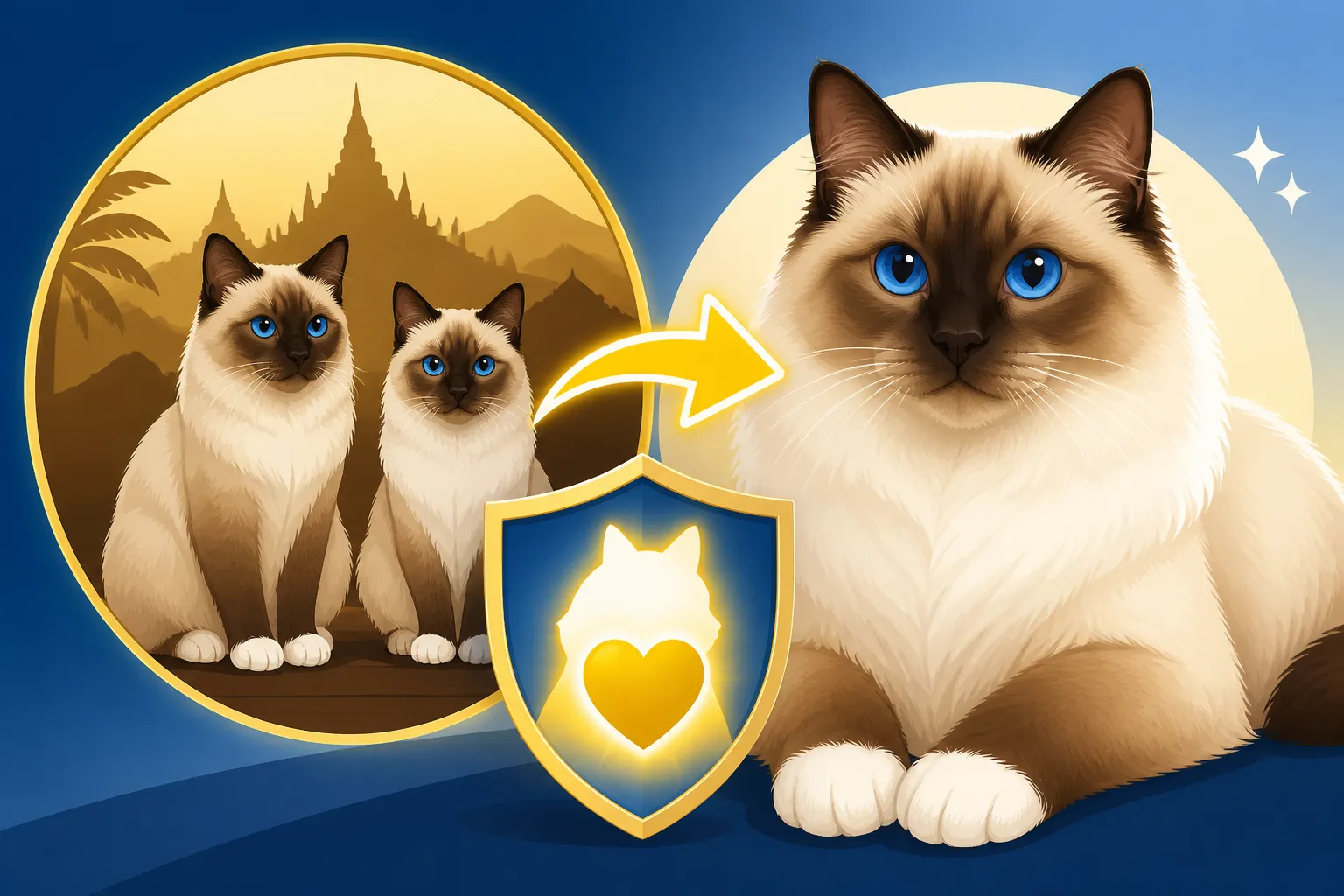
In the immediate aftermath of World War II, the Birman breed faced extinction. The survival of this beautiful cat hinged on just two individuals: Orloff de Kaabaa and Xenia de Kaabaa. These two cats weren't just survivors; they were the genetic cornerstone for every Birman that exists today.
Meet the Founders: A Miraculous Survival
Orloff de Kaabaa, a male, and Xenia de Kaabaa, a female, were the almost miraculous survivors that emerged from the wreckage of post-war France. Their exact pre-war lineage is a testament to the records kept by dedicated breeders, even amidst chaos, but their post-war existence became a lifeline for the breed. These two Birmans, often affectionately referred to as the "Adam and Eve" of the modern Birman cat, represented the entire remaining genetic pool. Imagine the immense pressure on these two animals and, more so, on the breeders who had to work with them. Every single kitten produced by Orloff and Xenia, and later by their immediate offspring, carried the entirety of the future Birman breed within its DNA. Their existence was not just a stroke of luck; it was a testament to the resilience of the few devoted individuals who protected them through unimaginable hardship. This incredible story is a powerful reminder that The Birman Was Rebuilt From Two Cats and It Shows.
The Genetic Bottleneck: A Constricted Gene Pool
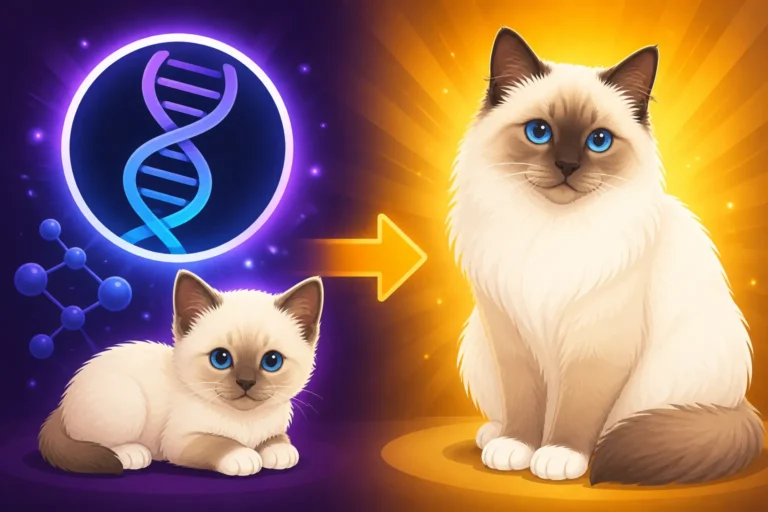
The term "genetic bottleneck" perfectly describes the situation the Birman found itself in. It refers to a sharp reduction in the size of a population due to environmental events or human activities, resulting in a reduction in the variation of the gene pool. For the Birman, this meant that all the genetic diversity accumulated before the war was drastically condensed into what these two cats carried. Any genetic predispositions, both good and bad, that Orloff and Xenia possessed were amplified and passed down to their offspring. This created a highly uniform genetic foundation, which, while ensuring the preservation of the distinct Birman look, also carried significant risks. A narrow gene pool means a reduced ability to adapt to new environmental pressures or to resist diseases. It also increases the likelihood of recessive genes, including those for genetic health conditions, becoming more prevalent in the population. It's a prime example of What a Narrow Founder Base Left in the Birman.
The Urgency of Preservation: A Monumental Task
The task of rebuilding the Birman from just Orloff and Xenia was nothing short of monumental. Breeders had to act quickly to increase numbers, but they also faced the critical challenge of expanding the gene pool to ensure long-term viability. Simply breeding Orloff and Xenia's direct descendants would lead to severe inbreeding, which can cause a phenomenon known as "inbreeding depression." This often manifests as reduced fertility, smaller litter sizes, decreased immune function, and an increase in the expression of harmful recessive genetic conditions. The breeders understood that merely having two cats wasn't enough; they needed a strategy to introduce new genetic material while meticulously preserving the unique traits that defined the Birman. This wasn't just about saving a breed; it was about ensuring its health and resilience for centuries to come, a complex genetic puzzle that required careful planning and execution.
The Outcrossing Strategy to Save the Breed
To overcome the severe genetic bottleneck created by World War II, Birman breeders embarked on a crucial and, at times, controversial strategy: outcrossing. This involved carefully introducing other breeds into the Birman lines to infuse new genetic diversity.
Why Outcrossing Was Unavoidable: A Matter of Survival
The decision to outcross was not taken lightly; it was an absolute necessity for the survival of the Birman breed. With only two known direct descendants, Orloff and Xenia de Kaabaa, relying solely on their offspring for future breeding would have led to an extremely inbred population. As we touched on earlier, severe inbreeding drastically increases the risk of genetic defects, compromises immune systems, and can lead to a general decline in the health and vigor of the entire breed. Think of it like trying to build a sturdy house with only a handful of bricks – you're limited in what you can create, and any weakness in those few bricks affects the whole structure. Breeders understood that to avoid a genetic dead end, they had to broaden the gene pool. It was a calculated risk, but one absolutely vital to prevent the Birman from fading into history. This meant going outside the established Birman lines, temporarily compromising "purity" for the sake of long-term health and existence. Indeed, Why Post War Outcrossing Was Unavoidable for the Birman is a story of sheer determination.
Which Breeds Were Chosen: Strategic Genetic Infusion
The choice of breeds for outcrossing was strategic, aiming to introduce desirable traits and genetic diversity while minimizing the alteration of the core Birman phenotype (its physical appearance). The primary breeds utilized for this critical genetic infusion were the Persian and the Siamese.
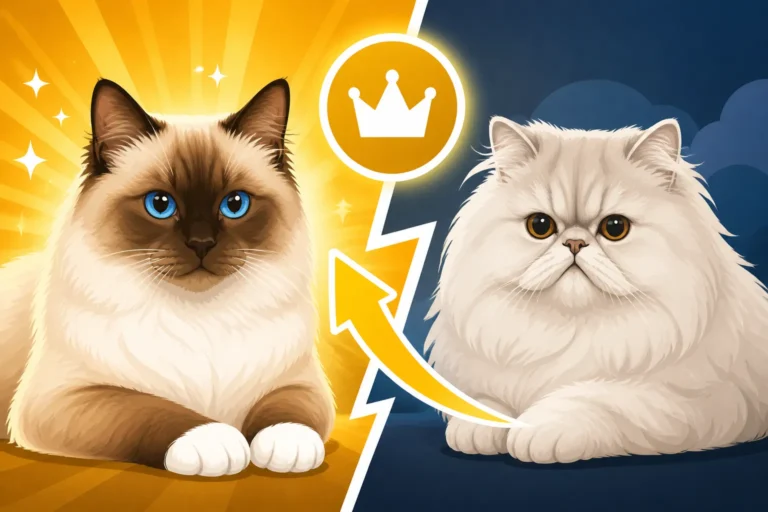
- Persian Cats: Known for their long, luxurious coats and placid temperaments, Persians were a natural fit to maintain the Birman's longhair characteristic and gentle nature. However, the introduction of Persian blood also brought its own set of genetic predispositions. For instance, Polycystic Kidney Disease (PKD), a common genetic kidney condition in Persians, was inadvertently introduced into the Birman gene pool through these outcrosses. This is why even today, responsible Birman breeders still Why a Birman Breeder Still Tests for PKD to ensure the health of their lines. What Persian Blood Brought Into the Birman was both a blessing and a challenge.
- Siamese Cats: These cats contributed to the Birman's distinctive point coloration and striking blue eyes. Siamese are also known for their generally healthier constitution and slighter build, which helped to broaden the overall genetic resilience. Their more active and vocal nature, however, was mostly diluted over generations, allowing the Birman's unique serene personality to remain dominant. What Siamese Blood Brought Into the Birman primarily reinforced the colorpoint gene and added some much-needed vitality.
These initial crosses were then carefully back-crossed to true Birmans for several generations, a painstaking process to retain the Birman's distinctive features while embedding the new genetic material. The aim was to eventually produce cats that looked and behaved like pure Birmans but carried a much broader and healthier genetic foundation.
The Immediate and Long-Term Goals: A New Foundation
The immediate goal of outcrossing was straightforward: increase the number of breeding animals and quickly expand the overall genetic diversity. This meant producing more Birman-type cats to ensure the breed's survival. However, the long-term goals were much more complex and far-reaching. Breeders aimed to:
- Reduce Inbreeding Coefficient: By introducing new genes, the overall level of relatedness within the breed could be reduced, safeguarding against the detrimental effects of high inbreeding.
- Mitigate Genetic Disease Risk: While outcrossing could introduce new conditions (like PKD from Persians), it also provided the opportunity to dilute or eliminate recessive genes for diseases that might have been "fixed" or highly prevalent in the original, tiny founder population of Orloff and Xenia.
- Enhance Vigor and Fertility: A broader gene pool generally leads to healthier, more robust animals with better reproductive rates, ensuring the sustained future of the breed.
This period of rebuilding was critical, requiring immense dedication and a deep understanding of genetics from breeders across France, Germany, and later, the UK. It truly shaped Which Breeds Were Crossed In to Save the Birman and the entire trajectory of the breed. The lessons learned from this challenging time continue to influence responsible breeding practices today, focusing on both type and genetic health.
Genetic Legacy: Inherited Traits and Challenges
The desperate measures taken to save the Birman breed after World War II, particularly the reliance on just two founding cats and subsequent outcrossing, left an undeniable genetic legacy. This legacy manifests in both the cherished traits we see today and specific health challenges that require ongoing vigilance.
Recessive Genes and Disease: A Numbers Game
When a breed goes through a severe genetic bottleneck, as the Birman did, and then relies on a limited number of outcrosses, it becomes a numbers game for recessive genes. If one or both of the founding cats, or the outcross cats, carried a recessive gene for a particular disease, the likelihood of that gene becoming widespread in the new, smaller population increases significantly. Even if these genes were rare before the war, their frequency could rise dramatically. A recessive disease only manifests if an individual inherits two copies of the faulty gene (one from each parent). In a population with a tiny gene pool, the chances of two carriers mating are much higher. This means that What a Narrow Founder Base Left in the Birman wasn't just physical traits, but also a predisposition to certain health issues. For example, some researchers believe certain conditions may have been amplified or fixed in the breed during this challenging period.
Specific Health Concerns Linked to Birman Genetics
While Birmans are generally considered a healthy breed, certain conditions are recognized as being more prevalent, often with historical links to their genetic bottleneck and subsequent outcrossing.
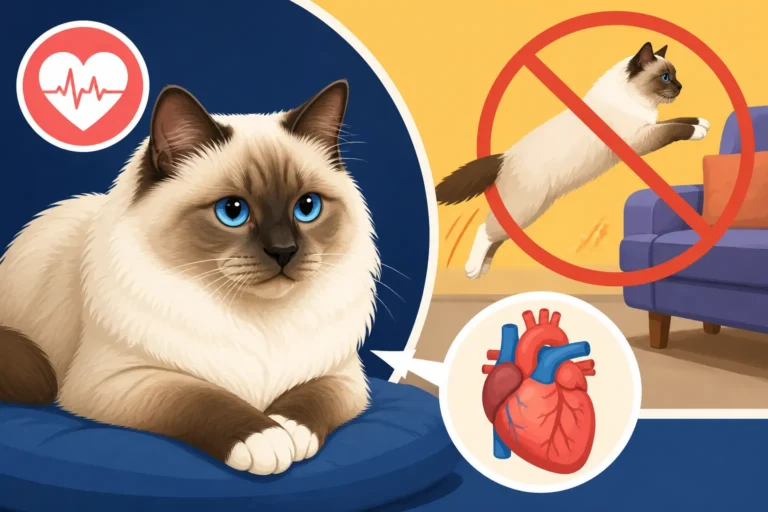
- Hypertrophic Cardiomyopathy (HCM): This is the most common heart disease in cats, characterized by a thickening of the heart muscle. While not exclusive to Birmans, it is a concern in the breed, as it is in many pedigreed cats. Sadly, there is currently HCM in a Birman Has No DNA Test, Only an Echo, meaning regular echocardiogram screenings are essential for breeding cats and recommended for pets. This condition can lead to heart failure or blood clots, and its presence in the breed necessitates ongoing screening efforts to identify affected animals and remove them from breeding programs.
- Polycystic Kidney Disease (PKD): As mentioned previously, PKD was likely introduced through the Persian outcrosses, which were utilized to broaden the Birman's gene pool. PKD is an inherited condition where cysts form in the kidneys, gradually enlarging and potentially leading to kidney failure. Thankfully, a DNA test for PKD1 (the most common form) is widely available, allowing breeders to definitively identify affected and carrier cats. This allows for careful breeding decisions to eliminate the gene from Birman lines over time. Why a Birman Breeder Still Tests for PKD is a clear example of how historical genetic legacies shape modern breeding practices.
- Feline Hypotrichosis with Thymic Aplasia (FOXN1 Mutation): This is a very rare, severe genetic condition unique to the Birman breed. Affected kittens are born with very little to no hair and, critically, a missing or underdeveloped thymus gland. The thymus is vital for immune system development, so these kittens are highly susceptible to infections and typically do not survive past a few months of age. This specific gene mutation is thought to have been present at a low frequency pre-war and then amplified during the bottleneck or introduced through a specific outcross and propagated due to the limited gene pool. There is now a DNA test for the FOXN1 gene, allowing breeders to identify carriers and avoid mating two carriers together. This illustrates why FOXN1 Is the Birman's Own Genetic Disease and requires careful management. These specific diseases represent Which Diseases Survived the Birman's Post War Bottleneck and continue to be a focus for health-conscious breeders.
The Double-Edged Sword of Outcrossing: New Risks and Benefits
While outcrossing was absolutely necessary for the Birman's survival, it truly was a double-edged sword. On one hand, it brought in much-needed genetic diversity, strengthening the breed's overall vigor and reducing the immediate threat of inbreeding depression. It effectively re-invigorated the genetic lines, leading to a healthier, more numerous population.
On the other hand, it introduced new genetic material that wasn't native to the original Birman gene pool, inevitably bringing with it some predispositions to diseases found in the outcross breeds. This is a common consequence of outcrossing in any breed, and it means breeders today have to manage a broader spectrum of potential health issues than if the breed had a continuously wide and diverse foundation. Understanding What the Outcrossing Brought Into the Birman is vital for appreciating the complexity of Birman health today. The challenge for breeders now is to leverage genetic testing and careful selection to retain the benefits of outcrossing (diversity) while systematically working to minimize the inherited risks.
Modern Birman Health: Overcoming the Past
Today's Birman breeders are acutely aware of the breed's history and the genetic legacy of the post-war bottleneck. They actively engage in practices designed to ensure the health and longevity of these beloved cats.
The Role of Responsible Breeding: A Commitment to Health
Responsible breeding is the cornerstone of overcoming the genetic challenges inherited from the Birman's past. Modern breeders go far beyond simply ensuring their cats "look" like Birmans; they prioritize genetic health, temperament, and overall well-being. This involves a rigorous program of health testing for all breeding cats, maintaining detailed pedigrees, and making informed decisions about pairings. They understand that every mating decision has implications for the health of future generations.
For example, a responsible breeder will never knowingly breed two carriers of a recessive genetic disease like FOXN1, even if both parents are physically healthy. They are committed to transparency, often openly sharing the health test results of their breeding cats, including certifications for heart scans and DNA tests. This commitment extends to meticulously tracking the health outcomes of kittens in their lines, even years after they've gone to their forever homes. This collective effort among dedicated breeders is slowly, but surely, widening the effective gene pool and reducing the prevalence of inherited conditions. They view themselves not just as custodians of the breed's beauty, but also of its health.
Advances in Genetic Screening: A Powerful Toolkit
Fortunately, advances in veterinary science and genetic testing provide a powerful toolkit for Birman breeders today. These tools allow for proactive management of the genetic challenges the breed faces.
- DNA Tests: For conditions like Polycystic Kidney Disease (PKD1) and Feline Hypotrichosis with Thymic Aplasia (FOXN1), reliable DNA tests are readily available. A simple cheek swab can determine if a cat is clear, a carrier, or affected. This is invaluable because it allows breeders to make informed decisions:
- Clear cats: Can be bred with any other cat.
- Carrier cats: Can be bred with clear cats, ensuring no affected kittens are produced. This allows valuable genetic diversity from a carrier to remain in the gene pool while preventing the disease.
- Affected cats: Are identified and removed from breeding programs.
These tests are fundamental in systematically reducing the incidence of these diseases across the breed.
- Echocardiograms for HCM: As discussed, HCM is a significant concern without a DNA test. Therefore, regular echocardiogram screenings performed by a board-certified veterinary cardiologist are vital for all breeding Birmans. These scans allow breeders to monitor heart health and identify any thickening of the heart muscle before it becomes clinically apparent. Cats diagnosed with HCM are immediately retired from breeding. This diligent screening helps breeders identify lines that may be more predisposed to HCM and make breeding choices to reduce its prevalence. This ongoing screening is a critical part of ensuring How Many Years a Birman From Echo Scanned Lines Lives to their full potential. It's often recommended that How Often a Breeding Birman Needs Scanning is an annual check-up, especially for active breeding cats.
These screening programs, while adding to the cost and complexity of breeding, are absolutely essential for promoting the long-term health of the Birman.
Ongoing Vigilance: The Eternal Task
Despite all the progress and the powerful tools available, ongoing vigilance remains the eternal task for anyone involved with Birmans. The breed's unique history means that continuous monitoring and testing are not just good practice, but absolutely vital for its sustained health. Genetic health is not a static state; it's a dynamic balance that requires constant attention.
Breeders must remain aware of new research, new testing methods, and any emerging health concerns within the breed or related breeds. Pet owners also play a crucial role by providing excellent routine veterinary care and by staying informed about breed-specific health recommendations. Even with a lifetime of care, unforeseen health issues can arise, which is why considering pet insurance from providers like Healthy Paws can offer peace of mind, covering unexpected veterinary costs. The journey from near-extinction to a healthy, thriving breed is a testament to human dedication, but it's a journey that still requires every individual to play their part in ensuring the Birman's vibrant future.
Living with a Birman: Understanding Their Unique Health Journey
Bringing a Birman into your home means welcoming a cat with a remarkable history and a unique set of health considerations. Understanding their genetic background isn't just for breeders; it empowers owners to provide the best possible care.
Proactive Veterinary Care: Tailored to the Birman
Because of their specific breed history and genetic predispositions, proactive veterinary care for a Birman goes beyond routine vaccinations and annual check-ups. It involves a partnership with your veterinarian, focusing on early detection and prevention of common Birman health concerns.
- Regular Screenings: Even for a beloved pet Birman, discussing annual heart auscultation (listening to the heart) and possibly regular echocardiograms, especially as they enter middle age, is crucial. Your vet can advise on the appropriate schedule based on your cat's age, lineage history, and any clinical signs. Regular blood work to monitor kidney function, particularly for cats approaching senior years, is also a wise investment, especially considering the historical link to PKD.
- Dental Health: Birmans, like many pedigree cats, can be prone to dental disease due to their jaw structure. Regular dental check-ups, professional cleanings under anesthesia when necessary, and at-home dental care (like brushing) are paramount. Left unchecked, dental disease can lead to painful infections and affect overall health.
- Observation and Awareness: Birmans are known for their placid and tolerant nature. While this makes them wonderful companions, it also means they can be incredibly stoic and hide signs of illness or pain until a condition is quite advanced. Owners must be highly observant of subtle changes in behavior, appetite, litter box habits, or activity levels. A sudden decrease in jumping, a slight reluctance to eat, or even a change in their typical vocalizations (though Birmans are usually quiet) could be early indicators of a problem.
Being proactive and knowing what to look for can make a significant difference in their quality of life and longevity. Having pet insurance from a reputable provider like Healthy Paws can help ensure you're able to pursue all necessary diagnostic and treatment options without financial strain.
Nutritional and Environmental Considerations: Supporting Lifelong Health
Beyond veterinary care, daily nutrition and a thoughtful home environment play a critical role in supporting a Birman's health, taking into account their unique genetic blueprint.
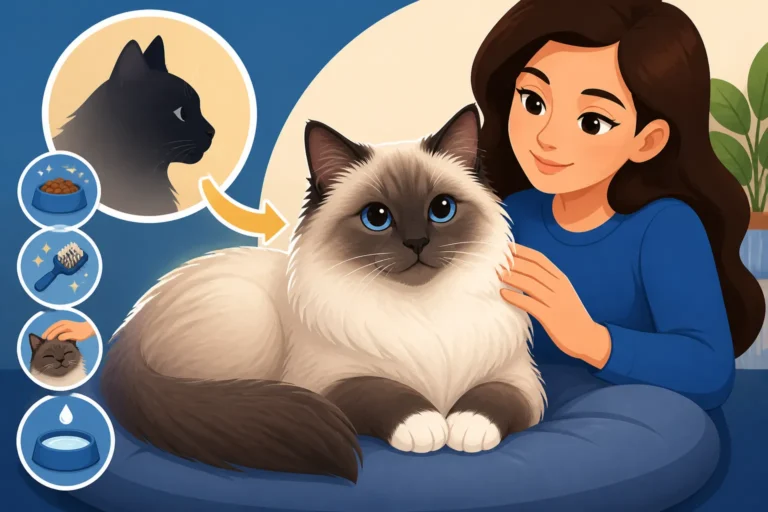
- High-Quality Diet: A balanced, high-quality diet that is appropriate for their age and activity level is fundamental. Given the breed's propensity for kidney issues, ensuring adequate hydration through wet food or a water fountain can be particularly beneficial. Some Birman owners opt for diets specifically formulated for sensitive systems or those that support kidney health as their cats age, under veterinary guidance.
- Weight Management: Maintaining a healthy weight is vital. Obesity exacerbates many health problems, including joint issues and heart conditions. Birmans can be quite food-motivated, so careful portion control and avoiding free-feeding are often recommended. You should be able to easily feel their ribs without seeing them, and they should have a discernible waist.
- Comfortable Environment: While Birmans have a beautiful, silky coat, they generally lack a dense undercoat, meaning they might be more sensitive to cold than some other longhaired breeds. Providing warm, comfortable sleeping spots, especially in colder climates, is beneficial. A consistent, low-stress home environment also contributes greatly to their overall well-being, as stress can impact a cat's immune system. Remember, Why an Indoor Birman Reaches Sixteen More Often is a combination of safety and consistent care.
The Emotional Impact for Owners: A Deep Connection
For Birman owners, understanding the breed's health journey carries a profound emotional impact. These cats are more than just pets; they often become cherished family members, and the thought of them facing inherited health challenges can be daunting. The knowledge that their breed faced near extinction, and that their individual cat carries a legacy of survival, fosters an even deeper appreciation and commitment to their well-being.
Owners often feel a sense of responsibility to honor this legacy by providing the best possible care, which includes being diligent about health screenings and advocating for their cat's needs at the vet. The bond with a Birman is truly special, marked by their gentle nature and unwavering companionship. Knowing their history and managing their specific health risks is a small price to pay for the immense joy and affection they bring into our lives. Many owners find peace of mind by investing in pet insurance, and Healthy Paws is one provider known for comprehensive coverage that can help mitigate the financial stress associated with managing potential chronic or acute health issues in Birmans, allowing owners to focus on their cat's comfort and care.
| Birman Health Concern | Potential Origin | Screening Method | Owner's Role |
|---|---|---|---|
| Hypertrophic Cardiomyopathy (HCM) | Genetic predisposition | Regular Echocardiograms | Annual vet checks, monitor for changes in activity, breathing |
| Polycystic Kidney Disease (PKD) | Persian outcross | DNA Test (PKD1), Ultrasound | High-quality diet, ample water, monitor thirst/urination, yearly blood tests |
| FOXN1 (Hypotrichosis) | Genetic bottleneck / Recessive mutation | DNA Test | Ensure kittens come from DNA-tested parents |
| Dental Disease | Jaw structure, breed predisposition | Regular Vet Dental Exams, X-rays | At-home brushing, dental treats, professional cleanings as needed |
| Obesity | Lifestyle, diet | Regular Weigh-ins, Body Condition Score | Measured meals, portion control, active play sessions |
Disclaimer
This article is for general informational purposes only and does not constitute professional advice. Laws, prices and regulations vary by location and change over time. Consult a qualified professional for guidance on your specific situation.