What Neonatal Isoerythrolysis Does to a Birman Litter
It’s every breeder’s worst nightmare, and for those who have experienced it, the heartbreak is profound and often bewildering: you wake up to find seemingly healthy Birman kittens, full of life just hours before, have suddenly passed away. Sometimes, they just fade away, becoming lethargic and weak, refusing to nurse, and despite all your efforts, they don't make it. This devastating scenario, often silent and swift, points to a critical issue known as Neonatal Isoerythrolysis (NI), a condition rooted deeply in the genetics of our beloved Birmans. This comprehensive guide aims to peel back the layers on this complex and often misunderstood disease, detailing exactly what NI does to a Birman litter, why it happens, and crucially, how we can prevent this silent tragedy from ever occurring.
Understanding Neonatal Isoerythrolysis in Birmans
Neonatal Isoerythrolysis, or NI, is a condition that sounds incredibly complicated, but at its heart, it’s a simple, albeit deadly, incompatibility between a mother cat and her kittens. It’s a bit like an allergic reaction, but instead of the mother reacting to something external, her immune system reacts to her own offspring. For Birman breeders and owners, understanding this mechanism is paramount because our breed carries a particular susceptibility.
The Core Mechanism: Blood Type Incompatibility
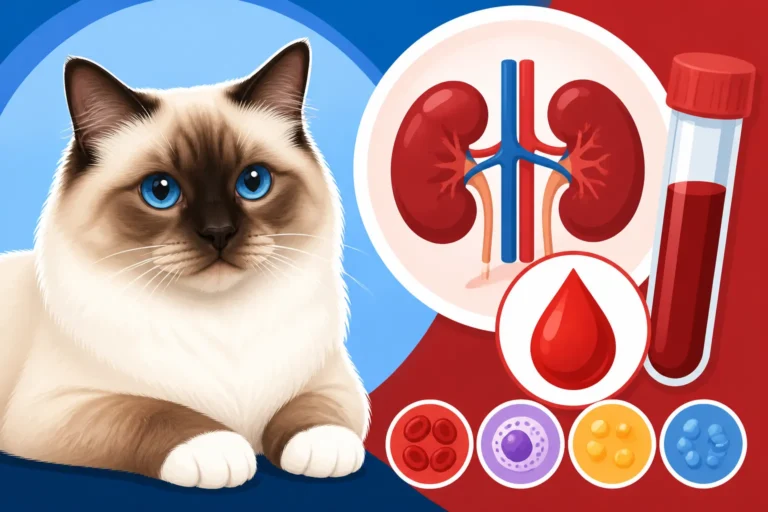
At the core of Neonatal Isoerythrolysis is a fundamental difference in blood types between the queen (mother cat) and her kittens. Cats, much like humans, have different blood types, but it's a bit simpler, primarily divided into three main groups: Type A, Type B, and the very rare Type AB.
The danger arises when a Type B queen is mated with a Type A or Type AB tom (male cat). Here’s why this specific pairing is so problematic: Type B queens naturally have very strong antibodies against Type A red blood cells circulating in their bloodstream. These antibodies are designed to attack and destroy any foreign Type A cells they encounter. If a Type B queen mates with a Type A or Type AB tom, there's a good chance some of her kittens will inherit the Type A blood type from their father. While these kittens are developing safely in the womb, there's no direct mixing of blood between mother and fetus, so the antibodies don't cross the placental barrier. The real trouble starts after birth.
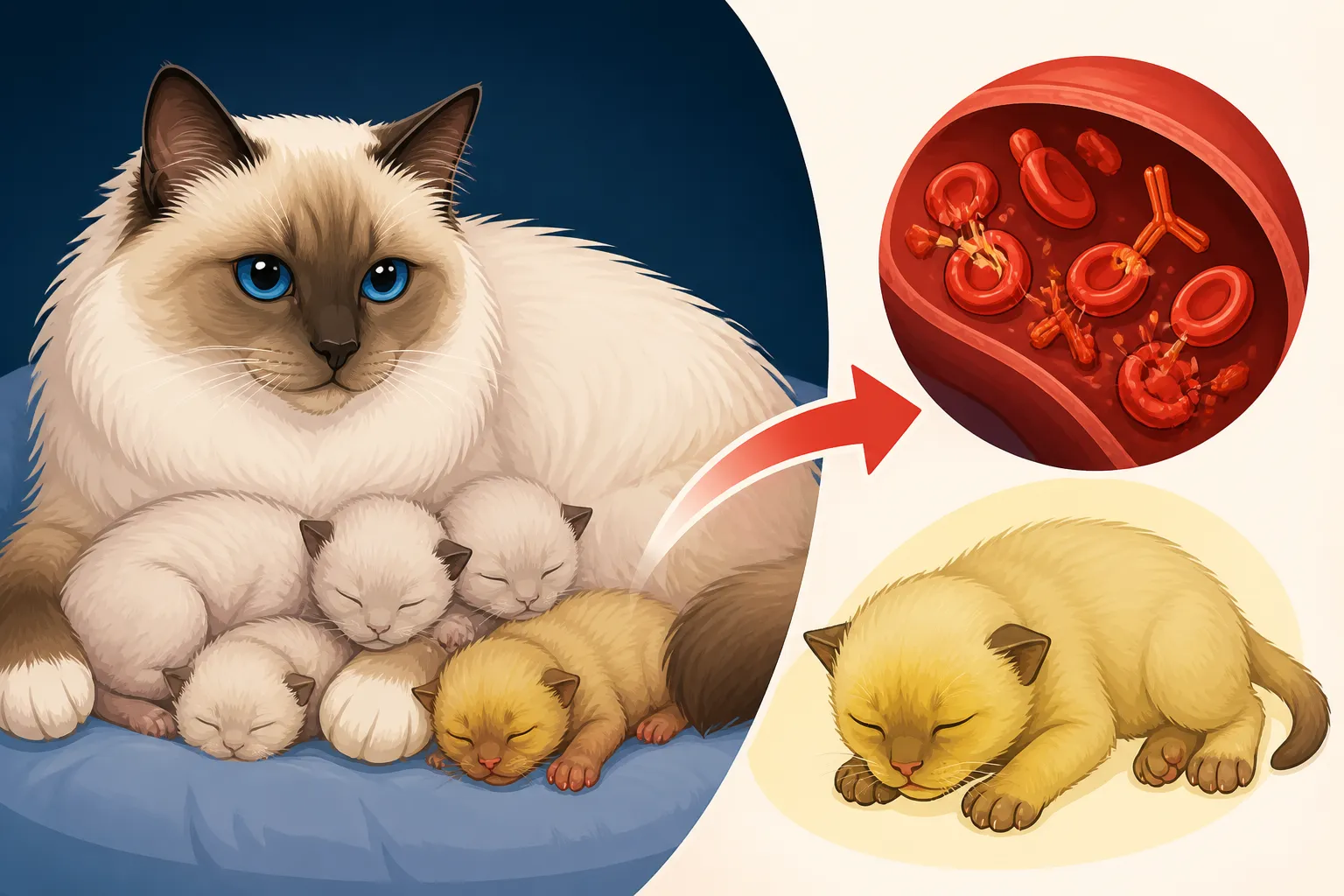
Imagine a beautiful litter of Birman kittens, tiny and perfect, just delivered by their loving Type B mother. They instinctively seek out her nipples to nurse, eager for their first meal – the colostrum. Colostrum is that vital "first milk," incredibly rich in nutrients and, critically for this discussion, antibodies. When a Type B queen, carrying Type A kittens, nurses them, those potent anti-A antibodies are passed directly into the kittens' systems through the colostrum. It's a cruel twist of nature; the very substance meant to protect them becomes a lethal poison. Once absorbed, these maternal antibodies relentlessly attack and destroy the kittens' Type A red blood cells, leading to severe anemia and organ damage. It’s a systemic assault that quickly overwhelms their tiny bodies.
Why Birmans are Particularly at Risk
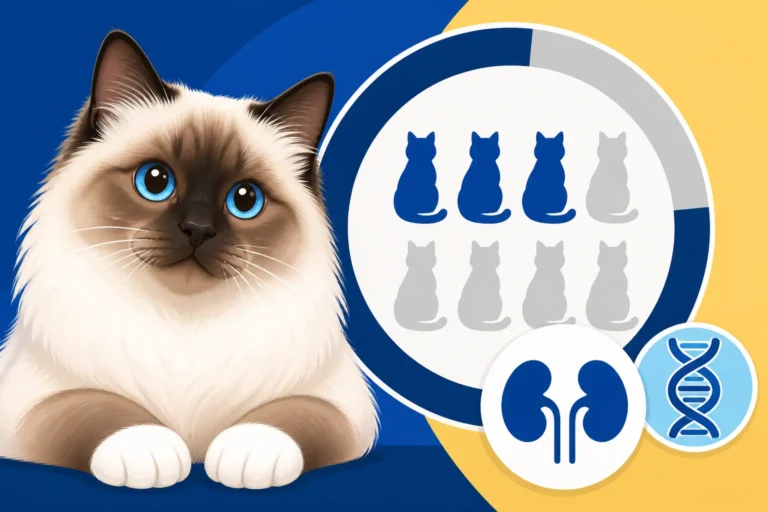
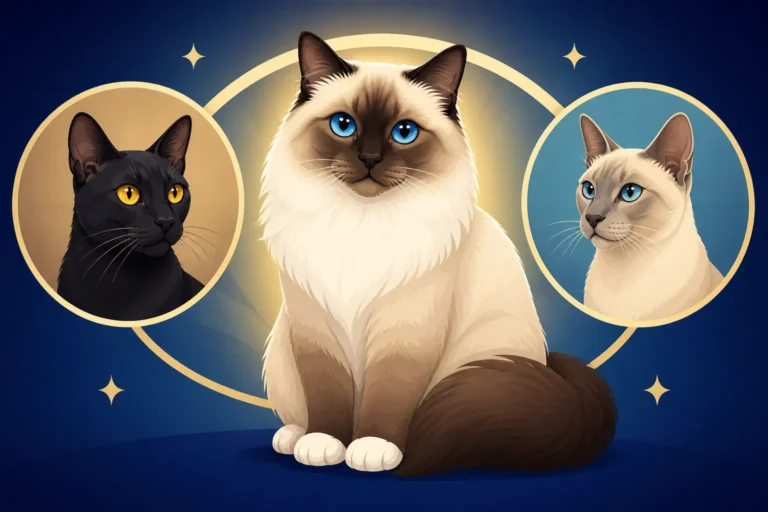
Now, you might wonder why Birmans, specifically, seem to face this particular peril more than some other breeds. It all comes down to genetics and the prevalence of the B blood type within our beautiful breed. While Type A is the most common blood type across the general cat population, the B blood type is notably more prevalent in certain pedigreed breeds, and the Birman is one of them. Other breeds like British Shorthairs, Devon Rex, and Cornish Rex also have a higher incidence of Type B.
This higher prevalence in Birmans is thought to be a consequence of the breed's history and its relatively What a Narrow Founder Base Left in the Birman. After World War II, the Birman breed faced near extinction, and the entire breed was rebuilt from just two cats, Orloff and Xenia de Kaabaa, as highlighted in "The Birman Was Rebuilt From Two Cats and It Shows." This extreme genetic bottleneck meant that any genetic predispositions present in those few founding cats, or introduced through the necessary outcrossing that followed, became amplified within the breed. So, if those foundational cats or their early outcrosses carried a higher frequency of the B blood type, it naturally became more common in subsequent Birman generations. This unique genetic lineage is a constant reminder of How Two Cats in 1945 Shaped the Birman's Health.
This means that a Birman breeder has a statistically higher chance of having a Type B queen in their cattery compared to, say, a breeder of domestic shorthairs or even other long-haired breeds like Ragdolls. This heightened statistical probability makes blood typing an absolutely non-negotiable step for any responsible Birman breeding program. Without knowing the blood types of both the queen and the tom, you're essentially playing a deadly game of genetic roulette with every litter. The consequences are too dire to ignore.
The Silent Killer: How NI Affects Birman Kittens
The tragic irony of Neonatal Isoerythrolysis is its insidious nature. Often, by the time a breeder notices something is wrong, it's already too late for the affected kittens. This makes it a particularly heartbreaking experience, as the rapid decline can feel sudden and inexplicable. Understanding the progression of NI is crucial for any hope of intervention, however slim.
The Critical First Hours: Colostrum Absorption
The window of danger for NI is incredibly narrow, typically spanning the first 24 to 48 hours of a kitten's life. This is when the maternal antibodies are transferred. Newborn kittens are born with a permeable gut lining, which allows large antibody molecules from the colostrum to pass directly into their bloodstream. This process, known as passive transfer, is vital for providing the kittens with crucial immunity against common pathogens in their environment, something they haven't developed on their own yet.
However, in the case of a Type B queen nursing Type A kittens, this life-giving colostrum becomes a conduit for destruction. The anti-A antibodies present in the mother’s milk are absorbed directly into the kittens’ circulation. Once these antibodies are in the kitten's system, they begin their attack, binding to and destroying the Type A red blood cells. The irony is heartbreaking: the very first act of maternal care, nursing, delivers a fatal blow. After approximately 24-48 hours, the kitten's gut lining undergoes a process called "gut closure," where it becomes less permeable to these large molecules. If a kitten survives past this initial period without absorbing lethal levels of antibodies, its chances improve significantly because no more antibodies will be absorbed, though the damage already done might still be severe.
For breeders, this means the first few hours are paramount. If you have a Type B queen and an A or AB type tom, or if blood types are unknown, immediate steps need to be taken to prevent colostrum consumption. This often involves hand-rearing the kittens with a milk replacer for the first 24-48 hours or, if possible, providing colostrum from a known Type A queen. As challenging as this sounds, it's the only way to break the cycle of antibody transfer. It's a demanding period, full of stress, but a necessity to prevent profound suffering.
Clinical Signs and Symptoms in Affected Kittens
The clinical signs of Neonatal Isoerythrolysis in Birman kittens can vary in severity and onset, making early detection a significant challenge. Sometimes, kittens die so suddenly that no symptoms are observed at all – they simply "fade" overnight. This can lead to immense grief and confusion for breeders who may be left wondering what went wrong, particularly with a breed like the Birman, which has a placid temperament and is known to Why a Birman Hides Illness Behind a Placid Temperament.
In cases where symptoms do appear, they typically manifest within the first few days of life, usually within 12 to 72 hours after consuming the colostrum. Initial signs can be subtle and easily missed, often starting with general "fading kitten syndrome" symptoms:
- Weakness and Lethargy: Affected kittens may become noticeably weaker, less active, and less responsive than their littermates. They might seem uninterested in nursing or struggle to latch.
- Failure to Thrive: They might fail to gain weight or even lose weight, looking smaller and less robust than expected.
- Pale Mucous Membranes: Due to the destruction of red blood cells, their gums and inner eyelids might appear very pale, indicating anemia.
As the condition progresses, more severe and specific symptoms develop, reflecting the widespread destruction of red blood cells:
- Jaundice (Icterus): The breakdown of red blood cells releases bilirubin, which can accumulate in the body, leading to a yellowish discoloration of the skin, gums, and whites of the eyes. This is a tell-tale sign of hemolytic anemia.
- Dark Reddish-Brown Urine: The presence of hemoglobin from the lysed red blood cells can turn the urine dark, almost coffee-colored. This is a very strong indicator of NI.
- Swollen Spleen: In some cases, the spleen may become enlarged as it works overtime to filter out damaged red blood cells.
- Sudden Death: Unfortunately, for many affected Birman kittens, the progression is so rapid and severe that sudden death occurs, often without obvious preceding signs. They may simply be found lifeless in the nest, a truly heartbreaking sight for any dedicated breeder.
It's important to differentiate NI from other causes of fading kitten syndrome, such as infections or congenital defects. While a kitten born bald due to FOXN1, for example, will not reach eight months and exhibits different symptoms, NI is an acute hemolytic crisis. The speed of onset and the specific clinical signs of anemia and jaundice are key indicators. This makes thorough observation and, if necessary, veterinary consultation critical. The impact on a small, vulnerable kitten can be devastating, leading to discussions about humane euthanasia, similar to scenarios when Why an Affected Birman Kitten Is Usually Put to Sleep for other severe conditions.
Diagnosing and Managing NI in a Birman Litter
When dealing with suspected Neonatal Isoerythrolysis, the emotional toll on a breeder is immense. The rapid decline and often unexpected deaths of kittens can be incredibly disorienting. While prevention is always the goal, knowing how to diagnose and manage a suspected case is vital for preventing further losses and understanding what went wrong.
Post-Mortem Confirmation and Blood Tests
Diagnosing NI in live, fading kittens can be challenging, as the symptoms often mimic other severe neonatal illnesses. However, a definitive diagnosis is often achieved through a combination of observations and, tragically, post-mortem examination.
If a kitten has passed away unexpectedly, particularly within the first few days of life, a necropsy (animal autopsy) is highly recommended. A veterinary pathologist can examine the organs for signs of hemolytic anemia, such as an enlarged spleen, pale internal organs, and yellow-stained tissues from jaundice. Blood samples taken from the deceased kitten can be tested for its blood type. If the kitten is Type A or AB and its mother is Type B, this, combined with the pathological findings, strongly supports an NI diagnosis.
Additionally, a direct Coombs' test on the kitten's red blood cells can detect the presence of maternal antibodies attached to the kitten's own red blood cells, confirming the immune-mediated destruction. This test provides direct evidence of the attacking antibodies. It’s also crucial to blood type both the queen and the tom, if not already done. Knowing Why a Birman's Blood Type Matters at Mating becomes painfully clear when trying to understand these devastating losses.
This information is invaluable, not just for confirming what happened to the current litter but also for informing future breeding decisions. It’s a somber process, but one that provides closure and critical data to prevent future tragedies.
Immediate Actions for Suspected Cases
If you suspect Neonatal Isoerythrolysis is affecting a Birman litter – perhaps one kitten has faded, and others are showing subtle signs of weakness – immediate action is paramount, though sadly, the prognosis for already affected kittens is often poor. The most crucial step is to immediately separate all remaining kittens from the queen. This must be done without delay to prevent further absorption of deadly antibodies through the colostrum.
Once separated, these kittens will need urgent supportive care:
- Hand-Rearing: This involves bottle-feeding them with a high-quality kitten milk replacer every 2-3 hours around the clock. Make sure the milk replacer is appropriate for kittens and provides all necessary nutrients. You might consider specific brands known for their quality, like Royal Canin or Pet-Lac, though this is a general recommendation and not directly linked to NI.
- Warmth and Hydration: Newborn kittens are incredibly vulnerable to hypothermia and dehydration. Provide a warm, draft-free environment with a heating pad (on low, with a towel barrier) or an incubator. Ensure they are well-hydrated.
- Veterinary Intervention: A veterinarian should be contacted immediately. While specific treatments for NI are limited, supportive care can be crucial. This might include:
- Subcutaneous fluids: To combat dehydration.
- Blood transfusions: In severe cases of anemia, a transfusion from a compatible, Type B adult cat (which does not have anti-A antibodies) or an A-type cat that has been "washed" to remove surface A antigens might be considered. This is a complex and often high-risk procedure for tiny kittens.
- Antibiotics: To prevent secondary infections, as their immune systems might be compromised.
- Iron supplements: To aid red blood cell production, once the immediate crisis has passed.
Even with the most dedicated care, saving severely affected kittens can be extremely difficult. The best strategy remains prevention. However, knowing these immediate steps can potentially save a kitten that has absorbed only a small amount of antibodies or reduce suffering in those most affected. This is why having pet insurance, like Healthy Paws, in place for breeding cats can also be beneficial, as it can help cover the unexpected and often costly veterinary interventions in emergency situations, even if the primary goal is prevention.
| Stage of NI | Typical Onset | Observable Signs in Birman Kittens | Urgency of Action |
|---|---|---|---|
| Colostrum Transfer | First 12-48 hours post-birth | None directly visible; appears normal, actively nursing. | Critical Prevention |
| Early Symptoms | 12-72 hours post-colostrum | Weakness, lethargy, reduced nursing, failure to gain weight. | High – Immediate Separation |
| Advanced Symptoms | 2-5 days post-colostrum | Pale gums, jaundice (yellow skin/gums), dark urine, rapid breathing. | Emergency Vet Care |
| Fatal Outcome | Within 5 days, often sudden | Sudden death, no prior signs, or rapid decline from advanced symptoms. | Post-mortem for Diagnosis |
Preventing Neonatal Isoerythrolysis: The Breeder's Responsibility
The most powerful tool against Neonatal Isoerythrolysis isn't treatment, but prevention. For Birman breeders, this isn't just a best practice; it's an ethical imperative. Every step taken to prevent NI is a step towards ensuring healthy, thriving kittens and sparing both the cats and their human companions from immense heartache.
Mandatory Blood Type Testing for Breeding Birmans
The absolute cornerstone of preventing NI is simple: blood typing every single Birman intended for breeding. This is not optional; it is fundamental to responsible breeding. Without this knowledge, you are breeding blind, risking the lives of entire litters.
Here's why it's so critical:
- Identifying the Risk: Blood typing allows you to identify Type B queens. These are the queens at risk of producing antibodies against Type A kittens.
- Informing Mating Decisions: Once you know your queen's blood type, you can make informed decisions about which tom to use. A Type B queen should never be mated with a Type A or Type AB tom if NI is to be completely avoided.
- Understanding the Lineage: Over time, consistent blood typing helps breeders understand the prevalence of different blood types within their cattery and specific lines. This can help guide future selection for breeding stock to reduce the incidence of Type B cats, or at least manage their matings very carefully.
Blood typing is a relatively straightforward process. It involves taking a small blood sample from the cat, which is then sent to a specialized veterinary laboratory. Many labs, such as UC Davis Veterinary Genetics Lab or Animal DNA Diagnostics (both widely recognized for genetic testing in cats), offer reliable blood typing services. The cost is minimal, especially when compared to the emotional and financial cost of losing a litter. Just as breeders routinely test for genetic conditions like What Testing a Birman for FOXN1 and PKD1 Together Costs, blood typing should be a standard, upfront expense. It should be as routine as checking for a heart murmur during a Birman kitten's first exam includes its heart.
Registries, while not always mandating blood typing, increasingly advocate for it. A responsible breeder will have blood typing certificates for all their breeding animals and should be transparent about these results. Just like Why a Birman Breeder Publishes Echo Results for HCM, blood type results should be readily available for potential kitten buyers.
Responsible Mating Choices and Management Strategies
Once you have the blood typing results for your breeding Birmans, responsible mating choices become clear. The golden rule for preventing NI is to never mate a Type B queen with a Type A or Type AB tom. This combination is the root cause of the problem and is entirely preventable through careful planning.
What if you have a beautiful Type B queen with excellent conformation and temperament, and you desperately want to breed from her? Here are the responsible strategies:
- Mate with a Type B Tom: The safest and ideal scenario is to mate a Type B queen with a Type B tom. All kittens from this pairing will be Type B, and therefore, no NI will occur.
- Mate with an Unknown Blood Type Tom (with extreme caution): This is highly discouraged. If a tom's blood type is genuinely unknown (which it shouldn't be for a breeding cat), the risk is too high. You would have to assume he is Type A or AB and implement the strategies below for every litter, which is incredibly labor-intensive and stressful.
- Managed Matings with a Type A Tom (Last Resort, Highly Intensive): In rare cases, if a Type B queen must be mated with a Type A tom (e.g., for genetic diversity or specific line preservation), a strict management protocol must be implemented immediately after birth. This involves:
- Preventing Colostrum Intake: As soon as the kittens are born, they must be removed from the mother before they have a chance to nurse any colostrum. This is a race against the clock, literally within minutes of birth.
- Hand-Rearing for 24-48 Hours: The kittens must be hand-reared for the first 24 to 48 hours using a kitten milk replacer. This allows their gut to "close" before they are exposed to the mother's milk, preventing the absorption of antibodies.
- Monitoring and Reintroduction: After the 24-48 hour period, the kittens can usually be safely reintroduced to the mother for nursing, as her regular milk (not colostrum) does not contain the harmful antibodies, and their gut lining will have closed. However, careful monitoring is still essential. This is a highly stressful and demanding process, requiring constant vigilance, often round-the-clock. It's not a solution to be undertaken lightly or by inexperienced breeders.
This intensive management is a testament to the dedication required in ethical breeding, particularly when navigating complex genetic challenges. While breeding for specific traits, such as How Many Litters It Takes to Get a Well Gloved Birman, blood type compatibility should always take precedence over cosmetic preferences. It’s also crucial to remember that A Birman Queen Rarely Has More Than Four kittens, making the loss of even one kitten due to NI especially devastating for the small litter.
Living with the Knowledge: What Pet Owners Need to Know
Even if you're not a breeder, understanding Neonatal Isoerythrolysis is beneficial. It empowers you to make informed decisions when choosing a kitten, appreciate the efforts of responsible breeders, and even understand potential health considerations for your own Birman down the line.
Why Your Birman's Blood Type Matters Even as a Pet
As a loving pet owner, you might think blood typing is solely a breeder's concern. However, knowing your Birman's blood type can be incredibly important, particularly in emergency situations. Imagine your beloved Birman needing an emergency blood transfusion due to an accident or severe illness. If their blood type is unknown, the veterinary team will have to perform a cross-match, which takes time – precious time you might not have in a critical situation.
- Emergency Transfusions: If your Birman is Type A and accidentally receives Type B blood, or vice versa, a severe and potentially fatal transfusion reaction can occur. Knowing their exact blood type allows for immediate selection of compatible donor blood, significantly improving their chances of survival.
- Breeding Ethics (Even for Neutered Pets): While your pet Birman may be neutered, understanding blood types reinforces the importance of responsible breeding practices. It encourages you to seek out breeders who prioritize health testing, including blood typing, which ultimately strengthens the breed as a whole.
- Peace of Mind: Simply knowing your pet's blood type is one more piece of crucial health information you have at your fingertips. It's a small detail that could make a huge difference in an unexpected crisis.
If you're ever in a situation where your Birman needs a transfusion, the cost can be substantial. This is where a reliable pet insurance plan, such as those offered by Healthy Paws, can provide significant financial relief. While Healthy Paws focuses on accidents and illnesses, the costs associated with critical care, including transfusions, can quickly add up, making proactive insurance a wise choice for any pet owner.
Supporting Breeders and Advocating for Testing
As a prospective or current Birman owner, you have a powerful role in encouraging responsible breeding practices. By actively seeking out and supporting breeders who prioritize health testing, including blood typing, you contribute to the overall health and longevity of the Birman breed.
When you are looking for a Birman kitten:
- Ask Direct Questions: Don't be afraid to ask potential breeders about their health testing protocols. Specifically inquire if both parents of the litter have been blood typed.
- Request Documentation: A responsible breeder will be happy to provide documentation of their cats' blood types, along with other health clearances like HCM screening and How Many Birmans Still Carry PKD1. Transparency is a hallmark of ethical breeding.
- Understand the "Why": A good breeder won't just tell you they test; they'll explain why it's important, demonstrating their knowledge and commitment to the health of their lines. They should be able to explain the genetic issues like NI with confidence and clarity.
By choosing a kitten from parents who have been rigorously tested and selectively bred to avoid conditions like NI, you're not only getting a healthier kitten but also supporting the breeders who are investing the time, effort, and resources into maintaining the breed's well-being. This collective effort ensures that the beautiful Birman breed continues to thrive, free from preventable genetic diseases. It's about being an informed consumer and a proactive advocate for feline health.
Disclaimer
The information provided in this article is for general informational purposes only and does not constitute veterinary advice. Always consult with a qualified veterinarian for any health concerns or before making any decisions related to your pet's health and treatment. Breeding decisions should always be made in consultation with experienced veterinarians and geneticists.