How Many Years a Birman From Echo Scanned Lines Lives
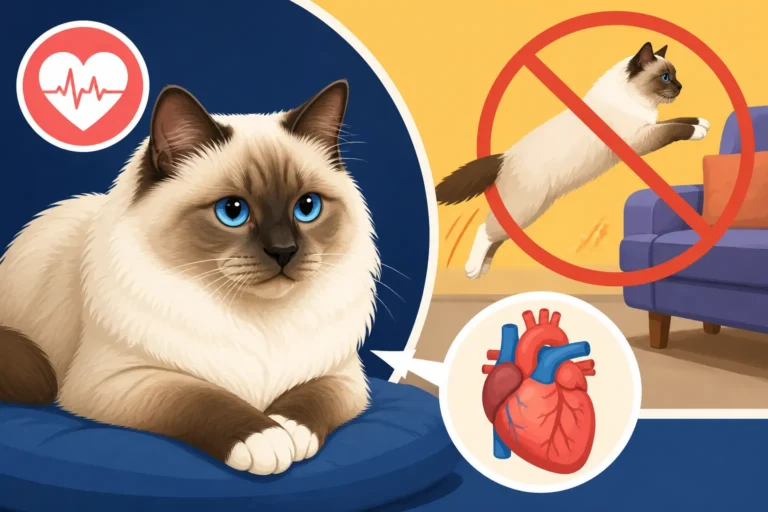
It's incredibly disheartening when you fall in love with a particular cat breed, only to discover a daunting list of potential health issues that could cut their precious lives short. For Birman owners, or those hoping to welcome one into their home, the concern about hereditary conditions, particularly Hypertrophic Cardiomyopathy (HCM), is very real. This guide is here to shed light on how investing in a Birman from echo-scanned lines can significantly increase the chances of your beloved companion living a long, full, and healthy life, easing some of those worries.
Understanding the Birman Lifespan: More Than Just a Number
The average lifespan for a Birman cat generally falls within the range of 12 to 16 years, which is quite respectable for a domestic feline. However, this is an average, and like all averages, it encompasses cats who pass far too young and those who defy expectations, living well into their late teens. What makes the difference for a Birman often boils down to genetics and the proactive health management practices of their breeders and owners. When we talk about "echo-scanned lines," we're talking about a deliberate, crucial step breeders take to safeguard the future health of their kittens, directly impacting their potential longevity.
The General Lifespan of a Birman Cat
Birman cats are known for their sturdy, muscular build and their generally placid, sweet temperament. These traits, combined with their strong bond with humans, make them wonderful family pets. Without specific genetic health concerns, a Birman can indeed enjoy a long and happy life. Owners often report their Birmans being active and playful well into their senior years, albeit with a natural slowing down as they age. Factors such as diet, environment, and regular veterinary care play a significant role, but the foundational health inherited from their parents is paramount. For more on what to expect as your Birman ages, consider reading about The Twelve to Sixteen Years a Birman Usually Gets.
The Shadow of Hypertrophic Cardiomyopathy
Unfortunately, like many purebred cats, Birmans are predisposed to certain hereditary conditions, with Hypertrophic Cardiomyopathy (HCM) being one of the most concerning. HCM is a progressive disease where the muscular walls of the heart thicken, making it harder for the heart to pump blood effectively. This condition can lead to heart failure, blood clots, and sudden death, often in cats that appear perfectly healthy otherwise. The insidious nature of HCM is particularly frustrating because it often shows no outward symptoms until it's quite advanced, making early detection through regular screening absolutely vital for the breed's health. You can learn more about How HCM Shows Up in a Birman for a clearer picture of its progression.
The Critical Role of Echo Scans in Birman Longevity
This is where echo-scanned lines become the hero of our story. An echocardiogram (echo scan) is a non-invasive ultrasound of the heart that allows a veterinary cardiologist to visualize the heart's structure and function. For Birmans, this scan is the gold standard for detecting HCM, even in its earliest, asymptomatic stages. When breeders commit to echo-scanning their breeding cats regularly, they are actively working to identify and remove affected animals from their breeding programs, thereby reducing the prevalence of HCM in future generations. This isn't just a recommendation; it's a moral imperative for responsible breeding.
What "Echo-Scanned Lines" Truly Means for a Kitten
Choosing a kitten from echo-scanned lines means that both parents, and often their ancestors, have undergone regular echocardiogram screenings for HCM. A reputable breeder will have documentation, often performed by a board-certified veterinary cardiologist, showing that their breeding cats have clear hearts. This significantly minimizes the risk of your kitten inheriting the genes that predispose them to HCM. While it's not a 100% guarantee against the disease, as genetics are complex and some cases can still arise, it’s the absolute best measure currently available to protect your cat's heart health. It gives you peace of mind and gives your kitten the best possible start. For further details, consider reading Why an Echo Is the Only Way to Screen a Birman.
How Regular Screening Extends Lives
The benefit of echo scanning is multifaceted. Firstly, it allows breeders to make informed decisions. If a breeding cat is diagnosed with HCM, they should be immediately removed from the breeding program to prevent passing on the genes. This proactive approach over generations leads to healthier lines and longer lifespans for their offspring. Secondly, for pet owners, knowing your cat comes from clear lines means you're less likely to face the devastating diagnosis of early-onset HCM. Should an issue still arise, early detection through regular veterinary check-ups (even for a cat from screened lines) means management can begin sooner, potentially delaying the progression of the disease and improving quality of life. Many owners find that having comprehensive pet insurance, like a plan from Healthy Paws, can greatly alleviate the financial stress associated with specialized diagnostics and treatments, making ongoing care more accessible.
The Age a Birman's Heart is Monitored
For breeding Birmans, screenings often begin as young adults, typically around one year of age, and are repeated annually or biennially throughout their breeding careers. This rigorous schedule helps ensure that any changes in heart health are detected promptly. For your pet Birman, even if they come from clear lines, regular veterinary check-ups are essential, and your vet will listen to their heart for any murmurs. If a murmur is detected, or if there's any concern, your vet may recommend an echo scan, particularly as your Birman reaches middle age. Generally, The Age a Birman Starts Needing Yearly Heart Checks is a good guideline to discuss with your veterinarian, even for pet-only Birmans.
Beyond the Heart: Other Factors for a Long Birman Life
While HCM screening is a cornerstone of Birman health, it's just one piece of the puzzle. A Birman's overall longevity is also heavily influenced by general care, nutrition, environment, and vigilance from their human companions. A holistic approach to their well-being ensures they thrive for as many years as possible.
The Impact of a Healthy Lifestyle
Just like us, Birmans benefit immensely from a balanced, high-quality diet tailored to their life stage and activity level. Obesity can exacerbate many health conditions, including heart disease and arthritis. Regular, gentle exercise keeps their bodies fit and minds engaged. As Birmans are generally indoor cats, a stimulating indoor environment with scratching posts, safe perching spots (though they aren't big climbers!), and interactive toys is crucial. Protecting them from outdoor hazards like traffic, predators, and infectious diseases is another key reason Why an Indoor Birman Reaches Sixteen More Often. Even with the best care, unexpected health issues can arise, and a robust pet insurance policy, such as those offered by Healthy Paws, can be a lifesaver, covering a significant portion of veterinary bills for accidents or illnesses.
The Role of Early and Ongoing Veterinary Care
From the moment you bring your Birman kitten home, a consistent schedule of veterinary check-ups is paramount. Vaccinations, parasite control, and routine examinations help catch potential problems early. As Birmans are known for their placid nature, they can sometimes mask illness, making regular vet visits even more important. Why a Birman Hides Illness Behind a Placid Temperament is a crucial read for any owner, as understanding their subtle cues is vital. As your Birman ages, annual senior wellness exams, including blood work and urinalysis, become increasingly important to monitor organ function, especially kidneys, which can be prone to issues in many cat breeds. A good veterinary relationship means your cat gets the preventative care and early intervention needed to extend their healthy years.
Other Genetic Considerations
While HCM is a major concern, responsible Birman breeders also screen for other conditions. For instance, Polycystic Kidney Disease (PKD1), though more commonly associated with Persians, can sometimes be found in Birman lines due to historical outcrossing. Fortunately, there's a DNA test for PKD1, and most reputable breeders ensure their cats are clear. Additionally, Birmans can carry the FOXN1 gene responsible for Birman Hypotrichosis (a severe immunodeficiency), for which genetic testing is also available. Always ask breeders about their full health testing panel to ensure they are covering all known genetic risks for the breed. Knowing a cat's genetic predispositions helps you and your vet monitor for symptoms more effectively.
Finding a Reputable Breeder Who Prioritizes Health
The single most impactful decision you can make regarding your Birman's potential lifespan and health is choosing a reputable breeder. This isn't just about getting a pedigree; it's about ethical practices, genetic responsibility, and a deep commitment to the welfare of the breed.
What to Ask About Echo Scans and Health Clearances
When speaking with a potential breeder, don't be shy about asking direct questions regarding their health testing protocols. Specifically, inquire about HCM screening:
- Proof of Echo Scans: Ask to see documentation of recent echocardiograms for both parents (and ideally grandparents), performed by a board-certified veterinary cardiologist. These results should clearly state "Normal" or "Clear." A truly transparent breeder will be proud to share these. Many reputable breeders will openly publish their echo results, as explored in Why a Birman Breeder Publishes Echo Results.
- Frequency of Scans: Understand how often their breeding cats are scanned. Annual scans are ideal for active breeding cats.
- Other Genetic Tests: Ask about genetic tests for PKD1 and FOXN1.
- Health Guarantee: A good breeder will offer a health guarantee, often for a period covering the typical onset of certain genetic conditions.
The Red Flags to Watch Out For
Be wary of breeders who:
- Cannot provide proof of health testing or claim it's unnecessary.
- Offer kittens at unusually low prices – good health testing is expensive, and cutting corners often means skipping vital screenings.
- Have multiple litters simultaneously or don't seem to know their cats' pedigrees and health history intimately.
- Don't ask you many questions about your living situation or experience with cats – a responsible breeder wants the best homes for their kittens.
- Sell kittens too young (before 12-14 weeks) or don't allow you to visit their cattery to see the parents and living conditions.
Choosing a kitten from echo-scanned lines is a powerful step toward ensuring your Birman lives a long, healthy, and happy life. It shows that the breeder is committed to the long-term well-being of the breed, and it gives you, as an owner, the best possible foundation for years of joy with your feline friend. Remember, comprehensive pet insurance like Healthy Paws can also offer an extra layer of protection for any unforeseen health challenges your Birman might face throughout their life.
Preventing Heart Disease in Your Birman: Beyond the Echo Scan
While echo scans are absolutely essential, remember that a holistic approach to your Birman's health provides the very best chance at a long, fulfilling life. It's not just about weeding out genetic predispositions; it's about making choices every single day that support their overall well-being. Think of it as a multi-pronged strategy to keep that little heart strong.
Maintaining an Optimal Weight and Diet
One of the simplest yet most impactful things you can do for your Birman's heart health, and indeed their overall longevity, is to keep them at a healthy weight. Just like in humans, obesity in cats puts extra strain on their cardiovascular system, leading to a higher risk of heart disease, diabetes, and joint issues. A Birman's long, silky coat can sometimes hide excess weight, so regularly feeling their ribs and checking their waistline is crucial. You should be able to easily feel their ribs without pressing hard, and they should have a discernible waist when viewed from above.
Feeding a high-quality, balanced diet that is appropriate for their age and activity level is paramount. Many veterinarians recommend wet food for cats, as it helps increase their water intake, which is beneficial for kidney health – another important aspect of feline longevity. Avoid overfeeding by sticking to measured meals rather than free-feeding. If you're unsure about the right portion size or food type, your veterinarian can provide excellent guidance. Investing in premium food, even if it seems more expensive upfront, can lead to fewer health issues down the line, potentially saving you more in vet bills and certainly improving your cat's quality of life.
Regular Exercise and Mental Stimulation
Birmans are generally known for being quite mellow, but that doesn't mean they don't need regular exercise and mental stimulation. Consistent, gentle play helps them maintain a healthy weight, strengthens their muscles, and keeps their minds sharp. Daily play sessions with wand toys, laser pointers (just make sure they get to "catch" something real at the end to prevent frustration), or even just chasing a thrown toy can go a long way. They might not climb to the highest perches like a Siamese, but they enjoy interactive play that keeps them moving.
Mental stimulation is equally important. Puzzle feeders can turn mealtime into a game, encouraging natural foraging behaviors. Providing various scratching posts and safe spaces for them to observe their surroundings helps prevent boredom and stress, which can indirectly impact their physical health. A happy, engaged Birman is more likely to be a healthy Birman. Even though they may seem content to simply be near you, dedicated playtime ensures they get the physical and mental workout they need.
Proactive Care: Vet Visits and Home Monitoring
Even with a Birman from impeccably echo-scanned lines, regular veterinary care and astute home monitoring are essential. Remember, "clear" at one point in time doesn't guarantee lifelong immunity from all issues. It simply dramatically reduces the hereditary risk of HCM.
Understanding What Annual Check-ups Include
Your Birman should have at least one comprehensive veterinary check-up every year, and possibly twice a year as they age. During these visits, your veterinarian will not only give vaccinations and perform routine checks but also carefully listen to your cat's heart. They'll be listening for any murmurs or abnormal rhythms that could indicate an underlying heart issue, even in a cat from clear lines. They'll also perform a thorough physical examination, checking their teeth, gums, eyes, ears, coat condition, and palpating their abdomen for any abnormalities.
For Birmans who are past middle age, typically around 8-10 years old, your vet might recommend additional diagnostic tests such as blood work and urinalysis. These tests can help detect early signs of kidney disease, hyperthyroidism, or diabetes, all of which become more common in senior cats. Early detection of these conditions allows for earlier intervention, often significantly improving prognosis and extending their healthy lifespan. You can find more information about What a Birman's Yearly Panel Should Include After Eight to prepare for these important discussions with your vet.
Observing Subtle Behavioral Changes
Birmans are masters of quiet stoicism, often hiding pain or discomfort until a condition is quite advanced. This makes you, the observant owner, their first line of defense. Pay close attention to any subtle changes in their behavior, appetite, or activity levels. Is your typically cuddly Birman suddenly withdrawn? Is their appetite reduced, or are they drinking more water than usual? Are they less interested in play, or do they seem hesitant to jump onto furniture they once easily accessed?
Even small changes, like a decrease in grooming or a slight alteration in litter box habits, can be indicators of underlying health issues. If you notice persistent changes, don't hesitate to consult your veterinarian. It's always better to be overly cautious than to delay seeking professional advice. Learning How to Tell a Quiet Birman From an Unwell One can empower you to act quickly when needed, ensuring your placid companion receives care before an issue becomes critical.
The Added Security of Pet Insurance
Even with the most meticulous care and a Birman from impeccably screened lines, unforeseen accidents or illnesses can occur. This is where pet insurance, like policies from Healthy Paws, can be an invaluable asset. It provides a financial safety net, allowing you to make medical decisions based on what's best for your Birman, rather than being constrained by cost.
A good pet insurance policy can help cover the costs of emergency visits, diagnostic tests, specialized treatments, and medications for a wide range of conditions. For a breed like the Birman, knowing that you have support for potential future heart conditions (even if low risk), or other common ailments that arise with age, offers immense peace of mind. Investing in a policy early, while your Birman is still young and healthy, often secures better coverage and avoids pre-existing condition exclusions. It truly allows you to provide the best possible care throughout your Birman's entire, hopefully long, life.
Disclaimer
This article is intended for informational purposes only and does not constitute veterinary advice. Always consult with a qualified veterinarian for any health concerns or before making any decisions related to your pet's health and treatment.