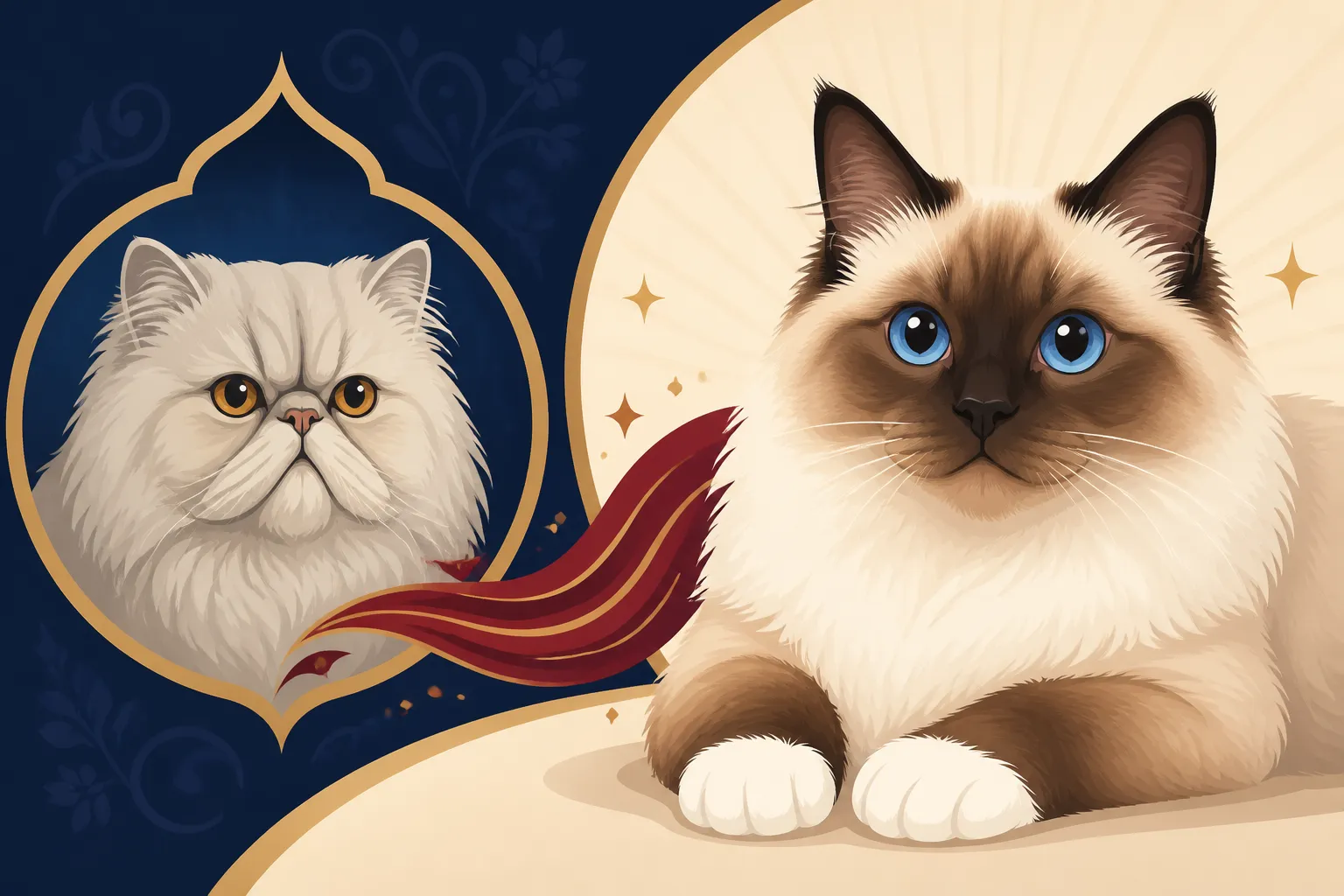
What Persian Blood Brought Into the Birman
The history of the Birman cat is a fascinating tapestry, woven with threads of ancient legend and stark modern realities. For many Birman enthusiasts, the exact lineage and the impact of the breed's near-extinction after World War II remain a significant question mark. It’s natural to wonder about the specific genetic contributions that helped bring this beloved breed back from the brink, particularly the influence of Persian bloodlines. This guide will meticulously explore what traits, both physical and inherent, were introduced into the Birman gene pool through outcrossing with Persian cats during that crucial post-war rebuilding period.
The Post-War Bottleneck and the Desperate Need for Outcrossing
Imagine a breed you adore, known for its stunning blue eyes, silky coat, and charming white "gloves," suddenly facing extinction. That's precisely the grim reality the Birman breed stared down after World War II. The devastation of the war years had severely impacted cat breeding across Europe, and the Birman was hit particularly hard, leaving its future hanging by a thread.
The Brink of Extinction
By 1945, reliable records indicate that the Birman breed had been reduced to an astonishingly small number of individuals – effectively, just two cats. It’s almost unbelievable to think that an entire breed could nearly vanish, but the challenges of wartime, including scarcity of food, disrupted breeding programs, and the dangers of conflict itself, meant that many catteries simply couldn't continue. The very existence of the Birman hinged on a pair of cats named Orloff and Xenia de Kaabaa, who became the foundation for every Birman alive today. This critical event, often referred to as the post-war bottleneck, left the breed with an incredibly narrow genetic base. The genetic repercussions of such a small founder population are profound, leading to a high degree of inbreeding, reduced genetic diversity, and an increased risk of inherited health issues. It's a sobering thought to consider Which Two Cats Every Birman Descends From.
Why Outcrossing Was Unavoidable
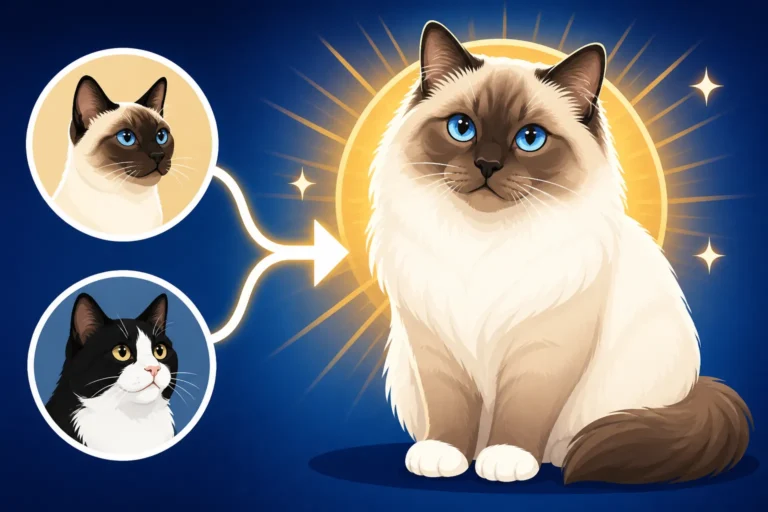
With such a minuscule gene pool, breeders faced an impossible task: how to sustain a breed without introducing severe health problems and losing genetic vitality altogether? The answer, however unpalatable to purists at the time, was outcrossing. To save the Birman from disappearing entirely, new blood had to be brought in. This wasn't a choice made lightly but a desperate measure to widen the genetic pool and ensure the breed's long-term viability. The goal was to re-establish a healthy, diverse population that could then be selectively bred back towards the original Birman type, preserving its unique characteristics. The initial outcrosses were carefully chosen, primarily focusing on long-haired breeds that shared some visual similarities, or at least offered desirable traits to enhance the recovering population. This complex period ultimately meant that The Birman Was Rebuilt From Two Cats and It Shows, a testament to the dedication of those early breeders.
Genetic Contributions from Persian Outcrossing
When breeders chose which cats to outcross with, the Persian was a natural, albeit impactful, choice. Persian cats brought with them a wealth of longhair genetics, a generally placid temperament, and specific physical traits that would inevitably be woven into the Birman's fabric. Understanding these contributions helps us appreciate the Birman we know and love today, recognizing where its distinct features originated or were enhanced.
Coat Type and Texture
One of the most immediate and noticeable contributions from the Persian was regarding the Birman's coat. Original Birmans, even with their long hair, likely had a somewhat different texture and density. Persians are renowned for their incredibly thick, luxurious, and often dense double coats. While the Birman ultimately developed a single, silky coat that mats far less than a Persian's, the initial outcrossing helped to solidify the longhair gene and likely contributed to the impressive length and flow of the Birman's fur, particularly its magnificent ruff and tail plume. The Persian influence undoubtedly played a role in ensuring the Birman retained its longhaired status while breeders later selected for the specific, non-matting single coat that is a hallmark of the modern Birman. It’s a delicate balance, and No Undercoat Is What Makes a Birman Easy to Groom is a direct result of these selective breeding efforts.
Facial Structure and Head Shape
Perhaps one of the most significant and sometimes debated influences of the Persian on the Birman's appearance is in its head and facial structure. Historically, the Birman was described as having a rounded head, but the introduction of Persian lines brought with it the genetics for a broader, rounder skull and a more pronounced 'Roman nose' – a distinct feature that became integrated into the Birman breed standard. While modern Birman breeders aim for a moderate, sweet expression that avoids the extreme flattened face seen in some Persian lines, the Persian contribution undeniably reshaped the Birman's profile. This subtle shift is evident when you look at early Birman photographs compared to contemporary show cats. For a breeder, understanding Why a Birman's Roman Nose Is Judged in Profile is crucial in selecting breeding pairs that align with the current ideal.
Temperament Traits
Both Birmans and Persians are generally known for their calm, gentle dispositions, making the Persian a compatible choice in terms of temperament. The outcrossing likely reinforced these amiable qualities, contributing to the Birman's famously placid and affectionate nature. While the Birman possesses a unique "velcro cat" tendency to follow its humans around without being overly demanding, the Persian influence certainly didn't detract from its serene demeanor. Rather, it may have helped solidify the gentle, easygoing personality that makes the Birman such a wonderful companion. This shared calm energy helped ensure that the newly revitalized Birman retained a temperament that suited family life, reinforcing why The Birman Sits Between the Siamese and the Persian in terms of its overall activity level.
Impact on Health and Lifespan
While outcrossing was essential for the Birman's survival, it wasn't without its challenges, particularly concerning inherited health conditions. The introduction of new genes meant the potential for both positive diversification and the inadvertent introduction of new genetic predispositions to disease.
Introduction of PKD1
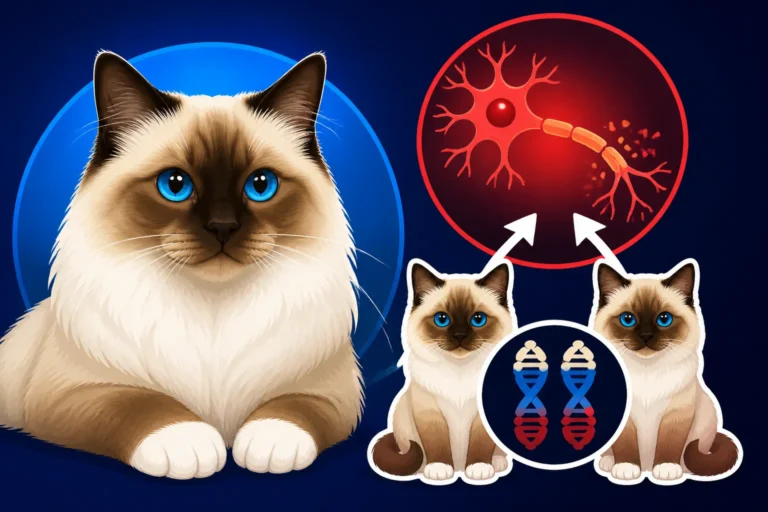
One of the most well-documented and impactful health conditions brought into the Birman gene pool via Persian outcrossing is Polycystic Kidney Disease (PKD1). Persian cats, especially historically, had a significant prevalence of PKD1, a hereditary condition characterized by the formation of fluid-filled cysts in the kidneys, which can eventually lead to kidney failure. When Persian cats were used to rebuild the Birman population, the PKD1 gene came along for the ride. This meant that Birmans, which previously may not have had this issue, suddenly faced a new genetic threat. Early detection and responsible breeding have been crucial in managing this. Breeders now diligently test their cats to identify carriers and affected individuals. This proactive approach ensures that new generations are free from the disease, as detailed in Why a Birman Breeder Still Tests for PKD. Insurance companies like Healthy Paws can be a real lifeline when unexpected health issues, even those that have been diligently screened for, arise in your beloved pet.
Potential for Genetic Diversity Benefits
Despite the challenges, the primary benefit of outcrossing was, of course, the dramatic increase in genetic diversity. With only two founding cats, the inbreeding coefficient would have been astronomical, leading to a highly fragile population. By introducing genetic material from other breeds, including Persians, the overall genetic health and robustness of the Birman population were significantly improved. This broader genetic base meant a greater resilience to other unknown genetic issues that might have emerged from prolonged inbreeding. It essentially gave the breed a fresh start, allowing for more genetic variation which is crucial for long-term survival and adaptability. Without it, the breed would have likely suffered from what is described as What a Narrow Founder Base Left in the Birman – a host of debilitating genetic issues that might have proved insurmountable.
Cardiovascular Health Considerations
While PKD1 is directly attributable to the Persian outcross, the link between Persian blood and other specific Birman health concerns, such as Hypertrophic Cardiomyopathy (HCM), is less direct but still part of the broader conversation about breed health. HCM, a condition where the heart muscle thickens, is unfortunately common in many cat breeds, including Birmans. While the Persian outcross widened the gene pool, it also meant combining genetic predispositions from both original Birmans (if any survived the bottleneck with relevant genes) and the outcrossed breeds. Responsible breeders today prioritize screening for HCM through regular echocardiograms, and reputable pet insurance providers like Healthy Paws often cover these diagnostic tests and subsequent treatments, which can be critical for managing the health of your Birman. Understanding How HCM Shows Up in a Birman is vital for any owner.
Phenotypic Changes and Breed Standard Evolution
The outcrossing process didn't just affect the hidden genetic makeup; it visibly altered the Birman. The breed standard, which defines the ideal characteristics of a Birman, evolved over time to reflect these changes, solidifying certain Persian-introduced traits as part of the Birman's identity.
Development of the Roman Nose
As mentioned earlier, the Persian influence brought a more pronounced nose bridge to the Birman, leading to the "Roman nose" that is now a recognized and admired feature in the breed standard. This isn't the extreme short nose found in some "peke-faced" Persians, but rather a gentle arching profile that distinguishes the Birman from other point-restricted breeds. It gives the Birman its unique, somewhat majestic facial expression, setting it apart. This feature, alongside the distinct blue eyes and contrasting white gloves, contributes to the Birman's overall stunning appearance and explains why its profile is so important in judging.
Overall Body Type and Size
The Persian contribution likely also had an impact on the Birman's overall body type and size. Persians are typically cobby, heavily boned cats. While the Birman is not as cobby as a Persian, it does possess a sturdy, medium-to-large build, and a certain robust quality that may have been enhanced or reinforced by the outcrosses. The lean, more athletic build of the hypothetical pre-war Birman may have shifted slightly towards a more substantial frame. This contributed to the powerful yet elegant presence of the modern Birman, a cat that feels substantial in your arms but moves with graceful fluidity. When considering What a Birman's Long Rectangular Frame Should Weigh, it’s clear this is a cat of good size.
Summary of Persian Contributions
To really get a sense of how the Persian shaped the Birman, let’s look at a quick comparison:
| Trait | Pre-Outcross Birman (Hypothetical) | Persian Contribution | Modern Birman (Post-Outcross) |
|---|---|---|---|
| Coat Type | Long, silky, possibly lighter | Denser, longer guard hairs, potential for undercoat | Long, silky single coat, less matting |
| Head Shape | Rounded, less pronounced nose | Broader skull, more defined nose bridge | Rounded, moderate "Roman nose" |
| Body Type | Medium, elegant | Sturdier build, heavier boning | Medium-to-large, sturdy, rectangular |
| Temperament | Calm, gentle | Reinforced placid, docile nature | Affectionate, quiet, devoted, non-demanding |
| Health Risks | Unknown, high inbreeding risks | Introduction of PKD1 gene | PKD1 risk (manageable with testing), HCM risk |
| Gloving Gene | Fixed (KIT gene variant) | No direct influence on gloving, but modifiers possible | Fixed gloving gene, variable expression |
This table helps visualize the blend of characteristics that defines the Birman today. The outcrossing was a necessary evil, bringing both challenges and invaluable genetic diversity to ensure the breed’s survival.
Responsible Breeding and Ongoing Health Management
The legacy of the Persian outcross means that responsible Birman breeding today places a heavy emphasis on genetic testing and careful pedigree analysis. For conditions like PKD1, DNA tests are readily available, allowing breeders to confidently select clear breeding stock and eradicate the disease from their lines. It's truly comforting to know How the PKD1 Test Clears a Birman and that breeders can take definitive action.
Beyond genetic tests, ongoing health screenings, particularly for cardiac health, are paramount. Regular echocardiograms help identify HCM early, allowing for management strategies that can extend a cat's life and improve its quality. These proactive steps are a direct response to the lessons learned from the post-war rebuilding efforts and the genetic inheritance from outcrossed breeds. When choosing a Birman kitten, don't hesitate to ask breeders about their testing protocols and the health history of their lines. A transparent breeder will happily share documentation, often showing generations of healthy cats.
For owners, understanding these health predispositions is crucial for providing the best care throughout their Birman's life. Regular vet check-ups, a high-quality diet, and being attuned to any changes in behavior or health are all part of responsible pet ownership. Having robust pet insurance, such as a plan from Healthy Paws, can provide immense peace of mind, knowing that you're prepared for any unexpected veterinary needs, whether related to genetics or not. It’s an investment in your cat’s long-term well-being and a way to navigate the health landscape that has been shaped by the breed's history. This attention to detail contributes to The Twelve to Sixteen Years a Birman Usually Gets.
The Birman's Enduring Appeal
Despite the complex history and the genetic intertwining with breeds like the Persian, the Birman has emerged as a distinct and beloved breed. Its unique combination of a long, silky, non-matting coat, striking blue eyes, charming white gloves, and an exceptionally gentle temperament make it a truly special companion. The contributions from the Persian, while introducing certain health considerations that now require vigilant screening, were ultimately integral to saving the Birman from oblivion. They helped solidify its physical characteristics and reinforced the docile nature for which the breed is cherished.
Today's Birman is a testament to the dedication of breeders who navigated a challenging period, carefully selecting for the traits that define this "Sacred Cat of Burma." Every Birman's pedigree carries the echoes of those post-war outcrosses, a reminder of the resilience of the breed and the unwavering commitment of those who worked to preserve it. The journey of the Birman from near extinction to global popularity is a compelling story, one where the Persian played a vital, albeit complicated, role.
Disclaimer
Please note that this article is intended for informational purposes only and should not be taken as professional veterinary advice. Always consult with a qualified veterinarian for any health concerns or before making decisions about your pet's care.